Blog

  • Baba Siddique Murder: Unraveling the Mystery Behind the NCP Leader’s Assassination

    Baba Siddique Murder: Unraveling the Mystery Behind the NCP Leader’s Assassination

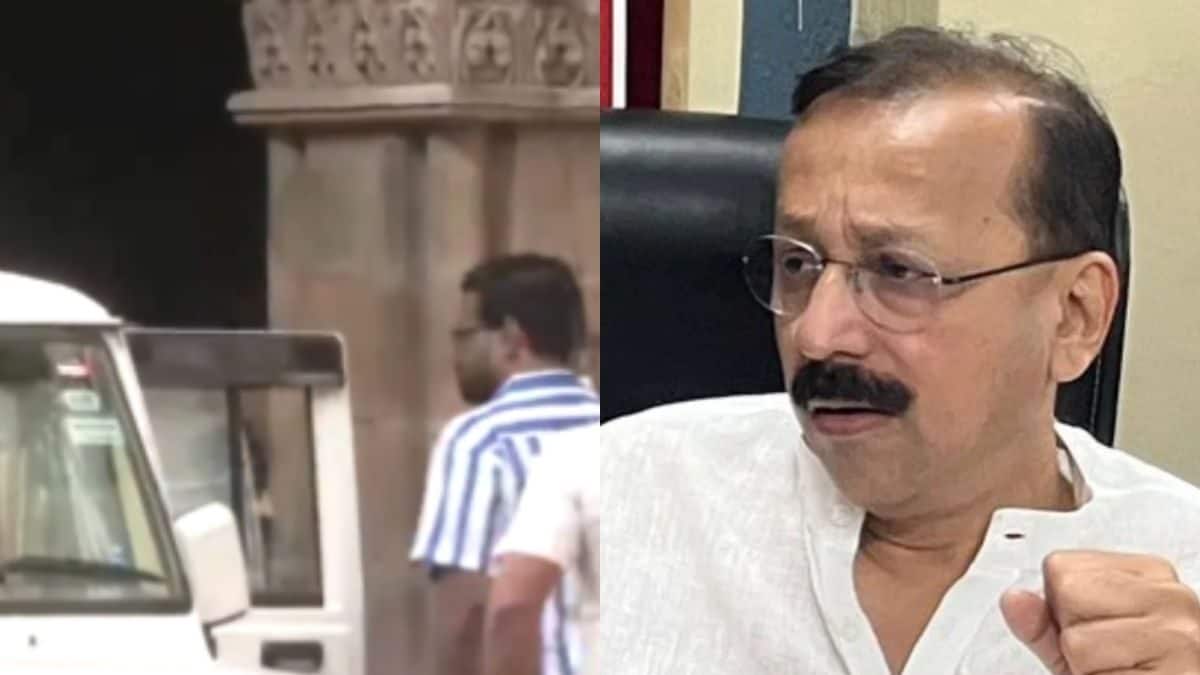
    The murder of Baba Siddique, a prominent NCP leader and former Maharashtra minister, has sent shockwaves through the state, prompting an intensive investigation into the motives and circumstances surrounding the tragic incident. While authorities have apprehended two individuals in connection with the killing and are pursuing a third suspect, the case has exposed a chilling narrative of meticulous planning, pre-meditated execution, and possible links to organized crime.

    The Devastating Incident and Immediate Aftermath

    On Saturday evening, Baba Siddique was fatally shot by three assailants in Bandra East, Mumbai. The attack occurred near the office of his son, Zeeshan Siddique, who is also an MLA. The assailants, who reportedly belonged to the Lawrence Bishnoi gang, had been tracking Siddique’s movements for over two months, meticulously planning the attack.

    The brazen nature of the murder sent ripples of shock through the political and social landscape of Maharashtra. The fact that the attack occurred in broad daylight and near the office of an MLA raises serious concerns about the level of security in the state.

    The Arrests and Investigations

    Two individuals, Karnail Singh from Haryana and Dharamraj Kashyap from Uttar Pradesh, were quickly apprehended in connection with the murder. Both accused admitted to their involvement and claimed to be part of the Lawrence Bishnoi gang, a notorious criminal syndicate with a history of violent crimes.

    The Mumbai police, in their investigations, have identified a third suspect who remains at large. They have also discovered evidence suggesting a fourth person might have been involved, potentially relaying information about Siddique’s movements to the assailants.

    Contract Killing Angle

    Law enforcement authorities are now exploring the possibility of a contract killing in this case. They are focusing their efforts on identifying the mastermind behind the murder and understanding the financial incentives driving the attack. It has been reported that the attackers received weapons via a prepaid courier service shortly before the shooting and were paid Rs 50,000 for carrying out the act.

    The Victims Background and Possible Motivations

    Baba Siddique was a prominent figure in Maharashtra politics. He was a founding member of the NCP and held several key ministerial positions. However, his political trajectory was marked by significant shifts and changes in allegiances. In February 2024, he made a dramatic decision to break from the Congress party, with which he had been affiliated for four decades, and joined the NCP faction led by Ajit Pawar. This move created significant turmoil and uncertainty within the state’s political landscape.

    It is crucial to investigate whether this recent switch in political loyalties played a role in his murder. Was the decision to target Siddique a calculated retaliation by opponents who sought to eliminate him from the political scene? Or was the attack driven by other, more personal motives?

    Death Threats and Security Concerns

    It has come to light that Baba Siddique received a death threat only 15 days prior to his assassination. This threat raised concerns about his safety and prompted the authorities to place him under ‘Y’ category security. However, despite these precautions, his life was tragically cut short. This raises serious questions about the efficacy and implementation of security protocols meant to protect prominent individuals from potential threats.

    The Uncertain Future of the Case

    The investigation into the murder of Baba Siddique remains ongoing, and many aspects of the case still require thorough examination. The Mumbai police are collaborating with law enforcement authorities in Uttar Pradesh to locate the third suspect, and they continue to investigate the potential involvement of a fourth person.

    The Importance of Transparency

    It is vital that law enforcement agencies maintain transparency and keep the public informed about their progress in this case. The family and supporters of Baba Siddique deserve to know that the authorities are doing everything in their power to bring the perpetrators to justice.

    The Need for Security Enhancements

    The events surrounding this case underscore the importance of robust security measures designed to protect individuals at risk. Law enforcement agencies must review their procedures and resources to ensure that they are adequately equipped to prevent and address threats to public figures.

    Take Away Points

    • The murder of Baba Siddique, a former minister and senior NCP leader, was a meticulously planned and executed attack.
    • The arrest of two suspects linked to the Lawrence Bishnoi gang indicates a possible connection to organized crime.
    • The contract killing angle is being explored by authorities, leading them to investigate the financial incentives driving the murder.
    • Baba Siddique’s recent political allegiances, his prior death threat, and the inadequacy of his security are factors that require deeper examination.
    • The case highlights the need for ongoing investigation and transparency, as well as a review of security measures for public figures.
  • Baba Siddique Murder: Unraveling the Complex Web of Crime and Politics

    Baba Siddique Murder: Unraveling the Complex Web of Crime and Politics

    Baba Siddique, a prominent politician and former Maharashtra minister, was tragically murdered in Mumbai on Saturday evening. This incident has sent shockwaves across the state and the nation, sparking intense investigations and a search for the truth behind his killing. While authorities are diligently working to apprehend the culprits and uncover the motive behind the murder, the circumstances surrounding the incident have raised many questions, especially regarding the involvement of a notorious criminal gang and the alleged connection to a contract killing.

    The Murder and the Accused

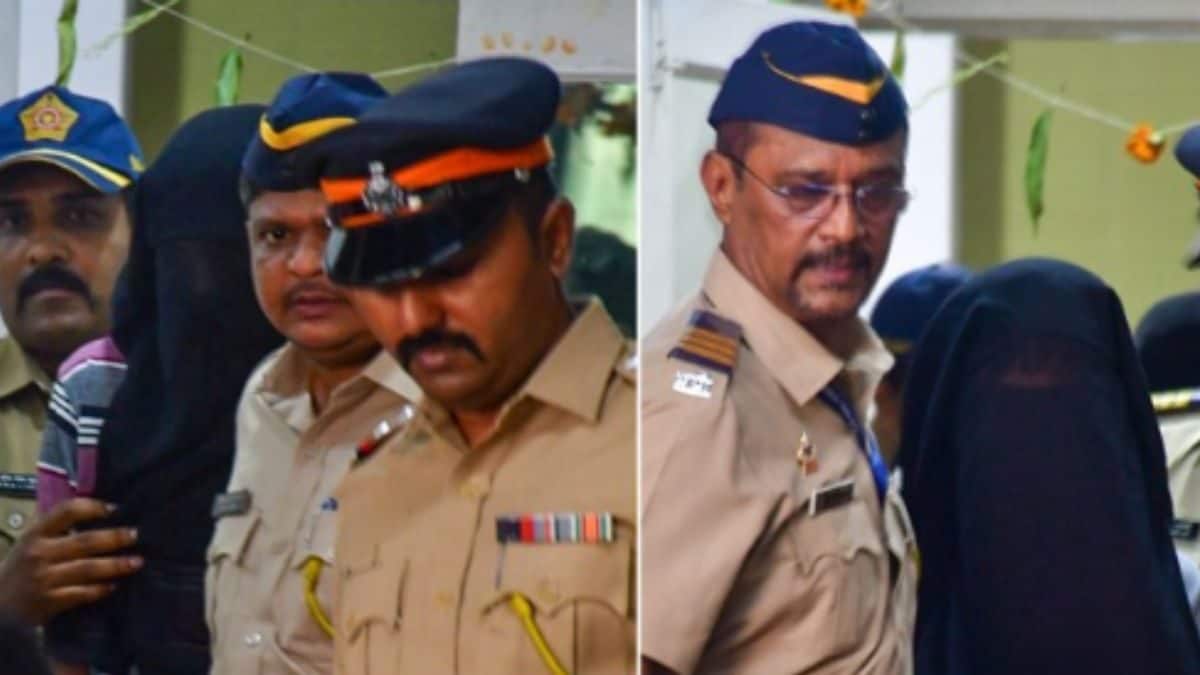
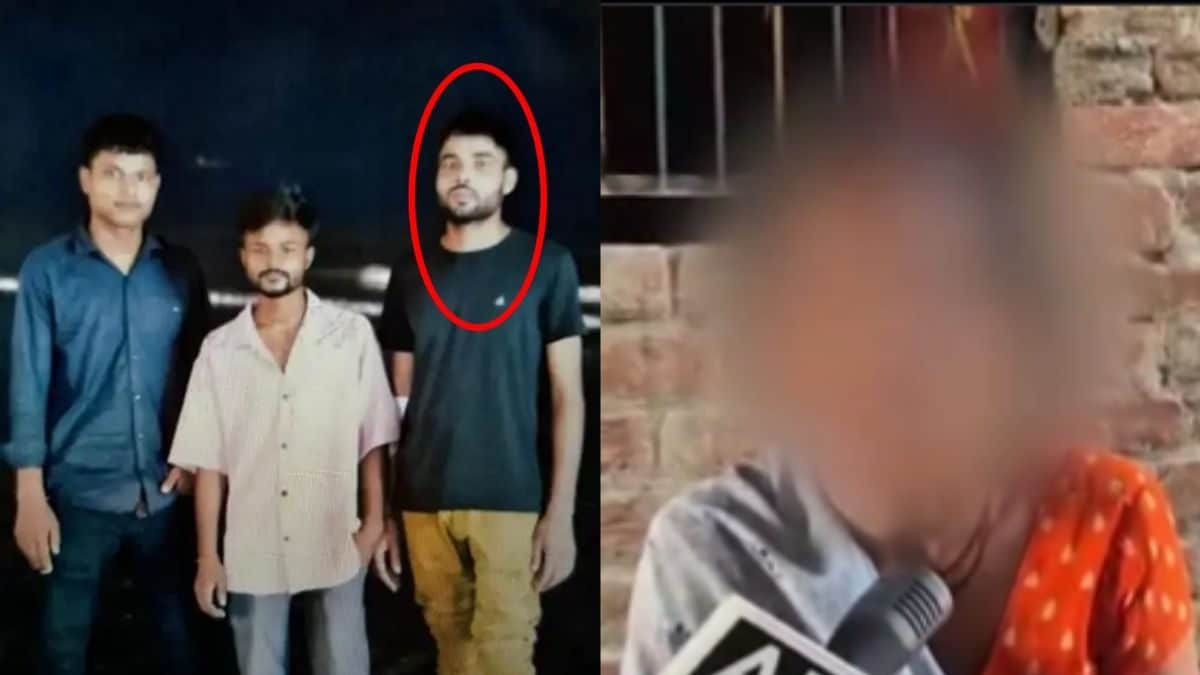
    The brutal murder of Baba Siddique took place outside the office of his MLA son, Zeeshan Siddique, in Bandra East. Three individuals, allegedly members of the notorious Lawrence Bishnoi gang, were involved in the crime. Two suspects, Karnail Singh from Haryana and Dharamraj Kashyap from Uttar Pradesh, have been arrested and are currently being questioned by the Mumbai police.

    The Lawrence Bishnoi Gang

    The involvement of the Lawrence Bishnoi gang, known for its criminal activities and involvement in high-profile cases, adds a layer of complexity to the investigation. The gang, led by Lawrence Bishnoi, is currently facing numerous charges, including murder, extortion, and drug trafficking. Bishnoi, who is incarcerated, is known to operate his criminal network from behind bars, raising concerns about potential connections to the recent murder. The arrest of the two accused and their alleged affiliation with the gang point to a well-organized operation involving extensive planning and resources.

    The Mother’s Statement

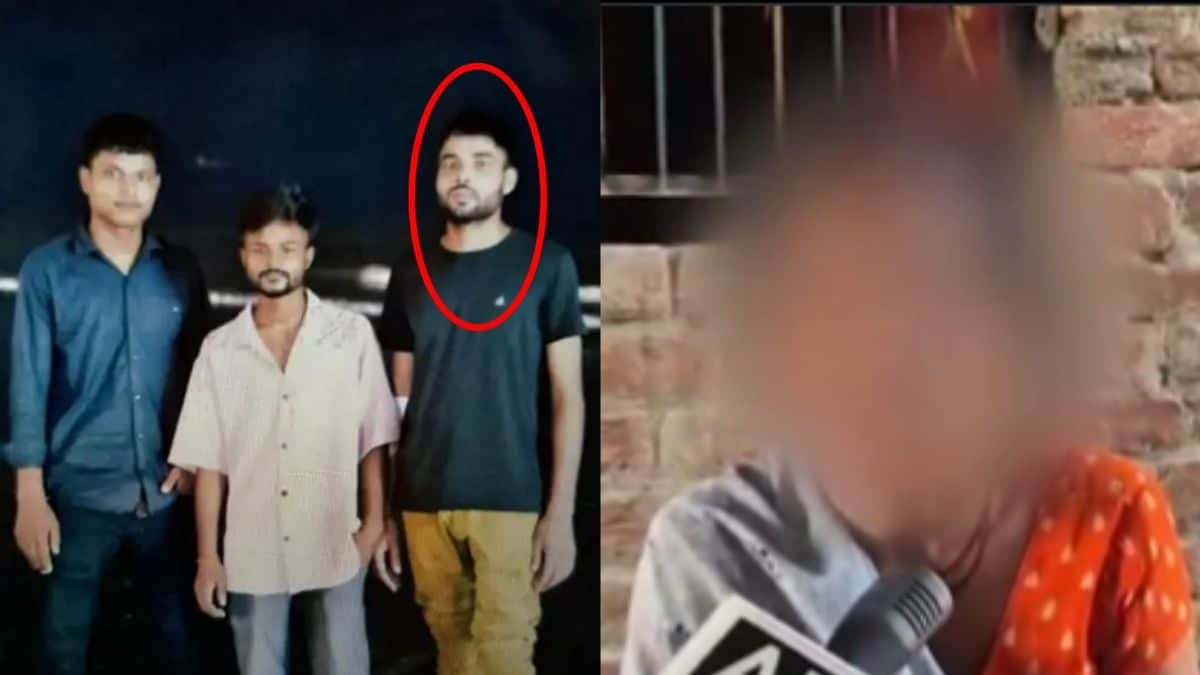
    The mother of Dharamraj Kashyap, one of the accused, claims that her son was working in a scrapyard in Pune and was unaware of his activities in Mumbai. Her statement raises doubts about the involvement of her son in the crime, however, the police are continuing their investigations to confirm the truth. The conflicting statements of the mother and the alleged affiliation with the Bishnoi gang point towards potential discrepancies in the investigation and highlight the complexities surrounding the case.

    The Investigation: A Contract Killing?

    Police investigations suggest that the attackers had been meticulously planning Baba Siddique’s murder for over two months. They are probing the possibility of a ‘contract killing,’ where the perpetrators were allegedly paid a substantial sum to carry out the crime. Sources claim that the accused were provided with weapons via prepaid courier just days before the attack and were paid Rs 50,000 for their participation.

    Tracking Siddique’s Movement

    Police believe a fourth person, who has not been apprehended, may have been involved in the murder by providing information about Siddique’s movements to the attackers. This alleged ‘inside’ support suggests that the perpetrators were well-informed and prepared to carry out their deadly plan with precision. The details concerning the weapon procurement, payment, and alleged involvement of a fourth individual indicate that the murder was a meticulously orchestrated operation.

    Baba Siddique’s Political Career and Recent Threats

    Baba Siddique was a prominent figure in Maharashtra politics, known for his long association with the Congress party before his recent switch to the Nationalist Congress Party (NCP). He had gained significant influence and recognition within the state’s political landscape. This political affiliation and his high-profile status make him a potential target for those with motives ranging from political vendetta to personal grudges.

    The Security Breach

    Despite receiving a death threat 15 days prior to the attack, Baba Siddique was under ‘Y’ category security. This raises serious concerns about the effectiveness of security protocols and raises questions regarding potential lapses in protecting him from harm. It remains to be seen how this security breach occurred and whether it played a role in the execution of the murder.

    The Importance of a Thorough Investigation

    The investigation into the murder of Baba Siddique is complex and multi-faceted. It involves unraveling the motives behind the crime, identifying the mastermind, and securing all the perpetrators. With potential involvement of a notorious criminal gang, alleged contract killing motives, and a high-profile political victim, the police are facing a substantial challenge in ensuring justice and securing the safety of other prominent individuals who may be at risk.

    Take Away Points

    • The murder of Baba Siddique is a complex and tragic incident, requiring a comprehensive investigation to uncover the truth.
    • The involvement of the Lawrence Bishnoi gang adds a layer of complexity to the investigation, suggesting organized crime could be a significant factor.
    • The possibility of a contract killing motivates emphasizes the importance of examining the financial aspects of the murder and identifying any potential connections to those with a motive.
    • The police’s focus on tracking the movements of the accused and finding the mastermind behind the crime is crucial to bringing the perpetrators to justice and preventing future incidents.
    • The investigation into this case highlights the ongoing threat of organized crime and the importance of ensuring the safety and security of high-profile individuals in a society.
  • Baba Siddique Murder: A Web of Motives and Suspects

    Baba Siddique Murder: A Web of Motives and Suspects

    The murder of NCP leader Baba Siddique in Mumbai has sent shockwaves through the city, raising questions about the motive behind the killing and the potential involvement of various individuals and gangs. The Mumbai Police are investigating multiple angles in the case, including the possible involvement of the Lawrence Bishnoi gang and Salman Khan, but the evidence points towards a complex network of motives and relationships.

    The Investigation

    The Mumbai Police are investigating various angles in connection with the Baba Siddique murder case, focusing on the possible involvement of the Lawrence Bishnoi gang and Salman Khan.

    The Bishnoi Gang Angle

    The Bishnoi gang has emerged as a primary suspect, with their alleged claim of responsibility on social media, though police are investigating the authenticity of this post. The gang, known for its alleged connection to organized crime, may have been motivated by their rivalry with Salman Khan, with whom they have had prior disputes.

    The Salman Khan Angle

    Salman Khan, a prominent Bollywood actor, has a long-standing feud with the Bishnoi gang. In 2018, Khan was sentenced to five years in jail for poaching blackbucks in a case that stemmed from the Bishnoi gang’s strong belief in the conservation of wildlife. This feud could potentially provide a motive for the Bishnoi gang to target Baba Siddique, especially if they believe him to be associated with Salman Khan or his circle.

    Other Possible Angles

    Apart from the Bishnoi gang and Salman Khan, the investigation is also exploring other potential angles. Baba Siddique’s involvement with Dawood Ibrahim, a notorious gangster, and his potential connection to Bollywood, politics, and property dealings could be potential motives for his killing.

    The Suspects

    Three men, Shiv Kumar alias Shiva Gautam, Dharmraj Kashyap, and Gurmail Baljit Singh, have been identified as key suspects in the murder of Baba Siddique.

    Shiv Kumar alias Shiva Gautam

    Shiv Kumar, identified as the shooter, is currently absconding.

    Dharmraj Kashyap

    Dharmraj was carrying chili spray, but before he could use it, Shiv Kumar had already opened fire.

    Gurmail Baljit Singh

    Gurmail has a prior criminal history, including a murder case against him, and was in police custody.

    The Aftermath

    The murder of Baba Siddique has left a trail of fear and anxiety in the city. The incident has highlighted the vulnerability of prominent figures and the pervasiveness of organized crime in Mumbai.

    The Security Concerns

    The lack of adequate security for Baba Siddique, despite his past connection with the MCOCA Act and his high-profile connections, has raised questions about the security protocols for prominent figures in the city. The murder has highlighted the need for more stringent security measures, particularly for individuals who are known to have connections with criminal elements.

    The Role of Social Media

    The use of social media by the alleged perpetrators to claim responsibility for the murder highlights the challenges posed by online platforms for law enforcement agencies. The widespread access to social media has become a powerful tool for disseminating information and influencing public opinion, making it even more challenging to control the spread of misinformation.

    The Importance of Cooperation

    The Mumbai Police have emphasized the need for cooperation with local law enforcement agencies in identifying and apprehending the culprits. This case underscores the importance of interagency collaboration and communication in combating criminal activity.

    Takeaway Points

    The murder of Baba Siddique is a complex case with a multitude of possible motives and connections. The investigation into the murder is ongoing, and the Mumbai Police are actively pursuing all possible leads. The incident raises concerns about the security of prominent figures in Mumbai, the role of social media in criminal activities, and the importance of interagency cooperation. The case is likely to have a significant impact on the city’s security measures and public perception of crime.

  • Baba Siddique Murder: A Web of Conspiracy and Pre-Meditated Crime

    Baba Siddique Murder: A Web of Conspiracy and Pre-Meditated Crime

    The murder of former Maharashtra Minister Baba Siddique has sent shockwaves through the state, raising questions about the motive and the perpetrators behind the heinous act. Investigations are ongoing, with authorities focusing on various leads including potential connections to organized crime syndicates. Meanwhile, the recent Haryana state elections have brought into focus the role of farmers’ support in influencing the outcome of the poll.

    Prepaid Courier, Punjab Jail Connections: Unveiling the Mechanics of the Murder

    Initial investigations suggest that the pistol used to shoot Baba Siddique was sent to the accused via a prepaid courier service. This method highlights the ease with which weapons can be procured and transported within the country, raising serious concerns about loopholes in security measures. Furthermore, sources suggest that the accused met each other in a Punjab jail, hinting at a pre-existing connection and potential coordination within the criminal network.

    The attack on Siddique was originally planned for Ganeshotsav, but was postponed despite earlier attempts on his life. This indicates meticulous planning and a sophisticated operation involving a well-organized group. Authorities are currently piecing together the timeline of events, including potential motives and the level of involvement of various individuals.

    Key Points:

    • A prepaid courier service facilitated the delivery of the murder weapon.
    • The accused met while serving time in a Punjab prison, suggesting coordination.
    • The attack on Siddique was postponed from Ganeshotsav, indicating pre-meditation and a larger criminal network.

    Lawrence Bishnoi Gang’s Role: An Unverified Claim

    A social media post claiming responsibility for the murder by the Lawrence Bishnoi gang has gone viral. The post cites Siddique’s alleged links with actor Salman Khan, suggesting a possible motive linked to the ongoing rivalry between Bishnoi and Khan. However, Mumbai police are treating the claim with caution, underlining the importance of verifying information in the digital age before reaching any conclusions.

    The police’s approach highlights the challenge of discerning authenticity in the digital world, especially concerning sensitive and high-profile investigations. Their focus on verification underscores their commitment to a thorough and impartial investigation, prioritizing evidence-based conclusions over sensational claims.

    Key Points:

    • A social media post alleges responsibility for the murder by the Lawrence Bishnoi gang, citing Siddique’s connection to Salman Khan.
    • Mumbai police are verifying the claim and remain focused on establishing the authenticity of the information.

    Farmers’ Support: A Key Factor in Haryana Election

    The recent Haryana assembly elections saw the Bharatiya Kisan Union (BKU) leader Gurnam Singh Charuni claim that farmers had created a “favourable atmosphere” for the Congress party. Charuni, the founder of the Sanyukt Sangharsh Party, attributed the Congress’s poor performance to former Haryana chief minister and senior Congress leader Bhupinder Singh Hooda.

    While Charuni recognizes the influence of farmers in swaying public sentiment, he also critiques the Congress’s inability to capitalize on the support they had garnered. This suggests a potential disconnect between grassroots sentiment and the Congress party’s political strategies, highlighting a need for deeper engagement with communities who play a crucial role in elections.

    Key Points:

    • BKU chief Gurnam Singh Charuni credits farmers with creating a favorable atmosphere for the Congress in Haryana.
    • Charuni critiques the Congress’s performance, suggesting a disconnect between grassroots support and political strategy.

    Take Away Points:

    • The murder of Baba Siddique exemplifies the complexities of organized crime and the need for heightened security measures.
    • The verification process employed by Mumbai police emphasizes the importance of careful scrutiny of information in the digital age.
    • The role of farmers in the Haryana elections showcases the potential influence of specific communities in shaping election outcomes.
    • The Congress’s inability to capitalize on farmer support in Haryana underlines the need for political parties to actively engage with grassroots sentiment.
  • Ladakh’s Fight for Autonomy: A Hunger Strike and the Sixth Schedule Debate

    Ladakh’s Fight for Autonomy: A Hunger Strike and the Sixth Schedule Debate

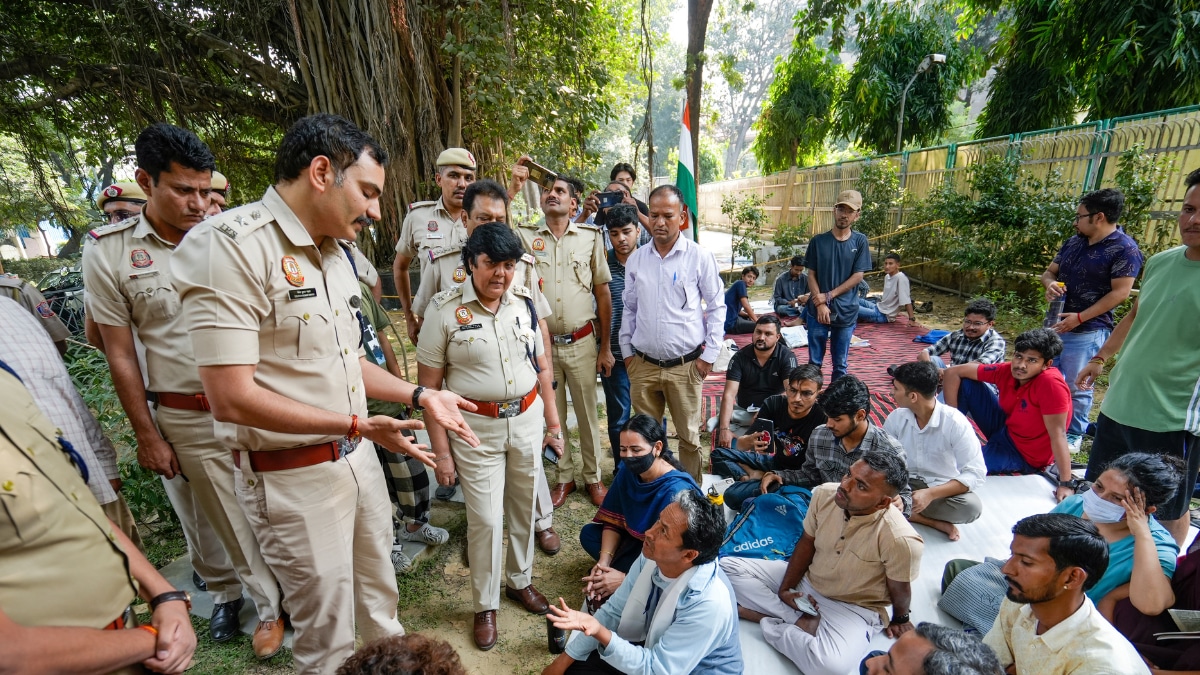
    Climate activist Sonam Wangchuk has been leading an indefinite hunger strike in Delhi since October 6th, demanding the inclusion of Ladakh in the Sixth Schedule of the Constitution. This demand has sparked controversy and protests, leading to the detention of several of his supporters by the Delhi Police. This action has ignited further concerns about the limits of freedom of assembly in India, with Wangchuk himself questioning the permanent enforcement of Section 163 of the BNSS in Delhi.

    The Demand for Sixth Schedule Inclusion

    The Leh Apex Body and the Kargil Democratic Alliance have been advocating for Ladakh’s inclusion in the Sixth Schedule for the past four years. Their demand stems from a desire to protect the unique cultural identity and autonomy of the region. The Sixth Schedule provides special administrative provisions for tribal areas in the Northeast, granting autonomous councils significant power in governance.

    Benefits of Sixth Schedule Inclusion:

    • Preservation of Culture: The Sixth Schedule would offer safeguards for Ladakh’s distinct cultural identity, including language, traditions, and indigenous rights.
    • Economic Autonomy: The Sixth Schedule empowers local councils to manage natural resources, potentially leading to greater economic development and benefits for the local population.
    • Political Representation: The framework allows for a more direct form of political representation for Ladakhis, ensuring their concerns are addressed effectively.
    • Resource Management: The Schedule allows for more efficient and localized resource management, ensuring sustainable development and environmental protection.

    The Activist’s Hunger Strike and Detention

    Sonam Wangchuk, a renowned climate activist, has taken a bold stand by launching a hunger strike in Delhi to garner attention for Ladakh’s inclusion in the Sixth Schedule. His peaceful protest has resulted in a tense stand-off with authorities, leading to the detention of several of his supporters.

    The Detainees:

    • Supporters of Wangchuk’s cause were detained from outside the Ladakh Bhawan in Delhi, where Wangchuk is staging his hunger strike.
    • Section 163 of the BNSS: This provision, which prohibits unauthorized gatherings, was cited as the justification for the detentions.
    • Freedom of Assembly Concerns: Wangchuk’s criticism of the permanent enforcement of Section 163 highlights the growing concerns about the shrinking space for peaceful dissent in India.
    • Protesters’ Demands: The detainees were advocating for Ladakh’s inclusion in the Sixth Schedule and demanding a meeting with top officials, including Prime Minister Narendra Modi.

    Legal Implications and Concerns

    The Delhi Police’s actions in detaining protesters, including Wangchuk’s supporters, have raised serious concerns about the government’s approach to dissent. The permanent enforcement of Section 163 in New Delhi has been met with criticism, questioning whether the government is curtailing fundamental rights.

    Criticisms of Section 163:

    • Restriction on Freedom of Assembly: The application of Section 163 in Delhi raises questions about whether the government is employing it as a tool to stifle peaceful protest.
    • Unjust and Discriminatory: Some argue that the blanket application of this section, without a clear threat to law and order, can be seen as unjust and discriminatory.
    • Transparency and Due Process: Concerns remain regarding the clarity and fairness of the application of this section, particularly when peaceful protests are being targeted.

    Sixth Schedule: A Potential Solution or Further Divisions?

    The demand for Ladakh’s inclusion in the Sixth Schedule presents both opportunities and challenges. While supporters envision it as a solution for protecting the region’s culture and autonomy, critics argue it could further divide the country.

    Arguments for Inclusion:

    • Preserves Cultural Identity: Inclusion would recognize the unique culture and heritage of Ladakh and protect its identity within India.
    • Promotes Autonomy: The framework empowers local populations to manage their resources and governance, promoting self-reliance and development.
    • Empowers Indigenous Rights: It offers a mechanism for the protection of indigenous rights, including language and cultural practices.

    Arguments Against Inclusion:

    • Divisions and Segregation: Inclusion could further fragment the country by granting special privileges to specific regions.
    • Unnecessary Complexity: The already complex structure of India’s political landscape could be made even more intricate.
    • Funding and Resource Allocation: Inclusion might create tensions over resource allocation, favoring specific regions.

    Take Away Points:

    • The demand for Ladakh’s inclusion in the Sixth Schedule has ignited a debate over the best approach to protecting cultural identity and promoting regional autonomy in India.
    • The peaceful protests by Wangchuk and his supporters have highlighted the importance of respecting the right to dissent and peaceful assembly.
    • The use of Section 163 of the BNSS raises serious concerns about the government’s approach to peaceful protests and the protection of fundamental rights.
    • The discussion around Ladakh’s inclusion in the Sixth Schedule requires careful consideration of the potential benefits and drawbacks, ensuring a balanced and equitable approach to address the concerns of all stakeholders.
  • रेलवे सुरक्षा: एक ज्वलंत मुद्दा

    रेलवे सुरक्षा: एक ज्वलंत मुद्दा

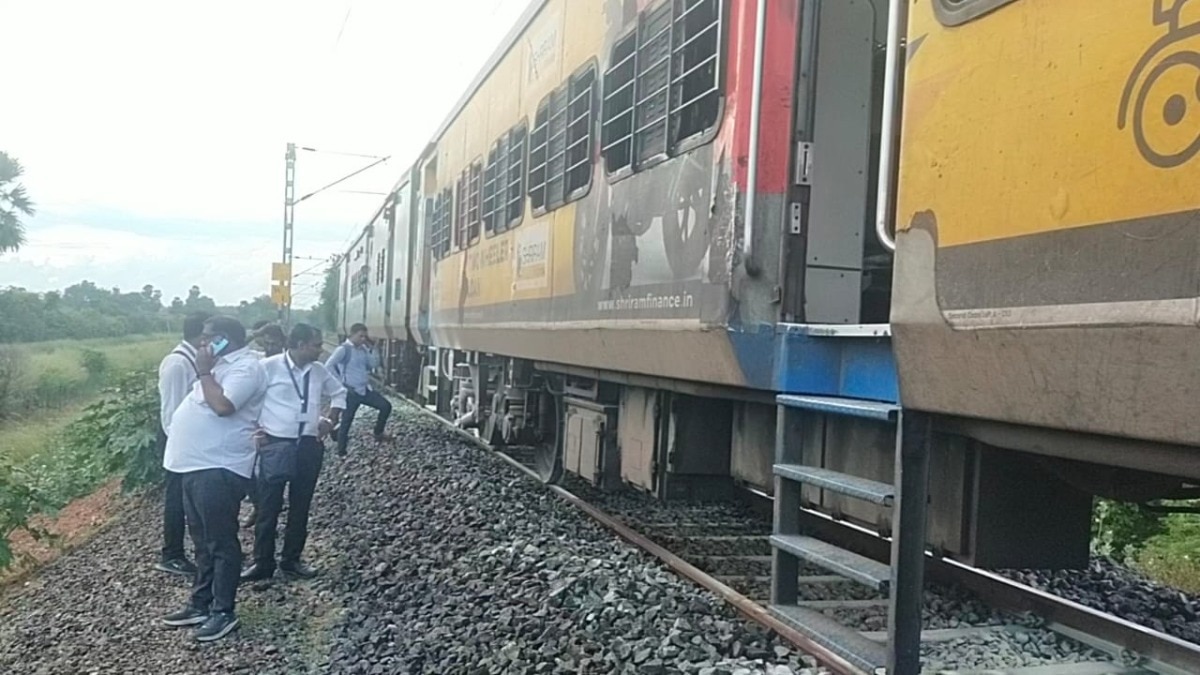
    छतरपुर में ट्रेन में धुआं निकलने की घटना एक डरावनी घटना थी, जिसने यात्रियों को सहम दिया। हालांकि, भाग्यवश, कोई भी घायल नहीं हुआ और ट्रेन में लगी आग भी बुझ गई। यह घटना एक बार फिर से देश में रेलवे सुरक्षा के महत्व पर प्रकाश डालती है।

    रेलवे सुरक्षा का अभाव: एक चिंता का विषय

    भारतीय रेलवे दुनिया की सबसे बड़ी रेलवे प्रणालियों में से एक है, लेकिन हाल के वर्षों में कई दुर्घटनाओं और घटनाओं के कारण रेलवे सुरक्षा एक बड़ी चिंता का विषय बन गई है। इन घटनाओं में कई कारण शामिल हैं, जिनमें से कुछ प्रमुख कारण हैं:

    1. पुराना ढांचा:

    रेलवे नेटवर्क के अधिकांश हिस्से में पुराने इंफ्रास्ट्रक्चर हैं, जो खराब रखरखाव के कारण समय के साथ कमजोर हो रहे हैं। ट्रेन पटरियों, पुलों और सिग्नलिंग सिस्टम जैसे इंफ्रास्ट्रक्चर के नियमित रूप से अपग्रेड होने की आवश्यकता होती है, जो सुरक्षित यात्रा के लिए महत्वपूर्ण है।

    2. मानव त्रुटि:

    मानव त्रुटि कई दुर्घटनाओं के लिए जिम्मेदार है। चालक की लापरवाही, सिग्नल की अनदेखी, या रखरखाव कर्मचारियों की बदनीयती जैसे कारणों से कई दुर्घटनाएं हो चुकी हैं।

    3. रखरखाव की कमी:

    रेलवे की बढ़ती व्यस्तता के कारण, रेलवे इंफ्रास्ट्रक्चर और उपकरणों का रखरखाव कम हो गया है। नियमित रूप से ट्रेनों का निरीक्षण और मरम्मत करने के लिए पर्याप्त श्रोतों की कमी है, जो समस्याओं को जन्म दे सकता है और दुर्घटनाओं को बढ़ावा दे सकता है।

    4. गड़बड़ सिग्नलिंग सिस्टम:

    सिग्नलिंग सिस्टम का कमजोर होना भी रेलवे सुरक्षा के लिए खतरा है। पुराना और कमजोर सिग्नलिंग सिस्टम ट्रेनों के आवगमन को नियंत्रित करने में अक्षम हो सकता है, जो टकराव को बढ़ावा दे सकता है।

    रेलवे सुरक्षा में सुधार के उपाय

    भारतीय रेलवे को सुरक्षित और भरोसेमंद यात्रा सुनिश्चित करने के लिए रेलवे सुरक्षा में सुधार के लिए कुछ कदम उठाने की जरूरत है:

    1. इंफ्रास्ट्रक्चर का नवीनीकरण:

    रेलवे को अपने पुराने इंफ्रास्ट्रक्चर का आधुनिकीकरण करने की जरूरत है, ताकि सुरक्षा बढ़ सके। इसमें ट्रेन पटरियों, पुलों और सिग्नलिंग सिस्टम को नवीनीकरण शामिल है। यह बढ़ावा रेलवे सुरक्षा को मजबूत करेगा और दुर्घटनाओं को रोकने में मदद करेगा।

    2. कर्मचारियों की प्रशिक्षण:

    चालकों और रखरखाव कर्मचारियों को नियमित तौर पर सुरक्षा प्रक्रियाओं और प्रौद्योगिकियों के बारे में प्रशिक्षित करने की आवश्यकता है। इससे मानव त्रुटि से उत्पन्न होने वाली दुर्घटनाओं की संभावना कम होगी।

    3. अत्याधुनिक तकनीक का इस्तेमाल:

    रेलवे को अपनी सुरक्षा प्रणालियों को मजबूत करने के लिए अत्याधुनिक तकनीक का इस्तेमाल करना चाहिए। इसमें जीपीएस ट्रैकिंग सिस्टम, ऑटोमैटिक ट्रेन प्रोटेक्शन सिस्टम और कैमरे जैसे तकनीकी उपकरणों का उपयोग शामिल है। ये उपकरण ट्रेनों के आवगमन को नियंत्रित करने और दुर्घटनाओं को रोकने में मदद करेंगे।

    4. यात्रियों की सुरक्षा पर ध्यान:

    रेलवे को यात्रियों की सुरक्षा पर ध्यान देना चाहिए और यात्रियों को रेलवे सुरक्षा के बारे में जागरूक करना चाहिए। यात्रियों को सुरक्षा नियमों के बारे में सूचित करना और अपने सुरक्षा के लिए जरूरी सावधानियां बरतने के लिए प्रोत्साहित करना जरूरी है।

    टेक अवे पॉइंट्स

    • रेलवे सुरक्षा में सुधार के लिए रेलवे इंफ्रास्ट्रक्चर को आधुनिकीकरण करने, कर्मचारियों को प्रशिक्षित करने और अत्याधुनिक तकनीक का इस्तेमाल करने की जरूरत है।
    • यात्रियों की सुरक्षा पर ध्यान देना चाहिए और यात्रियों को सुरक्षा नियमों के बारे में जागरूक करना चाहिए।
    • रेलवे सुरक्षा एक जिम्मेदारी है, जिसमें रेलवे प्रशासन, कर्मचारी और यात्री सभी की भागीदारी जरूरी है।
  • Aam Aadmi Party’s Entry into Jammu & Kashmir: A New Era of Politics?

    Aam Aadmi Party’s Entry into Jammu & Kashmir: A New Era of Politics?

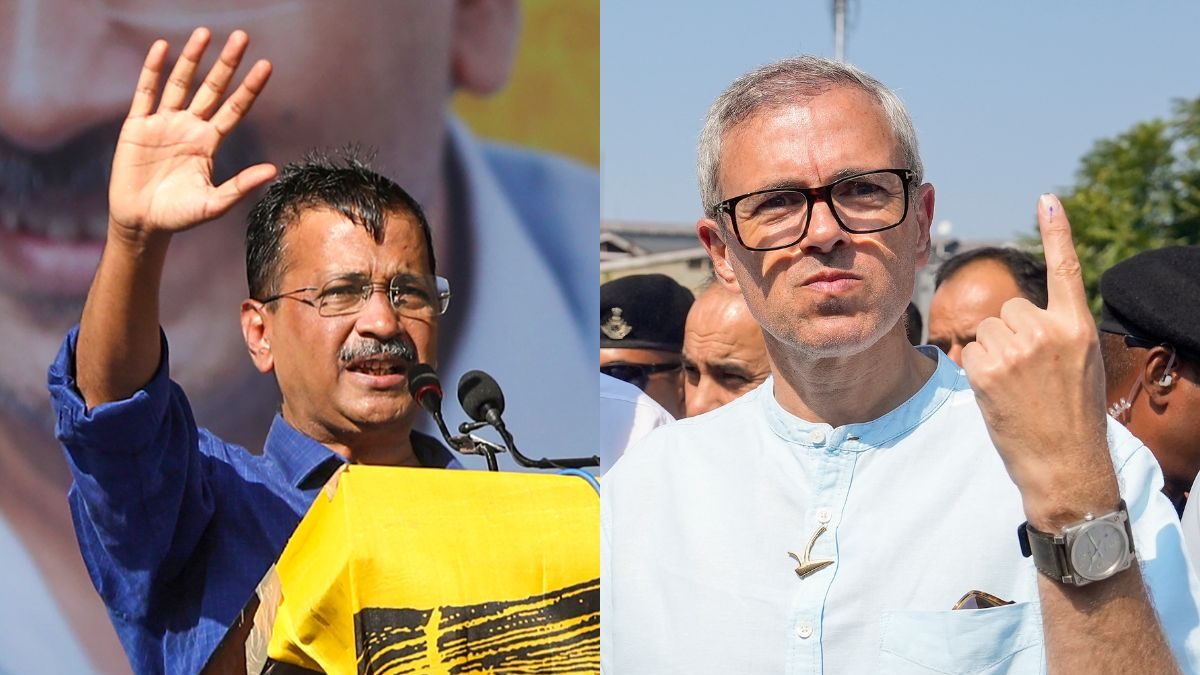
    Arvind Kejriwal, the national convenor of the Aam Aadmi Party (AAP), extended his congratulations to Omar Abdullah, the vice president of the National Conference, on his victory in the recent assembly elections in Jammu and Kashmir. He expressed his party’s full support for the new government and its commitment to working alongside it to achieve development for the region. Kejriwal’s message of support carries significant weight in the context of the political landscape in Jammu and Kashmir, reflecting a shift in the dynamics of the state’s governance.

    A New Era of Collaboration: AAP’s Support for Omar Abdullah’s Government

    Kejriwal’s statement of support highlights a significant development in the political landscape of Jammu and Kashmir. While the AAP’s sole representative in the assembly, Mehraj Malik, secured his win from Doda, the party’s formal backing of the Omar Abdullah-led government marks a shift towards cooperation. This collaboration is expected to contribute to a smoother functioning of the government and ensure the implementation of development projects, particularly in light of the unique challenges faced by the region.

    The Impact of Limited Powers and AAP’s Experience in Delhi

    Kejriwal’s reference to Jammu and Kashmir as a “half-state” with limited powers echoes the concerns raised about the diluted authority of the elected government and the increased role of the Lieutenant Governor. Drawing a parallel with Delhi, where the AAP faced similar challenges, he offered his support and experience in navigating the complexities of governance within such a system. He encouraged Omar Abdullah to reach out for guidance if faced with difficulties in administering the state. This offer reflects the AAP’s willingness to share its knowledge and experience to foster effective governance in Jammu and Kashmir.

    A Shared Vision for Development: AAP’s Commitment to Improving the Lives of the People

    Kejriwal emphasized the AAP’s focus on development as the cornerstone of its commitment to Jammu and Kashmir. He explicitly stated that the party’s primary goal is not simply gaining political positions but fundamentally improving the lives of the people. By advocating for crucial development initiatives in education, healthcare, and infrastructure, the AAP aims to create tangible positive change for the residents of Jammu and Kashmir. This message underscores the AAP’s genuine interest in the well-being of the people, not merely power.

    Mehraj Malik: A Symbol of Change and the AAP’s Entry into Jammu and Kashmir

    Mehraj Malik’s victory in the Doda assembly segment marks a significant milestone for the AAP. His win not only establishes the party’s presence in Jammu and Kashmir but also signifies the growing influence of the AAP’s political ideology beyond Delhi. By securing the first seat in the state, Mehraj Malik becomes the first member of the AAP’s legislative assembly, representing a potential avenue for expanding its influence in the region.

    From the Local Level to a Broader Impact: Malik’s Potential Role in the State

    Kejriwal’s hope that Mehraj Malik will be given responsibilities beyond his constituency suggests an aspiration to leverage his expertise and contribution towards broader initiatives. This expectation implies a broader role for the AAP in the government’s operations, potentially bridging the gap between the regional and state-level governance and advocating for Doda’s specific needs. This strategic approach showcases the party’s ambition to actively participate in shaping the future of Jammu and Kashmir.

    A Different Kind of Politics: AAP’s Approach to Empowering the People

    Kejriwal’s call for “a different kind of politics” underscores the AAP’s vision to shift the political landscape beyond traditional methods. The party’s commitment to improving public services, particularly in education, healthcare, and electricity, reflects its approach to empowering citizens through concrete initiatives. The AAP’s promise of progress through concrete actions resonates with its efforts to address the needs and concerns of ordinary people.

    Looking Ahead: The AAP’s Influence in Shaping the Future of Jammu and Kashmir

    The AAP’s entry into the Jammu and Kashmir political scene holds potential for reshaping the state’s future. Their approach to governance, focused on transparency, citizen empowerment, and effective service delivery, has the potential to impact how development is planned and implemented. With their stated commitment to supporting Omar Abdullah’s government, the AAP’s influence might translate into positive changes for the people of Jammu and Kashmir.

    Beyond the Election: Building a Foundation for Change

    The AAP’s participation in Jammu and Kashmir’s political scene presents an opportunity to introduce a new dynamic. Their focus on development, service delivery, and citizen-centric governance presents a contrast to established political systems. By advocating for the needs of the people, promoting transparent governance, and collaborating with other parties, the AAP can play a crucial role in shaping the future of the state, pushing for positive change, and building a brighter future for Jammu and Kashmir.

    Takeaway Points:

    • The AAP has pledged to support Omar Abdullah’s government in Jammu and Kashmir.
    • This move signals a shift in the dynamics of governance in the state, potentially leading to more collaboration and a more united approach to development.
    • Kejriwal’s reference to Jammu and Kashmir as a “half-state” echoes concerns about the reduced power of the elected government compared to the Lieutenant Governor.
    • The AAP’s commitment to improving education, healthcare, and infrastructure in Jammu and Kashmir reflects a focus on empowering citizens through concrete actions and development initiatives.
    • The AAP’s entry into the Jammu and Kashmir political scene presents an opportunity to introduce a new dynamic, with a focus on transparent and efficient governance.
    • The party’s focus on citizen empowerment, effective service delivery, and development initiatives hold potential for positive changes in the region, impacting how development is planned and implemented.
  • Seeking Transnational Justice: Allahabad High Court Orders CBI Probe in US Death

    Seeking Transnational Justice: Allahabad High Court Orders CBI Probe in US Death

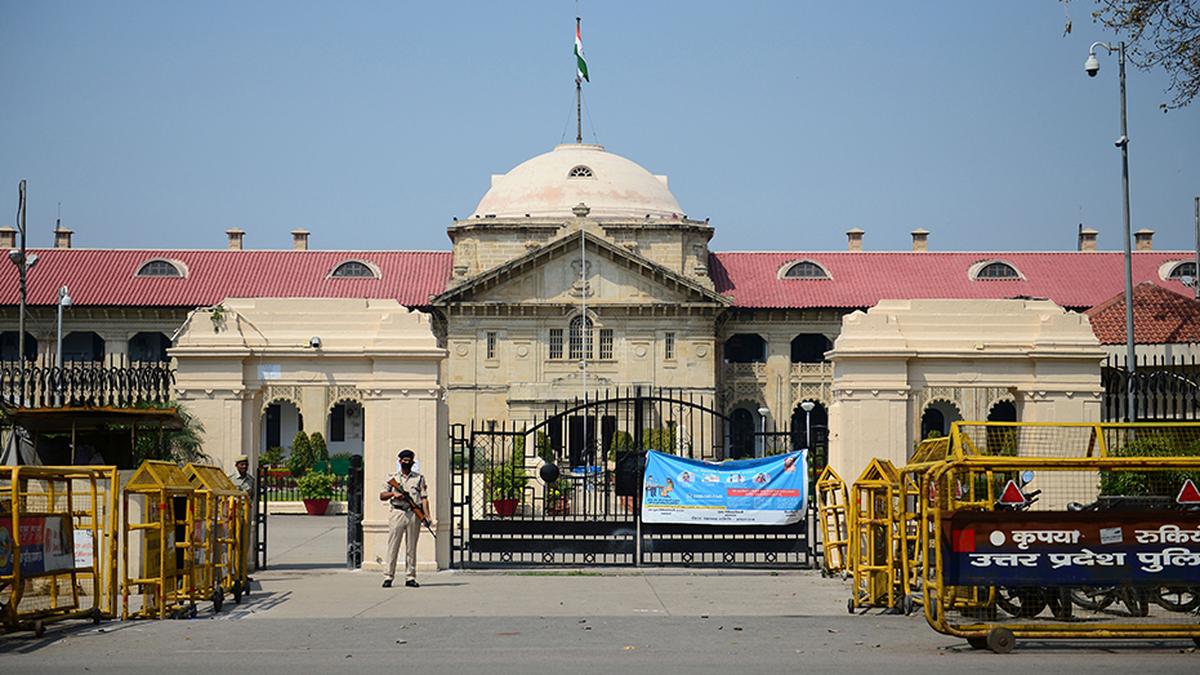
    The Allahabad High Court’s directive to the CBI and the Ministry of Home Affairs to investigate the death of an Indian woman in the United States highlights a crucial aspect of international justice and the responsibility of the Indian government in protecting its citizens abroad. This case, stemming from allegations of dowry death and suspicious circumstances surrounding the deceased’s demise in Seattle, necessitates a thorough investigation to ensure justice is served and the rights of the victim’s family are upheld.

    The case hinges on the complexities of legal jurisdiction when a death occurs in a foreign country. While India’s Code of Criminal Procedure (CrPC) empowers the CBI to investigate offenses committed outside India under Section 188, the practical implementation of this provision can be riddled with bureaucratic hurdles. The court’s sharp criticism of the CBI and the Department of Personnel and Training (DoPT) for shirking their responsibilities underscores the need for greater accountability in such cross-border cases. The delay and bureaucratic red tape experienced by the victim’s mother reflect a broader issue of navigating legal procedures across national borders, especially when dealing with sensitive issues like alleged dowry deaths.

    The Crucial Role of the CBI

    The CBI, as the premier investigative agency in India, plays a pivotal role in ensuring justice for Indian citizens involved in incidents abroad. The agency’s mandate extends beyond national borders, making it responsible for conducting investigations when Indian nationals are involved in crimes or suspicious deaths in foreign countries. The Allahabad High Court’s directive to the CBI is significant because it places the agency’s responsibility for investigating this case squarely on its shoulders. The court’s decision emphasizes the need for the CBI to proactively address cross-border cases, especially those involving serious allegations like dowry death.

    Challenges and Concerns

    The challenges in conducting cross-border investigations are multifaceted. They involve navigating legal frameworks in both countries, obtaining evidence, ensuring proper communication between authorities, and potentially dealing with language barriers and cultural differences. Additionally, ensuring the cooperation of the authorities in the foreign country is paramount. In this particular case, the allegations of dowry death further complicate the investigation, demanding a comprehensive examination of the circumstances leading to the woman’s death and a thorough assessment of the potential involvement of her husband.

    Addressing the Concerns of Dowry Death

    Dowry deaths remain a grave societal problem in India, and the allegations of dowry-related abuse in this case require a focused and sensitive approach. The case highlights the tragic reality that even in foreign countries, women from India may face the dangers of dowry-related violence and the pervasive patriarchal practices that often accompany such crimes. The investigation needs to delve into the history of the victim’s marriage, the circumstances of her life in the United States, and potential financial pressures or disputes related to dowry that might have contributed to her death.

    Implications for Protecting Indian Women Abroad

    The case underscores the need for strong legal mechanisms to protect Indian women abroad, particularly in cases involving dowry deaths or other forms of domestic violence. India’s diplomatic missions and consulates in other countries need to be adequately equipped and empowered to offer effective assistance and support to Indian citizens facing such situations. They should play an active role in advocating for the victim’s family, facilitating communication with local authorities, and ensuring that investigations into dowry death cases are conducted promptly and thoroughly.

    The Importance of Transnational Justice

    The Allahabad High Court’s decision to involve the CBI in this case signifies the significance of transnational justice in addressing international crimes. The court’s stance recognizes the responsibility of the Indian government to protect its citizens abroad and to hold perpetrators accountable, regardless of geographical location. The case sets an important precedent by establishing the judiciary’s willingness to actively intervene in matters of cross-border justice, especially when they involve vulnerable populations and grave allegations of human rights violations.

    Lessons Learned

    The case presents valuable lessons for strengthening legal frameworks and investigative procedures for dealing with crimes committed against Indian citizens abroad. These lessons encompass:

    • Empowering the CBI: The agency needs greater resources, streamlined procedures, and robust communication channels to effectively handle cross-border investigations, ensuring that it is adequately equipped to deal with complex international cases.
    • Enhanced International Cooperation: Strong bilateral agreements and collaborations between India and other nations are essential to facilitate seamless information exchange, joint investigations, and swift actions in cases involving Indian nationals.
    • Awareness and Outreach: Initiatives are needed to raise awareness among Indian citizens abroad regarding their legal rights and the mechanisms available to them when encountering problems or facing criminal situations in host countries.
    • Investing in Resources: Increased budgetary allocation for law enforcement, international collaborations, and victim support services is crucial to bolster the government’s capacity to protect its citizens abroad and respond effectively to situations like the one in the Allahabad High Court case.

    Take Away Points

    The Allahabad High Court’s decision to order a CBI investigation into the death of an Indian woman in the United States underscores the complex challenges of navigating legal frameworks across borders and the responsibility of the Indian government to ensure the safety and justice for its citizens abroad.

    • The case emphasizes the need for stronger legal mechanisms to protect Indian women from dowry-related violence and other forms of abuse, even in foreign countries.
    • It highlights the importance of enhanced cooperation between Indian authorities and foreign counterparts to facilitate investigations and ensure swift action in such cases.
    • This case calls for improved communication, increased resources, and enhanced training for Indian authorities involved in handling cross-border investigations, especially in cases involving sensitive matters like dowry death.
    • By raising awareness about these issues, promoting collaboration between nations, and strengthening legal frameworks, the Indian government can effectively address transnational crimes and protect its citizens in a globalized world.
  • पेट्रोल उधार मांगना पड़ा महंगा: दुकानदार को गोली मारी

    पेट्रोल उधार मांगना पड़ा महंगा: दुकानदार को गोली मारी

    बिहार के मुजफ्फरपुर में पेट्रोल उधार देने से इनकार पर एक पान दुकानदार को गोली मारने की घटना ने लोगों में दहशत पैदा कर दी है। यह घटना मीनापुर थाना क्षेत्र के गंगती गांव में हुई, जहां 25 वर्षीय छोटू कुमार नामक एक पान दुकानदार को तीन अज्ञात बाइक सवारों ने गोली मार दी।

    पेट्रोल के लिए हुई थी झड़प

    यह घटना उस समय हुई जब तीन बाइक सवार सुबह छोटू कुमार की पान की दुकान पर पहुंचे और पेट्रोल उधार मांगा। छोटू पान की दुकान के साथ-साथ पेट्रोल भी बेचता था, लेकिन उसने उन्हें पेट्रोल उधार देने से मना कर दिया। इस पर बाइक सवारों ने उस पर गोली चला दी, जिससे वह गंभीर रूप से घायल हो गया।

    घटनास्थल पर लोगों में दहशत

    छोटू कुमार को तुरंत नजदीकी अस्पताल ले जाया गया, जहां डॉक्टरों ने उसकी हालत को गंभीर बताया। इस घटना ने आस-पास के क्षेत्र में दहशत फैला दी और स्थानीय लोग घायल पान दुकानदार और उसके परिवार के लिए चिंतित हो गए।

    पुलिस ने शुरू की जाँच

    घटना के बाद मीनापुर थाना प्रभारी संतोष राजक ने मामले की गंभीरता से जाँच शुरू कर दी। पुलिस टीम ने घटनास्थल पर लगे सीसीटीवी कैमरों की फुटेज खंगालना शुरू कर दिया है, ताकि आरोपियों की पहचान की जा सके। पुलिस ने आरोपियों की गिरफ्तारी के लिए छापेमारी भी शुरू कर दी है।

    स्थानीय लोगों में सुरक्षा की चिंता

    मुजफ्फरपुर में इस तरह की वारदात से स्थानीय लोगों में दहशत का माहौल पैदा हो गया है। लोगों को अपनी सुरक्षा को लेकर चिंता सता रही है। पुलिस ने स्थानीय क्षेत्र में सुरक्षा व्यवस्था को और कड़ा कर दिया है, लेकिन घटना के बाद भी लोगों में डर का माहौल है।

    पेट्रोल उधार मांगने का बढ़ता प्रचलन

    यह घटना पेट्रोल उधार मांगने के प्रचलन पर भी प्रश्नचिन्ह लगाती है। कई जगहों पर पेट्रोल पंप और दुकानों पर पेट्रोल उधार मांगना आम बात होती जा रही है। यह घटना बताती है कि ऐसे मामले कई बार खतरनाक हो सकते हैं, जिससे व्यक्ति को जान का नुकसान तक हो सकता है।

    टेक अवे पॉइंट्स

    • पेट्रोल उधार देने से मना करने पर पान दुकानदार को गोली मार दी गई।
    • यह घटना मीनापुर थाना क्षेत्र के गंगती गांव में हुई।
    • पुलिस ने घटनास्थल पर लगे सीसीटीवी कैमरों की फुटेज खंगालना शुरू कर दिया है और आरोपियों की तलाश कर रही है।
    • घटना के बाद स्थानीय लोगों में दहशत फैल गई है और पुलिस ने इलाके में सुरक्षा व्यवस्था कड़ी कर दी है।
    • यह घटना पेट्रोल उधार मांगने के प्रचलन पर भी प्रश्नचिन्ह लगाती है, जो कभी-कभी खतरनाक परिणाम भी ला सकता है।
  • Mumbai Shocked: Investigation Deepens into Baba Siddique Assassination

    Mumbai Shocked: Investigation Deepens into Baba Siddique Assassination

    The tragic shooting of former Maharashtra minister Baba Siddique in Mumbai has sent shockwaves throughout the state and sparked a massive investigation into the motives and connections behind the crime. Two individuals, Gurmail Baljit Singh and an unnamed Uttar Pradesh native, have been arrested and are facing charges of murder. The investigation, currently being conducted by the Mumbai Crime Branch, is focused on uncovering the truth behind the assassination and determining whether any international links, political rivalries, or other underlying factors played a role in Siddique’s death.

    Remand and Juvenile Status Determination

    The first key development in the case is the remand of Gurmail Baljit Singh, the 23-year-old suspect, to police custody until October 21. This decision, made by the court, allows authorities to continue their investigations and gather crucial evidence. However, the case of the second accused, who claims to be a minor, remains under scrutiny. The court has ordered a bone ossification test to definitively determine his age. The results of this test will determine whether he faces prosecution in juvenile court or the regular legal system.

    Significance of Bone Ossification Test

    This test is crucial in determining the legal proceedings against the minor suspect. If he is found to be over 18, he will be tried in a regular court alongside the other accused. However, if the test indicates he is a minor, his case will be handled by a juvenile court. This differentiation is critical because juvenile court proceedings and potential penalties differ significantly from those in the adult court system.

    Investigation into Motives and Connections

    The prosecution, seeking a 14-day remand for both accused, argues that a thorough investigation is necessary to determine the true motives behind the assassination. The prosecutor highlights that Siddique was not an ordinary citizen; he was a former minister with a high-profile background. The ease with which the assailants carried out the attack, despite security, suggests a pre-planned operation and a degree of planning and coordination.

    Key Areas of Inquiry

    The investigation is focusing on a number of key areas:

    • International Link: The possibility of international involvement is being explored to uncover any potential foreign influence or connections related to the assassination. This could involve looking into whether any foreign nationals were involved in the planning, execution, or financial support of the crime.
    • Political Rivalries: The prosecutor has specifically mentioned exploring the role of political rivalries in the murder. The investigators will be examining Siddique’s political career, his recent affiliations with the Nationalist Congress Party (NCP), and any potential enemies he might have made during his political journey.
    • Personal Motives: While focusing on political motivations, the investigation must also explore any potential personal reasons for the assassination. This could involve examining Siddique’s business interests, his social circles, and any personal conflicts or disputes that might have contributed to the crime.
    • Organization and Execution: The investigation is focusing on how the crime was planned and executed. This includes identifying the individual members involved, the logistical support behind the assassination, and any potential coordination between individuals or groups.

    Defense Argument: False Implication

    The defense attorney, Sidharth Agarwal, acknowledges the tragedy of Siddique’s death but argues that his clients have been falsely implicated. He contends that while political rivalry could be a possible motive for the murder, his clients were not involved and are victims of mistaken identity or deliberate framing.

    Legal Strategy: Challenging the Evidence

    The defense strategy likely focuses on challenging the evidence presented by the prosecution and highlighting the lack of concrete proof linking the accused to the assassination. The defense might employ a number of tactics:

    • Alibis and Witnesses: The defense team will attempt to establish credible alibis for both accused during the time of the shooting. This could involve producing witnesses who can corroborate their claims of being elsewhere during the attack.
    • DNA and Forensic Evidence: The defense will likely examine any forensic evidence collected at the crime scene, specifically focusing on whether DNA evidence found at the scene definitively connects the accused to the attack.
    • Investigative Methods and Testimony: The defense might challenge the methods used during the investigation, highlighting potential flaws in the collection of evidence or suggesting undue pressure exerted on witnesses.

    Conclusion

    The investigation into Baba Siddique’s murder remains a high-priority case for Mumbai authorities. The evidence gathered, the testimonies secured, and the legal strategies employed by both the prosecution and defense will shape the course of the trial. Ultimately, the goal of the legal process is to uncover the truth behind this assassination, hold those responsible accountable, and bring a sense of justice to Siddique’s family and the community.

    Take Away Points:

    • The investigation is looking into the possibility of political motives, international connections, and personal conflicts as possible triggers for the assassination.
    • The court ordered a bone ossification test for the second accused, potentially altering his trial proceedings if he is determined to be a minor.
    • The prosecution seeks to connect the accused to the crime and uncover the network involved in planning and execution.
    • The defense emphasizes the innocence of its clients and alleges they are falsely implicated in the murder.
    • This case will have significant implications for Mumbai’s political scene, revealing potential vulnerabilities and highlighting the importance of security for prominent figures.