Blog

  • बूंदी में स्कूल में दुर्व्यवहार: प्रिंसिपल गिरफ्तार

    बूंदी में स्कूल में दुर्व्यवहार: प्रिंसिपल गिरफ्तार

    बूंदी जिले के एक सरकारी स्कूल के प्रिंसिपल को एक छात्रा के साथ कथित दुर्व्यवहार और अभद्र टिप्पणियों के आरोप में गिरफ्तार किया गया है। इस घटना ने पूरे जिले में भारी हंगामा मचा दिया है, जिससे बच्चों की सुरक्षा और शैक्षिक संस्थानों में व्याप्त अनैतिक व्यवहार के मुद्दे सामने आए हैं।

    दुर्व्यवहार की घटना:

    सोमवार को स्कूल में खेल आयोजन के दौरान प्रिंसिपल श्योजी लाल मीणा ने 12वीं कक्षा की एक छात्रा के साथ दुर्व्यवहार और भद्दी टिप्पणियां कीं। यह घटना बच्चों के मानसिक स्वास्थ्य और शैक्षिक वातावरण पर नकारात्मक प्रभाव डालने वाली घटना है, और इस घटना को गंभीरता से लेना ज़रूरी है।

    छात्रा का आरोप:

    पीड़िता का आरोप है कि प्रिंसिपल ने स्कूल के खेल कार्यक्रम में उनके साथ अशिष्ट व्यवहार किया और बार-बार भद्दी टिप्पणियां कीं। ये आरोप गंभीर हैं, और यह घटना स्कूलों में लिंग भेदभाव और छात्रों के साथ अनुचित व्यवहार की गंभीर समस्या को प्रकाश डालती है।

    प्रिंसिपल के खिलाफ कार्रवाई:

    छात्रा के आरोपों के बाद स्थानीय लोग स्कूल में इकट्ठा हुए और प्रिंसिपल को एक कमरे में बंदी बना लिया। उनकी भीड़ ने प्रिंसिपल को पीटा, जिसके बाद पुलिस ने हस्तक्षेप किया और प्रिंसिपल को हिरासत में ले लिया। यह घटना से यह स्पष्ट है कि इस मामले को गंभीरता से लेना कितना ज़रूरी है।

    पुलिस जाँच:

    पुलिस ने प्रिंसिपल के खिलाफ भारतीय दंड संहिता और POCSO अधिनियम की धाराओं के तहत मामला दर्ज किया है। पुलिस मामले की जांच कर रही है, और दोषी पाए जाने पर प्रिंसिपल को कड़ी सजा दिया जाना चाहिए।

    शिक्षा विभाग की जाँच:

    जिला शिक्षा अधिकारी राजेंद्र व्यास ने मामले की विभागीय जांच शुरू करने की घोषणा की है। यह मामला न केवल पुलिस को जांच करना चाहिए, बल्कि शिक्षा विभाग को भी यह सुनिश्चित करना चाहिए कि स्कूल में छात्रों के सुरक्षा के लिए सही व्यवस्था है।

    स्कूलों में सुरक्षा:

    यह घटना स्कूलों में बच्चों की सुरक्षा के बारे में चिंताएं उठाती है। स्कूलों को यह सुनिश्चित करना चाहिए कि छात्र सुरक्षित और सुरक्षित वातावरण में शिक्षा प्राप्त कर सकें। लड़कियों की सुरक्षा और अनैतिक व्यवहार से बचाने के लिए स्कूलों में उचित व्यवस्था होनी चाहिए।

    समाधान:

    इस घटना से समाज को यह सीखना चाहिए कि लड़कियों की सुरक्षा एक गंभीर मुद्दा है। समाज और शिक्षा प्रणाली को यह सुनिश्चित करना चाहिए कि लड़कियां अपनी शिक्षा प्राप्त करने के लिए सुरक्षित वातावरण में रहें। स्कूलों में छात्रों के मनोबल बढ़ाने और अनैतिक व्यवहार के खिलाफ आवाज उठाने के लिए जागरूकता कार्यक्रम चलाना चाहिए।

    Take Away Points:

    • स्कूलों में छात्रों की सुरक्षा सुनिश्चित करने के लिए कड़ी कदम उठाना चाहिए।
    • इस मामले की पूरी जांच होनी चाहिए और दोषी व्यक्ति को कड़ी सजा दी जानी चाहिए।
    • लड़कियों को अपने अधिकारों और सुरक्षा के बारे में जागरूक होना चाहिए, और उन्हें अपनी आवाज उठाने के लिए प्रोत्साहित किया जाना चाहिए।
    • शिक्षकों और स्कूल प्रबंधन को बच्चों के साथ अनैतिक व्यवहार न करने की ज़िम्मेदारी है।
    • समाज को लिंग भेदभाव के खिलाफ लड़ना चाहिए और छात्रों को सुरक्षित वातावरण प्रदान करना चाहिए।
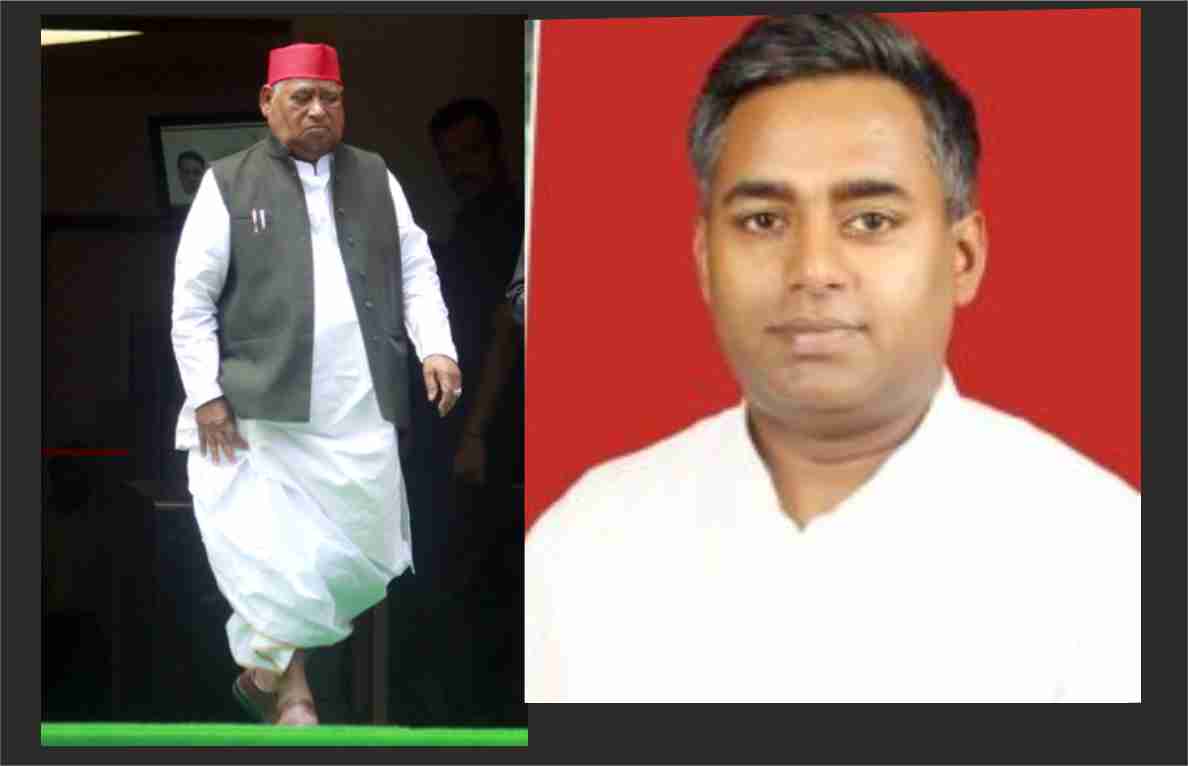
  • सपा सांसद Avdhesh Prasad के बेटे Ajit Prasad पर अपहरण और मारपीट का मामला दर्ज

    सपा सांसद Avdhesh Prasad के बेटे Ajit Prasad पर अपहरण और मारपीट का मामला दर्ज

    अयोध्या । हाल ही में भारतीय राजनीति में एक नई विवादास्पद घटना सामने आई है, जिसमें सांसद Avdhesh Prasad के बेटे Ajit Prasad के खिलाफ अपहरण और मारपीट का मामला दर्ज किया गया है। यह मामला उस समय चर्चा का विषय बना, जब स्थानीय पुलिस द्वारा इसकी जानकारी मीडिया में दी गई।

    पुलिस सूत्रों के अनुसार, सांसद के बेटे Ajit Prasad पर आरोप है कि उसने अपने कुछ साथियों के साथ मिलकर एक स्थानीय व्यवसायी रोहित तिवारी का अपहरण किया और उसके साथ मारपीट की। यह घटना एक व्यस्त बाजार में हुई, जहां व्यवसायी से पैसे की मांग की गई थी। पीड़ित ने मामले की शिकायत पुलिस थाने में दर्ज करवाई, जिसके बाद पुलिस ने तत्काल कार्रवाई करते हुए संबंधित धाराओं के तहत मामला दर्ज किया।

    रोहित ने अपनी तहरीर में बताया कि Ajit Prasad ने उन्हें तमंचा दिखाया और अपने साथियों के साथ गाड़ी में बुरी तरह पीटा। यह भी आरोप है कि उन्हें तहसील के पास गाड़ी रोककर एक लाख रुपये वापस लेने का वीडियो भी बनाया गया। इस घटना में Ajit Prasad के साथ राजू यादव, श्रीकांत राय और 10-15 अन्य अज्ञात व्यक्तियों का नाम शामिल है। पीड़ित रोहित तिवारी पूराकलंदर के पलिया रिसाली गांव का रहने वाला है।

    इस मामले ने सपा (समाजवादी पार्टी) की राजनीति में भी हलचल मचा दी है। सांसद अवधेश प्रसाद ने आरोपों का खंडन किया है और अपने बेटे को निर्दोष बताया है। उन्होंने कहा है कि यह राजनीतिक प्रतिशोध का परिणाम हो सकता है, और वे न्यायालय के प्रति पूर्ण विश्वास रखते हैं।

    इस घटना ने समाज में भी काफी चर्चा उत्पन्न की है। कई लोगों का मानना है कि सांसद के परिवार से जुड़े इस प्रकार के मामलों की जांच निष्पक्षता से होनी चाहिए, ताकि सच का खुलासा हो सके और अपराधियों को सजा मिल सके। आपको बता दें कि अवधेश प्रसाद 2024 लोकसभा चुनावों में समाजवादी पार्टी के टिकट पर जीतकर सांसद बने हैं. इससे पहले वह 2022 में मिल्कीपुर विधानसभा से विधायक बने थे. उनके सांसद बनने के बाद यह सीट रिक्त हो गई. सपा इस सीट से उनके बेटे को चुनाव मैदान में उतारने की तैयारी में है।

    बहरहाल, इस मामले ने यह स्पष्ट कर दिया है कि न्यायपालिका और कानून व्यवस्था को सभी के लिए समान रूप से लागू किया जाना चाहिए, चाहे आरोपी किसी भी राजनीतिक परिवार से क्यों न हो। समाज को इस प्रकार की घटनाअ

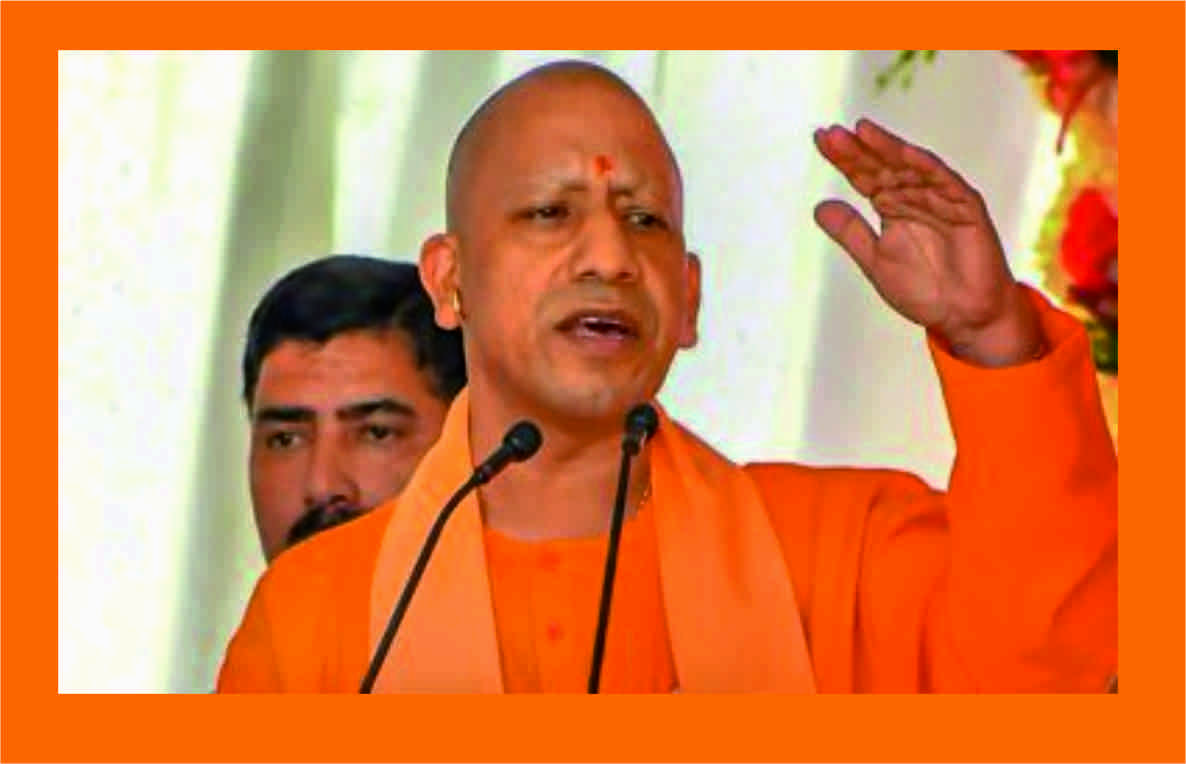
  • Congresss की सोच हानिकारक है अपना वोट कांग्रेस पर बर्बाद नहीं करें : Yogi Adityanath

    Congresss की सोच हानिकारक है अपना वोट कांग्रेस पर बर्बाद नहीं करें : Yogi Adityanath

    जींद। भारतीय राजनीति में जब भी चुनावों का मौसम आता है, तब विभिन्न राजनीतिक दलों के नेता अपने विचारों और नीतियों को जनता के सामने पेश करते हैं। इसी कड़ी में उत्तर प्रदेश के मुख्यमंत्री Yogi Adityanath ने हाल ही में हरियाणा के जिंद में एक टिप्पणी की, जिसमें उन्होंने कांग्रेस पार्टी को वोट देने को व्यर्थ बताया।

    रविवार को जींद में यूपी के मुख्यमंत्री Yogi Adityanath ने एक सभा को संबोधित करते हुए कहा कि कांग्रेस देश को सुरक्षा नहीं दे सकती, आतंकवाद- नक्सलवाद जैसी समस्याओं से नहीं लड़ सकती इसलिए ऐसी पार्टी को वोट देना व्यर्थ है। योगी, आगामी विधानसभा चुनावों में भारतीय जनता पार्टी (भाजपा) पार्टी के प्रचार के लिए यहां अनाज मंडी में आयोजित ‘विजय संकल्प रैली’ को संबोधित कर रहे थे।

    Yogi Adityanath का मानना है कि कांग्रेस पार्टी बीते सालों में जनता के उम्मीदों पर खरा नहीं उतर पाई है। उनके अनुसार, कांग्रेस ने न सिर्फ विकास के मुद्दे पर विफलता दिखाई है, बल्कि कई सामाजिक और आर्थिक मुद्दों पर भी उनकी नीति स्पष्ट नहीं रही है। ऐसे में वह जनता से आग्रह कर रहे हैं कि वे इस पार्टी को वोट देने से बचें और उस पार्टी का समर्थन करें, जो विकास और सुशासन की दिशा में ठोस कदम उठा रही है।

    कांग्रेस की स्थिति पर नजर डालें तो, पार्टी के नेतृत्व में कई परिवर्तन और विवाद हो चुके हैं, जिसने उसकी राजनीतिक छवि को प्रभावित किया है। विशेषकर युवा मतदाता जो कि डिजिटल युग में बढ़ते जा रहे हैं, कांग्रेस के पिछले कार्यकालों के दौरान किए गए वादों से संतुष्ट नहीं दिखते। उनका ध्यान अब उन दलों की ओर है जो नई सोच और विकास की दिशा में ठोस पहल करने का आश्वासन देते हैं।

    Yogi Adityanath ने यह भी कहा कि यदि मतदाता कांग्रेस को वोट देते हैं, तो इसका परिणाम केवल राजनीतिक अस्थिरता होगी। उनका तर्क है कि मजबूत और प्रभावी सरकार बनाने के लिए जरूरी है कि जनता उन विकल्पों का चयन करे, जिनका विकास कार्यों में ठोस अनुभव हो।

    यह सच है कि योगी आदित्यनाथ ने उत्तर प्रदेश में कई महत्वपूर्ण सुधारों के माध्यम से विकास की गति को तेज किया है। उनके नेतृत्व में उत्तर प्रदेश ने कई क्षेत्रों में न केवल स्थिरता प्राप्त की है, बल्कि कई विकासात्मक योजनाएँ भी शुरू की हैं। इससे कांग्रेस की तुलना में उनकी पार्टी, भाजपा, को एक मजबूत विकल्प के रूप में देखा जा रहा है।

    हालाँकि, यह ध्यान में रखना आवश्यक है कि भारतीय राजनीति में मतदाता की स्वायत्तता सबसे महत्वपूर्ण होती है। चुनावी प्रक्रिया में वोट देना केवल एक राजनीतिक निर्णय नहीं, बल्कि एक नागरिक का अधिकार है। इसलिए, मतदाताओं को चाहिए कि वे सभी राजनीतिक दलों की नीतियों और उनके इतिहास का गहन अध्ययन करें, ताकि पदवितउमक निर्णय ले सकें।

    योगी आदित्यनाथ का बयान निश्चित रूप से राजनीतिक चर्चाओं को जन्म देगा और यह देखना दिलचस्प होगा कि आने वाले चुनावों में इसका क्या असर होता है। चुनावी प्रक्रिया में अंततः जनता ही सर्वोपरि होती है, और उसके निर्णय से ही तय होता है कि कौन सी पार्टी सत्ता में आएगी।

  • तेलंगाना: बाल यौन शोषण का दर्द, न्याय की तलाश में आगजनी

    तेलंगाना: बाल यौन शोषण का दर्द, न्याय की तलाश में आगजनी

    तेलंगाना के गुरुवन्नपेटा गांव में एक भयावह घटना हुई जिसमें एक 7वीं कक्षा की नाबालिग के साथ बलात्कार हुआ। इस घटना ने गांव में तनाव पैदा कर दिया और पीड़ित परिवार द्वारा आरोपी के घर में आग लगाने की घटना हुई। यह घटना बाल यौन शोषण के खतरे, कानून की धीमी कार्रवाई और आक्रोशित लोगों द्वारा हिंसा के उपयोग का एक दिल दहला देने वाला उदाहरण है।

    बाल यौन शोषण की त्रासदी

    इस घटना ने बच्चों की भेद्यता और बलात्कार जैसे अपराधों से उनके खतरे पर प्रकाश डाला। 7वीं कक्षा की नाबालिग के साथ बलात्कार ने गांव के लोगों में गुस्सा और निराशा पैदा की, जिससे पीड़ित परिवार को न्याय के लिए अपने हाथों में कानून लेना पड़ा। यह घटना पूरे देश में बाल यौन शोषण के बढ़ते मामलों की ओर इशारा करती है, जो हमारी समाज की संरचना में गंभीर खामियों और कमजोर कानूनी प्रणाली का सबूत है।

    सामाजिक तंत्र का फेल होना

    एक नाबालिग बच्चे के साथ बलात्कार, उसके बाद आक्रोशित परिवार द्वारा घर में आग लगाना, ये दोनों घटनाएं समाज के अंदर कमजोर व्यवस्था को उजागर करते हैं। एक तरफ तो यौन शोषण रोकने और पीड़ितों को न्याय दिलाने में नाकामयाब कानून व्यवस्था और दूसरी तरफ खुद कानून को अपने हाथ में लेने के लिए मजबूर हुए लोगों का दर्द। यह स्थिति समाज के भीतर सुरक्षा की कमी और न्याय दिलाने में गंभीर त्रुटियों की तरफ इशारा करती है।

    पुलिस की कार्रवाई: एक प्रतिक्रियात्मक दृष्टिकोण

    जबकि घटना के बाद पुलिस मौके पर पहुंची और भारी सुरक्षा बल तैनात किया गया, पुलिस कार्रवाई को प्रतिक्रियात्मक और अपर्याप्त कहा जा सकता है। पुलिस ने इस घटना से पहले शायद ही इस गांव में कोई पहल की होगी, जिससे स्थानीय लोगों में सुरक्षा की कमी का भाव पैदा हुआ होगा। पुलिस की भूमिका बच्चों को यौन शोषण से बचाने और आरोपियों को समय पर पकड़ने की होनी चाहिए।

    कानून की अक्षमता: विश्वास का कम होना

    इस घटना के बाद, पीड़ित परिवार और स्थानीय लोगों ने आरोपी के खिलाफ कड़ी कार्रवाई की मांग की। इससे पता चलता है कि न्याय के प्रति स्थानीय लोगों का विश्वास कम होता जा रहा है। कानूनी प्रणाली में लंबी अवधि तक चलने वाली कार्यवाही और कई बार कमजोर सजा, लोगों में अपराधियों को सजा दिलाने और सुरक्षा की भावना कम करने की आशंका बढ़ाती है।

    समाज में क्रोध और हताशा

    आरोपी के घर पर आग लगाने की घटना ने समझाया कि न्याय दिलाने में हुई देरी से लोगों में कितना क्रोध है। कानूनी तंत्र के धीमापन और अक्सर असफलताओं ने कई बार लोगों को कानून को अपने हाथ में लेने पर मजबूर कर दिया है, जिससे हिंसक प्रतिक्रियाएँ पैदा होती हैं। यह समाज में असमानता और अपराध के प्रति कमजोर प्रतिक्रिया का इशारा करता है.

    समाधान की दिशा: कानून और नैतिकता का सम्मिलन

    इस घटना से कई महत्वपूर्ण सीखने मिले हैं. समाज को बाल यौन शोषण से निपटने के लिए नए प्रणालीगत समाधान ढूंढने की जरूरत है. इसमें बाल सुरक्षा के बारे में जागरूकता, कानूनों में सुधार और प्रभावी कार्य योजनाएं शामिल हैं. इसके साथ ही, सामाजिक मूल्यों में सुधार और कानून की नैतिकता पर ध्यान केंद्रित करने की जरूरत है ताकि हिंसा का सहारा लिया जा सके.

    Take Away Points:

    • बाल यौन शोषण एक गंभीर समस्या है जिसके लिए समग्र समाधान की जरूरत है।
    • बच्चों को यौन शोषण से बचाने के लिए माता-पिता, शिक्षकों और समुदायों को सक्रिय भूमिका निभानी चाहिए.
    • न्याय प्रणाली में सुधार की जरूरत है ताकि अपराधियों को तेजी और निष्पक्ष न्याय दिल सके.
    • आक्रोश और हिंसा को नियंत्रित करने के लिए समाज में समझौता और हिंसा से मुक्ति की सोच पैदा करने की जरूरत है.
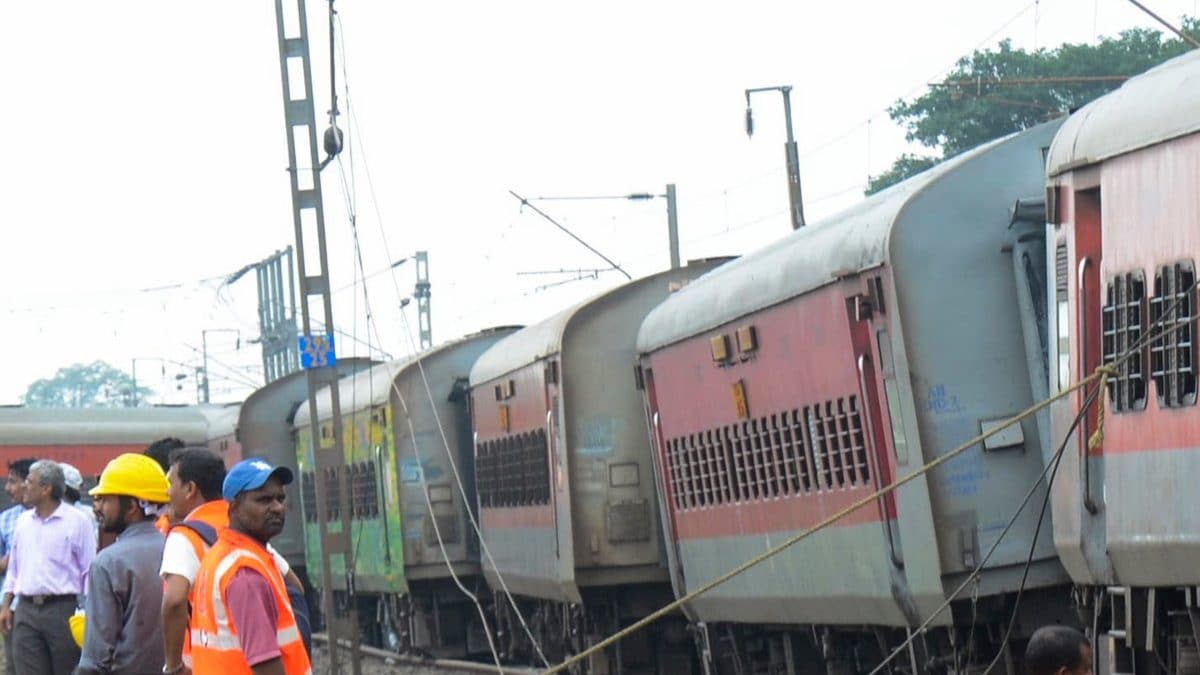
  • Mysuru-Darbhanga Derailment: A Wake-Up Call for Railway Safety in India

    Mysuru-Darbhanga Derailment: A Wake-Up Call for Railway Safety in India

    The derailment of the Mysuru-Darbhanga Bagmati Express (Train No. 12578) on Friday night near Chennai was a tragic incident that thankfully resulted in no fatalities. While initial reports suggested a potential for sabotage or terrorism, investigations by the National Investigation Agency (NIA) have concluded that the cause was likely a technical failure. The accident highlights the importance of maintaining stringent safety standards in the Indian railway system and the need to thoroughly investigate such incidents to prevent future occurrences.

    Technical Malfunction as the Primary Cause

    The NIA’s thorough investigation into the incident has ruled out any terror angle or sabotage. Their findings suggest that the derailment was most likely caused by a technical malfunction. The fact that the passenger train entered the loop line despite having a green signal for the main line indicates a possible issue with the signaling system or a failure in communication between the driver and the control room. Further investigation will be needed to determine the exact nature of the technical malfunction that led to this tragic accident.

    Importance of Rigorous Safety Protocols

    The incident serves as a stark reminder of the importance of robust safety protocols in the Indian railway system. The fact that a passenger train ended up on the wrong track despite having signals for the main line highlights potential vulnerabilities within the system. While Indian Railways has implemented many safety measures in recent years, this incident demonstrates that continuous improvements and rigorous adherence to existing protocols are crucial.

    Investigation Process and Role of the NIA

    The NIA’s involvement in the investigation was part of their standard operating procedure, aimed at ensuring a comprehensive examination of all possibilities. While their findings pointed towards a technical failure, the agency played a critical role in ensuring that no other factors, including terrorism or sabotage, were contributing to the incident. Their involvement helped maintain transparency and confidence in the investigative process.

    Impact of the Derailment

    The derailment caused significant damage to both trains and disrupted rail services in the area. The Chennai-Gudur section, where the accident occurred, is a key railway line with considerable passenger and freight traffic. The diversion of several trains due to the accident disrupted schedules and inconvenienced passengers. This incident underscores the widespread impact of railway accidents on the transportation system and the economy.

    Addressing Safety Concerns

    In the aftermath of this incident, addressing the identified safety concerns should be a top priority. The railway authorities need to conduct a thorough investigation to determine the root cause of the technical failure and implement necessary corrective measures to prevent similar incidents in the future. This includes enhancing signaling systems, improving communication protocols, and strengthening the overall safety framework.

    Public Response and Trust

    The public response to the incident reflects the ongoing concern over railway safety in India. The incident has sparked public debate about the need for increased investments in infrastructure, technology, and safety training to prevent future accidents. Rebuilding public trust in the railway system requires a demonstrable commitment to improving safety standards and transparency in incident investigations.

    Key Takeaways

    This incident serves as a stark reminder of the potential dangers of railway accidents and the importance of continuous improvements in safety protocols. Key takeaways from the investigation include:

    • Technical malfunctions: The most likely cause of the derailment was a technical failure, highlighting the importance of rigorous maintenance and inspection of railway infrastructure.
    • Robust safety procedures: The need for enhanced safety protocols, including comprehensive training for staff, accurate signal systems, and effective communication between the driver and control room is evident.
    • Transparency in investigations: Public trust in the railway system is crucial. Transparent investigations by agencies like the NIA are essential to build confidence in the safety of the system.
    • Investment in infrastructure: Continued investment in railway infrastructure is crucial for enhancing safety and preventing future accidents.
    • Lessons learned: This incident should serve as a catalyst for the Indian Railways to proactively identify and address safety concerns and strengthen their commitment to improving safety for passengers and employees.
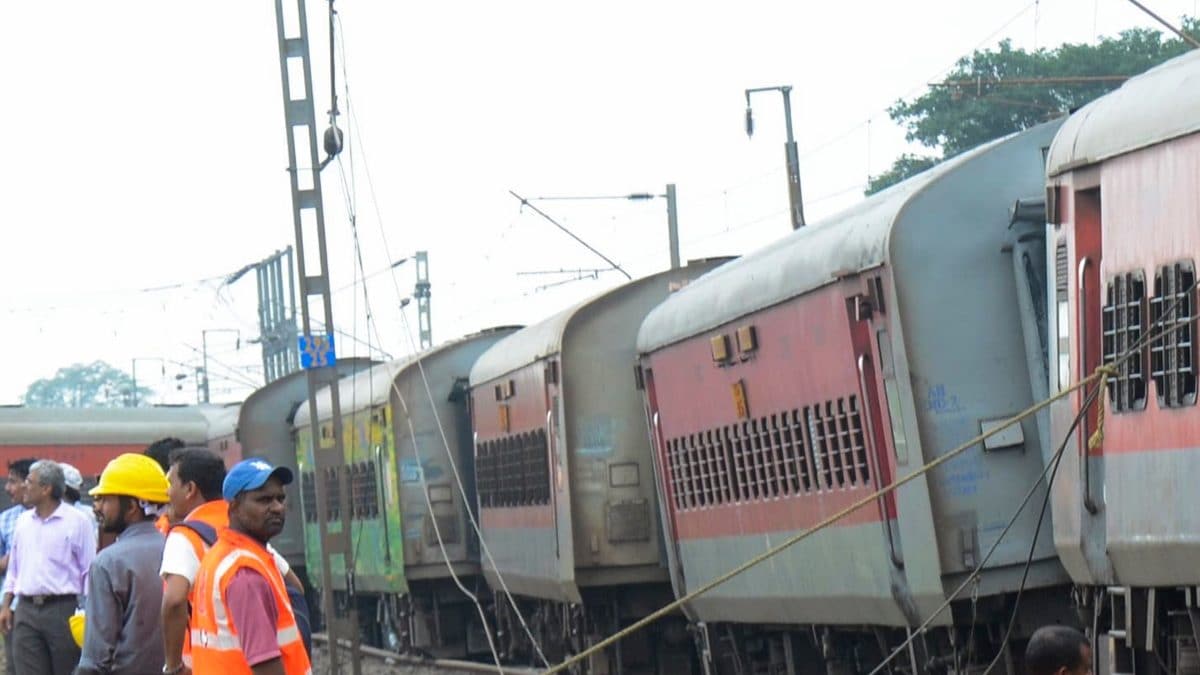
  • Mysuru-Darbhanga Bagmati Express Derailment: A Technical Failure, Not a Terrorist Plot

    Mysuru-Darbhanga Bagmati Express Derailment: A Technical Failure, Not a Terrorist Plot

    The derailment of the Mysuru-Darbhanga Bagmati Express on Friday night near Chennai was a significant event, thankfully resulting in no fatalities. The incident occurred when the passenger train collided with a stationary goods train at Kavaraippettai railway station. While the immediate cause appeared to be a technical error, an investigation by the National Investigation Agency (NIA) ruled out any possibility of sabotage or a terror angle. The incident highlights the need for robust safety protocols and a comprehensive understanding of the factors contributing to such accidents.

    Technical Malfunction as the Primary Cause

    The NIA’s investigation concluded that the accident was primarily caused by a technical malfunction, eliminating the possibility of sabotage or a terror attack. This finding emphasizes the critical role of proper maintenance and technology in ensuring safe rail travel. The investigation team meticulously examined the site and reviewed available evidence, including signal records and communication logs, to determine the cause of the derailment. The NIA, known for its expertise in counter-terrorism investigations, concluded that there was no evidence suggesting any nefarious intent behind the collision.

    Factors Contributing to the Accident

    While a specific technical fault remains to be definitively determined, the incident highlights a number of potential contributing factors. These include:

    • Signal System Malfunction: The investigation revealed that despite a green signal indicating a clear path on the main line, the passenger train entered the loop line, where the goods train was stationary. A malfunction in the signaling system, potentially due to technical failure or human error, could have led to the train taking the wrong route.
    • Driver Error: The driver of the passenger train may have inadvertently misinterpreted the signals or misjudged the route. While driver error cannot be ruled out, the incident emphasizes the importance of stringent training programs and the need for continuous vigilance in operating trains.
    • Poor Communication: A breakdown in communication between the driver and control room personnel could have contributed to the accident. Lack of timely information about the location of the goods train, or a miscommunication regarding the passenger train’s authorized route, could have played a role in the collision.

    Safety Measures for Prevention

    The Mysuru-Darbhanga Bagmati Express derailment emphasizes the paramount importance of maintaining robust safety measures in the railway system.

    • Signal System Upgrades: Investing in modern and reliable signaling technology is crucial. The accident highlights the need for redundant systems, self-monitoring features, and comprehensive testing protocols. Such upgrades will enhance the accuracy and reliability of signals, reducing the risk of trains entering unauthorized routes.
    • Comprehensive Maintenance: Regularly scheduled maintenance for signaling systems and rolling stock, including engines and track, is essential for preventing accidents. Rigorous inspections and preventive maintenance help identify potential issues before they can lead to catastrophic events.
    • Enhanced Driver Training: Train drivers must undergo stringent and comprehensive training programs to enhance their understanding of signals and operational procedures. Ongoing refresher courses and simulations can further improve their competence and response times.
    • Communication Improvements: Effective communication is vital for ensuring safety on railway networks. The implementation of advanced communication technologies and improved coordination between train crews and control centers can help avoid accidents by providing timely alerts and preventing miscommunication.

    Response and Recovery

    The timely response to the accident by railway officials and emergency services minimized the extent of injuries. The immediate mobilization of medical teams ensured that the injured passengers received swift treatment. The prompt diversion of other trains and restoration efforts aimed to minimize disruption to passenger services.

    Lessons Learned

    The derailment of the Mysuru-Darbhanga Bagmati Express provides valuable lessons for the Indian Railways.

    • Prioritizing Safety: Safety must remain the highest priority for all railway operations. Continuously investing in upgrades, improvements, and enhanced safety procedures will significantly contribute to reducing accidents.
    • Technological Advancement: Adopting cutting-edge technologies, particularly in signaling systems and safety measures, is crucial. Staying ahead of the curve in technological advancements can greatly improve efficiency and safety.
    • Emphasis on Human Factor: Training, vigilance, and a culture of safety among all railway personnel are crucial. Investing in education, regular drills, and promoting open communication among employees is essential to mitigate risks and ensure a safe operating environment.

    Takeaway Points

    The Mysuru-Darbhanga Bagmati Express derailment serves as a potent reminder of the critical role of safety in railway operations. By focusing on a multi-faceted approach encompassing technology upgrades, robust maintenance protocols, comprehensive training, and prioritizing safety across all levels, the Indian Railways can effectively prevent future accidents and maintain the integrity and trust of the network.

  • राजा सिंह के घर की रेकी: क्या है सच्चाई?

    राजा सिंह के घर की रेकी: क्या है सच्चाई?

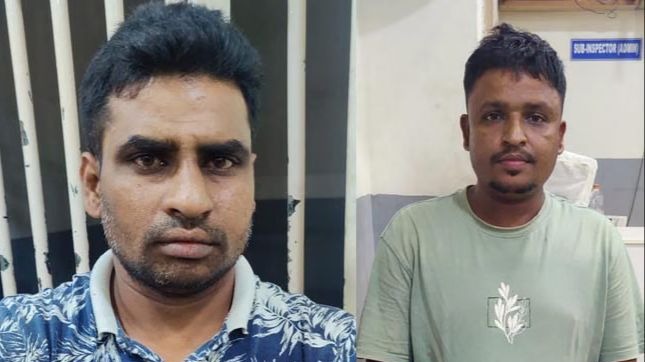
    तेलंगाना के फायरब्रांड बीजेपी नेता टी राजा सिंह के घर की रेकी करने के आरोप में दो संदिग्धों की गिरफ्तारी ने राज्य में एक बड़ा सवाल खड़ा कर दिया है. घटना को लेकर भारी तनाव उत्पन्न हुआ है और सुरक्षा उपायों को भी बढ़ाया गया है. इस घटना के पीछे की वजह क्या है और इससे क्या नतीजे निकल सकते हैं, आइए जानते हैं.

    रेकी का मामला: राजा सिंह का विवादित बयान

    यह घटना उस समय हुई जब गोशामहल के बीजेपी विधायक टी राजा सिंह हाल ही में विवादों में घिर चुके हैं. कुछ दिनों पहले उन्होंने एक समुदाय के बारे में विवादित बयान दिया था, जिसकी वजह से उन पर देशद्रोह का मुकदमा भी दर्ज हुआ है. उनका यह बयान कुछ धार्मिक समूहों में काफी आक्रोश का कारण बना है.

    रेकी करने वाले संदिग्ध: क्या है सच्चाई?

    राजा सिंह के घर की रेकी करने के आरोप में पकड़े गए दो संदिग्धों के मोबाइल फोन में राजा सिंह की तस्वीरों और बंदूकों की गोलियों की तस्वीरों के मिलने से लोगों में खौफ का माहौल है.

    क्या ये सिर्फ़ रेकी थी या कोई बड़ी साजिश?

    पुलिस मामले की गहनता से जांच कर रही है, जिससे इस बात पर शंका पैदा होती है कि ये मामला सिर्फ एक साधारण रेकी से जुड़ा नहीं है. यह घटना कुछ गंभीर साजिश का हिस्सा भी हो सकती है.

    बढ़ी सुरक्षा

    इस घटना के बाद, राजा सिंह के आवास की सुरक्षा को तुरंत बढ़ा दिया गया है. इसके साथ ही संभावित खतरों का पता लगाने के लिए पुलिस चौकसी भी बढ़ा दी गई है.

    जनता में डर:

    राजा सिंह के घर की रेकी करने के आरोप में दो लोगों की गिरफ्तारी की वजह से लोग काफी चिंतित हैं. जनता में डर का माहौल बना हुआ है.

    सुरक्षा व्यवस्था पर सवाल:

    यह घटना राज्य सरकार और पुलिस की सुरक्षा व्यवस्था पर भी सवाल उठाती है. अगर राजनीतिक व्यक्तियों के घर की रेकी इतनी आसानी से की जा सकती है, तो सामान्य लोगों की सुरक्षा की क्या गारंटी है?

    घटना का राजनीतिक असर

    इस घटना का राजनीतिक परिदृश्य पर भी प्रभाव पड़ सकता है. राजा सिंह बीजेपी में काफी प्रभावशाली व्यक्ति हैं और बीजेपी की खुली समर्थक है. इस घटना के कारण बीजेपी और विपक्षी दलों के बीच राजनीतिक तनाव बढ़ने की भी संभावना है.

    राष्ट्रीय सुरक्षा: एक चिंता का विषय:

    यह घटना राष्ट्रीय सुरक्षा के लिहाज से भी चिंता का विषय है. ऐसे घटनाएं देश में सुरक्षा के माहौल को खराब कर सकती हैं.

    ले जाने वाले बिन्दु:

    • राजा सिंह के घर की रेकी करने की घटना एक गंभीर मामला है. यह मामला सिर्फ़ एक रेकी से जुड़ा नहीं है, बल्कि इसमें कोई बड़ी साजिश भी हो सकती है.
    • घटना से पुलिस की सुरक्षा व्यवस्था पर सवाल उठते हैं.
    • इस घटना का राजनीतिक परिदृश्य पर भी असर पड़ सकता है.

    अधिक जानकारी आने पर हमें इस मामले में अधिक स्पष्टता मिल पाएगी.

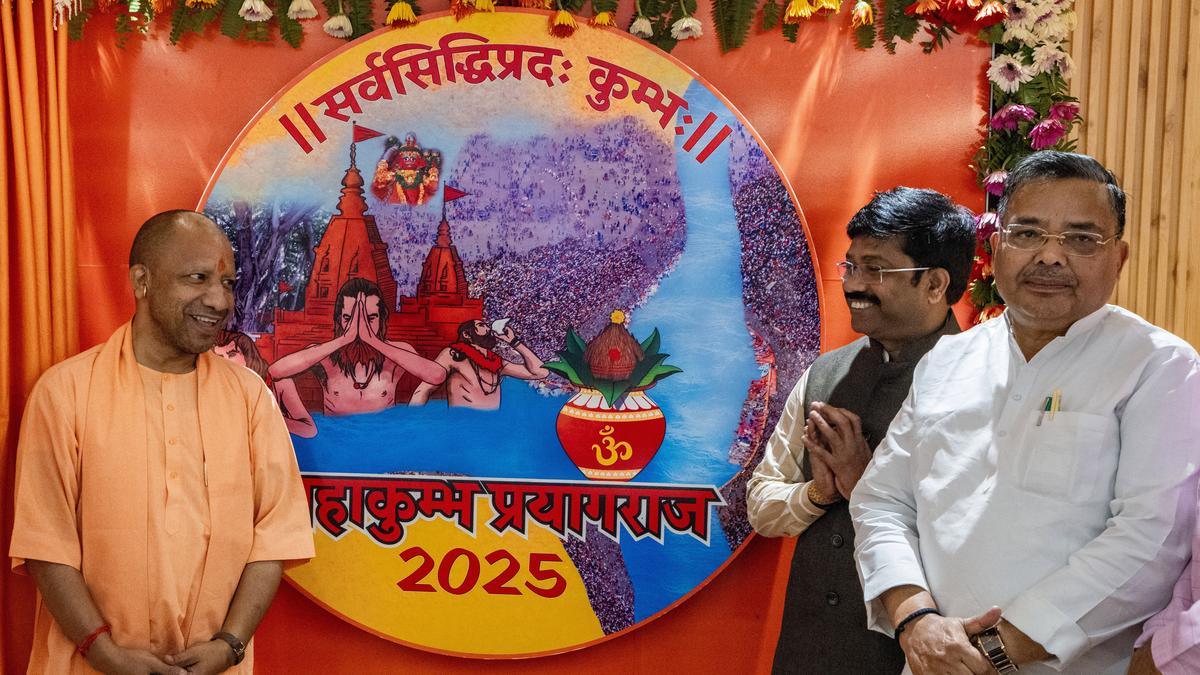
  • Uttar Pradesh Prepares for Maha Kumbh 2025 with Vibrant Kumbh Summit

    Uttar Pradesh Prepares for Maha Kumbh 2025 with Vibrant Kumbh Summit

    The Uttar Pradesh government is gearing up for the Maha Kumbh 2025 with a series of events and cultural celebrations culminating in the Kumbh Summit, a multi-faceted event spread across all 18 administrative divisions of the state. This comprehensive event will showcase the rich cultural heritage of Uttar Pradesh and build anticipation for the grand Maha Kumbh in 2025.

    Kumbh Summit: A Celebration of Culture and Tradition

    The Kumbh Summit will serve as a precursor to the Maha Kumbh, offering a glimpse into the grandeur and cultural richness that will characterize the main event. The summit, starting in Lucknow and concluding in Prayagraj on December 14, 2024, is designed to engage the people of Uttar Pradesh and beyond in a celebration of art, culture, and spirituality.

    Key Components of the Summit

    The Kumbh Summit will encompass a diverse range of events, each highlighting a different aspect of Uttar Pradesh’s cultural tapestry. These include:

    • Kumbh Abhinandan Road Show: This vibrant spectacle will travel through various cities and towns, showcasing the state’s cultural heritage through dance, music, and visual arts performances.
    • Bal-Yuva Kumbh: Focusing on the youth, this component will involve students in various cultural activities, promoting their engagement with traditional art forms and cultural values.
    • Kala-Sanskriti Kumbh: This event will showcase a myriad of artistic expressions, ranging from classical music and dance to traditional crafts and visual arts.
    • Kavi Kumbh: A gathering of renowned poets and writers, this event will be a celebration of the spoken and written word, fostering creative expression and appreciation for literature.
    • Bhakti Kumbh: Dedicated to devotional music and spiritual practices, this event will allow participants to immerse themselves in the spiritual atmosphere that is synonymous with the Kumbh Mela.

    Collaboration and Participation

    The success of the Kumbh Summit hinges on the participation of various stakeholders, including government departments, cultural academies, educational institutions, and individuals.

    Collaborative Efforts

    The U.P. government has assigned specific roles to various agencies to ensure the smooth execution of the events. The Uttar Pradesh State Lalit Kala Academy is responsible for painting and photography competitions. The Uttar Pradesh Sangeet Natak Academy will oversee classical and semi-classical singing, dancing, and instrumental competitions. Cultural and spiritual heritage exhibitions will be curated by the U.P. Archaeology Department, the Uttar Pradesh State Archivist, and the Uttar Pradesh Museum Directorate.

    Participation and Engagement

    Educational institutions will actively participate in the events. Additionally, over 12,600 artists have already registered online, demonstrating the enthusiasm and anticipation surrounding the Kumbh Summit. Universities, degree colleges, inter-colleges, and other educational institutions will be involved, adding a dynamic dimension to the proceedings.

    Reaching Every Corner of the State

    The Kumbh Summit is strategically planned to traverse across all 18 administrative divisions of Uttar Pradesh, ensuring its impact reaches every corner of the state. Each division will host a unique program, emphasizing the local traditions and artistic expressions that define each region.

    A State-Wide Tour

    The summit will begin in Lucknow, with divisional events scheduled for October 2024, including:

    • Jhansi Division: The event will be held at Bundelkhand University on October 11-12.
    • Varanasi Division: The event is scheduled for October 14-15 at Banaras Hindu University.
    • Chitrakoot Division: This event will take place at Shri Ram Bhadracharya University on October 17-18.

    Organising and Coordinating the Summit

    A dedicated team of coordinators has been appointed for each division, ensuring efficient planning and execution.

    Divisional Coordinators

    • Chitrakoot Division: Tuhin Dwivedi, Assistant Director (Law) of the Culture Directorate
    • Lucknow Division: Rajesh Ahirwar, Assistant Director of the Culture Directorate
    • Jhansi Division: Atul Dwivedi, Director of the U.P. Folk and Tribal Culture Institute
    • Varanasi Division: Shobhit Kumar Nahar, Director of U.P. Sangeet Natak Academy

    These coordinators will play a crucial role in mobilizing resources, engaging local talent, and ensuring that each division’s events are a resounding success.

    Takeaways

    The Kumbh Summit is not merely a series of events but a comprehensive effort to celebrate the rich heritage of Uttar Pradesh. This multi-faceted initiative highlights:

    • Celebrating Diversity: The Kumbh Summit, with its focus on diverse cultural expressions, promotes the richness and diversity of Uttar Pradesh’s art, culture, and traditions.
    • Engaging the Youth: By involving school children and educational institutions, the Kumbh Summit instills in young minds a deep appreciation for their cultural heritage.
    • Harnessing the Power of Community: The collaboration between government agencies, cultural academies, and local communities fosters a sense of unity and collective pride in Uttar Pradesh’s vibrant cultural heritage.
    • Building Anticipation for the Maha Kumbh: The Kumbh Summit acts as a compelling precursor to the Maha Kumbh, building excitement and anticipation for the grand spiritual gathering in 2025.
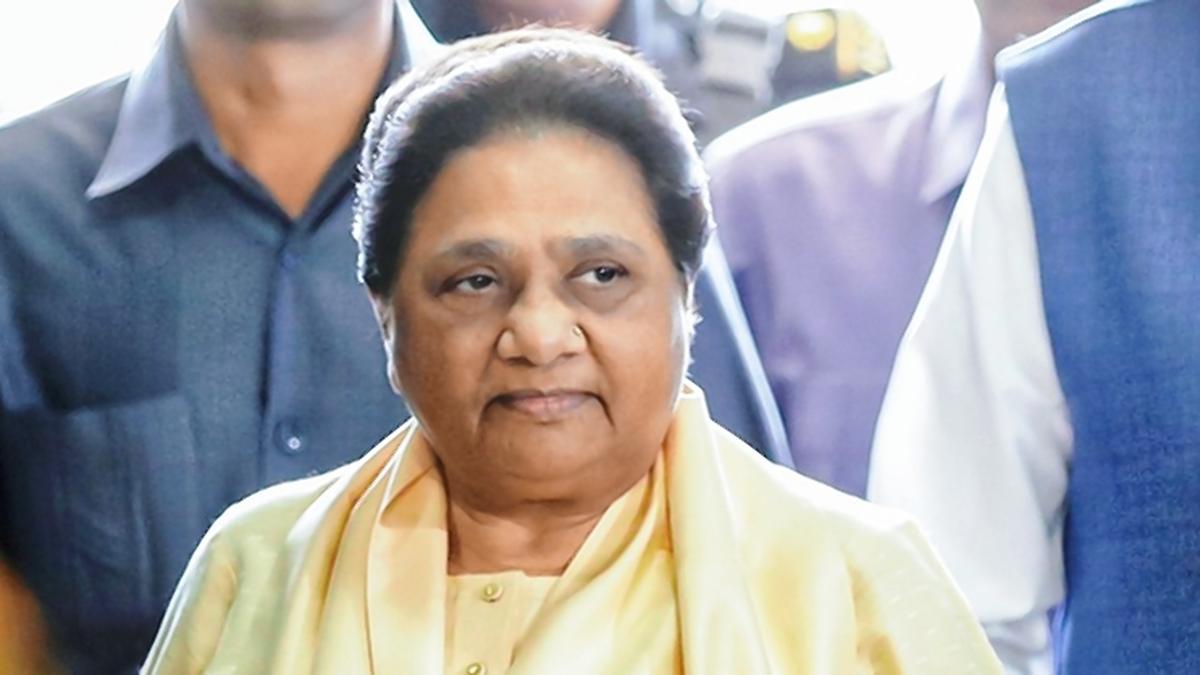
  • Mayawati’s Fight for the Bahujan Samaj: A Battle for Empowerment and Identity

    Mayawati’s Fight for the Bahujan Samaj: A Battle for Empowerment and Identity

    The Bahujan Samaj Party (BSP) under the leadership of Mayawati continues to fight for the upliftment of the Bahujan Samaj, advocating for their self-esteem and empowerment. Mayawati, on the 18th death anniversary of BSP founder Kanshi Ram, reiterated her party’s commitment to the cause, criticizing the BJP, Congress, and Samajwadi Party for hindering the progress of the Bahujan Samaj. This article will delve deeper into Mayawati’s statement, exploring the BSP’s vision for the Bahujan Samaj, their criticism of other political parties, and the challenges they face in achieving their goals.

    The BSP’s Vision for the Bahujan Samaj: Self-Esteem and Empowerment

    Mayawati’s statement highlights the BSP’s core objective: empowering the Bahujan Samaj. This objective is rooted in the ideology of Kanshi Ram, who believed that the Bahujan Samaj, including Dalits, Adivasis, OBCs, and minorities, have been historically marginalized and denied their rightful place in society. The BSP seeks to rectify this injustice by:

    Fostering Self-Esteem and Identity:

    The BSP promotes the concept of ‘Bahujan Ekta’ (unity of the masses) to instill a sense of collective identity and pride among the Bahujan Samaj. This involves raising awareness of their historical contributions and dismantling negative stereotypes.

    Empowering Through Political Participation:

    The BSP actively encourages the Bahujan Samaj to engage in the political process, advocating for their rights and representation. This includes mobilizing voters, fielding candidates from their communities, and seeking political power to enact policies that benefit them.

    Addressing Socioeconomic Challenges:

    The BSP believes that poverty, unemployment, and lack of access to resources contribute to the marginalization of the Bahujan Samaj. They strive to address these issues through policies aimed at economic development, job creation, and social welfare schemes.

    Criticism of Other Political Parties: Obstacles to the Bahujan Samaj

    Mayawati’s statement sharply criticizes the BJP, Congress, and Samajwadi Party, labeling them as obstacles to the Bahujan Samaj’s quest for self-esteem and empowerment. This criticism stems from the BSP’s perception that these parties:

    Lack of Genuine Commitment to the Bahujan Samaj:

    The BSP alleges that the BJP, Congress, and SP prioritize their own political interests over the needs of the Bahujan Samaj. They claim that these parties utilize the marginalized communities for electoral gains without genuinely addressing their concerns.

    perpetuating caste-based inequalities:

    The BSP accuses the BJP, Congress, and SP of exacerbating caste divisions and perpetuating existing inequalities. They argue that these parties exploit caste identities for political maneuvering instead of fostering social harmony and inclusivity.

    Ignoring the plight of the marginalized:

    The BSP contends that the BJP, Congress, and SP fail to effectively address the socioeconomic challenges faced by the Bahujan Samaj. They highlight the persistent poverty, unemployment, and lack of access to essential services as evidence of their neglect.

    BSP’s Struggle for Political Power: A ‘Ruling Class that Gives’

    Mayawati’s call for the BSP to be “the ruling class that gives instead of those who ask” signifies their ambition to be a government that truly champions the interests of the Bahujan Samaj. They seek to overturn the traditional power structures that they believe have historically deprived the Bahujan Samaj of their rights and resources.

    Challenging the Status Quo:

    The BSP’s struggle for political power represents a challenge to the existing political landscape, dominated by parties they perceive as hostile to the interests of the Bahujan Samaj. Their goal is to establish a government that prioritizes their welfare and upliftment.

    A New Approach to Governance:

    The BSP’s vision of a “ruling class that gives” implies a shift in governance. They seek to implement policies that empower the Bahujan Samaj, including social justice initiatives, economic empowerment programs, and education reforms.

    Overcoming Historical Marginalization:

    The BSP’s quest for political dominance is driven by a desire to overcome the historical marginalization of the Bahujan Samaj. They strive to create a society where they are no longer treated as second-class citizens, but rather as equal members of the nation.

    The Challenges Ahead for the BSP: Building Unity and Winning Elections

    The BSP’s ambition to achieve political power and create a society where the Bahujan Samaj are empowered faces significant challenges:

    Fragmentation within the Bahujan Samaj:

    The Bahujan Samaj is a diverse group with various identities and political interests. This internal fragmentation poses a challenge to the BSP in building a cohesive political force.

    Political Opposition and Manipulation:

    The BJP, Congress, and SP remain formidable opponents, employing various strategies to counter the BSP’s efforts to win elections and achieve political power. These strategies may include caste-based polarization, electoral alliances, and manipulation of political discourse.

    Economic Development and Social Upliftment:

    Achieving meaningful social and economic change requires the BSP to effectively implement policies that address the complex challenges faced by the Bahujan Samaj. This involves tackling systemic inequalities, creating employment opportunities, and improving access to quality education and healthcare.

    Social and Political Discourse:

    The BSP faces a challenge in shaping the social and political discourse in a way that benefits the Bahujan Samaj. This involves countering negative stereotypes, advocating for social justice, and promoting an inclusive narrative that challenges traditional power structures.

    Takeaway Points

    • The BSP under Mayawati continues to champion the cause of the Bahujan Samaj, emphasizing self-esteem, empowerment, and social justice.
    • They vehemently criticize the BJP, Congress, and SP, alleging that these parties fail to represent the interests of the Bahujan Samaj and perpetuate inequalities.
    • The BSP’s quest for political power aims to create a ‘ruling class that gives,’ prioritizing the needs and aspirations of the Bahujan Samaj through targeted policies and initiatives.
    • Despite challenges like fragmentation within the Bahujan Samaj, strong political opposition, and complex socioeconomic issues, the BSP remains dedicated to achieving their vision for a more equitable and inclusive society.

  • The Citizenship Amendment Act: A Historical Reckoning?

    The Citizenship Amendment Act: A Historical Reckoning?

    The Untold Story of Hindu Refugees and the Citizenship Amendment Act: A BJP Leader’s Perspective

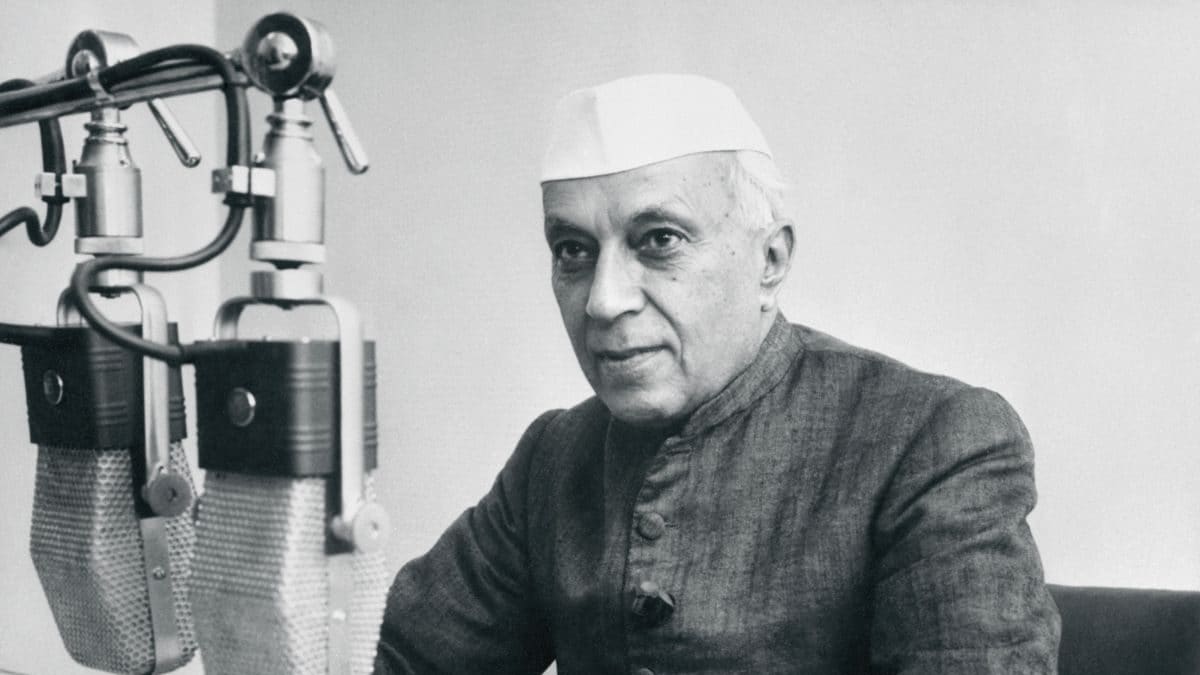
    This article explores the claims made by BJP leader Dr. Anirban Ganguly in his new book, “From Partition to Progress: Persecuted Hindus and the Struggle for Citizenship,” about the plight of Hindu refugees from Bangladesh and the alleged apathy of the Indian Congress towards their cause. Through the book, Ganguly argues that India’s first Prime Minister Jawaharlal Nehru’s stance towards these refugees was one of indifference, even hostility, while contrasting it with the BJP’s and its predecessor, the Bharatiya Jana Sangh’s, commitment to their welfare.

    The Congress’s Alleged Betrayal of Hindu Refugees: A Case Study in the 1950s

    Ganguly contends that the Congress Party, despite its claims of championing the cause of all Indians, exhibited a stark double standard when it came to Hindu refugees from East Pakistan (now Bangladesh). He cites several instances to substantiate his claim, demonstrating the perceived failure of the Congress to deliver on promises of protection and support for these refugees.

    The Case of Dr. BC Roy:

    Ganguly highlights a particular instance where the then Chief Minister of West Bengal, Dr. BC Roy, appealed to Prime Minister Nehru to offer sanctuary to Hindu refugees fleeing persecution in East Pakistan. Nehru allegedly dismissed Roy’s pleas with the chilling response, “If we open the door, we will all sink,” insinuating a fear of overpopulation or societal burden. This anecdote, if true, reflects a deep-seated disregard for the humanitarian crisis unfolding on India’s doorstep and a preference for short-term political expediency over long-term human rights considerations.

    The Ignored Pleas of the Nikhil Vanga Bastuhara Karam Parishad:

    A delegation of Bengali Hindu refugees belonging to the Nikhil Vanga Bastuhara Karam Parishad (NVBKP), including Gandhians and Congress leaders from East Bengal, reached out to Nehru at the Jaipur session of the AICC in 1948. These were individuals who had actively fought for India’s independence alongside Gandhi. However, their pleas for aid and citizenship were summarily rejected by Nehru, who referred to them as “foreigners,” despite their clear contribution to the Indian struggle for freedom. This dismissive attitude further underscores the alleged disregard shown by the Congress toward these refugees.

    Connecting the Past to the Present: The Citizenship Amendment Act and its Critics

    Ganguly skillfully uses the contentious Citizenship Amendment Act (CAA) as a fulcrum to connect the past with the present, highlighting the Congress’s alleged history of neglecting Hindu refugees and its present opposition to the CAA.

    Tracing the Congress’s Opposition to the CAA:

    He draws a direct link between Nehru’s purported stance against the integration of Bengali Hindu refugees into India and Rahul Gandhi’s vocal opposition to the CAA. He argues that both share a common lineage in their unwillingness to acknowledge the plight of persecuted minorities from neighboring countries and their commitment to protecting India’s boundaries at the cost of human compassion. This connects Rahul Gandhi’s stance with Nehru’s past actions, portraying a familial pattern of prioritizing national security over the welfare of those seeking refuge.

    The Legacy of Syama Prasad Mookerjee:

    On the other hand, Ganguly presents the Bharatiya Jana Sangh, the BJP’s precursor, as a champion of the cause of Hindu refugees, tracing their commitment to their plight back to its founder, Syama Prasad Mookerjee. He emphasizes the party’s consistent stand on the issue of Hindu persecution in East Pakistan and its continued advocacy for granting citizenship to persecuted minorities, which culminated in the passage of the CAA.

    Examining the Congress’s Internal Discord:

    Ganguly also highlights the alleged internal conflict within the Congress itself, suggesting that even prominent figures like Dr. Manmohan Singh had, in the past, acknowledged the need for granting citizenship to refugees. He quotes Dr. Singh’s plea to the then Home Minister, LK Advani, urging action to address the refugee situation, thereby highlighting the dissonance between the Congress’s past position on refugee rights and its present stance.

    Drawing Parallels and Unraveling the Narrative:

    This book uses a narrative strategy that leverages the past to create a case for the present. By meticulously showcasing the Congress’s alleged neglect towards Hindu refugees in the past and aligning it with its current opposition to the CAA, Ganguly attempts to portray the BJP as a champion of those who were overlooked for decades. This strategic narrative helps further solidify the BJP’s stance on the CAA as a solution to historical wrongs and a promise fulfilled, effectively weaving a thread from the Partition era to the present-day political climate.

    Take Away Points:

    • The book presents a strong critique of the Congress party’s actions in the past, alleging it actively overlooked the needs of Hindu refugees seeking shelter in India.
    • By juxtaposing the Congress’s historical stance on refugee rights with the BJP’s, Ganguly positions the BJP as the party that understands the plight of minorities and acts decisively to alleviate their suffering.
    • This work uses the CAA as a bridge to connect past and present, highlighting the continuity of the BJP’s stance on refugee rights while demonstrating a shift in the Congress’s position on this crucial issue.
    • By raising historical grievances and highlighting the alleged inaction of the Congress, this book seeks to galvanize public support for the BJP’s political agenda on the CAA, ultimately bolstering its claim of being a champion of those who have historically faced neglect.