Blog

  • Venus Transit in Aries 2024: Impact on Health for Select Zodiac Signs

    Venus Transit in Aries 2024: Impact on Health for Select Zodiac Signs

    Venus Transit in Aries 2024:  The celestial phenomenon of Venus transit in Aries in 2024 carries profound implications for the health and well-being of certain zodiac signs. Let’s delve into how this cosmic event may influence the physical and mental health of individuals based on their astrological signs.

    Aries: Potential Health Challenges and Strategies for Wellness

    For Aries natives, the Venus transit in their own sign may bring about heightened energy levels but could also lead to impulsiveness and recklessness. It is essential for Aries individuals to channel this energy positively through physical activities and exercise routines. Moreover, maintaining a balanced diet and practicing mindfulness can help mitigate potential health issues.

    Taurus: Maintaining Stability Amidst Turbulence

    Taurus individuals may experience fluctuations in their health during this transit period. While Venus in Aries may stir up restlessness and agitation, Taurus natives can counterbalance these effects by prioritizing relaxation techniques and stress-management practices. Ensuring adequate rest and sleep is crucial for maintaining overall well-being.

    Gemini: Navigating Mental Health Challenges with Grace

    The Venus transit in Aries may pose challenges to Gemini’s mental health, triggering feelings of anxiety and restlessness. Engaging in creative outlets and fostering meaningful connections with loved ones can serve as effective coping mechanisms for Gemini natives during this period. Additionally, practicing mindfulness and meditation can help calm the mind and promote inner peace.

    Cancer: Embracing Emotional Resilience

    For Cancer individuals, the Venus transit in Aries may exacerbate emotional sensitivity and vulnerability. It is essential for Cancer natives to prioritize self-care practices and cultivate emotional resilience. Engaging in activities that bring comfort and solace, such as spending time with family or indulging in creative pursuits, can provide much-needed emotional support during this time.

    Leo: Balancing Physical and Mental Well-Being

    Leo individuals may experience a surge in vitality and confidence during the Venus transit in Aries. However, it is crucial for Leo natives to avoid overexertion and prioritize self-care. Balancing physical activities with moments of relaxation and rejuvenation is key to maintaining overall well-being. Moreover, cultivating a positive mindset and practicing gratitude can enhance mental resilience.

    Virgo: Prioritizing Holistic Health Practices

    During the Venus transit in Aries, Virgo individuals may experience heightened sensitivity to environmental factors. Adopting a holistic approach to health, including clean eating habits and regular exercise, can help boost immunity and vitality. Moreover, incorporating stress-relief techniques such as yoga and meditation into daily routines can promote overall well-being for Virgo natives.

    Libra: Nurturing Emotional Equilibrium

    For Libra individuals, the Venus transit in Aries may bring about challenges related to emotional balance and stability. It is essential for Libra natives to prioritize self-care and engage in activities that promote emotional equilibrium. Cultivating healthy boundaries in relationships and practicing self-compassion can help Libra individuals navigate this period with grace and resilience.

    Scorpio: Harnessing Inner Strength and Resilience

    Scorpio individuals may experience heightened intensity and emotional depth during the Venus transit in Aries. It is essential for Scorpio natives to harness their inner strength and resilience to navigate this period effectively. Engaging in introspective practices such as journaling and meditation can help Scorpio individuals process their emotions and cultivate inner peace.

    Sagittarius: Cultivating Mind-Body Harmony

    The Venus transit in Aries may inspire Sagittarius individuals to prioritize holistic well-being and mind-body harmony. Engaging in physical activities that bring joy and fulfillment, such as outdoor adventures or sports, can help Sagittarius natives maintain optimal health. Moreover, incorporating mindfulness practices and relaxation techniques into daily routines can promote mental clarity and emotional balance.

    Capricorn: Embracing Self-Care and Rest

    During the Venus transit in Aries, Capricorn individuals may feel the need to prioritize self-care and rest. It is essential for Capricorn natives to listen to their bodies and honor their need for downtime. Creating a nurturing environment at home and prioritizing activities that promote relaxation and rejuvenation can support Capricorn individuals in maintaining optimal health and well-being.

    Aquarius: Fostering Emotional Resilience and Connection

    For Aquarius individuals, the Venus transit in Aries may bring about opportunities for emotional growth and connection. It is essential for Aquarius natives to prioritize meaningful relationships and cultivate emotional resilience. Engaging in open and honest communication with loved ones can foster deeper connections and provide valuable support during this period.

    Pisces: Nurturing Spiritual and Emotional Well-Being

    During the Venus transit in Aries, Pisces individuals may feel drawn to activities that nurture their spiritual and emotional well-being. Engaging in practices such as meditation, prayer, or creative expression can help Pisces natives tap into their intuition and inner wisdom. Moreover, surrounding themselves with positive influences and uplifting environments can support Pisces individuals in maintaining a sense of peace and harmony.
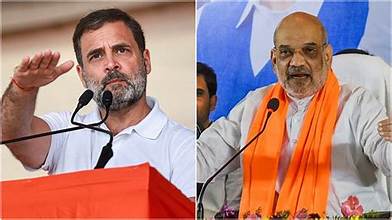
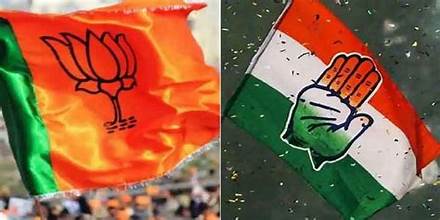
  • Rahul Gandhi Rally in Kerala, Amit Shah’s Road Show in Gujarat, JP Nadda’s Assam Visit, and Yogi Adityanath’s Public Meeting in UP

    Rahul Gandhi Rally in Kerala, Amit Shah’s Road Show in Gujarat, JP Nadda’s Assam Visit, and Yogi Adityanath’s Public Meeting in UP

    Energizing Political Enthusiasm in Kerala

    Rahul Gandhi, the dynamic leader of the Indian National Congress, ignited fervor among the masses during his recent rally in Kerala. The event showcased his vision for the state’s progress and his unwavering commitment to the welfare of its people.

    Amit Shah’s Vibrant Road Show in Gujarat

    Amit Shah, the stalwart of the Bharatiya Janata Party, electrified Gujarat with his vibrant road show. As he traversed through the streets, he connected with the citizens, conveying the party’s agenda and garnering support for its initiatives.

    JP Nadda’s Strategic Visit to Assam

    JP Nadda, the president of the BJP, strategically visited Assam, emphasizing the party’s dedication to the region’s development. His interactions with the locals underscored the BJP’s inclusive approach and its resolve to address their concerns.

    Yogi Adityanath’s Inspiring Public Meeting in Uttar Pradesh

    Yogi Adityanath, the Chief Minister of Uttar Pradesh, held an inspiring public meeting in the state. With his charismatic presence and visionary discourse, he galvanized the audience, instilling confidence in the BJP’s leadership and its transformative agenda.

  • India’s Population Control Measures: A Historical Perspective

    India’s Population Control Measures: A Historical Perspective

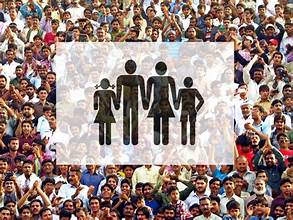
    India’s Population Control Measures: India has grappled with the perennial concern of its burgeoning population for decades. Since 1951, the country has been exploring various avenues to curb the population growth, with one notable approach being the implementation of sterilization, also known as “nasbandi.” However, during the emergency period in the 1970s, forced sterilization emerged as a significant political issue.

    Forced Sterilization During the Emergency

    In 1975, during the emergency period, millions of men were forcefully sterilized. It is said that Sanjay Gandhi, the younger son of the then Prime Minister Indira Gandhi, vigorously promoted this campaign. The most vulnerable targets of this initiative were the economically disadvantaged population.

    During this time, police would cordon off entire villages, and men would be subjected to coerced sterilization. According to reports, approximately 6.2 million people were sterilized within a year. Tragically, this period also saw the deaths of around 2,000 innocent individuals due to botched operations.

    Understanding Sterilization

    Sterilization is a permanent contraceptive method that involves the cessation of reproductive capability in men or women. Following sterilization, individuals are rendered incapable of conception or bearing children. In male sterilization, the vas deferens tube is either cut or sealed, preventing the passage of sperm from the testes. Similarly, in female sterilization, the fallopian tubes are either cut or blocked, hindering the passage of eggs from the ovaries to the uterus. Importantly, female sterilization does not affect menstruation or hormone levels.

    Rationale Behind the Sterilization Drive

    In 1951, India’s population stood at approximately 361 million. During the preceding decade (1941-1951), the country witnessed an annual population growth rate of 1.26%. Based on these trends, eminent demographer P.C. Mahalanobis projected that India’s population would increase by 5 million people each year.

    In response to Mahalanobis’s report, the Indian government initiated the National Family Planning Program, making India the first country in the world to undertake such a campaign. Under this initiative, extensive efforts were made to raise awareness about family planning, encouraging families to have no more than two children with a minimum two-year gap between births. However, the government’s efforts proved largely ineffective.

    Challenges and Economic Imperatives

    Gopalaswami’s report not only advocated for family planning but also suggested widespread sterilization as a means of population control. Sterilization, being a simple surgical procedure, was deemed cost-effective and minimally invasive. However, garnering public support for sterilization was no easy feat. There were numerous misconceptions surrounding the procedure, including fears of death, weight loss, fatigue, and loss of libido among men.

    Nevertheless, the prevailing belief among Indian policymakers was that population control was imperative for economic development. Consequently, various campaigns were launched at different phases, with a significant increase in budget allocation post-1965, when a separate department for family planning was established.

    International Pressure and Political Climate

    Between 1972 and 1980, the World Bank extended a loan of 66 million USD to the Indian government for sterilization efforts. Western nations exerted pressure on India to control its population, with Indira Gandhi being coerced into accelerating the sterilization campaign.

    The Coercive Era: Sanjay Gandhi’s Influence

    In the midst of economic turmoil and political instability in 1975, Indira Gandhi declared a state of emergency. It was during this period that Sanjay Gandhi, despite lacking any official position in the government or party, spearheaded the massive sterilization campaign. His sole qualification was being the Prime Minister’s son.

    A Paradigm Shift: Centralization of Family Planning Programs

    In 1976, significant changes were introduced to India’s constitutional framework under the leadership of Prime Minister Indira Gandhi. The amendment granted the central government the authority to execute family planning programs, marking a pivotal shift from state-level control. Subsequently, the central government facilitated the training of state-level leaders and implemented ambitious initiatives such as vasectomy camps and setting specific targets for population control.

    Sanjay Gandhi’s Vision: Addressing Population Growth

    Sanjay Gandhi recognized population growth as a critical impediment to India’s progress and emphasized the need for strict measures to regulate it. He entrusted state chief ministers with the task of achieving population control targets, incentivizing them to fulfill these objectives. District commissioners were rewarded with accolades for their contributions to population control efforts. Consequently, a fervent zeal to achieve targets pervaded the administration, particularly in states like Uttar Pradesh and Bihar, where significant strides were made in population control.

    Innovative Strategies in Population Control

    Efforts towards population control extended beyond coercion, encompassing various subtle tactics. Government mandates stipulated that employees who didn’t undergo sterilization wouldn’t receive promotions or salary increments. In some cases, individuals were denied wages unless they could provide evidence of undergoing sterilization. Moreover, obtaining licenses for driving, operating rickshaws, or paying taxes necessitated proof of sterilization. Educational institutions began denying admission to students whose parents hadn’t undergone sterilization, while hospitals ceased providing free treatment without sterilization certificates.

    Impact on Marginalized Communities

    The brunt of these coercive measures was borne by marginalized segments of society. Police authorities indiscriminately rounded up individuals from railway stations or bus stops, irrespective of age or marital status. The economically disadvantaged, illiterate, prisoners, pavement dwellers, unmarried youth, newly married couples, and hospital patients became unwitting victims of population control mandates.

    Political Ramifications and Public Backlash

    Sanjay Gandhi’s decree mandating Congress party membership contingent upon sterilization for males under 37 sparked widespread controversy. The subsequent backlash against coercive population control policies culminated in the electoral defeat of the Congress party in the ensuing parliamentary elections. The Janata Party assumed power, with Morarji Desai as the Prime Minister. Tragically, Sanjay Gandhi met an untimely demise in a plane crash in 1980.

    Persistence of Population Control Efforts

    Even after the Emergency era, population control remained a priority for subsequent governments. During the Emergency, over 6 million sterilizations were conducted nationwide within a year. According to government statistics, India witnessed approximately 4 million sterilizations during 2013-14. However, the figures for male sterilizations notably decreased during this period.

    Challenges and Human Rights Concerns

    The coercive nature of population control efforts led to numerous instances of botched surgeries, resulting in over 700 deaths between 2009 and 2012. Post-operative complications were reported in 356 cases during this period. Additionally, as per United Nations data, India accounted for 37% of the world’s female sterilizations in 2011, raising concerns about violations of reproductive rights.

  • Why Did Draupadi Have Five Husbands?

    Why Did Draupadi Have Five Husbands?

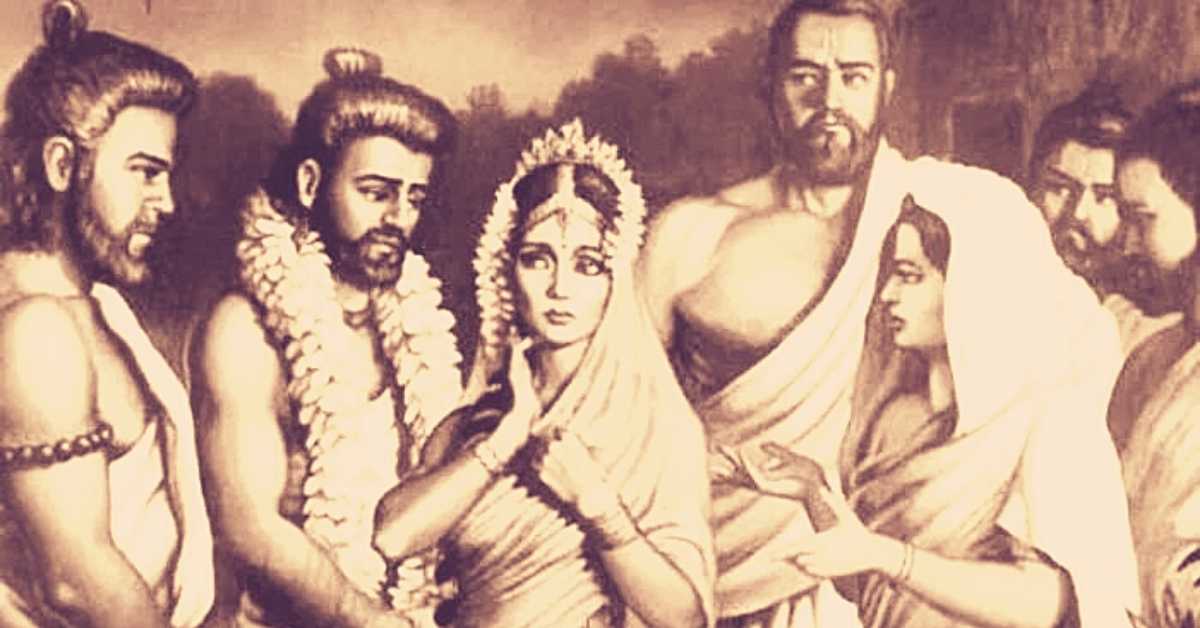
    Draupadi, the enigmatic character from the epic Mahabharata, has long been a subject of fascination and debate. One of the most intriguing aspects of her story is her unique marital situation, having five husbands. Let’s delve into the depths of this ancient tale and explore the reasons behind Draupadi’s polyandrous relationship.

    Understanding Draupadi’s Polyandry

    Draupadi’s polyandrous marriage to the Pandava brothers—Yudhishthira, Bhima, Arjuna, Nakula, and Sahadeva—has puzzled scholars and enthusiasts alike for centuries. However, her union with the five brothers is not merely a product of whimsy or societal norms; rather, it is deeply rooted in the complexities of dharma, or duty, prevalent in ancient Indian society.

    Embracing Dharma: A Complicated Duty

    In the Mahabharata, Draupadi’s marriage to the Pandavas is a result of her mother-in-law’s command. Queen Kunti, the mother of the Pandavas, unwittingly asks her sons to share whatever they have brought home after their exile. Oblivious to their possession of Draupadi, they inform her of their acquisition. Bound by the dharma of obeying their mother’s command, the Pandavas find themselves in a complex situation, leading to Draupadi’s unique marital arrangement.

    Strategic Alliances and Political Diplomacy

    Beyond familial obligations, Draupadi’s marriage to the Pandavas serves strategic and political purposes. In ancient India, alliances through marriage were common tools for forging bonds between kingdoms and ensuring mutual support during times of conflict. By marrying Draupadi, the Pandavas strengthen their ties with powerful allies, including Draupadi’s father, King Drupada of Panchala.

    Draupadi: A Symbol of Strength and Independence

    While Draupadi’s polyandrous marriage may seem unconventional by modern standards, it is essential to view her character within the context of her time and societal norms. Far from being a passive participant, Draupadi emerges as a symbol of strength, resilience, and agency throughout the Mahabharata.

    Breaking Stereotypes: Challenging Patriarchal Norms

    Draupadi’s assertiveness and refusal to conform to traditional gender roles challenge patriarchal norms prevalent in ancient Indian society. Despite societal expectations, she asserts her autonomy and refuses to be defined solely by her marital status. Instead, Draupadi actively participates in political discussions, demonstrates exceptional intellect, and fiercely defends her dignity and honor.

    A Voice of Justice and Equality

    Throughout the Mahabharata, Draupadi advocates for justice and equality, often speaking out against injustice and oppression. Her unwavering resolve and vocal opposition to injustice make her a beacon of hope for marginalized communities and oppressed individuals, resonating with audiences across generations.

  • Malaika Arora and Arbaaz Khan: Post-Divorce Ventures

    Malaika Arora’s Silence on Wedding Plans

    Malaika Arora, the renowned Bollywood personality, has been maintaining silence regarding her wedding plans. Recently, she made an appearance as a guest on her son, Arhaan Khan’s podcast “Dum Biryani.” During a rapid-fire round, Arhaan asked her about her wedding plans. He inquired about the date, venue, and person she would tie the knot with. However, Malaika chose to evade these questions and opted for a spicy meal instead. She further elaborated that she is currently focused on living her best life.

    Long-standing Relationship: Malaika Arora and Arjun Kapoor

    Malaika Arora and actor Arjun Kapoor have been in a relationship for several years. They are one of the most famous celebrity couples in Bollywood. While they don’t hesitate to share glimpses of their chemistry on social media, they prefer to remain tight-lipped when questioned about their wedding plans. Fans eagerly await news of their marriage.

    Malaika Arora and Arbaaz Khan: Divorce and Amicable Relations

    After being married for 19 years, Malaika Arora and Arbaaz Khan parted ways in 2017. They had tied the knot in 2002 and have a son named Arhaan Khan. Despite their divorce, they maintain a cordial relationship and are good friends. Recently, Malaika was spotted on a dinner date with Arbaaz and his second wife, Giorgia Andriani.

    Arjun Kapoor and Malaika Arora’s Professional Engagements

    Speaking of their professional engagements, Arjun Kapoor will be seen portraying a villainous role in Rohit Shetty’s cop universe film, “Singham Again.” This star-studded movie features Ajay Devgn, Kareena Kapoor Khan, Deepika Padukone, Ranveer Singh, Akshay Kumar, Tiger Shroff, and many others in pivotal roles. On the other hand, Malaika Arora appeared as a judge on the dance reality show “Jhalak Dikhla Jaa Season 11,” alongside Arshad Warsi and Farah Khan.

  • Vanraj Shah and Anupamaa Face Off Again Before Going Back to India

    Vanraj Shah and Anupamaa Face Off Again Before Going Back to India

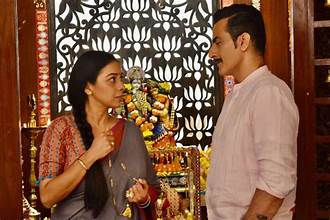
    Vanraj Shah and Anupamaa: In this engaging episode of “Anupamaa,” viewers witnessed another intense confrontation between Vanraj Shah and Anupamaa before their anticipated return to India. The tension between the estranged couple escalated, promising a gripping plot twist for loyal fans. Let’s delve into the details and explore the dynamics of this dramatic encounter.

    Vanraj Shah Confronts Anupamaa Over Past Misunderstandings

    In a riveting turn of events, Vanraj Shah confronted Anupamaa regarding past misunderstandings, reigniting unresolved conflicts between the two. With emotions running high, their verbal exchange was charged with raw intensity, leaving viewers on the edge of their seats.

    An Emotional Rollercoaster for Anupamaa

    Anupamaa, portrayed by the talented Rupali Ganguly, navigated through a whirlwind of emotions during the confrontation with Vanraj Shah. From anger to sorrow, her character displayed a range of sentiments, drawing viewers deeper into her personal journey of self-discovery and resilience.

    Vanraj Shah’s Inner Turmoil

    As the episode unfolded, audiences gained insight into Vanraj Shah’s inner turmoil and conflicting emotions. Actor Sudhanshu Pandey delivered a stellar performance, portraying Vanraj’s struggle with authenticity and depth. His character’s complexity added layers to the narrative, enriching the viewing experience.

    An Intense Face-Off with Far-Reaching Consequences

    The face-off between Vanraj Shah and Anupamaa carried far-reaching consequences, setting the stage for future developments in the storyline. With each word exchanged, the tension between the estranged couple intensified, foreshadowing pivotal moments to come.

    A Cliffhanger Ending Leaves Viewers Wanting More

    As the episode drew to a close, viewers were left on a cliffhanger, eagerly anticipating the resolution of the conflict between Vanraj Shah and Anupamaa. The gripping narrative and compelling performances have set the stage for an enthralling continuation, keeping audiences hooked on the edge of their seats.

  • How an Open Relationship Contributed to Divorce

    How an Open Relationship Contributed to Divorce

    Open Relationship: In today’s society, open relationships are becoming increasingly prevalent. While some view them as a liberating and progressive approach to love and intimacy, others find themselves grappling with unforeseen challenges that can lead to the demise of their marriage. Let’s delve into the complexities surrounding open relationships and explore how they can sometimes pave the way for divorce.

    Unveiling the Facade: The Illusion of Freedom

    Open relationships often begin with the promise of freedom and exploration. Couples may believe that by opening their relationship to outside partners, they can satisfy their desires without sacrificing the security of their primary bond. However, beneath the surface lies a delicate balance that can easily be disrupted.

    The Strain of Jealousy and Insecurity

    One of the primary pitfalls of open relationships is the heightened potential for jealousy and insecurity to emerge. Despite initial agreements and boundaries, individuals may find themselves grappling with feelings of inadequacy or fear of abandonment as their partner explores connections with others. This emotional turmoil can strain the foundation of trust and stability essential for a healthy marriage.

    Communication Breakdown: The Silent Killer

    Effective communication is the cornerstone of any successful relationship, but it becomes even more crucial in the context of an open arrangement. Unfortunately, many couples fail to establish clear and open lines of communication, leading to misunderstandings, hurt feelings, and resentment. Without honest and transparent dialogue, issues can fester beneath the surface until they ultimately reach a breaking point.

    Navigating Boundaries: Walking a Fine Line

    Establishing and respecting boundaries is essential in navigating the complexities of an open relationship. However, maintaining these boundaries requires constant communication, self-awareness, and mutual respect. When boundaries are crossed or disregarded, it can breed feelings of betrayal and erode the trust between partners, ultimately contributing to the downfall of the marriage.

    The Impact on Children: Collateral Damage

    For couples with children, the decision to pursue an open relationship can have far-reaching consequences. Children are highly perceptive and can sense tension and discord within the family dynamic. Witnessing the breakdown of their parents’ marriage can leave lasting emotional scars and disrupt their sense of stability and security.

    Seeking Closure: Moving Forward After Divorce

    While the end of a marriage is undoubtedly painful, it also presents an opportunity for growth and self-discovery. By reflecting on the lessons learned from their failed relationship, individuals can embark on a journey of healing and personal transformation. Whether through therapy, self-care practices, or newfound passions, there is light at the end of the tunnel for those navigating the aftermath of divorce.

  • Lok Sabha Election 2024:  प्रथम चरण का चुनाव आज

    Lok Sabha Election 2024: प्रथम चरण का चुनाव आज

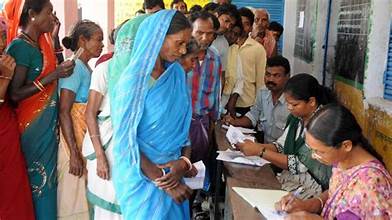
    Lok Sabha Election 2024: सबसे बड़े लोकतंत्र का चुनावी बिगुल बज चुका है। आज पहले चरण के चुनाव के लिए मतदान हो रहा है। पहले चरण में 21 राज्यों और केंद्रशासित प्रदेशों की 102 संसदीय सीटों पर मतदान होगा। कल शाम से ही प्रथम चरण के चुनाव का प्रचार थम गया था। सूत्रों का दावा है अपने-अपने संसदीय क्षेत्र में प्रत्याशियों ने जनता को लुभाने के संदर्भ में खूब मेहनत की है। इसके साथ ही जनता जनार्दन की सुविधाओं को ध्यान में रखते हुए बूथ पर खूब व्यवस्थाएं की गई हैं।

    प्रथम चरण का चुनाव कई हाई प्रोफ़ाइल सींटो पर है। इस चरण के प्रमुख उम्मीदवारों में केंद्रीय मंत्री नितिन गडकरी, सर्बानंद सोनोवाल और भूपेन्द्र यादव, कांग्रेस के गौरव गोगोई, और द्रमुक की कनिमोई शामिल हैं।

    मतदान सुबह सात बजे शुरू हो कर शाम छह बजे तक चलेगा।आयोग ने 1.87 लाख मतदान केंद्रों पर 18 लाख से अधिक मतदान कर्मियों को तैनात किया है। मतदान केंद्रों पर 16.63 करोड़ से अधिक मतदाता अपने मताधिकार का प्रयोग कर सकेंगे. मतदाताओं में 8.4 करोड़ पुरुष, 8.23 करोड़ महिलाएं और 11,371 थर्ड जेंडर शामिल हैं।

    जानें किन राज्यों में होगा प्रथम चरण का चुनाव:

    तमिलनाडु (39)
    उत्तराखंड (5)
    अरुणाचल प्रदेश (2)
    मेघालय (2)
    अंडमान और निकोबार द्वीप समूह (1)
    मिजोरम (1)
    नगालैंड (1)
    पुडुचेरी (1)
    सिक्किम (1) और लक्षद्वीप (1)
    राजस्थान 12
    उत्तर प्रदेश में 8
    मध्य प्रदेश में 6
    असम
    महाराष्ट्र में 5-5
    बिहार में 4
    पश्चिम बंगाल में 3
    मणिपुर 2
    त्रिपुरा
    जम्मू कश्मीर
    छत्तीसगढ़

  • Alert: Rainfall Expected in Delhi with Cooler Temperatures

    The past few days have witnessed unexpected weather changes across India, ranging from scorching heat to sudden showers. Amidst this unpredictability, the Indian Meteorological Department (IMD) has provided updates on the country’s weather conditions.

    Rainfall Patterns and Temperature Fluctuations

    During the last 24 hours, light showers accompanied by thunderstorms occurred in central Maharashtra, Marathwada, and northern interior Karnataka. Meanwhile, scattered light rainfall was observed in northeastern India. In contrast, regions of Saurashtra and Kutch experienced varying degrees of heatwave conditions. Additionally, parts of West Bengal and Odisha are under the grip of scorching temperatures.

    IMD Alert for Delhi: Rain and Cooler Weather

    The IMD has issued a rainfall alert for Delhi on Friday, accompanied by strong winds. This is expected to bring a drop in temperatures by two to three degrees Celsius, providing relief from the recent heatwave. Wind speeds may reach 20 to 30 kilometers per hour. Western disturbances may cause some turbulence, though the sky is expected to remain clear. Light showers are also possible in parts of Delhi-NCR. While no rainfall is anticipated over the weekend, cooler winds may prevail, enhancing the overall pleasant atmosphere. Cloud cover is expected during the weekend, with temperatures ranging between 36 to 37 degrees Celsius.

    Heatwave Alert During Bihar Voting

    In Bihar, along with the voting process, residents are facing a political heatwave. Today marks the voting day for the first phase in constituencies such as Aurangabad, Nawada, Gaya, and Jamui. Candidates from the NDA, including BJP and JD(U), are contesting in Aurangabad and Nawada, while former CM Jitan Ram Manjhi is in the field from Gaya. Chirag Paswan’s brother-in-law, Arun Bharati, is contesting in Jamui. The India Block candidates are contesting on all four seats.

    Heatwave Alert in Bihar

    The IMD has issued a heatwave alert for Bihar from April 19 to 21, covering 14 districts. These districts include West Champaran, East Champaran, Gopalganj, Siwan, Buxar, Kaimur, Rohtas, Aurangabad, Sheikhpura, Nawada, Munger, Khagaria, Jamui, and Banka. Residents are advised to take precautions during this period.

    Weather Outlook Across India

    According to Skymet Weather, on April 19, regions like Jammu and Kashmir, Ladakh, Himachal Pradesh, and Uttarakhand may experience thunderstorms, lightning, heavy rains, and snowfall. Rajasthan may witness rainfall accompanied by strong winds. On the voting day, Jaipur and surrounding areas may experience cloudy skies. Western Uttar Pradesh, eastern Rajasthan, and western Rajasthan may see scattered rainfall. Light to moderate rainfall and gusty winds are possible in northeastern India.

    Looking ahead to the next three days until April 22, light to moderate rainfall is expected in the sub-Himalayan regions of West Bengal and Sikkim. Scattered light rainfall is possible in central Maharashtra and Marathwada. Kerala, coastal Andhra Pradesh, and interior Karnataka may experience scattered showers.

  • Central Ministers Exercise Voting Rights Across India

    Central Ministers Exercise Voting Rights Across India

    Central Minister Kiran Rijiju Casts His Vote

    Central Minister Kiran Rijiju exercised his voting rights in his ancestral village of Nafra in Arunachal Pradesh.

    Lok Sabha Elections 2024: Tamil Nadu BJP State President Annamalai Casts His Vote

    Tamil Nadu BJP President and candidate from the Coimbatore constituency, Annamalai, cast his vote at the Uthupatti polling booth in Karur village.

    Kamal Nath Casts His Vote in Chhindwara

    Former Chief Minister of Madhya Pradesh, Kamal Nath, cast his vote in Chhindwara. Congress has fielded Kamal Nath’s son, Nakul Nath, from this constituency. Nakul Nath is also the incumbent MP from this constituency.

    TMC Lodges 9 Complaints with EC by 7 PM

    During the first phase of Lok Sabha elections, TMC lodged nine complaints with the Election Commission by 7 PM. Four of these complaints are from the Tufanganj area.

    Central Home Minister Amit Shah Urges Voters to Participate

    Central Home Minister Amit Shah tweeted, “Today is an important day as the first phase of voting is underway in the country. I appeal to all voters to cast their votes in large numbers, as your vote has the power to build a secure, developed, and self-reliant India. Your vote is not just to determine the outcome of a Lok Sabha or a candidate, but for the bright future of India. I urge you to choose strong and decisive leadership that has not only liberated the country from corruption, nepotism, and appeasement but also fulfilled its promises. Leadership that has accelerated development while ensuring the safety of borders, and has provided amenities like health, housing, electricity, and gas to every needy individual, and protected the culture and cultural symbols of India.”