Blog

  • Indian Politics and Religion: Unraveling the Ram Temple Inauguration Controversy

    Indian Politics and Religion: Unraveling the Ram Temple Inauguration Controversy

    In the complex tapestry of Indian politics, religion and governance often intertwine, sparking debates and controversies. One recent incident that captured national attention involved the inauguration of the Ram Temple in Ayodhya. This event, led by Prime Minister Narendra Modi on January 22, signified more than a religious ceremony; it represented a pivotal moment in Indian politics.

    The Political Overtones of the Ram Temple Inauguration

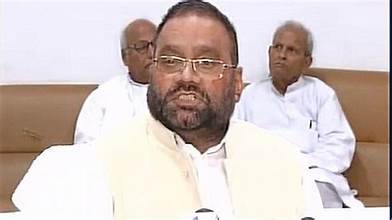
    The Ram Temple’s inauguration was not just a religious event but also a significant political statement. While devotees and supporters saw it as a fulfillment of a long-standing promise, opposition parties viewed it with skepticism. Swami Prasad Maurya, a leader from the Samajwadi Party, expressed concerns over the BJP’s intentions. He questioned the political motives behind the event, suggesting it was more of a party-specific agenda rather than a national celebration.

    Opposition’s Perspective on BJP’s Agenda

    Maurya’s comments reflect a broader concern among opposition parties regarding the BJP’s approach to religious matters. They argue that the BJP seems to prioritize religious issues over other pressing national concerns, a stance they believe could foster social divisiveness. The opposition accuses the BJP of using religion as a tool for political gain, an approach they contend is detrimental to the nation’s secular fabric.

    The Controversy Surrounding PM Modi’s Fasting

    Adding to the political drama, Veerappa Moily, a senior Congress leader, raised doubts about Prime Minister Modi’s recent fasting. Moily questioned the feasibility of Modi’s claimed 11-day water-only fast, suggesting it was physically improbable and potentially a political stunt. This criticism aligns with the opposition’s narrative that the BJP often engages in symbolic gestures that lack substance.

    Balancing Religion and Politics in India

    The intersection of religion and politics in India is a delicate matter. While religious sentiments are deeply ingrained in the Indian psyche, the political exploitation of these sentiments is a contentious issue. The opposition parties, particularly the Congress and the Samajwadi Party, emphasize the need to separate religion from politics, advocating for a governance model that prioritizes secularism and inclusivity.

    The Way Forward

    The ongoing debate between the BJP and opposition parties over the role of religion in politics underscores a fundamental challenge in Indian governance. As India continues to navigate its path as a diverse and secular nation, the balance between respecting religious sentiments and maintaining secular governance remains a critical aspect of its political discourse.


  • Unlock the Secret to Lustrous Locks: The Ultimate Guide to Amla for Hair Health

    Unlock the Secret to Lustrous Locks: The Ultimate Guide to Amla for Hair Health

    In the realm of natural remedies for hair care, Amla, also known as Indian Gooseberry, stands out as a powerhouse of nutrients that can transform your hair from lackluster to radiant. This article delves into the various ways Amla benefits hair health and how you can incorporate it into your beauty routine.

    The Marvelous Benefits of Amla for Hair

    1. Stimulates Hair Growth

    Amla is rich in essential fatty acids and antioxidants, promoting a healthy scalp and encouraging hair growth. Regular use of Amla oil can strengthen hair follicles, reduce hair loss, and even prevent premature graying.

    2. Nourishes and Conditions

    The natural conditioning properties of Amla make it an excellent choice for soft and shiny hair. Whether used in oil form or as part of a hair mask, Amla deeply nourishes each strand, leaving your hair silky smooth.

    3. Dandruff Defense

    Say goodbye to pesky dandruff with the anti-fungal and anti-bacterial properties of Amla. It helps maintain a clean and healthy scalp, preventing dandruff and other scalp issues.

    4. Adds Shine and Texture

    Amla is renowned for its ability to enhance hair texture and impart a natural shine. Including Amla-based hair products in your routine can result in hair that not only looks healthier but feels incredible too.

    How to Use Amla for Maximum Benefits

    1. Amla Oil Massage

    Warm Amla oil and massage it into your scalp, allowing it to penetrate the roots. Leave it on for at least an hour before washing for deeply nourished and strengthened hair.

    2. Amla Hair Mask

    Create a hair mask by mixing Amla powder with yogurt or coconut oil. Apply this mixture to your hair, focusing on the roots and tips, and leave it on for 30 minutes before washing.

    3. Amla Supplements

    If you prefer a hassle-free option, Amla supplements are readily available. Consult with a healthcare professional to determine the right dosage for you.

  • Mercedes-Benz Unveils 2024 GLA SUV and AMG GLE 53 Coupe: A Blend of Style and Power

    Mercedes-Benz Unveils 2024 GLA SUV and AMG GLE 53 Coupe: A Blend of Style and Power

    Mercedes-Benz: In a recent announcement that has set the automobile world buzzing, Mercedes-Benz has officially declared the launch date of its updated GLA SUV and the AMG GLE 53 Coupe in India. Scheduled for release on January 31, 2024, these models are poised to redefine luxury and performance in the SUV segment. The prices will be unveiled during the launch event in Delhi, promising a blend of sophisticated design updates and advanced technical features.

    Design Innovations: The 2024 Mercedes-Benz GLA and AMG GLE 53 Coupe

    The 2024 Mercedes-Benz GLA will predominantly see cosmetic updates at the front, including a redesigned grill, new LED headlamps, and an updated bumper. The introduction of plastic trim on the wheel arches and an updated rear bumper will lend the SUV a fresh and more dynamic appearance. The interior of the GLA facelift will feature an advanced MBUX infotainment system with wireless Android Auto and Apple CarPlay connectivity, along with an ambient lighting system. The Mercedes-Benz AMG GLE 53 Coupe is expected to mirror these design changes, particularly with significant alterations at the front.

    Power and Performance: Engines that Define Excellence

    The new GLA will retain its current engine configurations, including a 1.3L turbo petrol and a 2.0L diesel engine, producing 163bhp and 190bhp respectively. The GLE 53 Coupe, known for its sloping roofline and distinct 53 badge, will feature a 3.0L turbo petrol engine equipped with a 48V mild-hybrid system, capable of generating a remarkable 429bhp. This sports coupe-SUV will be fitted with a 9-speed automatic gearbox and Mercedes-Benz’s renowned 4MATIC system. It is expected to maintain the current model’s acceleration, clocking 0 to 100 km/h in an estimated 5.3 seconds.

    Pricing Expectations: Luxury within Reach

    The 2024 Mercedes-Benz GLA is anticipated to be priced from approximately 45 lakh rupees for the base variant to around 49 lakh rupees for the top-end variant. The Mercedes AMG GLE 53 Coupe is expected to be priced at about 1.3 crore rupees. These price points, while reflecting the premium nature of the vehicles, also promise accessibility to a broader range of luxury vehicle enthusiasts.

    The Anticipation Builds

    As the automotive community eagerly awaits the launch of these updated models, the 2024 Mercedes-Benz GLA and AMG GLE 53 Coupe are set to offer a perfect mix of elegance, power, and advanced technology. They are not just cars but statements of luxury and performance, set to make a significant impact in the Indian automobile market. With their sophisticated design updates and powerful engine setups, these models are sure to appeal to car enthusiasts who appreciate the finer things in life. The Mercedes-Benz name, synonymous with luxury and performance, is all set to further its legacy with these remarkable new additions to its fleet. Stay tuned for more updates as we approach the much-anticipated launch date.

  • Karpoori Thakur: A Beacon of Social Justice and Equality in Bihar’s Political Landscape

    Karpoori Thakur: A Beacon of Social Justice and Equality in Bihar’s Political Landscape

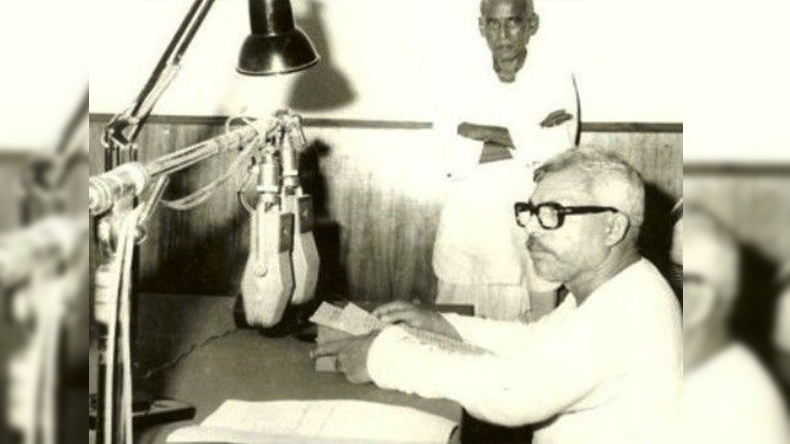
    Karpoori Thakur: The legacy of Karpoori Thakur, fondly remembered as the “Jan Nayak” or the people’s champion in the annals of Bihar’s political history, has been immortalized with the conferment of the Bharat Ratna, India’s most esteemed civilian award. This recognition, announced just before the centenary of Thakur’s birth, has stirred a wave of emotional and reverential responses from political leaders across the spectrum, including heartfelt tributes from Prime Minister Narendra Modi and Bihar Chief Minister Nitish Kumar.

    The Meteoric Rise of Karpoori Thakur: From Humble Beginnings to Political Stalwart

    Karpoori Thakur’s journey to prominence is a tale of resilience and unwavering determination. Born in 1924 into modest circumstances in a small village in Samastipur district, Thakur’s political inclinations were evident from an early age. He actively participated in the Quit India Movement, a significant chapter in India’s struggle for independence, which led to several months of imprisonment. His political career gained momentum with his victory in the 1952 state assembly election from Tajpur, representing the Socialist Party and effectively challenging the long-standing dominance of the Congress Party.

    Breaking Barriers: Karpoori Thakur’s Tenure as Bihar’s First Non-Congress Chief Minister

    Karpoori Thakur’s tenure as the Chief Minister of Bihar, though brief, was marked by significant reforms and progressive policies. Serving from December 1970 to June 1971 and later from June 1977 to April 1979, Thakur’s leadership was instrumental in the implementation of the landmark Mungerilal Commission. This commission played a pivotal role in introducing reservations for economically disadvantaged and socially backward sections, a move that significantly altered the socio-political landscape of Bihar.

    Educational Reforms and Social Justice: The Hallmarks of Thakur’s Leadership

    One of Thakur’s most notable contributions during his tenure was the abolition of English as a compulsory subject in schools. This decision, considered bold and forward-thinking, reflected his commitment to making education more accessible and inclusive. His administration’s focus on social justice was further exemplified by the implementation of quotas for backward classes, particularly recognizing the ‘ati-pichhda’ or the Most Backward Classes as a distinct category.

    A Legacy Beyond Politics: Karpoori Thakur’s Enduring Influence

    Karpoori Thakur’s impact on Bihar’s political and social fabric extends far beyond his tenure as Chief Minister. His unwavering dedication to social justice and equality, coupled with his reputation as a leader untainted by corruption or nepotism, has left an indelible mark. His son, Ram Nath Thakur, continues his legacy as a Rajya Sabha MP from JD(U), while political figures across party lines, including Nitish Kumar and RJD president Lalu Prasad, consider him a guiding influence.

    The Bharat Ratna Recognition: A Fitting Tribute to a People’s Hero

    The bestowal of the Bharat Ratna on Karpoori Thakur is not just a recognition of his individual achievements but a testament to his lifelong commitment to the marginalized and underprivileged. This prestigious honor, announced on the eve of his 100th birth anniversary, resonates deeply with his followers and admirers, reaffirming his status as a stalwart of social justice and equality.

  • Explore India’s Best Destinations for the Republic Day Long Weekend

    Explore India’s Best Destinations for the Republic Day Long Weekend

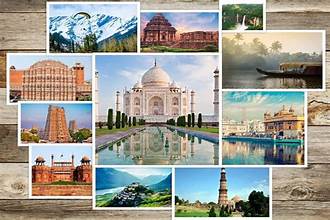
    India’s Best Destinations: As January 26th approaches, marking Republic Day in India, the anticipation for a three-day weekend grows. This year, with the holiday falling on a Friday, it presents a perfect opportunity for a mini-vacation. From historical landmarks to natural wonders, India offers a plethora of destinations for everyone. Whether you’re seeking a patriotic experience, adventure, tranquility, or a historical journey, the country has an array of choices to suit all preferences. This guide will take you through some of the most captivating places to visit during this extended weekend, ensuring you make the most of your time off.

    1. Delhi: The Heart of Republic Day Celebrations

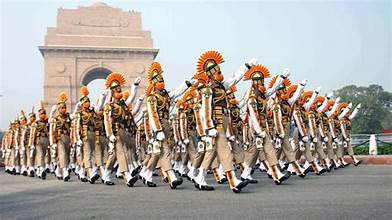
    Delhi, India’s capital, is the epicenter of Republic Day festivities. The grand parade at India Gate is a spectacle of national pride, featuring a display of military might, cultural diversity, and breathtaking air shows. Beyond the parade, Delhi is steeped in history, offering a chance to explore iconic sites like the majestic Red Fort, the towering Qutub Minar, and the historically significant Humayun’s Tomb. These landmarks not only offer a glimpse into India’s rich past but also serve as stunning backdrops for photography enthusiasts.

    2. Jaipur: A Cultural Extravaganza

    Jaipur, the vibrant capital of Rajasthan, known as the Pink City, is a treasure trove of Indian heritage and culture. This Republic Day weekend, delve into the city’s royal past by visiting the magnificent Amber Fort, the iconic Hawa Mahal, and the majestic City Palace. The city is alive with Rajasthani folk dances and music, offering an immersive cultural experience. The blend of ancient architecture and rich traditions makes Jaipur a must-visit destination for those seeking a deeper understanding of India’s royal heritage.

    3. Agra: A Tale of Love and Heritage

    Agra’s claim to fame is its association with the magnificent Taj Mahal, one of the Seven Wonders of the World. The sight of the Taj Mahal bathed in the morning light is a visual treat, symbolizing love and architectural excellence. Additionally, Agra houses other historical gems like the Agra Fort, Akbar’s Tomb, and the ancient city of Fatehpur Sikri. These sites not only contribute to Agra’s historical significance but also offer a comprehensive experience of India’s Mughal era.

    4. Rishikesh: A Spiritual and Adventurous Retreat

    For those seeking a blend of spirituality, patriotism, and adventure, Rishikesh is an ideal choice. Celebrating Republic Day in this holy city adds a unique flavor to the experience. The Ganga Aarti at Rishikesh, an enchanting ritual on the banks of the Ganges, is especially mesmerizing during this time. The town is also dotted with sacred temples like Neelkanth Mahadev Temple, Parmarth Niketan Temple, and Triveni Ghat, offering serene and spiritual environments. Additionally, Rishikesh is known for its adventure sports, providing a perfect balance for thrill-seekers.

    5. Kerala: Serenity and Scenic Beauty

    Kerala, fondly known as God’s Own Country, is a paradise for nature lovers and peace seekers. The state is a symphony of emerald backwaters, sprawling tea gardens, and vibrant cultural landscapes. Destinations like Munnar, Alleppey, Thekkady, and Wayanad showcase the diverse beauty of Kerala. The Republic Day weekend is an ideal time to immerse oneself in the tranquil environment of Kerala, offering a rejuvenating break from the hustle of everyday life.

    6. Darjeeling: The Queen of Hills

    Nestled in the foothills of the Himalayas, Darjeeling is a haven for those who appreciate the finer aspects of nature and culture. The town offers panoramic views of snow-covered peaks and expansive tea gardens. Key attractions include the Batasia Loop, Tiger Hill, and the Darjeeling Himalayan Railway. Republic Day celebrations in Darjeeling are a blend of cultural events, parades, and flag-hoisting ceremonies, set against the backdrop of the stunning Himalayas.

    7. Lakshadweep: An Exotic Island Escape

    Lakshadweep has recently emerged as a trending destination, thanks to its untouched natural beauty and serene beaches. The archipelago is known for its crystal-clear waters and tranquil island atmosphere, making it a perfect spot for a peaceful getaway. Places like Bangaram Island, Agatti Island, Minicoy Island, and Kalpeni Islands offer unique experiences of island life. However, given its remote location and permit requirements, advance planning is essential for a hassle-free visit.

  • India Alliance: क्यों टूटा विपक्षी गठबंधन इंडिया, कांग्रेस बोली ?

    India Alliance: इंडिया गठबंधन (India Alliance)की गांठ खुलती नजर आ रहीं हैं। सीट बटवारे को लेकर दलों के मध्य आपसी सहमति नहीं बन पा रही है। पश्चिम बंगाल की मुख्यमंत्री ममता बनर्जी और कांग्रेस की बीच आपसी बयानबाजी जारी है। ममता ने बीते दिन घोषणा की वह चुनावी मैदान में अकेले ही ताल ठोकेंगी। उनके बयाना से साफ है उन्होंने अपना रास्ता इण्डिया गठबंधन (India Alliance) से अलग बना लिया है। ममता के बयाना के साथ गठबंधन एकता टूट गई और विपक्ष बीजेपी के सम्मुख पुनः धराशायी हो गया। क्योंकि बीजेपी को यह भली भांति मालूम था की विपक्ष की एकता केंद्र की सत्ताहिला सकती है। लेकिन यदि एकता में सेंध लग गई तो एनडीए को चुनावी मैदान में जीत का स्वाद चखने से कोई नहीं रोक सकता। तो आइये जानते हैं क्यों टूटा विपक्षी गठबंधन –

    क्या बोलीं ममता बनर्जी:

    ममता बनर्जी ने पश्चिम बंगाल में अकेले सभी लोकसभा सींटो पर चुनाव लड़ने की घोषणा की है। ममता का दावा है – उनकी पार्टी बंगाल में अच्छी स्थिति में है। वह कांग्रेस को अधिक सीट देकर बीजेपी के लिए जीत के द्वार नहीं खोल सकतीं। हमारा संकल्प एकजुटता और एक नीति के साथ बीजेपी को हराना था। कांग्रेस को लोग पश्चिम बंगाल में रैली कर रहे हैं। मुझे इस विषय में बताया तक नहीं गया। जबकि गठबंधन और एकता की नजर से यह मुझे मालूम होना चाहिए था। वाममोर्चा इण्डिया गठबंधन (India Alliance) को अपने नीति-नियम के अनुकूल चलाना चाहता है। यह संभव नहीं है, हम पश्चिम बंगाल में 42 सभी लोकसभा सीटों पर चुनाव लड़ने की योजना बना रहे हैं।

    जानकारी के लिए बता दें वर्ष 2019 के लोकसभा चुनाव (Loksabha election) में टीएमसी ने 22 और भाजपा ने 18 सीटें जीती थी। बाकी की 2 सींटो पर कांग्रेस ने जीत दर्ज की थी। पुरानी स्थिति के अनुकूल आकलन करें तो कांग्रेस को अपना हठ त्याग दीदी की सहमति पर चुनावी मैदान में उतरना चाहिए। क्योंकि दीदी की वर्तमान में पश्चिम बंगाल में सरकार है और जनता के बीच उनकी लोकप्रियता भी बढ़ रही है। अब ऐसे में यदि कांग्रेस वास्तव में गठबंधन को जीवित रखना चाहती है तो उसे दीदी के साथ पुनः बात कर स्थिति को काबू में रखने का प्रयास करना चाहिए। अन्यथा वह दिन दूर नहीं जब विपक्ष राजनीति से विलुप्त हो जाएगा।

    क्या बोली कांग्रेस:

    कांग्रेस ने स्थिति संभालने की जगह ममता बनर्जी के बयाना पर पलटवार करते हुए उनको मौका परस्त करार दिया है। कांग्रेस के प्रदेश अध्यक्ष अधीर रंजन चौधरी ने ममता बनर्जी को मौका परस्त बताते हुए कहा- उनकी पार्टी बिना किसी की सहायता के सभी सीटों पर चुनाव लड़ सकती है। हमें ममता की मदद की आवश्यकता नहीं। उनको भूलना नहीं चाहिए वह किसकी मदद से सत्ता में आईं थीं। कांग्रेस में अपने बूते चुनाव लड़ने की कला है। हम यह कर लेंगे। हालांकि अभी कांग्रेस के आलाकमान की तरफ से कोई बयाना नहीं आया है। राहुल ने अपनी भारत जोड़ो न्याय यात्रा के दौरान कहा- पार्टी के नेता कभी-कभी कुछ भी बोलते हैं। उनके बयानों के कोई मायने नहीं हैं। ममता से हमारी घनिष्ठता है। नीतीश और ममता हमारी इस यात्रा का हिस्सा होंगे।

  • The Spiritual Significance of Gold in Hindu Worship: Understanding the Tradition and Beliefs

    The Spiritual Significance of Gold in Hindu Worship: Understanding the Tradition and Beliefs

    Hindu Worship: In the tapestry of Hindu religion, the adorning of deities with various objects and ornaments plays a significant role. Gold, in particular, holds a special place in these traditions, not just as a symbol of wealth and prosperity, but as an embodiment of deeper spiritual and cultural beliefs. This article delves into the intricate relationship between gold ornaments and Hindu worship, exploring the reasons behind this age-old tradition, its cultural significance, and how it intertwines with religious practices and mythologies.

    The Cultural and Spiritual Essence of Gold in Hindu Traditions

    Gold has long been associated with divine worship in Hinduism. This precious metal is not only used for its aesthetic appeal but also for its deep-rooted cultural and spiritual significance. Adorning gods with gold is seen in many cultures and traditions within the Hindu faith. Additionally, gold is closely linked with various religious activities and rituals.

    Mythologically, gold has been depicted as highly favored by the gods and goddesses. In some narratives, deities are shown adorned in golden attire, symbolizing their divine nature and status. Gold is often used during specific full moons, religious events, and festivals, either as gifts or as jewelry.

    The Role of Gold in Religious Ceremonies and Worship

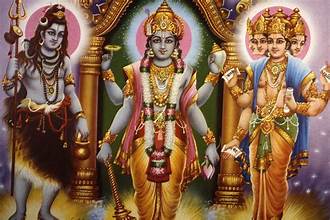
    In Hindu religious practices, gold plays a pivotal role. It is not only used in the crafting of idols and jewelry but is also considered a symbol of devotion and love. The use of gold in religious ceremonies, such as weddings or festivals, underscores its importance. Beyond being a gift, gold idols of deities are also purchased for worship. The tradition of adorning deities with gold jewelry is a time-honored practice.

    Understanding the Reasons Behind Adorning Deities with Gold

    Ornamentation and Beauty

    One of the reasons for using gold in deity adornment is its ornamentation value. Gold enhances the beauty and appeal of the idols and worship spaces, making them more attractive and inviting.

    Expression of Devotion

    Gold, being expensive and visually stunning, enhances the prestige and reverence of the deities. By adorning the gods with gold, devotees express their love and reverence towards the divine.

    Religious Authorities’ Perspective

    According to religious leaders and communities, gold is deemed appropriate for use in religious worship. It is also commonly used as an ornament for the deities, signifying respect and honor.

    Mythological Significance

    Several mythological stories and religious texts focus on specific ornaments believed to be auspicious when worn by deities. These ornaments are used in worship and religious activities.

    The Deeper Meaning of Gold in Hinduism

    The use of gold in Hinduism transcends mere decoration. It is a medium through which devotees express their deepest sentiments of reverence and adoration towards the divine. The radiance of gold symbolizes purity, prosperity, and the spiritual light that guides the devout in their spiritual journey.

  • Bank of Baroda Security Officer Recruitment 2024: Apply Now for 38 Vacant Positions

    Bank of Baroda Security Officer Recruitment 2024: Apply Now for 38 Vacant Positions

    Bank of Baroda Security Officer Recruitment 2024: In an exciting development for job seekers, Bank of Baroda has officially announced a recruitment drive for the position of Security Officer. This presents a golden opportunity for those aspiring to embark on a career in the banking sector. The application process is set to commence on 19th January 2024 and will remain open until 10th February 2024. Interested candidates are required to submit their applications through the official Bank of Baroda website, bankofbaroda.co.in.

    Vacancy Details: A Closer Look

    Bank of Baroda is looking to fill a total of 38 positions in this recruitment drive. The vacancies are distributed across various categories, ensuring a diverse and inclusive selection. Specifically, there are 18 positions available for general candidates, 5 for SC, 2 for ST, 10 for OBC, and 3 for EWS candidates.

    Eligibility Criteria: Who Can Apply?

    For those interested in applying for the Security Officer position, specific eligibility criteria must be met. Candidates should hold a graduate degree in any stream from a recognized university. Additionally, applicants should have a minimum of five years of commissioned service in the Army, Navy, or Air Force.

    Age is also a critical factor in the eligibility criteria. Applicants should be at least 28 years old but not older than 35 years at the time of applying. However, there is age relaxation for candidates from reserved categories as per the government norms.

    How to Apply: Step-by-Step Guide

    1. Visit the Official Website: Candidates need to access the Bank of Baroda official website at bankofbaroda.co.in.
    2. Navigate to the Careers Section: On the homepage, locate and click on the ‘Careers’ section.
    3. Find Current Openings: Within the Careers section, look for the link to current openings.
    4. Select the Recruitment Notification: Look for the notification related to Security Officer recruitment and click on it.
    5. Read Instructions Carefully: It is crucial to thoroughly read the guidelines before proceeding with the application.

    Selection Process: What to Expect

    The selection process for the Security Officer posts at Bank of Baroda is comprehensive, ensuring the selection of the most suitable candidates. It includes an online test and a psychometric test. Successful candidates from these stages will be invited for an interview, which is a significant part of the final selection process.

    Key Takeaways for Aspiring Candidates

    This recruitment drive is a not-to-be-missed opportunity for individuals looking to establish a career in the banking sector, especially in a prestigious institution like Bank of Baroda. With a clear understanding of the vacancy details, eligibility criteria, application process, and selection procedure, aspirants can effectively prepare and apply for these coveted positions.

    The recruitment for Security Officers at Bank of Baroda underscores the bank’s commitment to strengthening its team with skilled and dedicated professionals. Aspiring candidates are encouraged to apply within the stipulated timeframe and seize this chance to be part of a leading banking institution in India.

    For more information and to stay updated on further announcements, applicants are advised to regularly check the official Bank of Baroda website and the Careers section therein. Good luck to all the applicants!

  • Saudi Arabia: A Paradigm Shift with Riyadh’s First Liquor Store

    Saudi Arabia: A Paradigm Shift with Riyadh’s First Liquor Store

    In an unprecedented move, Saudi Arabia is gearing up to open its first liquor store in the capital, Riyadh. This groundbreaking development is particularly aimed at serving non-Muslim diplomats. According to the documentation, customers will need to register through a mobile app, obtain a clearance code from the Foreign Ministry, and adhere to a monthly purchase quota.

    This step is a part of Crown Prince Mohammed bin Salman’s efforts to open the traditionally strict Muslim country to tourism and business. It’s also an integral component of the Vision 2030 plans, which aim to diversify the economy beyond oil. The new store will be located in Riyadh’s Diplomatic Quarter, home to various embassies and diplomatic residences. However, it remains unclear whether this facility will be extended to other non-Muslim expatriates. Saudi Arabia hosts millions of expatriates, predominantly Muslim workers from Asia and Egypt. Sources familiar with the plan indicate that the store will open in the coming weeks.

    Strict Alcohol Laws in Saudi Arabia

    Saudi Arabia has historically had stringent laws against alcohol consumption. Violations could result in hundreds of lashes, fines, imprisonment, and expatriates could face deportation. However, recent legal changes have largely replaced the punishment of lashes with imprisonment. Previously, alcohol was only available through diplomatic mail or the black market.

    Easing of Strict Laws

    In recent years, Saudi Arabia has relaxed some of its strict laws. These include segregation of men and women in public places and the requirement for women to wear fully covering black garments or abayas. As Crown Prince Mohammed’s grip on power strengthens, several changes have been implemented. These include opening the country to non-religious tourism, music festivals, and allowing women to drive.

    Vision 2030 and Economic Diversification

    The Vision 2030 initiative encompasses the development of local industries and logistics centers, with the aim of creating hundreds of thousands of job opportunities for Saudi citizens.


    The decision to open a liquor store in Riyadh marks a significant shift in Saudi Arabia’s approach to alcohol, aligning with broader social and economic reforms under Vision 2030. This move reflects the country’s endeavor to modernize and diversify its economy, stepping away from its oil-dependent past. The introduction of a liquor store, especially in the diplomatic quarter, symbolizes a new era of openness and international engagement.

    The registration process via a mobile app and the need for a clearance code from the Foreign Ministry ensures controlled access, balancing modernization with cultural and religious sensibilities. This careful approach demonstrates Saudi Arabia’s commitment to evolving while respecting its Islamic roots.

    The change in legal stance regarding alcohol, from lashes to imprisonment, signifies a shift towards a more standardized legal framework. This is consistent with the broader legal reforms occurring across the nation.

    As the country prepares to welcome the store’s opening, the move is seen as a test case for future reforms. If successful, it could pave the way for further liberalization in other sectors. The store will likely be closely monitored to assess its impact on Saudi society and its alignment with the country’s long-term objectives.

    Saudi Arabia’s Vision 2030 is not just about economic diversification but also about social transformation. The plan aims to create a more vibrant society, capable of attracting tourists and expatriates from around the world. The liquor store in Riyadh is just one piece of this larger puzzle, representing a bold step towards a more open and diverse Saudi Arabia.

    This strategic shift, while potentially controversial, is a clear indication of Saudi Arabia’s commitment to reinventing itself as a modern, progressive nation ready to engage with the global community on new terms. The country’s leadership seems determined to balance tradition with modernity, preserving its cultural heritage while embracing change that aligns with global trends.

  • Celebrating National Tourism Day: India’s Diverse and Captivating Tourist Destinations

    Celebrating National Tourism Day: India’s Diverse and Captivating Tourist Destinations

    National Tourism Day, observed annually on January 25, serves as a significant reminder of the vital role tourism plays in enhancing the economy and cultural landscape of a country. In India, this day is not just a celebration but a testament to the country’s rich heritage, diverse landscapes, and vibrant culture. With tourism contributing 9.2% to India’s GDP and accounting for 8.1% of employment, the importance of this sector cannot be overstated. India, known for its picturesque beauty ranging from the majestic Himalayas in the north to the serene beaches of the south, is a haven for tourists, both domestic and international.

    Agra: The Epitome of Love and Heritage

    Topping the list of India’s must-visit destinations is Agra, a city that resonates with history and romance. Home to the iconic Taj Mahal, Agra attracts millions of tourists annually, with a staggering 7 to 8 million visitors each year. The Taj Mahal, a symbol of love and one of the Seven Wonders of the World, is not the only attraction in this historic city. Agra also houses the magnificent Fatehpur Sikri, the grand tomb of Akbar, and the impressive Sikandra Fort, each narrating its own story of India’s rich past.

    Rajasthan: A Kaleidoscope of Culture and Art

    Rajasthan, known for its artistic and cultural heritage, stands as a formidable tourist destination. The state, particularly favored by tourists from France and the UK, offers a blend of history, culture, and majestic architecture. Cities like Jaipur, Jodhpur, Jaisalmer, Mount Abu, and Udaipur are not just popular among international travelers but also among Indians who wish to experience the regal splendor of their country. From the grandeur of its forts and palaces to the vibrant local markets, Rajasthan embodies the spirit of Indian tradition and history.

    Delhi: The Heart of India

    India’s capital, New Delhi, is a hub of historical and modern landmarks. The city is a perfect fusion of ancient history and contemporary life. Attractions like the Red Fort, India Gate, Humayun’s Tomb, Qutub Minar, and the Presidential Residence (Rashtrapati Bhavan) are not just architectural marvels but also serve as symbols of India’s rich history and diverse culture. These landmarks attract a substantial number of foreign tourists who are keen to explore the historical and political heart of India.

    Kashmir: A Paradise on Earth

    The mention of tourism in India is incomplete without the picturesque Kashmir. Often referred to as ‘Paradise on Earth’, Kashmir is a destination that has charmed both national and international visitors. The beauty of Gulmarg, the tranquility of Dal Lake, the enchantment of Pari Mahal, the serenity of Pahalgam, and the allure of Nagin Lake are just a few highlights of this heavenly region. The unparalleled beauty of Kashmir not only captivates the hearts of tourists but also provides a serene escape from the hustle and bustle of city life.