Blog

  • Samsung Galaxy S24 vs. iPhone 15: A Comprehensive Comparison for 2024’s Best Smartphones

    Samsung Galaxy S24 vs. iPhone 15: A Comprehensive Comparison for 2024’s Best Smartphones

    In the ever-evolving world of smartphones, two giants consistently vie for the top spot: Samsung and Apple. The launch of the Samsung Galaxy S24 series globally, including in India, marks another chapter in this ongoing rivalry. This series introduces three models: the standard variant, the Plus, and the Ultra, each with its unique features and pricing. Starting at $799 (approximately 66,455 INR), the Galaxy S24 base model poses a significant question for consumers: should they opt for this or switch to the latest from Apple, the iPhone 15?

    Latest in Technology: Apple iPhone 15

    As of now, Apple’s latest offering is the iPhone 15. Priced starting at 79,900 INR, it stands as a formidable competitor to Samsung’s newest models. Let’s delve into a detailed comparison to see which of these smartphones has the upper hand.

    Display: A Visual Feast

    Samsung’s Galaxy S24 boasts a 6.2-inch AMOLED display with a resolution of 2,340 x 1,080 pixels and a variable refresh rate from 1 to 120Hz. On the other hand, the iPhone 15 offers a 6.1-inch OLED display, sporting a higher resolution of 2,556 x 1,179 pixels but with a lower 60Hz refresh rate. While the iPhone’s display promises sharper visuals, the adaptive refresh rate of the Galaxy S24 could provide a smoother user experience.

    Processor: The Powerhouse Within

    The Galaxy S24 is powered by the Qualcomm Snapdragon 8 Gen 3 processor, whereas the iPhone 15 comes equipped with Apple’s A16 Bionic chip. Both processors are leaders in their respective ecosystems, offering top-tier performance, but their real-world implications might vary based on the software and user preference.

    RAM & Storage: The Capacity to Perform

    In terms of memory, the Galaxy S24 comes with 8GB of RAM, whereas the iPhone 15 starts with 6GB. Storage options for the Galaxy S24 include 128GB and 256GB, while the iPhone 15 expands this range to include a 512GB model. This higher storage option in the iPhone 15 might appeal to users who need extensive memory space.

    Camera: Capturing Moments

    The camera setup in these smartphones is a critical aspect of their appeal. The Galaxy S24 features a 50-megapixel primary camera, a 12-megapixel ultrawide camera, and a 10-megapixel telephoto lens with 3x optical zoom. The iPhone 15, in contrast, offers a 48-megapixel wide camera and a 12-megapixel ultrawide camera. Both phones have a 12-megapixel front camera for selfies.

    Battery Life: The Endurance Test

    Battery capacity is another crucial factor. The Galaxy S24 is equipped with a 4,000mAh battery, while the iPhone 15 houses a 3,349mAh battery. This difference could translate into longer battery life for the Galaxy S24, but actual performance will depend on usage patterns and software optimization.

    Making the Smart Choice

    A notable drawback for the Galaxy S24 is the absence of a 512GB variant, which might be a deal-breaker for users seeking higher storage. The iPhone 15’s 60Hz refresh rate, while lower than the S24’s, aligns it with the more expensive Pro range in terms of display quality. Despite a slight difference in resolution, the adaptive panel of the Galaxy S24 can potentially offer a smoother experience. The price difference of about 14,000 INR between the two phones also plays a significant role in decision-making.

  • Exploring the New Frontier in Fixed Deposits: Central Bank of India’s Latest Interest Rate Revisions

    Exploring the New Frontier in Fixed Deposits: Central Bank of India’s Latest Interest Rate Revisions

    Fixed Deposits: In the realm of savings, fixed deposits (FDs) stand as a beacon of security and guaranteed returns. The recent announcement from the Central Bank of India, a prominent public sector lender with a history spanning 113 years, is a significant development for investors eyeing fixed deposits. The bank has made a strategic change in interest rates for FDs under ₹2 crore, marking a pivotal moment for both regular and senior citizen investors.

    Understanding the Revised Interest Rates

    For General Customers: A Range of Options

    The adjustment in interest rates by the Central Bank of India now offers general customers an interest range from 3.5% to 7% for fixed deposits ranging from 7 days to 10 years. This variation provides flexibility and caters to diverse financial planning needs and timelines.

    Senior Citizens: An Edge in Returns

    In a move that acknowledges the financial needs of the elderly, the bank now offers senior citizens an enhanced interest rate ranging from 4% to 7.50% for the same time periods. This boost is a nod to the importance of securing better returns for those in their retirement years.

    The Timeline and Impact of New Rates

    A New Year, New Rates

    These revised interest rates have been in effect since January 10, 2024. The timing aligns with the new year, offering a fresh start for investors and savers to realign their financial strategies.

    Detailed Breakdown of FD Interest Rates

    Short-Term Deposits: A Closer Look

    • For FDs maturing between 7 to 14 days, the bank now offers a 3.5% interest rate.
    • Deposits with a maturity period of 15 to 45 days will earn 3.75%.
    • For those choosing 46 to 59 days, the interest rate is set at 4.50%.
    • Deposits maturing between 60 to 90 days will benefit from a 4.75% interest rate.

    Medium-Term Deposits: Balancing Time and Returns

    • Fixed deposits with a maturity period of 91 to 179 days will see an interest rate of 5.50%.
    • For those opting for 180 to 270 days, the bank offers a 6% return.
    • A slightly longer commitment of 271 to 364 days guarantees a 6.25% return.

    Long-Term Investment Strategies

    • The bank provides a 6.75% interest rate for deposits maturing between 1 to less than 2 years.
    • For those looking at a 2 to 3-year maturity period, the interest rate peaks at 7.00%.
    • Deposits maturing between 3 to less than 5 years will see a 6.50% interest rate.
    • Finally, for the long-haul investors, FDs maturing between 5 to 10 years will earn a 6.25% interest rate.
  • Exploring the Rich Symbolism in Hindu Wedding Traditions: The Significance of the Bridal Rice Ritual

    Exploring the Rich Symbolism in Hindu Wedding Traditions: The Significance of the Bridal Rice Ritual

    In the vibrant and diverse tapestry of Hindu culture, weddings are not just celebrations of love and union but also a deep reservoir of ancient traditions and rituals, each imbued with profound meaning and symbolism. Among these myriad customs, one that stands out for its unique blend of spirituality, tradition, and familial bonds is the practice of the bride scattering grains of rice during her farewell or ‘Vidaai’ ceremony. This ritual, deeply rooted in the ethos of Hindu weddings, carries layers of significance and cultural nuances.

    The Essence of the Rice Scattering Ritual

    At the heart of a Hindu wedding, amidst the sounds of sacred chants and the colorful setting, is the ritual where the bride, while leaving her parental home, scatters rice or paddy grains. This act, though simple in its execution, is laden with deep spiritual and symbolic significance. The ritual symbolizes the bride’s role as a nurturer and her connection to prosperity and abundance.

    The Bride as a Symbol of Prosperity and Fertility

    In Hindu culture, the bride is often compared to Goddess Lakshmi, the deity of wealth and prosperity, and Goddess Annapurna, the goddess of food and nourishment. By scattering rice, a staple food symbolizing sustenance and abundance, the bride is seen as bestowing prosperity and fertility upon her parental home. This act is a poignant reminder of the cycle of life and the continuous flow of blessings and abundance.

    Cultural Variations and Historical Roots

    The practice of scattering rice has its roots in various regional traditions within Hindu culture, with each region adding its unique flavor to the ritual. For instance, in the Nimar region, the tradition holds great significance and has been followed for generations. The rice or paddy grains, touched and scattered by the bride, are collected and preserved by the mother, signifying the retention of prosperity and wealth within the family.

    Key Considerations During the Ceremony

    Astrological and temporal factors play a significant role in the execution of this ritual. Renowned priests and scholars, like Pandit Shailendra Mukhiya, emphasize the importance of conducting the farewell ceremony at an auspicious time. Avoiding periods like ‘Rahu Kaal’ and paying heed to ‘Choghadiya’, an ancient Hindu Vedic time division system, ensures that the ritual is performed at a time that is most conducive to bringing happiness, prosperity, and good fortune to the bride and her family.

    Beyond Rituals: The Broader Implications

    This rice scattering ritual is not just a mere custom; it represents a deep connection with the Earth, acknowledgment of life’s cyclical nature, and respect for the role of women as carriers of prosperity and wellbeing. As modern society evolves, these age-old traditions continue to serve as a bridge connecting the past with the present, reminding us of the enduring power of our cultural heritage.

  • Coaching Guidelines: कोचिंग सेंटर्स की मनमानी पर नकेल,  8वीं, 9वीं के छात्रों को नहीं मिलेगा दाखिला, पढ़े पूरी गाइडलाइन

    Coaching Guidelines: कोचिंग सेंटर्स की मनमानी पर नकेल, 8वीं, 9वीं के छात्रों को नहीं मिलेगा दाखिला, पढ़े पूरी गाइडलाइन

    Coaching Guidelines: समय बदलने के साथ बच्चों की शिक्षा का स्तर भी बदल गया है। पढ़ाई और एडमिशन लेने की ऐसी होड़ मची है कि अभिभावकों ने शिक्षा को बोझ बना दिया है। बच्चे अब स्वंत्रता से नहीं अपने अभिभावकों के भय से पढ़ते हैं। उनके पास न स्वेक्षा से विषय चुनने का अधिकार रह गया है न अपनी मर्जी से पढ़ाई करने का समय। क्योंकि अब सब पहले से ही निर्धारित कर उनपर थोप दिया जाता है। अभिभावक इसे अपने बच्चों के बेहतर भविष्य के लिए उनकी चिंता बताते हैं लेकिन वास्तव में उनके इस व्यवहार ने कोचिंग सेंटर्स को व्यापार करने का मौका दे दिया है। अब प्रयागराज, दिल्ली, नोएडा, कोटा जैसे बड़े शहरों में कोचिंग सेंटर्स की बाजार देखने को मिलती है। यह वह बाजार है जहां अच्छे कॉलेज में एडमिशन दिलवाने से लेकर बच्चों को टॉपर्स बनाने के बड़े-बड़े वादे किये जाते हैं और अभिभावक फाउंडेशन कोर्स के नाम पर बच्चों को 8वीं, 9वीं से ही कॉम्पटीशन की रेस में धकेल देते हैं। हालांकि कोचिंग सेंटर्स की मनमानी पर नकेल कसने के लिए अब शिक्षा मंत्रालय ने गाइडलाइंस जारी की हैं।

    शिक्षा मंत्रालय की गाइडलाइंस के मुताबिक– अब कोचिंग संस्थान 16 साल से कम उम्र के स्टूडेंट्स का अपने यहां दाखिला नहीं कर सकेंगे। मंत्रालय का कहना है वह ऐसा नियम इसलिए लेकर आ रहे हैं ताकि कोचिंग सेंटर्स को कानून के दायरे में लाया जा सके। आज बड़े-बड़े शहरों में कोचिंग संस्थानों की संख्या बढ़ रही है। एडमिश के संदर्भ में खूब दलाली हो रही है। बच्चों पर शिक्षा का बोझ बढ़ रहा है। कम उम्र के बच्चें शिक्षा का बोझ न झेल पाने के कारण आत्महत्या कर रहे हैं। सरकार आत्महत्या के बढ़ते मामलो पर अंकुश लगाने के संदर्भ में यह निर्णय ले रही है।

    शिक्षा मंत्रालय ने यह भी कहा- सरकार ने अपना काम कर दिया है। कोचिंग सेंटर्स की मनमानी पर लगाम लगाने के लिए हम तैयार हैं। बीते वर्ष कोटा में बच्चों द्वारा आत्महत्या के मामलों ने पूरे देश को हिला कर रख दिया। अब अभिभावकों को भी सचेत रहने की आवश्यकता है और कोचिंग सेंटर्स के जाल में अपने बच्चों को फसने से बचाने के लिए प्रयास करने की जरूरत।

    जानें शिक्षा मंत्रालय की गाइडलाइंस:

    • स्टूडेंट्स का एडमिशन 10वीं की परीक्षा के बाद ही होना चाहिए.
    • कोई भी कोचिंग इंस्टिट्यूट ग्रेजुएशन से कम योग्यता वाले टीचरों को नियुक्त नहीं करेगा.
    • स्टूडेंट्स का एडमिशन कराने के लिए कोचिंग संस्थान माता-पिता को किसी भी तरह के भ्रामक वादे, अच्छी रैंक या अच्छे अंक की गारंटी नहीं दे सकते हैं.
    • अब 16 साल से कम उम्र के छात्रों का कोचिंग संस्थान एडमिशन नहीं कर सकते.
    • गुणवत्ता, सुविधाओं या संस्थान में पढ़े स्टूडेंट्स के रिजल्ट को लेकर कोचिंग संस्थान प्रत्यक्ष या अप्रत्यक्ष रूप से किसी भी दावे को लेकर भ्रामक विज्ञापन नहीं दे सकते हैं.
    • कोचिंग संस्थान किसी भी टीचर या ऐसे व्यक्ति की सेवाएं नहीं ले सकते, जो नैतिक कदाचार से जुड़े अपराध के लिए दोषी ठहराया गया हो.
    • कोई भी संस्थान तब तक रजिस्टर नहीं होगा जब तक उसके पास इन दिशानिर्देशों की आवश्यकता के अनुसार परामर्श प्रणाली न हो.
    • कोचिंग संस्थानों की वेबसाइट होगी जिसमें पढ़ाने वाले ट्यूटर्स की योग्यता, पाठ्यक्रम, पूरा होने की अवधि, छात्रावास सुविधाएं और शुल्क को लेकर अपडेट जानकारी होगी.
    • स्टूडेंट्स पर कड़ी प्रतिस्पर्धा और शैक्षणिक दबाव के कारण कोचिंग संस्थानों को उन्हें तनाव से बचाने के लिए कदम उठाने चाहिए और अनावश्यक दबाव नहीं डालना चाहिए.
    • कोचिंग संस्थानों को संकट और तनावपूर्ण स्थितियों में छात्रों को सहायता करने के लिए तत्काल हस्तक्षेप वाली व्यवस्था बनानी चाहिए.
    • विभिन्न पाठ्यक्रमों का शुल्क पारदर्शी और तार्किक होना चाहिए और वसूले जाने वाले शुल्क की रसीद दी जानी चाहिए.
    • छात्र बीच में पाठ्यक्रम छोड़ता है तो उसकी बची अवधि की फीस लौटाई जानी चाहिए.
    • केंद्र सरकार ने सुझाव दिया है कि कोचिंग संस्थनों पर दिशानिर्देशों का उल्लंघन करने पर एक लाख रुपये तक का जुर्माना लगाया जाना चाहिए या ज्यादा फीस लेने पर पंजीकरण रद्द कर दिया जाना चाहिए.
    • सरकार ने दिशानिर्देश के प्रभावी होने के 3 महीने के भीतर नए और मौजूदा कोचिंग संस्थानों का पंजीकरण करने का प्रस्ताव किया है.
    • राज्य सरकार कोचिंग संस्थान की गतिविधियों की निगरानी के लिए जिम्मेदार होंगे.
  • Exploring the Spiritual Essence of the Ram Temple Inauguration in Ayodhya

    Exploring the Spiritual Essence of the Ram Temple Inauguration in Ayodhya

    Ram Temple Inauguration : The ancient city of Ayodhya, located in Uttar Pradesh, India, has long been steeped in spiritual and historical significance, particularly for the Hindu community. Recently, it has regained prominence due to the planned inauguration of the Ram Temple, a momentous event that has ignited both fervor and controversy. This article delves into the various facets of this significant occasion, exploring the cultural, religious, and social dimensions associated with it.

    The Significance of Prana Pratishtha in Ram Temple

    One of the central elements of the upcoming inauguration is the Prana Pratishtha ceremony. Jagadguru Rambhadracharya, a revered figure in Hinduism, explains that this ritual is not dependent on the temple’s architectural completion. He emphasizes that the essence of Prana Pratishtha, or the consecration of a deity, lies in the spiritual and ritualistic aspects, rather than the physical structure of the temple. This statement comes in response to those who argue that the temple must be fully constructed before the ceremony can take place. Rambhadracharya, with his deep knowledge of the scriptures, asserts that such views are misguided.

    Prime Minister Narendra Modi’s Role in the Ceremony

    The choice of Prime Minister Narendra Modi as the chief patron (Yajaman) of the Prana Pratishtha ceremony has also been a topic of discussion. Rambhadracharya addresses this by highlighting the criteria for being a Yajaman. He points out that Modi, known for his ascetic lifestyle and adherence to vegetarianism, fits the ideal of a spiritually disciplined individual, making him a suitable candidate for the role.

    Shankaracharya’s Absence: A Non-Issue?

    Another point of interest has been the absence of the Shankaracharya, another revered spiritual leader, from the event. Rambhadracharya downplays this, suggesting that the importance of the ceremony does not hinge on any individual’s presence. He states that his own participation as a Ramanandacharya holds equal religious weight, thereby ensuring the sanctity and significance of the event.

    Understanding Prana Pratishtha: A Simple Explanation

    For the uninitiated, Prana Pratishtha might be a complex concept. Rambhadracharya breaks it down, explaining that it involves infusing life (prana) into the deity through Vedic chants and rituals. This process, which will be performed on a statue of Ram Lalla (infant Lord Rama), encompasses several intricate rituals including the symbolic opening of the deity’s eyes and various offerings.

    The Divine Offerings to Ram Lalla

    Delving into the more intimate aspects of the ceremony, Rambhadracharya shares details about the offerings that will be made to Ram Lalla. He mentions that the deity will be offered ‘bhog’ (offerings of food), specifically yogurt and rice, with the rice being sourced from Chhattisgarh, believed to be Ram Lalla’s maternal home. This aspect of the ceremony connects the divine with the earthly, highlighting the blend of transcendence and tradition that characterizes Hindu rituals.

    The Ram Temple: A Symbol of Cultural Renaissance

    Beyond the religious and ritualistic elements, the inauguration of the Ram Temple in Ayodhya represents a significant cultural moment for India. It symbolizes a renaissance of Hindu culture and tradition, a reclaiming of historical and spiritual legacy. This event is not just about the construction of a temple, but about the revival of a civilizational ethos that has endured and evolved over millennia.

  • IRCTC Nepal Tour:  नेपाल यात्रा के लिए IRCTC Nepal Tour पैकेज सबसे बेस्ट

    IRCTC Nepal Tour: नेपाल यात्रा के लिए IRCTC Nepal Tour पैकेज सबसे बेस्ट

    IRCTC Nepal Tour: भारत का पड़ोसी देश और प्रभु श्री राम की ससुराल कहा जाने वाला नेपाल बेहद खूबसूरत देश है। नेपाल का सौंदर्य लोगों को खूब आकर्षित करता है। प्रति वर्ष हजारों भारतीय नेपाल की यात्रा पर जाते हैं। वही आज हम आपको नेपाल यात्रा के लिए IRCTC Nepal Tour पैकेज के विषय में बताने जा रहे हैं। यह टूर पैकेज आपको पॉकेट फ्रेंडली बजट में नेपाल की यात्रा करवाएगा।

    नेपाल के इस पैकेज का नाम है Best of Nepal जिसकी शुरुआत राजधानी दिल्ली से होगी। पैकेज में आपको काठमांडू और पोखरा की सैर का मौका मिलेगा। टूर पैकेज आपको एयर टिकट, डिनर, लंच और ब्रेकफास्ट भी देगा। पैकेज के साथ आप पशुपतिनाथ मंदिर दरबार स्क्वायर, तिब्बती शरणार्थी केंद्र जैसी कई जगहों की यात्रा कर पाएंगे।

    पैकेज का लाभ आप 16 फरवरी और 28 मार्च को उठा सकते हैं। इसमें आपको टैवल इंश्योरेंश भी मिलेगा। पैकेज का शुल्क ऑक्यूपेंसी के हिसाब से होगा. नेपाल टूर में सिंगल ऑक्यूपेंसी पर आपको 45,700 रुपये प्रति व्यक्ति, दो लोगों को 37,000 रुपये और तीन लोगों को 36,500 रुपये प्रति व्यक्ति के हिसाब से पैसे देने होंगे।

  • CBSE CTET 2024 Admit Card Release: Essential Updates and Download Guide

    CBSE CTET 2024 Admit Card Release: Essential Updates and Download Guide

    In an unprecedented move, the Central Board of Secondary Education (CBSE) has advanced the release of the Central Teacher Eligibility Test (CTET) 2024 admit cards. This early distribution marks a significant shift from previous patterns and is a pivotal update for all candidates aspiring to partake in the CTET 2024. Scheduled for 21st January 2024, this examination is a gateway for those aiming to establish a career in teaching at the central level.

    CTET 2024: A Comprehensive Overview

    The CTET examination, conducted by CBSE, is an integral evaluation for candidates aspiring to join the education sector. This year, the examination is set to transpire on 21st January across various designated centers throughout the country. The availability of admit cards on the official website ctet.nic.in has been a much-anticipated event, and its early release has been welcomed by aspirants nationwide.

    Unveiling the Admit Card: Steps to Download

    Candidates can access their admit cards by following a simple procedure:

    1. Visit the Official Website: Navigate to ctet.nic.in, the official portal for CTET-related information.
    2. Locating the Admit Card Link: On the homepage, candidates will find the ‘Download Admit Card: CTET-Jan-2024’ link under the ‘LATEST NEWS’ section.
    3. Credentials Entry: The subsequent page requires candidates to enter their application number, date of birth, and the provided security pin.
    4. Admit Card Access: Upon submitting these details, the admit card will appear on the screen, ready for download.

    Exam Day Guidelines and Timing

    The CTET 2024 will be conducted in two shifts to accommodate the vast number of candidates. The first shift is scheduled from 9:30 AM to 12 PM, while the second shift will run from 2 PM to 4:30 PM. It is crucial for candidates to be aware of their specific shift timings as mentioned on their admit cards, to ensure smooth and timely participation in the exam.

    Nationwide Reach: CTET’s Expanding Horizon

    The CTET 2024 will span across 135 cities, reflecting the exam’s extensive reach and significance. The allocation of exam centers has been strategically planned to facilitate the large number of participants, ensuring a seamless and efficient examination process.

    A Milestone in CBSE’s CTET Conduct

    The early release of the CTET admit cards by CBSE marks a milestone in the board’s commitment to efficient and candidate-friendly processes. This move not only aids in better preparation for the candidates but also demonstrates CBSE’s evolving approach towards conducting such significant examinations.

  • JEE Main 2024: Exam Dates, City Allotment, and Preparation Tips

    JEE Main 2024: Exam Dates, City Allotment, and Preparation Tips

    JEE Main 2024: The National Testing Agency (NTA) has recently announced critical updates for the JEE Main 2024, marking a significant moment for engineering aspirants across India. This comprehensive guide aims to provide students with crucial information, including the release of the city allotment slip, exam scheduling, eligibility criteria, and examination structure, along with practical steps to download important documents.

    City Allotment Announcement for JEE Main 2024

    The NTA has made the city allotment slip for JEE Main 2024 Paper I available online. Candidates who are preparing for the BE/BTech examination can now access this vital information through the official NTA JEE website. To retrieve the slip, applicants need their application number and date of birth. This document is particularly important as it details the assigned cities where the examination centers are located. The scheduled dates for the Paper 1 exams are January 27, 29, 30, 31, and February 1.

    Navigating the Official NTA JEE Website

    To assist students in accessing their city allotment slips, here are the steps to follow:

    1. Visit the official NTA JEE website at jeemain.nta.ac.in.
    2. On the homepage, locate and click on the link for the JEE Main 2024 advance city intimation slip.
    3. Enter your login credentials on the newly opened page.
    4. Submit the details to view the city allotment slip.
    5. Review the information, download the slip, and take a printout for future reference.

    JEE Main 2024 Exam Schedule

    The JEE (Main) 2024 Session 1 for BE/BTech candidates is slated from January 24 to February 1. Additionally, Session 2 is scheduled from April 1 to April 15. This scheduling strategy is adopted to avoid conflicts with various Board examinations happening across states and Union Territories. In a notable development, both Paper 2A (BArch) and Paper 2B (BPlanning) will be conducted twice in the year, aligning with the dates of the main exams.

    Eligibility for JEE Main 2024

    The JEE Main exam is a gateway to prestigious institutions like NITs, IIITs, and other Centrally Funded Technical Institutes. The eligibility criteria are set at a minimum of 75% marks in the 12th-grade exams or being in the top 20 percentile of the board exams. For SC/ST candidates, the benchmark is 65%. Candidates must also have specific subject combinations for admission to the respective courses.

    Understanding the JEE Main 2024 Examination Structure

    The JEE Main is structured into two papers:

    • Paper 1 (BE/BTech): This paper includes Mathematics, Physics, and Chemistry with a mix of multiple-choice questions and numerical value answers. It is conducted in Computer-Based Test mode.
    • Paper 2A (BArch): This comprises three parts – Mathematics, an Aptitude Test, and a Drawing Test. The first two parts are conducted in CBT mode, while the Drawing Test is a pen-and-paper-based offline test.
    • Paper 2B (BPlanning): This paper includes Mathematics, Aptitude Test, and Planning-Based Questions, following a similar format to Paper 2A.

    Preparation Tips for Aspiring Candidates

    As candidates gear up for the JEE Main 2024, here are some preparation tips:

    1. Understand the Syllabus: Familiarize yourself thoroughly with the syllabus of each subject.
    2. Time Management: Develop a study schedule that allocates ample time for each subject.
    3. Practice Regularly: Regular practice, especially in subjects like Mathematics and Physics, is crucial.
    4. Mock Tests: Take as many mock tests as possible to get accustomed to the exam pattern and time management.
    5. Health and Wellness: Maintain a balanced diet and ensure adequate rest. Mental and physical health significantly impact performance.
  • Maharana Pratap: The Eternal Legend of Mewar’s Valiant King

    Maharana Pratap: The Eternal Legend of Mewar’s Valiant King

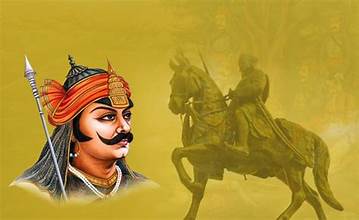
    Maharana Pratap, a name synonymous with unwavering valor and indomitable spirit, continues to be an emblematic figure in Indian history. His reign as the King of Mewar, a period extending from 1572 to 1597, is etched in history as an era of fierce defiance and poignant tragedy. Even centuries after his demise on January 19, 1597, Maharana Pratap’s legend, particularly his role in the iconic Battle of Haldighati, resonates in the hearts of many.

    Early Life and Ascension to Power

    Born into Rajput royalty in 1540 at the majestic Kumbhalgarh fortress in Rajasthan, Pratap was meticulously groomed for leadership and combat under the watchful eye of his mother, Maharani Jaivanta Bai. Succeeding his father, Uday Singh II, at the age of 32, he was immediately confronted with a colossal challenge – the expansionist aspirations of the Mughal Empire, under the rule of Emperor Akbar.

    The Battle of Haldighati: A Testament to Courage

    The year 1576 marked a significant chapter in Maharana Pratap’s reign with the fierce Battle of Haldighati. Despite being heavily outnumbered, Maharana Pratap and his valiant Mewar army engaged in a ferocious conflict against the Mughals in the daunting terrains of a mountain pass. Although the Mughals, led by Akbar, claimed a tactical victory, they fell short of capturing Pratap, who, aided by his legendary steed Chetak, managed a daring escape, embodying the essence of resilience and tenacity.

    Maharana Pratap and Chetak: A Legendary Bond

    The story of Maharana Pratap is incomplete without mentioning his faithful horse, Chetak. In the heat of the Battle of Haldighati, a critical moment came when Chetak, despite suffering a grave injury caused by the tusks of an enemy elephant, heroically carried the injured Maharana away from the battlefield, ensuring his safety. This act of loyalty and bravery has been celebrated in countless folklores and songs, cementing Chetak’s place in history alongside his master.

    Reclamation and Resistance

    Post-Haldighati, while the symbolic heart of Mewar, Chittor, remained out of reach, Maharana Pratap managed to regain control over significant territories. His determination and refusal to bow to Mughal dominance stood as a beacon of resistance. His son, Amar Singh I, later negotiated a truce with the Mughals, symbolizing a blend of valiant resistance and pragmatic diplomacy.

    Legacy and Inspiration

    Maharana Pratap’s life and struggles have transcended time, becoming a source of inspiration for generations. His unwavering commitment to principles, his dedication to his land and people, and his refusal to accept subjugation have made him a symbol of resistance and heroism. Every year, on his death anniversary, people pay homage to this iconic figure through various cultural events and discussions, remembering and celebrating his extraordinary life and enduring legacy.

    Enduring Influence and Cultural Significance

    Maharana Pratap’s narrative continues to inspire those who cherish the values of courage, integrity, and patriotism. His life story, rich in lessons of bravery and resilience, is not just a chapter in history books but a source of motivation for individuals standing against oppression and fighting for their beliefs.

  • Unlock Your Future: Indian Railways Announces Massive Recruitment Drive for Assistant Loco Pilots

    Unlock Your Future: Indian Railways Announces Massive Recruitment Drive for Assistant Loco Pilots

    The Indian Railways, a pivotal entity in the nation’s transport infrastructure, has embarked on an ambitious recruitment drive. This initiative is a golden opportunity for aspirants dreaming of a prestigious government job. The Railways are set to fill a substantial number of positions, specifically for the role of Assistant Loco Pilot (ALP). This move represents a significant step in bolstering the workforce of one of the world’s largest railway networks.

    A Golden Opportunity: Details of the ALP Recruitment Drive

    As part of this recruitment campaign, Indian Railways aims to fill a total of 5,996 positions for Assistant Loco Pilots. This massive hiring initiative is a response to the increasing demand for skilled personnel in the railway sector. Candidates interested in these positions should possess either an ITI certification or a Diploma in the relevant field or discipline. This prerequisite ensures that only qualified and skilled individuals are considered for these critical roles.

    Eligibility Criteria: Age and Educational Requirements

    The notification specifies that candidates must be between 18 and 30 years of age. However, relaxations in age limits are applicable as per government norms for candidates belonging to reserved categories. This inclusive approach ensures a diverse and competent workforce, representative of the nation’s demographic.

    Remuneration: Salary Package for Assistant Loco Pilots

    Selected candidates for the role of Assistant Loco Pilot will be initially offered a salary of INR 19,900. This competitive remuneration package reflects the importance and responsibility of the ALP position in the smooth operation of the railway network.

    Selection Process: A Comprehensive Assessment

    To qualify as an Assistant Loco Pilot, candidates must undergo and successfully complete a series of evaluations. This includes Stage 1 Computer Based Test (CBT), Stage 2 Computer Based Aptitude Test (CBAT), followed by a Stage 3 Medical Examination. These rigorous testing procedures are designed to ensure that only the most capable and apt candidates are selected for these vital roles.

    Application Fee: A Small Step Towards a Big Future

    Prospective candidates are required to pay an application fee as part of the recruitment process. General and OBC category candidates must pay INR 500, while those belonging to SC, ST, Ex-Servicemen, PwBD, Female, and Third Gender categories need to pay INR 250. This fee structure is structured to be equitable and inclusive, ensuring that candidates from various socio-economic backgrounds can participate in the recruitment drive.

    How to Apply: A Simple and Accessible Process

    Candidates interested in applying for the Assistant Loco Pilot positions should visit the official Indian Railways website at IndianRailways.gov.in. The application process involves clicking on the relevant link on the homepage and following the instructions provided. For further information or assistance, candidates can refer to the official website. This user-friendly application process is designed to ensure a hassle-free experience for all applicants.


    Maharana Pratap: The Eternal Legend of Mewar’s Valiant King