Blog

  • Indian Supreme Court Challenges Caste-Based Discrimination in Prisons: A Comprehensive Overview

    Indian Supreme Court Challenges Caste-Based Discrimination in Prisons: A Comprehensive Overview

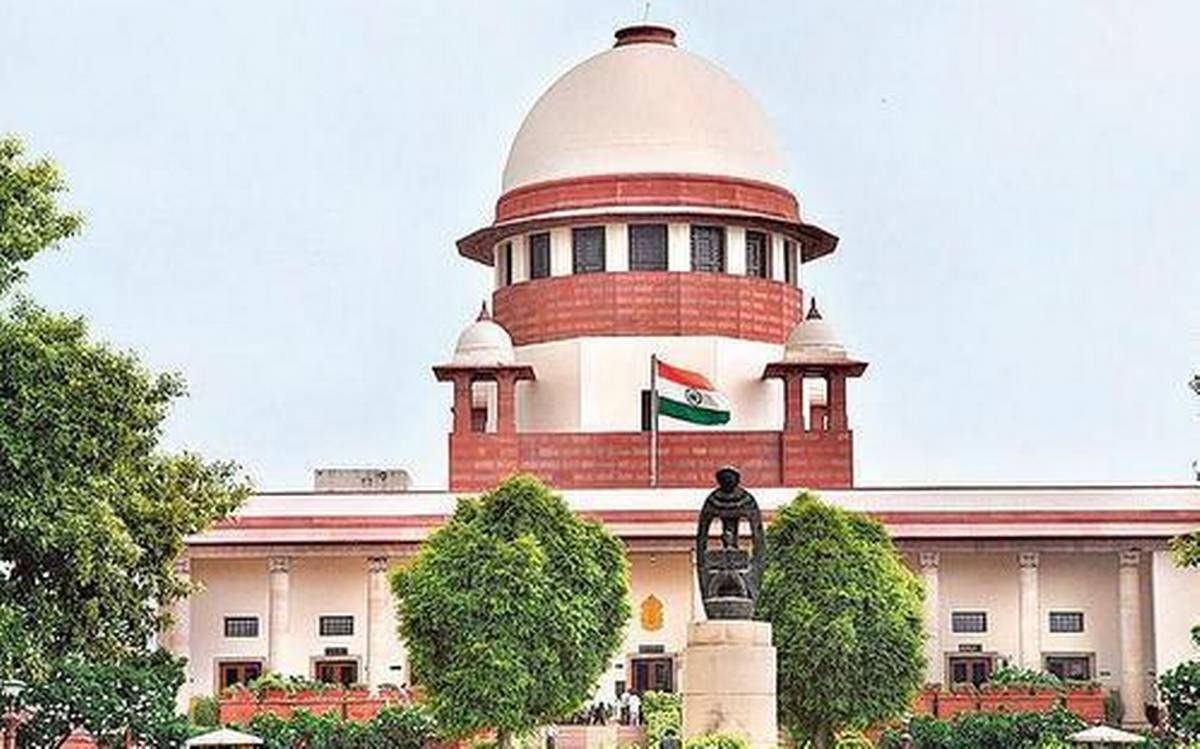
    In a landmark move, the Supreme Court of India has taken a significant step toward addressing the long-standing issue of caste-based discrimination in prisons across the country. On January 3, the apex court issued notices to the Central Government and 11 state governments, including Uttar Pradesh and West Bengal, in response to a petition highlighting the prejudiced allocation of work to prisoners based on their caste.

    Understanding the Context of the Supreme Court’s Intervention

    The bench, led by Chief Justice D.Y. Chandrachud, Justice J.B. Pardiwala, and Justice Manoj Mishra, focused on the arguments presented by senior advocate S. Muralidhar. The primary concern was the alleged caste-based work allocation in prison manuals across these 11 states.

    The Advocate’s Stance on Caste Discrimination in Jails

    Senior advocate Muralidhar brought to light the discriminatory treatment of prisoners belonging to lower castes and habitual offenders. He emphasized the unfair practice of assigning work based on caste, leading to blatant discrimination against lower-caste prisoners.

    Supreme Court’s Directive to Address the Issue

    The Supreme Court’s directive was a response to a public interest litigation filed by Sukanya Shanta, a resident of Kalyan, Maharashtra. Solicitor General Tushar Mehta was urged to assist the court in addressing the issues raised in this petition. Mehta expressed his unawareness of caste-based discrimination, stating that work distribution is usually based on the status of the prisoners, whether they are undertrials or convicts.

    States Notified by the Court

    The states that have been issued notices include Uttar Pradesh, West Bengal, Madhya Pradesh, Andhra Pradesh, Telangana, Punjab, Odisha, Jharkhand, Kerala, Tamil Nadu, and Maharashtra. The Supreme Court has scheduled the next hearing on this matter four weeks from the date of the order.

    The Core Issue: Caste-Based Work Allocation in Prisons

    Historically, many Indian jails, including those in Rajasthan, have followed the British-era prison manuals, which involve asking prisoners about their caste upon entry. A human rights organization claimed that lower-caste prisoners are often assigned menial tasks like toilet cleaning and jail maintenance.

    Reports suggest that individuals from the lower end of the caste pyramid are relegated to cleaning duties, while those from higher castes handle kitchen responsibilities or legal documentation. The affluent and influential often escape any form of labor. Despite minimal revisions, the British-era manuals continue to influence the functioning of various state prison manuals.

    The Call for Change and Justice

    This intervention by the Supreme Court marks a critical step in challenging the deep-rooted caste system and its manifestations in Indian prisons. The court’s decision to question and potentially reform these practices signals a move towards a more equitable and just system.

    The Indian judiciary’s role in addressing these systemic issues underscores the need for continual vigilance and reform to uphold human rights and dignity, irrespective of caste. As the nation awaits further developments, this case could set a precedent for future actions against discrimination in various spheres of Indian society.

    The Supreme Court’s actions have opened the doors to a much-needed dialogue and introspection about the legacy of caste-based discrimination in India. It emphasizes the responsibility of the judicial system to safeguard the rights of all citizens, especially the most vulnerable. This case represents not just a legal battle but a fight for social justice, equality, and the dignity of every individual.

    As the proceedings unfold, it’s crucial to stay informed and engaged with this critical issue that affects the very fabric of Indian society. The outcome of this case could be a landmark moment in the country’s ongoing journey towards social equality and justice.

  • Delhi Excise Policy: अरविंद केजरीवाल की होगी गिरफ्तारी ?

    Delhi Excise Policy: अरविंद केजरीवाल की होगी गिरफ्तारी ?

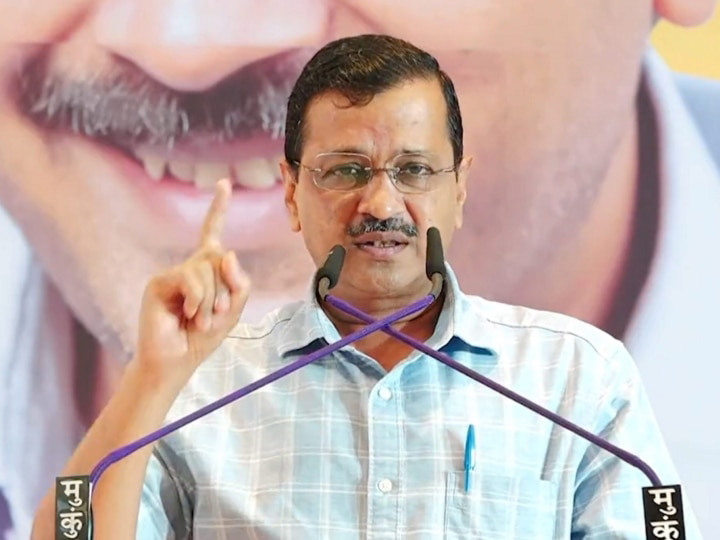
    Delhi Excise Policy: दिल्ली में शराब नीति घोटाला मामले में आम आदमी पार्टी की समस्याएं बढ़ती जा रही हैं। पहले उपमुख्यमंत्री मनीष सिसोदिया की गिरफ्तारी हुई और अब दिल्ली के मुख्यमंत्री अरविंद केजरीवाल पर तलवार लटकी है। ईडी तीन बार मुख्यमंत्री अरविंद केजरीवाल को पेश होने का नोटिस दे चुकी है। लेकिन मुख्यमंत्री अरविंद केजरीवाल ईडी के सामने पेश नहीं हुए। आम आदमी पार्टी शंका जता चुकी है की आप नेता और मुख्यमंत्री अरविंद केजरीवाल की गिरफ्तारी हो सकती है। पुलिस ने मुख्यमंत्री आवास की तरफ जाने के रास्तों को बंद किया है। मुख्यमंत्री आवास के एम्प्लॉय भी आवास के भीतर नहीं जा पा रहे हैं।

    क्या कहते हैं सूत्र:

    सूत्र लगातार दावा कर रहे हैं कि दिल्ली के मुखिया अरविंद केजरीवाल की गिरफ्तारी होगी। क्योंकि उन्होंने तीन बार ईडी के नोटिस को नजरअंदाज किया है। आम आदमी पार्टी नेताओं का कहना है कि अगर ईडी केजरीवाल के आवास पर पहुँचती है तो हम लोग प्रदर्शन करेंगे। आप नेताओं ने पार्टी दफ्तर पहुंचना आरम्भ कर दिया है। बीजेपी नेताओं का कहना है कि केजरीवाल के रवैया ने यह साफ़ कर दिया है कि उनको कानून व्यवस्था पर विश्वास नहीं है।

    आप नेता आतिशी ने कहा- जिस तरह से ईडी बार-बार केजरीवाल को नोटिस भेज रही है। यह राजनीति से प्रेरित है। जब उन्होंने ईडी से सवाल पूछा की उनको पूछताछ के लिए क्यों बुलाया जा रहा है तो ईडी इसका जवाब क्यों नहीं दे रही है।

  • Ram Mandir Inauguration: 30 साल पहले किसने तैयार किया था राम मंदिर का डिजाइन

    Ram Mandir Inauguration: 30 साल पहले किसने तैयार किया था राम मंदिर का डिजाइन

    Ram Mandir Inauguration: 22 जनवरी को भव्य राम मंदिर का शुभारम्भ होना है। प्राण प्रतिष्ठा कार्यक्रम में कई दिग्गज हस्तियों समेत देश के अलग-अलग राज्यों से साधू-संत पहुंच रहे हैं। राम मंदिर वर्तमान में आकर्षण का केंद्र बना हुआ है। 22 जनवरी के बाद राम मंदिर के द्वार आम आदमी के लिए खुल जाएंगे। सोशल मीडिया से लेकर मेन स्ट्रीम मीडिया तक राम मंदिर की तस्वीरें सुर्खियों में बनी हुई हैं। राम मंदिर की भव्यता मन मोहित कर रही है। वही आज हम आपको इस लेख में बताने जा रहे हैं कि आखिर इस सुंदर भव्य राम मंदिर का डिजाइन किसने बनाया है।

    किसने बनाया है राम मंदिर का डिजाइन:

    भव्य राम मंदिर का डिजाइन चंद्रकांत सोमपुरा ने बनाया है। उनकी 15 पीढ़ियां मंदिर के डिजाइन बनाने का काम कर रही हैं। वह अब तक देश के कई भव मंदिरों का डिजाइन तैयार कर चुके है। उनके द्वारा ही सोमनाथ मंदिर और बिरला मंदिर का डिजाइन बनाया गया है जो आज लोगों को काफी पसंद है। चंद्रकांत सोमपुरा ने राम मंदिर का डिजाइन 30 वर्ष पूर्व ही बना लिया था।

    चंद्रकांत सोमपुरा के मुताबिक उनको पूरा विश्वास था की उनके राम लला की जीत होगी और वह उनका मंदिर भारत में आकर्षण का केंद्र बनाना चाहते थे। चंद्रकांत सोमपुरा ने 30 वर्ष पहले ही राम मंदिर का डिजाइन तैयार किया था जिसमें वर्तमान में कुछ परिवर्तन किये गए और अब उसी डिजाइन से प्रभु श्री राम का भव्य मंदिर तैयार किया जा रहा है।

  • The Political Funding Landscape in India: Analyzing the Major Donations to Parties in 2022-23

    The Political Funding Landscape in India: Analyzing the Major Donations to Parties in 2022-23

    The dynamics of political funding in India have always been a topic of intense scrutiny and interest. With the recent disclosures for the fiscal year 2022-23, a comprehensive analysis reveals significant insights into how political parties, including the Bharatiya Janata Party (BJP), the Indian National Congress, and various regional parties, finance their operations. This deep dive into the latest financial contributions, based on a report released by the Association for Democratic Reforms (ADR), highlights the predominant sources of funding for these parties, the role of electoral trusts in this process, and the evolving landscape of political donations in India.

    The Dominance of BJP in Receiving Contributions

    In the fiscal year 2022-23, the BJP emerged as the primary beneficiary of political donations, securing over ₹250 crores, a figure that represents a significant share of the total donations received by all parties. This influx of funds underscores the BJP’s dominant position in the Indian political arena, both in terms of popular support and financial backing. The data, as released by ADR, reflects a trend where the BJP consistently outpaces its competitors in attracting substantial financial contributions, a factor that plays a crucial role in its expansive election campaigns and organizational activities.

    The Surprising Rise of Regional Players

    Another noteworthy aspect of the recent funding patterns is the substantial donations received by regional parties. The Bharat Rashtra Samithi (BRS), in particular, has made a notable entry by securing approximately 25% of the total donations. This shift in donor preference, where a regional party is outperforming the traditional national party, the Indian National Congress, in fundraising, signals a changing dynamic in Indian politics. It highlights how regional parties are increasingly gaining prominence and becoming pivotal players on the national stage.

    Understanding the Role of Electoral Trusts

    Electoral trusts have emerged as a vital conduit for political donations in India. The ADR report meticulously details the contributions made to these trusts in the 2022-23 financial year. An analysis of the data reveals that 39 corporate and business entities have collectively contributed over ₹363 crores to various electoral trusts. Among these, the Prudent Electoral Trust received the lion’s share, with donations exceeding ₹360 crores from 34 different corporate houses.

    Furthermore, other trusts like the Samaj Electoral Trust and the Paribartan Electoral Trust also played significant roles in channeling funds to political parties. These trusts received contributions amounting to ₹2 crores and ₹75.50 lakhs, respectively, from different companies. The Triumph Electoral Trust was another notable entity in this landscape, with donations of ₹50 lakhs. The growing significance of electoral trusts in the Indian political funding mechanism underscores a more organized and corporate-driven approach to political donations.

    Distribution of Funds Among Political Parties

    The detailed breakdown of the donations reveals a skewed distribution of funds among the political parties. The BJP, as mentioned earlier, received a staggering 70.69% of the total contributions made through electoral trusts, amounting to ₹259.08 crores. Following it, albeit at a considerable distance, is the BRS with 24.56% of the total funds, equating to around ₹90 crores. Other notable recipients include the YSR Congress, Aam Aadmi Party, and the Indian National Congress, collectively securing ₹17.40 crores.

    This distribution pattern not only reflects the current political preferences of donors but also indicates the varying levels of influence and outreach of different political parties in India. The disproportionate allocation of funds to certain parties raises questions about the level playing field in the electoral process and the impact of financial muscle on political outcomes.

  • North India Gripped by Intense Cold Wave and Dense Fog: A Comprehensive Analysis

    North India Gripped by Intense Cold Wave and Dense Fog: A Comprehensive Analysis

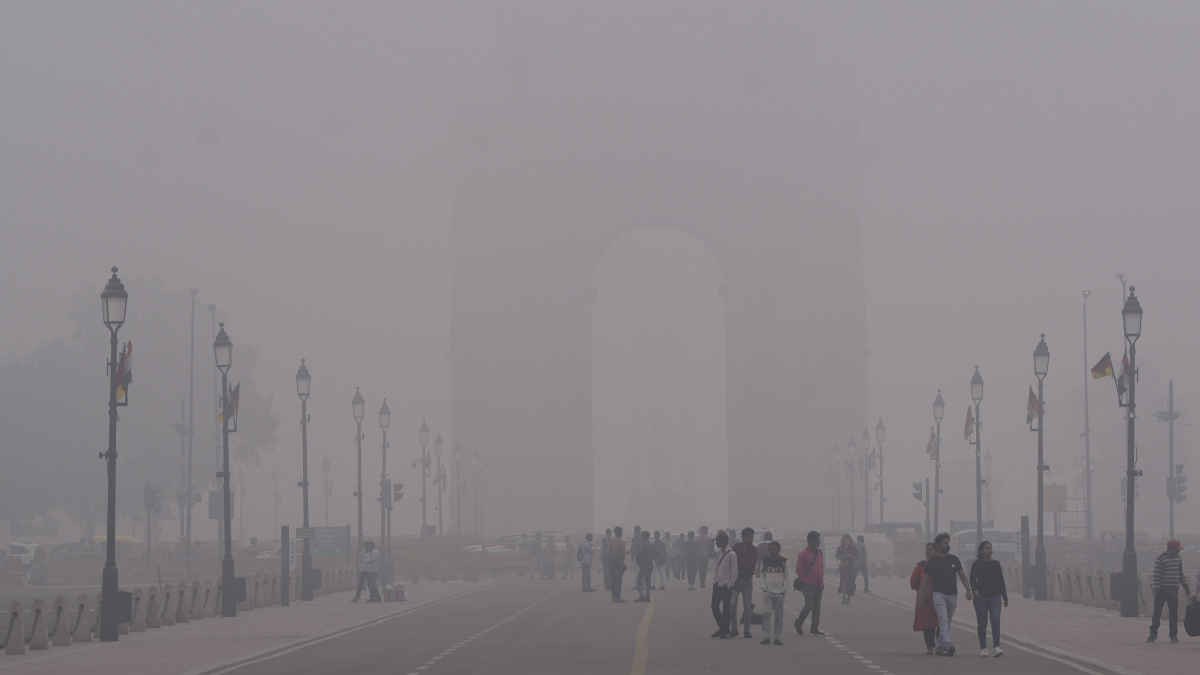
    The northern region of India is currently experiencing a severe cold wave, marked by dense fog and plummeting temperatures. This weather phenomenon is not only impacting daily life but also causing disruptions in transportation and other services across multiple states.

    The Onset of Harsh Winter Conditions

    As the cold wave tightens its grip, states such as Jammu & Kashmir, Delhi, Punjab, Haryana, and Uttar Pradesh are enveloped in dense fog. The combination of fog and icy winds has escalated the challenges faced by the residents. Furthermore, a thick layer of fog has been reported across 15 states including Madhya Pradesh, Uttar Pradesh, Bihar, and Rajasthan. Due to the fog, visibility in 22 cities has dropped to a range between zero to 200 meters, significantly affecting daily activities and transport.

    Transportation Woes: Flights and Trains Delayed

    The reduced visibility has led to multiple flight delays at Delhi Airport. Similarly, trains across North India are running behind schedule, with some experiencing delays of up to 10 hours. This has caused considerable inconvenience to passengers who are forced to endure long waits in the cold at railway stations. The North Western Railway has taken additional measures to ensure the safe operation of trains in these challenging conditions, including issuing guidelines for various departments and providing loco pilots with ‘Fog Safety Devices.’

    Weather Updates Across Regions

    Impact on Visibility

    On a particular Thursday morning, visibility in various parts of the country was recorded between 25 to 500 meters. Specific cities like Bareilly, Lucknow, and Prayagraj in Uttar Pradesh reported visibility as low as 25 meters. In Delhi, the visibility at Safdarjung was around 500 meters, and at Palam, it was 700 meters. Rajasthan’s Bikaner and Jaisalmer and Bihar’s Gaya and Patna also faced low visibility conditions.

    Cold Day Alerts and Temperature Drops

    Several regions including Delhi, Punjab, Haryana, Chandigarh, and parts of Rajasthan were issued cold day alerts. The minimum temperature in these areas has shown a significant drop. For instance, Delhi recorded a minimum temperature of 9.4 degrees Celsius on Thursday, with an expected range of 7 to 19 degrees Celsius.

    The Extreme Cold in Jammu & Kashmir

    The Meteorological Department reports that Jammu & Kashmir is experiencing some of the harshest winter conditions in India. In Srinagar, the temperature has plummeted to 4.8 degrees Celsius below zero, causing lakes and even drinking water to freeze. Similar conditions are reported in other areas like Kupwara, Anantnag, Kargil, and Ladakh.

    Forecast for the Coming Days

    The weather department anticipates no significant change in the minimum temperatures in East India over the next two days, followed by a possible increase of 2-3 degrees Celsius. In Central India, a rise of 2-3 degrees Celsius is expected over the next three days, with no major changes thereafter.

    Coping with the Cold Wave

    This severe weather event calls for heightened preparedness and safety measures. Residents are advised to keep warm, check for weather updates regularly, and plan their travel accordingly to avoid the risks associated with reduced visibility and delayed transportation services.

  • Deepika Padukone and Ranveer Singh: Bollywood’s Power Couple on Family, Fame, and Future Projects

    Deepika Padukone and Ranveer Singh: Bollywood’s Power Couple on Family, Fame, and Future Projects

    In the effervescent world of Bollywood, few couples capture the imagination quite like Deepika Padukone and Ranveer Singh. Their journey, both personal and professional, has been a source of fascination and admiration for fans worldwide. As they mark over five years of marital bliss, the duo continues to enchant and inspire, be it through their cinematic ventures or their life off-screen.

    Deepika Padukone and Ranveer Singh: Embracing the Future Together

    In a candid interview with Vogue Singapore, Deepika Padukone shed light on her life with Ranveer Singh, revealing their aspirations and plans for the future, particularly regarding starting a family. “Ranveer and I adore children,” Deepika shared. “We eagerly await the day we begin our own family journey.” This statement not only reflects their deep personal bond but also their readiness to embrace a new phase in life.

    The actress, renowned for her grounded nature despite her fame, also opened up about the values she holds dear. “Being in the industry, it’s easy to get influenced by fame and money. But at home, I’m treated first as a daughter and a sister, roles I cherish deeply. My family keeps me grounded, and Ranveer and I hope to instill the same values in our children.”

    Deepika’s Take on Family and Fame

    Deepika’s perspective on fame and its impact on personal life is both refreshing and insightful. In an industry where celebrity status can dominate personal interactions, she emphasizes the importance of maintaining her identity beyond her professional achievements. “At home, nobody treats me like a celebrity. That aspect of my life never infiltrates our family dynamics,” she explained. This approach underscores the couple’s commitment to a grounded and balanced lifestyle, something they intend to pass on to their future children.

    Deepika Padukone’s Stellar Career Trajectory

    On the professional front, Deepika Padukone’s journey continues to scale new heights. In 2023, she was part of two major blockbuster films. She appeared alongside Shah Rukh Khan and John Abraham in ‘Pathan’ and made a special cameo in Khan’s ‘Jawan’. Looking ahead to 2024, Deepika is set to appear in ‘Fighter’, sharing the screen with Hrithik Roshan. Directed by Siddharth Anand, this much-anticipated film is slated for a January 25 release.

    A Blend of Personal and Professional Brilliance

    Deepika Padukone and Ranveer Singh, as individuals and as a couple, represent a harmonious blend of personal integrity and professional excellence. Their journey together, marked by shared values, aspirations, and remarkable achievements in the Indian film industry, continues to captivate and inspire. As they step into the future, balancing their ambitions with a strong sense of familial values, they remain not just a power couple in Bollywood but also role models for many aspiring to a similar harmony in life.

  • The Significance of the Lanyard in Police Uniforms: An Insight into Its History and Function

    The Significance of the Lanyard in Police Uniforms: An Insight into Its History and Function

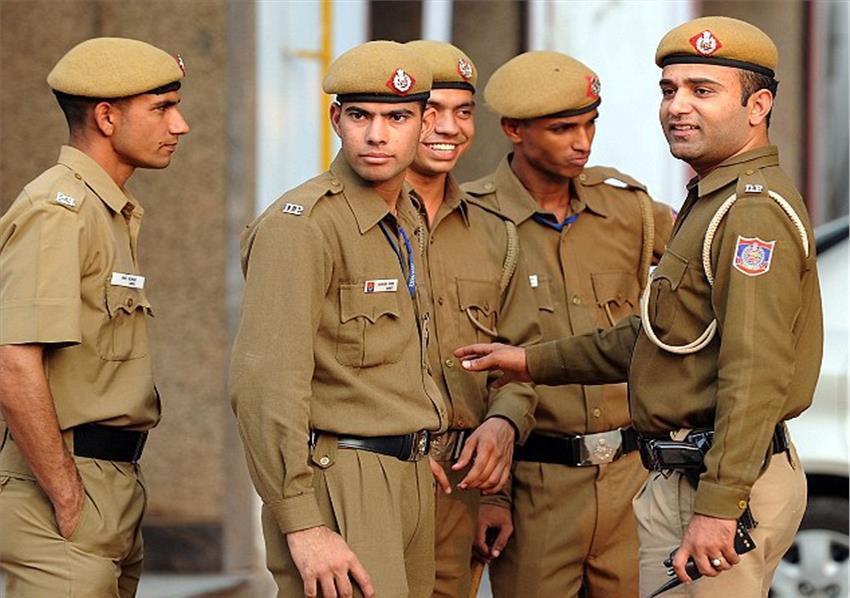
    Police Uniforms: The police force plays a critical role in maintaining peace and order in society. In times of emergency, they are often the first responders we think of. Across various states, police departments operate under the state government, and it’s interesting to note the differences in their uniforms, including the unique addition of a lanyard. But have you ever wondered about the purpose of the lanyard on a police officer’s uniform? Let’s delve into the significance and functionality of the lanyard in police attire.

    Understanding the Lanyard in Police Uniforms

    What is a Lanyard?

    The lanyard, a rope-like accessory, is more than just a decorative element in police uniforms. If you’ve ever observed closely, you might have noticed this cord extends to the officer’s pocket. Typically, this lanyard is attached to a whistle, conveniently placed in the front chest pocket. This setup ensures the whistle is easily accessible for the officer when needed.

    The Varied Colors of Lanyards

    Lanyard Colors in Different Forces

    Apart from the police, the Indian Army and paramilitary forces also incorporate lanyards in their uniforms. The color of the lanyard often signifies the rank of the officer. For instance, higher-ranking officers (DSP/SSP and above) in the police and paramilitary forces usually wear black lanyards, while those of lower ranks have khaki ones. However, the lanyard color can vary in different states. In the army, the lanyard color a soldier wears depends on their specific regiment.

    The Function of the Whistle

    Whistle: A Tool for Emergency Communication

    The whistle attached to the lanyard is not merely for ornamental purposes. In emergency situations, police officers and other security personnel use it as a vital communication tool. Whether it’s signaling a vehicle to stop or sending a message to a fellow officer during a crisis, the whistle serves as an efficient means of communication. While it’s commonly used for traffic control, in urgent scenarios, the whistle can also be used for alerting a crowd or conveying messages among officers.

    The Historical Significance of the Lanyard

    Origins of the Lanyard in Uniform

    The use of lanyards dates back to the late 15th century, with evidence of its use by French soldiers and ship crew members. It was primarily used to secure weapons or important items during battles or when boarding ships. The term ‘lanyard’ itself originated from the French word ‘lanière’, meaning strap or cord.

  • Understanding Halal and Haram in Islam: The Dos and Don’ts of Pet Keeping

    Understanding Halal and Haram in Islam: The Dos and Don’ts of Pet Keeping

    In many cultures, keeping pets is not just a hobby but a deeply ingrained practice. For some, pets are considered family members, and their absence is deeply felt. However, it’s important to note that religious beliefs can significantly influence pet-keeping habits. Islam, in particular, has specific guidelines regarding which animals can be kept in Muslim households. These guidelines stem from the religion’s fundamental teachings, and adherence to them is considered a sign of faith and respect for Islamic laws.

    What Are Halal and Haram?

    Before diving into the specifics of pet keeping in Islam, it’s essential to understand the concepts of ‘halal’ and ‘haram.’ In Arabic, ‘halal’ translates to ‘permissible’ or ‘lawful,’ referring to what is allowed under Islamic law. Conversely, ‘haram’ means ‘forbidden’ or ‘prohibited,’ denoting actions or items that are not permissible. These concepts extend to various aspects of a Muslim’s life, including diet, behavior, and, pertinent to our discussion, the types of animals that can be kept as pets.

    Haram Animals in Islam

    Islam’s teachings on pet keeping are detailed and specific. Certain animals are considered ‘haram’ to keep, primarily due to their perceived impurity or the nature of their behavior. Here are some of the animals deemed haram in Islamic teachings:

    Dogs

    In various Islamic texts, dogs are often seen as impure animals. According to Islamic law, if a dog’s saliva comes into contact with any item, that item is considered unclean. However, Islam does make exceptions for keeping dogs for specific purposes, such as hunting or guarding.

    Pigs

    Pigs are also considered impure in Islamic law. This extends to the point where even mentioning pigs is often frowned upon in devout Muslim circles.

    Birds of Prey

    Birds such as eagles, hawks, and other predatory birds are generally considered haram because they are hunters by nature. Keeping such birds as pets is not permissible under Islamic teachings.

    Reptiles

    Certain scholars and interpretations of Islamic law view reptiles like snakes and lizards as haram, mainly due to their potential danger.

    Insects

    Some insects are also seen as haram, especially those that are deemed harmful or a nuisance. This includes insects that can cause damage or have harmful characteristics.

    Halal Animals: Permissible Pets in Islam

    While the list of haram animals is specific, there are many animals considered halal and permissible to keep as pets. These include:

    1. Cats: Often revered in Islamic culture, cats are considered clean animals and are allowed in homes.
    2. Fish: Keeping fish in an aquarium is generally permissible as they are seen as peaceful and clean.
    3. Certain Birds: Birds that are not predatory, such as parrots and pigeons, are allowed.
    4. Farm Animals: In a rural setting, keeping farm animals like cows, goats, and sheep is permissible and common.

    Cultural Impact and Modern Interpretations

    The impact of these religious guidelines on Muslim households cannot be overstated. They not only dictate the choice of pets but also influence the cultural attitudes towards animals in general. In contemporary times, interpretations can vary among different Islamic scholars and communities. Some may adhere strictly to traditional teachings, while others might adopt a more liberal approach, especially in multicultural societies.

  • The Architectural Marvel of Ram Temple in Ayodhya: A Blend of Spirituality and Artistry

    The Architectural Marvel of Ram Temple in Ayodhya: A Blend of Spirituality and Artistry

    The Ram Temple in Ayodhya, a monumental structure of faith and devotion, stands tall as a testament to India’s rich cultural heritage and architectural ingenuity. Following the green signal from the Supreme Court, the construction of this grand temple commenced, and now it graces Ayodhya in its full splendor. The temple is set to host a significant event on January 22nd, with the consecration of the deity, Ram Lalla, in its hallowed premises, an event that will witness the presence of Prime Minister Narendra Modi.

    The Grandeur of Ram Temple: A Sight to Behold

    The Ram Temple’s grandeur is such that it leaves onlookers in awe. It is adorned with a variety of intricate artworks and sculptures. The walls of the temple are embellished with carvings of various deities, showcasing the exquisite craftsmanship. Additionally, the temple boasts the use of Makrana marble, renowned for its purity and durability, adding to the temple’s majestic appearance.

    The Doors of Divinity: Craftsmanship in Ram Temple

    A remarkable feature of the Ram Temple is its doors, numbering a total of 46. Among these, 14 doors are exceptionally crafted with gold plating, featuring intricate designs. These doors, made of teak wood, are known for their durability and resistance to wear and tear, making them a fitting choice for the temple’s enduring structure. Teak wood is highly valued, with prices ranging from 50,000 to 100,000 INR per cubic meter.

    The Forest Research Institute in Dehradun played a pivotal role in this choice, recommending teak wood for its strength and longevity. After thorough consideration, Maharashtra’s teak wood was chosen for the temple doors, underscoring the commitment to quality and sustainability in the temple’s construction.

    A Blend of Spirituality and Architectural Brilliance

    The Ram Temple is not just a place of worship but a symbol of India’s deep-rooted spirituality intertwined with architectural excellence. Every element of the temple, from its lofty doors to the finely carved sculptures and the use of pristine Makrana marble, speaks volumes of the meticulous planning and devotion poured into its creation. This temple is a confluence of tradition, art, and devotion, making it a landmark not just in Ayodhya but in the annals of world architecture.

    A Cultural Renaissance Through Architecture

    The Ram Temple stands as a beacon of India’s cultural renaissance, showcasing the country’s ability to blend traditional architectural practices with modern construction techniques. It is a source of pride and spirituality for many, drawing visitors from across the globe to witness its grandeur and the rich stories embedded within its walls. The temple transcends religious boundaries, emerging as a symbol of unity and artistic prowess.

    The Timeless Legacy of the Ram Temple

    The Ram Temple in Ayodhya is more than just a structure; it’s a living testament to India’s enduring faith and its rich cultural tapestry. It’s a monument that not only encapsulates the essence of spiritual devotion but also stands as a monument to human ingenuity in architecture and art. As it opens its doors to devotees and admirers alike, the Ram Temple continues to be a symbol of India’s timeless legacy and a beacon of hope and unity in a diverse world.

  • Kendall Jenner and Bad Bunny: A Reunion in Barbados Sparks Rumors Amidst a Circle of Friends

    Kendall Jenner and Bad Bunny: A Reunion in Barbados Sparks Rumors Amidst a Circle of Friends

    In the glamorous world of celebrity relationships, the start of 2024 has brought with it intriguing news from the sun-drenched beaches of Barbados. Kendall Jenner, the renowned model and entrepreneur, and Bad Bunny, the chart-topping artist, were recently spotted enjoying the Caribbean paradise together. This gathering, part of a wider circle of friends including Hailey and Justin Bieber, has set the rumor mill abuzz about the nature of Jenner and Bad Bunny’s current relationship following their split in late 2023.

    Rekindling Friendship or Something More?

    The recent rendezvous of Kendall Jenner, 28, and Bad Bunny, 29, in Barbados has captured the attention of fans and media alike. Despite ending their romantic involvement last year, the pair seemed at ease in each other’s company, sparking speculation about their current status. TMZ and the Daily Mail have shared insights into this friendly reunion, noting that while there isn’t a romantic rekindling at the moment, the door isn’t entirely closed to future possibilities.

    Navigating the Celebrity Social Circle

    The relationship dynamics of Jenner and Bad Bunny can be traced back to their shared social sphere, which includes mutual friends like the Biebers. According to sources, it was this overlap in their social circles that originally brought them together. The nature of these high-profile friendships means that Jenner and Bad Bunny are likely to cross paths frequently, keeping the door open for various relationship scenarios, whether it be a romantic reunion or a more casual ‘friends with benefits’ arrangement.

    The Jenner-Bad Bunny Romance: A Retrospective

    Reflecting on their past, Jenner and Bad Bunny’s relationship was characterized by discretion and a low public profile. Despite the secrecy, the couple did collaborate professionally, appearing together in a Gucci luggage campaign, exuding comfort and happiness. This approach to their relationship aligns with Jenner’s views on love and relationships, as she expressed in her candid interview with Harper’s Bazaar in August 2023. Jenner’s philosophy centers on commitment and fighting for relationships, revealing a depth to her approach to love that goes beyond the superficial.

    Speculations and Cryptic Messages

    Fueling the curiosity around their relationship status, Kendall Jenner’s social media activity has been a source of speculation. A cryptic Instagram post in November, just a month before their reported split, hinted at her philosophical outlook on relationships, aligning with a similar sentiment she expressed during a Calvin Klein campaign in the summer of 2023. This phrase, “What’s meant for me will simply find me,” suggests a belief in destiny’s role in her love life, adding another layer of intrigue to her relationship with Bad Bunny.

    The Future of Jenner and Bad Bunny

    As 2024 unfolds, the question on everyone’s mind is what the future holds for Kendall Jenner and Bad Bunny. Their recent reunion in Barbados, although platonic, keeps the door open to various possibilities. With their shared social circles, mutual respect, and the unpredictability of celebrity relationships, fans and media alike will be watching closely to see if this story of friendship evolves into something more.

    In the ever-changing landscape of celebrity romances, Kendall Jenner and Bad Bunny’s story is a testament to the complex nature of high-profile relationships. Whether they rekindle their romance or continue as friends, their journey offers a glimpse into the world of celebrity dynamics, where personal and public lives intersect, and where every reunion can be the start of a new chapter.