Category: tech-news

  • Exploring the Best 7-Seater Cars for Budget-Conscious Families

    Exploring the Best 7-Seater Cars for Budget-Conscious Families

    In today’s dynamic world, owning a car that accommodates the entire family comfortably is more a necessity than a luxury, especially for families with six or seven members. However, the challenge often lies in finding a vehicle that fits the budget without compromising on quality and features. To aid in this quest, we’ve compiled an insightful guide to the top 5 affordable 7-seater cars available, focusing on their key attributes, pricing, and what makes them stand out in the crowded automotive market.

    1. Renault Triber – The Economical Choice for Families

    Renault Triber has made a name for itself in the Indian market as the most budget-friendly Multi-Purpose Vehicle (MPV). What sets the Triber apart is its efficient 1-liter petrol engine, capable of delivering 71bhp and 96Nm. This engine pairs with either a 5-speed manual transmission or an optional 5-speed Automated Manual Transmission (AMT), providing a balance of power and ease of driving. Notably, the Triber has been awarded a 4-star safety rating by Global NCAP, making it a safe choice for families. With a starting price of INR 6.34 lakh (ex-showroom), the Renault Triber stands as an attractive option for those seeking affordability without sacrificing quality.

    2/3. Maruti Suzuki Eritga & Toyota Rumion – The Popular and Versatile Twins

    Maruti Suzuki Eritga and Toyota Rumion, two vehicles based on the same platform, have become the go-to choice for many Indian families. Both these MPVs are equipped with a robust 1.5-liter petrol engine, which produces 102bhp and 136.8Nm, offering a smooth and powerful driving experience. These cars come with the option of a 5-speed manual or a more advanced 6-speed torque converter automatic gearbox, featuring paddle shifters for an enhanced driving experience. The Eritga starts at a price point of INR 8.64 lakh, while the Toyota Rumion begins at INR 10.29 lakh (ex-showroom), making both vehicles a worthwhile investment for those seeking a blend of performance, space, and comfort.

    4/5. Mahindra Bolero and Bolero Neo – The Rugged and Reliable Companions

    The Mahindra Bolero and Bolero Neo offer a distinct approach to the 7-seater segment, bringing a rugged charm coupled with practicality. The Bolero Neo, a body-on-frame SUV, stands as one of the most affordable 7-seater diesel SUVs in India. It’s equipped with a 1.5-liter diesel engine paired with a 5-speed manual gearbox, delivering 99bhp and 260Nm. Priced starting at INR 9.63 lakh (ex-showroom), the Bolero Neo is an ideal pick for those who value durability and a strong road presence.

    On the other hand, the Mahindra Bolero features the efficient mHawk D75 1.5-liter diesel engine, paired with a 5-speed manual gearbox. This engine produces a power output of 76PS and 210Nm, offering a reliable performance. Starting at INR 9.78 lakh (ex-showroom), the Bolero is designed for those who seek a no-nonsense, sturdy vehicle that can handle both city roads and rough terrains with ease.

  • Embrace Electric Future: MG Motor India Unveils Exciting Changes for its 2024 Lineup

    Embrace Electric Future: MG Motor India Unveils Exciting Changes for its 2024 Lineup

    In a momentous celebration of its 100th anniversary, MG Motor India has announced a new price list for its 2024 model lineup. Among the highlights is a significant reduction of INR 1 lakh in the price of the 2-door electric car, MG Comet EV, now available at INR 6.99 lakh, down from its previous price of INR 7.98 lakh. Additionally, other models like MG Hector, Astor, and Gloster SUVs see price adjustments, now priced at INR 14.94 lakh, INR 9.98 lakh, and INR 37.49 lakh, respectively.

    Unveiling the New Variant: MG ZS EV Executive Trim

    Beyond price adjustments, MG Motor India introduces the Executive Trim in its MG ZS EV model lineup, with a showroom price of INR 18.98 lakh. This unveiling is a part of the elaborate festivities marking MG Motor India’s completion of a century. The ZS EV boasts a 50.3kWh prismatic cell battery, providing an impressive range of 461 kilometers on a single charge. On the other hand, the MG Comet EV features a 17.3kWh battery pack, offering an ARAI-certified range of 230 kilometers.

    MG Shield 360: A Continuing Benefit for MG Vehicle Buyers

    Customers purchasing MG vehicles will continue to benefit from MG Shield 360, presenting a comprehensive package inclusive of a five-year warranty, five years of hassle-free services, five years of roadside assistance, and various other perks. MG Motor India boasts a network of over 300 outlets nationwide, ensuring accessibility and support for its customers.

    Major Investments on the Horizon

    In a bold move towards its ambitious plans for India, MG Motor has crafted a five-year roadmap entailing an investment of approximately INR 5,000 crores. This initiative includes the launch of five new products, the establishment of a second manufacturing facility, and the setup of a battery assembly plant. The majority of MG’s upcoming offerings will be electric vehicles, with the aim of achieving 65-75% EV sales in India by 2028. A new manufacturing plant in Gujarat is in the works, increasing production capacity from 120,000 to 300,000 units. Furthermore, the company is contemplating investments in advanced and clean technologies, including hydrogen fuel cells and EV cell manufacturing.

  • Unveiling Skoda’s Compact SUV: Launching into the Indian Market in 2025

    Unveiling Skoda’s Compact SUV: Launching into the Indian Market in 2025

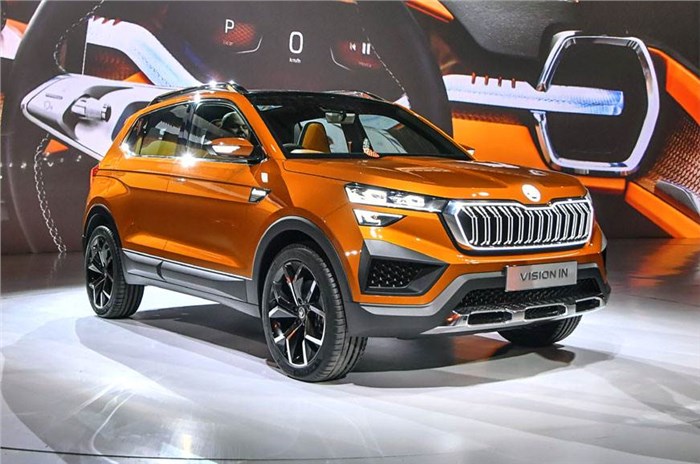
    Skoda, under the umbrella of the Volkswagen Group, is set to make a significant entry into the sub-4-meter SUV segment in the next few years. According to a recent media report, the new Skoda Compact SUV is slated to hit the Indian market in 2025. This model marks the first step under the India 2.5 Plan by the Volkswagen Group, designed for both the domestic and export markets.

    Facing the Competition

    The upcoming Skoda Compact SUV is gearing up to compete with popular models such as the Maruti Brezza, Hyundai Venue, Tata Nexon, Kia Sonet, and Mahindra XUV300 in the Indian market. Being manufactured locally allows the company to introduce it aggressively at a competitive price point.

    Features Borrowed from Kushaq

    The production of the new Skoda Compact SUV is expected to commence in India by January 2025. It will be based on a slightly updated version of the MQB A0 IN platform, shared with Skoda Kushaq, Slavia, Volkswagen Taigun, and Virtus. Apart from the platform, there’s a possibility of incorporating various components and features from larger models into the sub-4-meter SUV. This includes similar seats, suspension setup, infotainment unit, and other notable features seen in the Kushaq.

    Powertrain Options

    Currently, Skoda offers two engine options—a 1.0-liter 3-cylinder turbocharged petrol engine and a 1.5-liter 4-cylinder turbo petrol engine. The new Skoda Compact SUV might feature the 120PS, 1.0L turbo petrol engine with the option of a manual or torque converter automatic gearbox. Skoda may also provide an option for a larger engine for this compact SUV. While Maruti Suzuki Brezza and Jimny Lifestyle SUV also come with a 1.5-liter petrol engine, they do not enjoy any tax benefits.

    Launch and Export Plans

    The production of the Skoda Compact SUV is expected to kick off in India, and it may hit the global market, including selective international markets like Mexico and Africa, along with certain Southeast Asian markets like Vietnam. The global debut of this new Compact SUV is anticipated to take place in January or February 2025.

  • Unleash Your Career Potential: Apply for Specialist Officer Positions at PNB

    Unleash Your Career Potential: Apply for Specialist Officer Positions at PNB

    Are you on the lookout for a job in the banking sector? Look no further; you can apply for various positions at Punjab National Bank (PNB). The bank is inviting applications from eligible candidates for over a thousand Specialist Officer positions. If you possess the required qualifications and the desire to excel in these roles, you can fill out the application form on the official website. Let’s delve into the essential details related to these job opportunities.

    Link Opens on this Date

    The application process for PNB’s Specialist Officer positions will commence on February 7, 2024, and the deadline for applying is February 25, 2024. Ensure to submit your forms in the format provided before this specified date. This recruitment drive aims to fill a total of 1025 positions.

    Vacancy Details

    Let’s explore the specifics of these job openings:

    Officer Credit – 1000 positions

    Manager – Forex – 15 positions

    Manager – Cyber Security – 5 positions

    Senior Manager – Cyber Security – 5 positions

    Who Can Apply

    Eligibility criteria vary for each position. It’s advisable to check the detailed notice on the website for accurate information. Qualifications may range from a Bachelor’s in Engineering (BE) to an MBA, depending on the position. The age limit is between 21 to 38 years, depending on the specific job role.

    Selection Process

    Candidates for these positions will undergo selection through a written examination. The exact exam date is yet to be announced, but it is anticipated to be conducted in March/April. Stay updated by visiting the official website at pnbindia.in for timely information. Applications can also be submitted through the same platform.

    Fees and Salary Information

    To apply, candidates from the General category are required to pay a fee of INR 1180 plus GST, while SC, ST, PwBD candidates need to pay INR 59 plus GST. The salary, upon selection, will be as per the respective job roles, ranging from INR 36,000 to INR 78,000 per month.

    Don’t miss out on this excellent opportunity to embark on a rewarding career path with Punjab National Bank. Apply now and pave the way for a bright future in the banking industry!

  • Unveiling the Real Story: Jio Financial Services Limited and the Pivotal Moment with Paytm

    Unveiling the Real Story: Jio Financial Services Limited and the Pivotal Moment with Paytm

    In a recent turn of events, Jio Financial Services Limited (JFSL) has clarified that it is not in talks with One97 Communications, the parent company of Paytm, to acquire Paytm’s wallet business. The speculations around Jio Financial’s negotiation for a deal with Paytm have been debunked, and the company has vehemently denied any ongoing discussions related to acquiring Paytm’s wallet business.

    Setting the Record Straight

    Contrary to the buzzing rumors about billionaire tycoon Mukesh Ambani’s JFSL making significant strides in business with a 14% surge in its shares due to potential acquisition talks of Paytm’s wallet business, Jio Financial Services Limited has made it clear late on Monday that it is not engaging in any discussions with One97 Communications for the purchase of Paytm’s wallet business.

    JFSL’s Late-Night Regulatory Filing

    In a late-night regulatory filing, JFSL stated, “We clarify that the news is speculative, and we are not in any discussions about it.” The Bombay Stock Exchange (BSE) had requested comments from Jio Financial regarding reports claiming negotiations with One97 for acquiring Paytm’s wallet business.

    Unraveling the Paytm Payments Bank Crisis

    On January 31, the Reserve Bank of India issued an order directing Paytm Payments Bank Limited not to accept deposits or top-ups in any customer accounts, prepaid instruments, wallets, and fast-tags after February 29, 2024. According to RBI’s order, customers of Paytm wallet can continue using it until their balance is exhausted, but they won’t be able to add money after February 29. If RBI’s stance remains firm, top-ups for Paytm wallet will be suspended, and transactions through it will be restricted. RBI had earlier, on March 11, 2022, halted new customer registrations for Paytm Payments Bank.

    Continuous Decline in Paytm Shares

    Since the news broke on January 31 about the Reserve Bank of India considering the cancellation of Paytm Payments Bank’s banking license, there has been a continuous decline in Paytm’s share value. In three consecutive trading sessions on February 1, 2, and 5, Paytm’s shares experienced lower circuits. Since RBI imposed a ban on banking services due to non-compliance by Paytm Payments Bank, the shares have witnessed a drastic 42% decline in just three days, resulting in a loss of ₹20,500 crores for Paytm investors.

    Jio Financial’s Remarkable Leap

    After the news surfaced regarding Jio Financial’s potential acquisition of Paytm’s wallet business, JFSL’s shares witnessed a spectacular jump of 14% on the BSE, closing at ₹289. Jio Financial’s shares had been listed on stock exchanges last year after separating from the main unit of Reliance Industries Limited.

    Assurances from Paytm CEO

    Despite the regulatory challenges and uncertainties, Paytm’s CEO, Vijay Shekhar Sharma, reassures users that the Paytm app will continue to operate as usual even after February 29. He emphasized this point in a recent post and blog on Paytm’s website, stating that their UPI services will continue to function normally as the company collaborates with other banks to keep it running.

  • Ola S1X Electric Scooter: A Game-Changer in the EV Market

    Ola S1X Electric Scooter: A Game-Changer in the EV Market

    Introduction

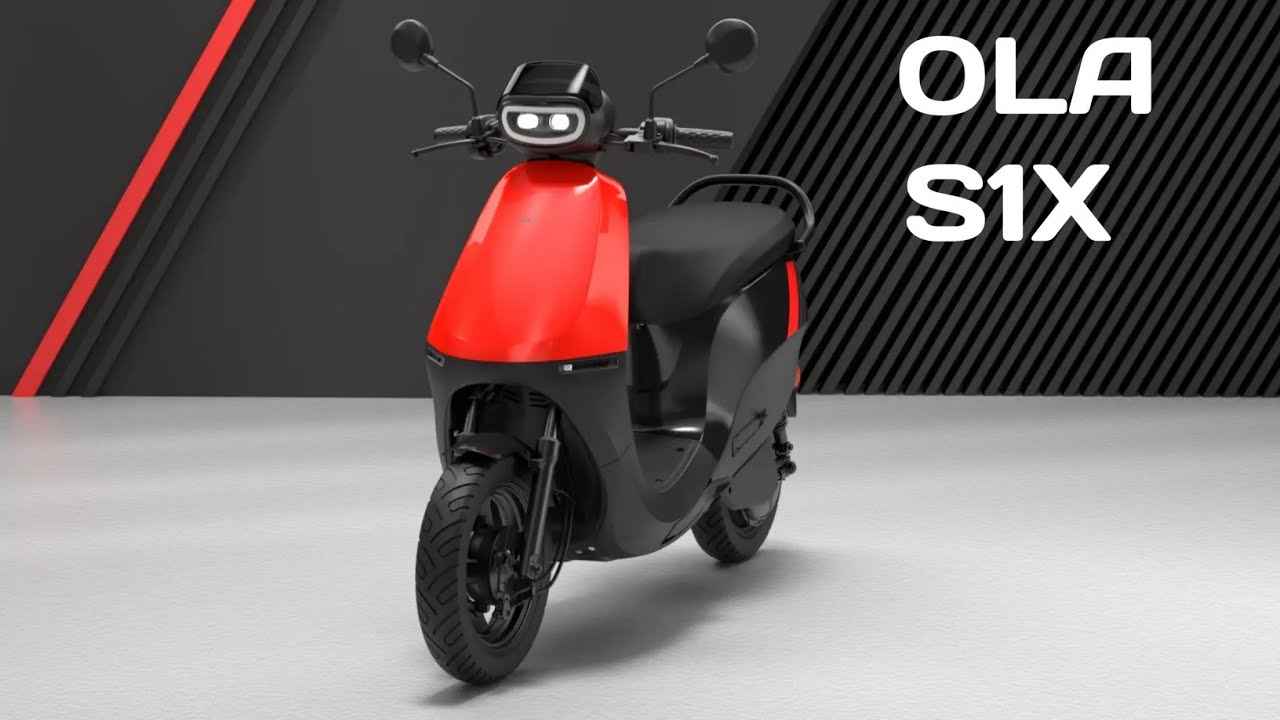
    In a groundbreaking move, Ola Electric has launched the S1X electric scooter equipped with a robust 4kWh battery pack. Promising an impressive range of up to 190 kilometers on a single charge, the Ola S1X stands only 5 kilometers shy of its top-spec Gen-2 S1 Pro counterpart. The battery takes approximately 6 hours and 30 minutes to reach a full charge.

    Ola S1X Specifications

    Deviating from the larger battery pack of the Ola S1X, it retains the sleek design seen in existing models with smaller battery packs. Weighing in at 112 kilograms, the S1X is 4 kilograms heavier than the S1 X with a 3kWh battery pack. Ola is also offering a standard battery warranty of 8 years/80,000 kilometers for electric scooters at no additional cost. Additionally, customers can opt for an extended warranty of 100,000 kilometers for just ₹4,999 or 125,000 kilometers for ₹12,999.

    Enhanced Service Centers

    In a commitment to customer satisfaction, Ola has announced a significant expansion of its service centers. The company aims to increase its service center count by up to 50%, planning to open 600 service centers across the country by April 2024. Ola Electric is not only focusing on service centers but also has plans to elevate its public charging network from the existing 1,000 chargers to an ambitious 10,000 by June 2024.

    Ola S1 Pro in the Indian Market

    Apart from the S1X, Ola currently sells models like S1 Pro, S1 Air, and S1 in the Indian market. The S1 Pro Gen 2 boasts a range of 195 kilometers per charge, accelerating from 0 to 40 kilometers per hour in just 2.6 seconds. With a top speed of 120 kilometers per hour, this electric scooter is available in a single variant and offers five color options. The showroom price for the S1 Pro is ₹1.43 lakhs.

  • Dealing with Payment Issues for UPI Users: Causes and Solutions

    Dealing with Payment Issues for UPI Users: Causes and Solutions

    In recent times, users of Unified Payments Interface (UPI) have encountered numerous challenges while making transactions. Such issues were witnessed again this past Tuesday when several users faced difficulties in processing UPI payments. Distressed by these challenges, affected users took to social media to voice their concerns, prompting explanations from the National Payments Corporation of India (NPCI).

    Technical Glitches Behind Payment Hurdles

    According to NPCI, on Tuesday, users of UPI apps such as Google Pay, PhonePe, Paytm, and BHIM experienced disruptions in their transactions. Despite repeated attempts, they were unable to complete payments. NPCI, the governing body for digital payments in India, attributed this to glitches in the servers of some banks rather than issues with UPI itself. NPCI stated that internal technical issues with certain banks led to difficulties for UPI users.

    Internal Technical Challenges Faced by Banks

    NPCI expressed via social media that banks are grappling with some internal technical glitches, resulting in regrettable connectivity issues for UPI users. Assuring the public, NPCI affirmed that its system is fully operational, and they are actively collaborating with these banks to swiftly resolve the encountered issues.

    Users’ Troubles with These Banks

    As reported by Business Today, users of various UPI apps encountered payment troubles on Tuesday. The majority of those affected were customers of HDFC Bank, State Bank of India, Bank of Baroda, among others. Many users also reported incidents of HDFC Bank’s servers being down.

    Potential Resolutions to Mitigate Issues

    Instances of payment difficulties with UPI are not unprecedented. UPI services, like other technical platforms, are susceptible to outages. While complete eradication of such issues may be impractical, they can be minimized. UPI app providers often advise users to link multiple bank accounts to ensure uninterrupted transactions. This way, even if one bank experiences technical glitches, payments can be seamlessly processed through another bank without any disruption.

  • Paytm CEO Meets Finance Minister Amidst RBI Restrictions

    Paytm CEO Meets Finance Minister Amidst RBI Restrictions

    In a recent development, Paytm’s CEO, Vijay Shekhar Sharma, found himself amidst a whirlwind of challenges as the Reserve Bank of India (RBI) imposed stringent restrictions on the popular digital wallet and banking service provider. Here’s an in-depth look at the unfolding scenario and the subsequent actions taken by Paytm to address these regulatory concerns.

    Navigating Regulatory Challenges: Paytm Faces RBI Heat

    The recent encounter between Vijay Shekhar Sharma and Finance Minister Nirmala Sitharaman shed light on the growing concerns surrounding Paytm’s compliance with RBI regulations. Despite the mounting pressure, government sources revealed that the Finance Minister iterated the government’s stance on the matter: there would be no intervention in the ongoing regulatory proceedings between Paytm and the RBI.

    RBI’s Directive: Implications for Paytm

    The RBI’s directive, issued last week, dealt a significant blow to Paytm’s operations, leading to a dramatic plunge in its shares by over 40%. The regulatory order mandated Paytm to halt its digital wallet services, deposits, and credit products, prompting the company to swiftly enter damage control mode.

    Engagement with Regulatory Authorities

    In an attempt to address the regulatory hurdles, Vijay Shekhar Sharma engaged in discussions with both Finance Minister Nirmala Sitharaman and RBI officials. However, the outcome of these discussions remains uncertain, as Paytm strives to navigate the complex regulatory landscape and restore compliance with RBI guidelines.

    RBI’s Firm Stance: Actions Against Paytm

    The RBI’s actions against Paytm included the prohibition of Paytm Payments Bank Ltd from accepting deposits or facilitating credit transactions after February 29. Additionally, the termination of nodal accounts linked to Paytm’s parent company, One97 Communications Ltd, further exacerbated the situation, signaling the gravity of the regulatory non-compliance.

    Reassuring Customers Amidst Uncertainty

    As Paytm grapples with the aftermath of RBI’s restrictions, concerns regarding the safety of customers’ funds have surfaced. Despite assurances from Paytm Payments Bank regarding the security of deposited funds, the inability to make further deposits beyond February 29 raises apprehensions among users.

    Way Forward: Paytm’s Commitment to Resolution

    In response to the regulatory upheaval, Vijay Shekhar Sharma reaffirmed Paytm’s commitment to resolving the issues at hand. With ongoing discussions with regulatory authorities and a pledge to comply with RBI directives, Paytm aims to emerge stronger from this challenging period while ensuring minimal disruption to its services.

  • Motorola Launches Budget Smartphone Moto G24 Power: Specs, Price, and Availability

    Motorola Launches Budget Smartphone Moto G24 Power: Specs, Price, and Availability

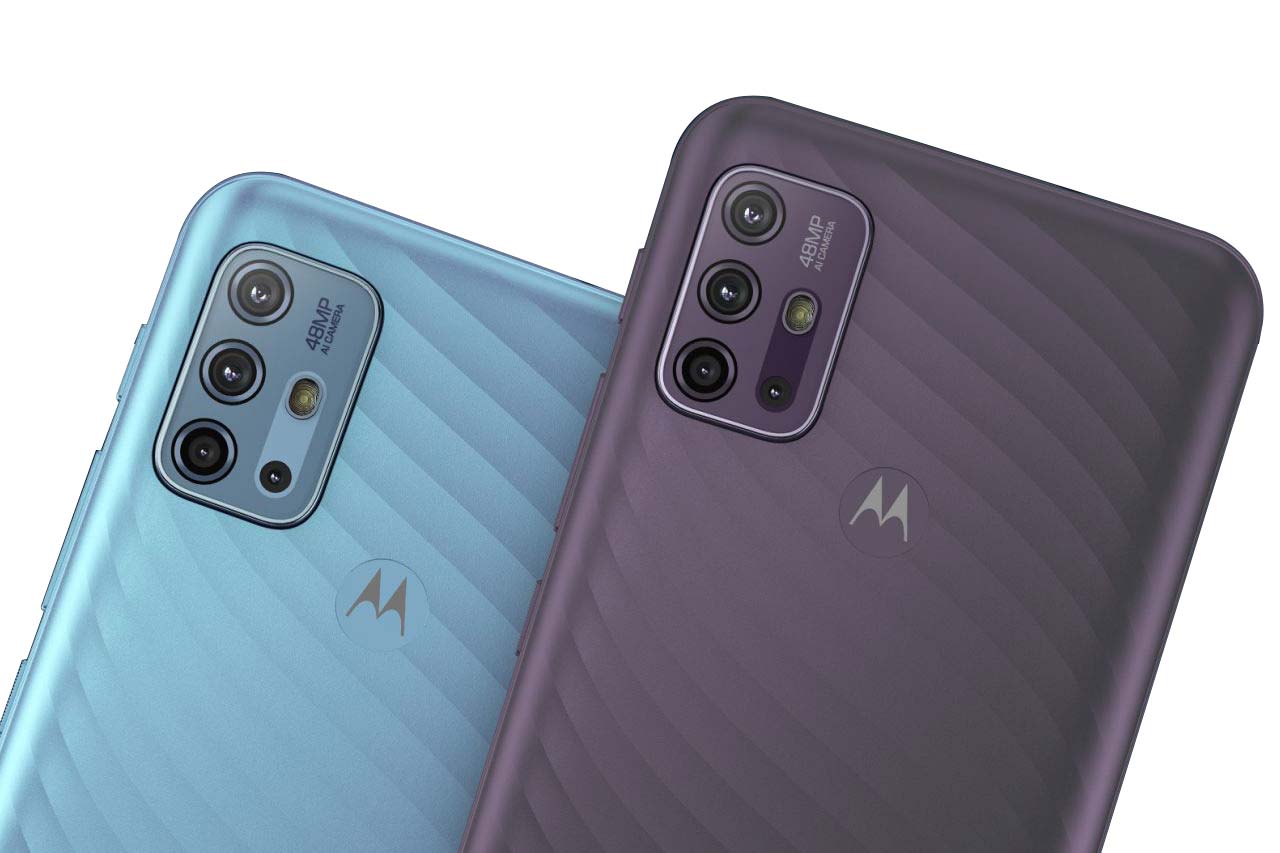
    Motorola, the renowned American smartphone company, has been on a spree of launching numerous budget smartphones in recent months. Among these, the company has introduced several impressive smartphones in the budget segment. One such smartphone, whose first sale commenced on February 7, 2024, is the Moto G24 Power. With a plethora of attractive specifications, it’s evident that this device falls into the mid-range smartphone category despite its price being lower than 10,000 INR.

    Variants and Pricing

    Motorola has introduced the Moto G24 Power in two variants. The first variant comes with 4GB RAM and 128GB storage, priced at 8,999 INR. The second variant offers 8GB RAM and 128GB storage, priced slightly higher at 9,999 INR. The phone is available for purchase starting February 7, 2024, on Flipkart. As a part of the launch offer, users may avail themselves of a 750 INR exchange bonus on this phone.

    Display and Performance

    Featuring a 6.5-inch IPS LCD display with HD+ resolution, the Moto G24 Power ensures a visually immersive experience. The display boasts a 90Hz refresh rate, enhancing smoothness and responsiveness. Powering the device is the MediaTek Helio G85 processor, coupled with Mali G52 GPU for seamless graphics performance. Running on the MyUX based on Android 14, Motorola promises an upgrade to Android 15 and three years of Android security and patch updates.

    Camera and Battery

    The rear panel of the phone houses a dual-camera setup, led by a 50MP primary camera with an f/1.8 aperture. Additionally, a 2MP macro camera sensor and an LED flash are also included. On the front, nestled within a centered hole-punch cutout, sits a 16MP front camera, catering to selfies and video calls.

    Motorola has equipped the Moto G24 Power with a massive 6000mAh battery, a rarity in smartphones today. This substantial battery capacity ensures prolonged usage after a single charge. Moreover, users can swiftly recharge their devices with the 30W fast charger once the battery runs low. Other notable features of the phone include dual SIM support, 4G connectivity, Bluetooth 5.0, GPS, stereo speakers with Dolby Atmos, and a 3.5mm audio jack.

  • Transforming India’s Road Transport Sector: Vision 2029

    Transforming India’s Road Transport Sector: Vision 2029

    Reinventing India’s Automobile Industry

    India’s Road Transport and Highways Minister, Nitin Gadkari, recently stated that by 2029, India will emerge as the world’s leading automobile manufacturing hub and the third-largest economy globally. This ambitious projection underscores the government’s commitment to not only building a world-class road network but also transitioning towards alternative fuels to reduce the nation’s logistical expenses.

    Pioneering Self-Reliance in the Automotive Sector

    Speaking on the capacity of the automotive industry, Gadkari emphasized that India boasts not only all the necessary infrastructure but also major manufacturers within the country. This sector is poised to become a cornerstone of the Indian economy, fostering self-reliance and positioning India as a global leader in automotive manufacturing.

    Elevating Infrastructure Standards

    Gadkari highlighted the imperative to enhance the quality of Indian roads while simultaneously transitioning to alternative fuels to bring down logistical costs to single digits. Additionally, he projected that by the end of 2024, India’s national highway network would rival that of the United States.

    Revolutionary Infrastructure Initiatives

    Discussing ongoing infrastructure projects, Gadkari revealed plans for the construction of 36 expressways. These expressways aim to significantly reduce travel time between key cities, with journeys from Delhi to Dehradun and Delhi to Jaipur expected to take only two hours each. Moreover, the travel time between Delhi and Mumbai is anticipated to decrease to 12 hours, while the journey from Chennai to Bangalore will be reduced to just two hours. Notably, the distance between Delhi and Chennai is set to decrease by 320 kilometers. Gadkari affirmed that the National Highways Authority of India possesses AAA ratings and is well-equipped financially to execute these projects seamlessly.

    Collaboration for Sustainable Development

    Gadkari also disclosed a collaborative effort between the government and the Indian Oil Corporation on a project in Panipat. This project aims to produce 100,000 liters of ethanol, 150 tons of bio-bitumen, and 76,000 tons of bio-aviation fuel daily, utilizing rice husks.

    Driving Economic Growth Through Innovation

    According to Gadkari, transitioning to alternative fuels and improving road infrastructure will reduce our logistical expenses to single digits by the end of 2024. This reduction is anticipated to at least double our exports, a pivotal aspect for India’s economic growth trajectory.