Category: politics

  • Rajasthan Election 2023: गहलोत की पार्टी में कौन नामर्द

    Rajasthan Election 2023: राजस्थान में चुनावी तारीख नजदीक आ रही है। 15 तारीख को होना है। जनता का मत निर्धारित करेगा की राजस्थान में कमल खिलेगा या पंजा का परचम लहराएगी। राज्य में बड़े नेताओं की खूब चुनावी सभाएं हो रही हैं। आरोप-प्रत्यारोप जारी है। वही अब कांग्रेस पर केंद्रीय मंत्री स्मृति ईरानी जमकर बरसते हुए कांग्रेस नेताओं को मुर्ख बता दिया और अपनी पार्टी के कार्यकर्ताओं को शेर की पार्टी के कार्यकर्त्ता कहा। 

    स्मृति ईरानी ने टोंक के देवली में बीजेपी के उम्मीदवार विजय बैंसला और राजसमंद के चारभुजा में पार्टी प्रत्याशी सुरेंद्र सिंह राठौड़ के समर्थन में एक जनसभा को सम्बोधित करते हुए कहा- राजस्थान की लड़ाई महिला सम्मान की लड़ाई है। हक़ की लड़ाई है। आपको ऐसी सरकार चुननी चाहिए जो आपकी सुरक्षा का वादा करे आपको प्राथमिकता दे और आपके लिए काम करे। 

    उन्होंने आगे कहा- बीजेपी सरकार ने महिला हित के लिए काम किया है। बीजेपी का शासन आपको सुरक्षा, आपकी जरूरत की योजनाओं का लाभ, किसानों की आय बढ़ाने के मार्ग खोल देगा। कांग्रेस सरकार के राज में राज्य में अपराध, भ्रष्टाचार, महिलाओं का शोषण बढ़ा है। बीते वर्ष कांग्रेस ने राजस्थान को मर्दों का राज्य बताया था। मैं सीएम गहलोत से पूछना चाहती हूँ कि आपकी पार्टी में वो कौन नामर्द है जिसे महिलाओं के साथ रेप पर क्रोध नहीं आता। उन्होंने आगे कहा- हम शेर की पार्टी के कार्यकर्ता हैं। हमें भय नहीं लगता। वास्तव में भयभीत वह लोग होते हैं जिनके नेता मुर्ख हों। 

  • Rajasthan Election 2023: पीएम कुछ भी बोले मुझे नहीं पड़ता फर्क

    Rajasthan Election 2023: देश में सियासी संग्राम चल रहा है। पांच राज्यों में चुनावी रण सज चुका है। लोकसभा के चुनाव की तैयारी उफान पर हैं। जनता को लुभाने के लिए बड़े-बड़े नेताओं की रैलियां हो रही हैं। सब अपने -अपने अंदाज में जनता को लुभाने के लिए बड़े-बड़े वादों की झड़ी लगाए हैं।

    व्यक्तिगत कटाक्ष से लेकर राजनीतिक कटाक्ष हो रहे हैं। बीते दिन पीएम मोदी ने एक बयाना देते हुए कहा- राहुल को उनकी जाति से नफरत है। पीएम के बयाना पर पलटवार करते हुए राहुल गांधी ने कहा- अगर राजस्थान में कांग्रेस की सरकार बनी तो वह जातिगत सर्वे करवाएंगे। इसके अलावा यदि केंद्र में कांग्रेस की सरकार बनती है तो वह पूरे देश में जातिगत जनगणना करवाएंगे। 

    उन्होंने कहा- मैंने सदन में सवाल किया था कि देश में कितने ओबीसी हों यह सार्वजनिक हो। देश में जातिगत जनगणना होना जरूरी है। लेकिन इस विषय को नकार दिया है। केंद्र सरकार की यह जिम्मेदारी है कि वह देश में ओबीसी समाज की आबादी सामने लाये। क्योंकि देश में 50 फीसदी आबादी ओबीसी समाज की है। पीएम मोदी कुछ भी कहें उनकी बात का हमपर फर्क नहीं पड़ता। हम अपने प्रयास से देश में जातिगत जनगणना करवा कर रहेंगे। 

    राहुल आगे बोले – जिस दिन देश में जातिगत जनगणना होगी वह दिन एहतिहासिक होगा। कई चीजों का खुलासा होगा। जातिगत जनगणना से स्पष्टता हो जाएगी कि देश में किस वर्ग की आबादी अधिक होगी। पीएम ने बीते दिनों अपने भाषण में कहा- देश की केवल एक जाति है गरीब तो मेरा उनसे सवाल है कि जब चुनाव आता है तो वह ओबीसी क्यों बन जाते हैं और अगर वह ओबीसी हैं तो जातिगत जनगणना से उनको समस्या क्यों है। 

  • Rajasthan Election 2023: पीएम कुछ भी बोले मुझे नहीं पड़ता फर्क

    Rajasthan Election 2023: देश में सियासी संग्राम चल रहा है। पांच राज्यों में चुनावी रण सज चुका है। लोकसभा के चुनाव की तैयारी उफान पर हैं। जनता को लुभाने के लिए बड़े-बड़े नेताओं की रैलियां हो रही हैं। सब अपने -अपने अंदाज में जनता को लुभाने के लिए बड़े-बड़े वादों की झड़ी लगाए हैं।

    व्यक्तिगत कटाक्ष से लेकर राजनीतिक कटाक्ष हो रहे हैं। बीते दिन पीएम मोदी ने एक बयाना देते हुए कहा- राहुल को उनकी जाति से नफरत है। पीएम के बयाना पर पलटवार करते हुए राहुल गांधी ने कहा- अगर राजस्थान में कांग्रेस की सरकार बनी तो वह जातिगत सर्वे करवाएंगे। इसके अलावा यदि केंद्र में कांग्रेस की सरकार बनती है तो वह पूरे देश में जातिगत जनगणना करवाएंगे। 

    उन्होंने कहा- मैंने सदन में सवाल किया था कि देश में कितने ओबीसी हों यह सार्वजनिक हो। देश में जातिगत जनगणना होना जरूरी है। लेकिन इस विषय को नकार दिया है। केंद्र सरकार की यह जिम्मेदारी है कि वह देश में ओबीसी समाज की आबादी सामने लाये। क्योंकि देश में 50 फीसदी आबादी ओबीसी समाज की है। पीएम मोदी कुछ भी कहें उनकी बात का हमपर फर्क नहीं पड़ता। हम अपने प्रयास से देश में जातिगत जनगणना करवा कर रहेंगे। 

    राहुल आगे बोले – जिस दिन देश में जातिगत जनगणना होगी वह दिन एहतिहासिक होगा। कई चीजों का खुलासा होगा। जातिगत जनगणना से स्पष्टता हो जाएगी कि देश में किस वर्ग की आबादी अधिक होगी। पीएम ने बीते दिनों अपने भाषण में कहा- देश की केवल एक जाति है गरीब तो मेरा उनसे सवाल है कि जब चुनाव आता है तो वह ओबीसी क्यों बन जाते हैं और अगर वह ओबीसी हैं तो जातिगत जनगणना से उनको समस्या क्यों है। 

  • पात्रा चॉल घोटाला: सच सामने लाने में गवाहों को डर क्यों?

    पात्रा चॉल घोटाला: सच सामने लाने में गवाहों को डर क्यों?

    पात्रा चॉल पुनर्विकास परियोजना एक जटिल मामले में उलझी हुई है जो भ्रष्टाचार, धन शोधन और राजनीतिक प्रभाव के आरोपों से सराबोर है। मामले में, एक महिला गवाह ने गंभीर आरोप लगाए हैं कि उसे प्रवर्तन निदेशालय (ED) की जांच के दौरान दिए गए अपने बयानों को बदलने के लिए धमकी दी गई है।

    धमकी और डर

    महिला ने अपने आरोपों को एक पत्र में उजागर किया है, जिसे उसने ED के अतिरिक्त निदेशक (पश्चिमी क्षेत्र) अमित दुआ को 28 अगस्त को लिखा था। पत्र में उसने बताया कि उसे डर लग रहा है और उसके जीवन को खतरा है। उसने दावा किया कि उसने अपने डर और खतरे को देश के सभी अधिकारियों के सामने उजागर किया लेकिन उसे न्याय नहीं मिला। उसकी दुर्दशा की कोई जांच नहीं हुई और न ही कोई FIR दर्ज हुई।

    यह धमकी भरा पत्र और महिला गवाह का डर मामले में गंभीर सवाल उठाता है। यह प्रश्न चिंता जगाता है कि क्या न्यायिक प्रक्रिया सही ढंग से काम कर रही है, जब गवाह को अपनी सुरक्षा के लिए डरना पड़ता है। यह एक गंभीर स्थिति है जो कानून की जटिलताओं को उजागर करती है और justice के लिए खतरा बन जाती है।

    एक्सपोजर का महत्व

    महिला ने अपने पत्र को एक्स (पूर्व में ट्विटर) पर पब्लिश करके इन आरोपों को सार्वजनिक रूप से सामने रखा। इस एक्सपोजर का महत्व अत्यधिक है क्योंकि यह इस मामले में अपारदर्शिता और गवाहों पर दबाव डालने के खतरे की ओर ध्यान आकर्षित करता है। यह एक आवाज़ है, जो स्वतंत्र न्याय प्रक्रिया को बनाए रखने की आवश्यकता पर ज़ोर देती है।

    शिवसेना का प्रतिक्रिया

    शिवसेना ने महिला गवाह की दुर्दशा के बारे में सार्वजनिक बयान दिया है। एक नेता ने बताया कि इस मामले को मुख्यमंत्री एकनाथ शिंदे और मुंबई के पुलिस कमिश्नर के समक्ष उठाया जाएगा। इस प्रतिक्रिया को एक सकारात्मक कदम के रूप में देखा जा सकता है क्योंकि यह मामले को उच्च स्तर पर ले जाने का प्रयास करता है।

    राजनीतिक प्रभाव

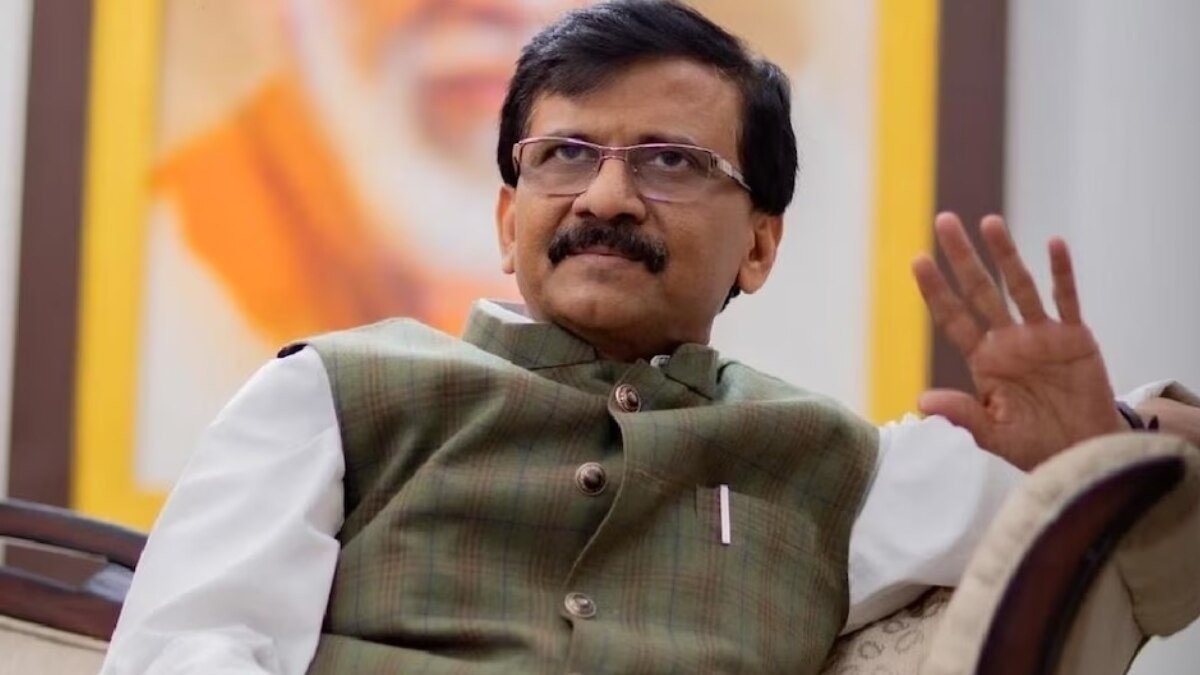
    शिवसेना के सांसद संजय राउत इस मामले में आरोपी हैं। उनकी गिरफ़्तारी, जमानत और वर्तमान स्थिति में राजनीतिक रंग साफ़ दिखता है। महिला गवाह को दी जाने वाली धमकी और शिवसेना की प्रतिक्रिया से यह साफ़ है कि मामला सिर्फ़ अर्थिक गड़बड़ी का नहीं बल्कि राजनीतिक इच्छाशक्ति और सत्ता के ज़रिए पैठ करने का भी है।

    पात्रा चॉल घोटाला: कहानी की पृष्ठभूमि

    2018 में, महाराष्ट्र हाउसिंग एंड डेवलपमेंट अथॉरिटी (MHADA) ने प्रिवेन्शन ऑफ मनी लॉन्ड्रिंग एक्ट (PMLA) के तहत राकेश कुमार वधावन, सारंग कुमार वधावन और अन्य के खिलाफ एक मामला दर्ज किया।

    MHADA का फ़र्ज़ और वधावन का फ़रेब

    MHADA का काम था पात्रा चॉल में 672 किरायेदारों के घरों को पुनर्विकसित करना। इस काम के लिए MHADA ने गुरु आशीष कंस्ट्रक्शन को चुना। लेकिन गुरु आशीष कंस्ट्रक्शन ने MHADA को गुमराह करते हुए MHADA को बताए बिना पात्रा चॉल की ज़मीन 9 बिल्डरों को बेच दी। इस से उसे 901.79 करोड़ रुपये मिले।

    Meadows प्रोजेक्ट और अवैध धन हस्तांतरण

    गुरु आशीष कंस्ट्रक्शन ने Meadows नाम का एक प्रोजेक्ट शुरू करके घर खरीदारों से फ्लैट के लिए 138 करोड़ रुपये जुटाए। जांच से यह सामने आया कि गुरु आशीष कंस्ट्रक्शन ने अवैध तरीके से 1,039.79 करोड़ रुपये से ज्यादा की कमाई की। उसने इस रकम को अपने सहयोगियों को ट्रांसफर कर दिया।

    मुख्य मुद्दे:

    • महिला गवाह को दे रही धमकियाँ न्याय प्रक्रिया में विश्वास को हिला देती हैं।
    • ED की जांच की पारदर्शिता पर सवाल उठते हैं।
    • घोटाला में राजनीतिक प्रभाव की बात सामने आती है।
    • MHADA के ज़मीन प्रबंधन और पुनर्विकास प्रक्रिया पर प्रश्न चिह्न लगते हैं।

    मुख्य बिन्दु

    • पात्रा चॉल घोटाला एक जटिल मामला है, जिसमें भ्रष्टाचार और धन शोधन के आरोप हैं।
    • महिला गवाह को धमकियाँ देना एक गंभीर मामला है और यह न्यायिक प्रक्रिया में विश्वास को हिला देता है।
    • यह मामला न केवल अर्थिक अपराध बल्कि राजनीतिक इच्छाशक्ति और सत्ता के दुरुपयोग को भी दर्शाता है।
  • मनोहर लाल खट्टर: करनाल से ही लड़ेंगे चुनाव!

    मनोहर लाल खट्टर: करनाल से ही लड़ेंगे चुनाव!

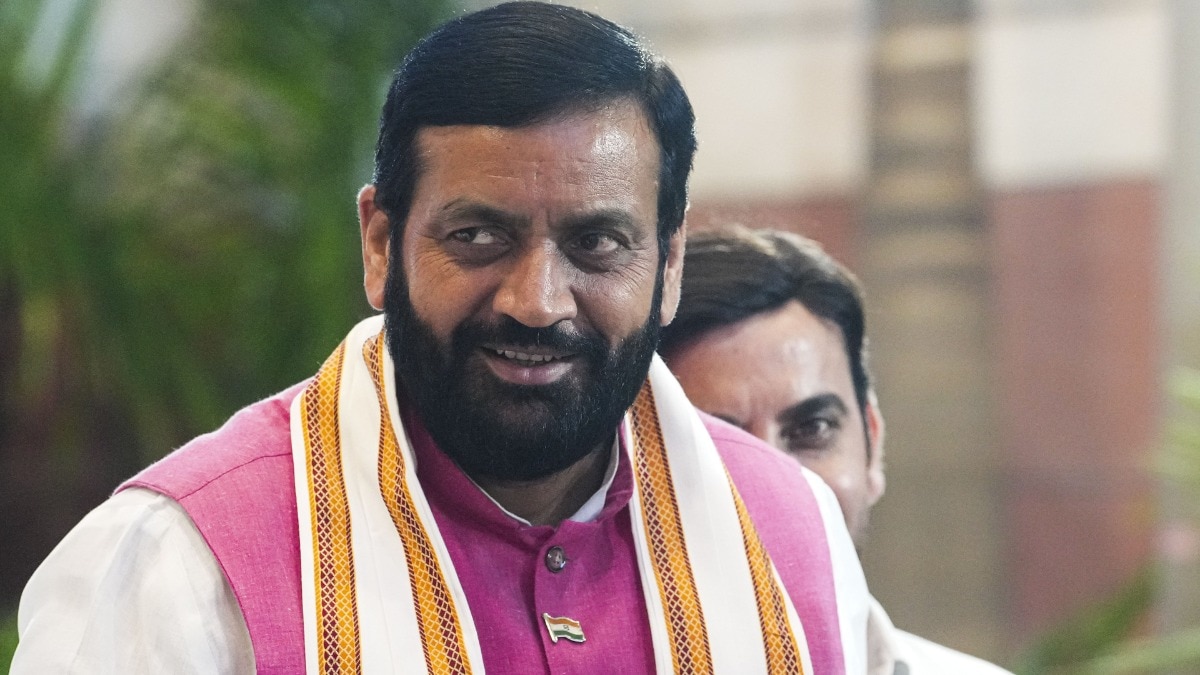
    हरियाणा में 2023 के विधानसभा चुनावों में भाजपा के प्रमुख चेहरे और राज्य के मुख्यमंत्री मनोहर लाल खट्टर करनाल से चुनाव लड़ेंगे. उन्होंने इस बात की पुष्टि करते हुए लाडवा से चुनाव लड़ने की खबरों को नकार दिया है, जो पार्टी अध्यक्ष मोहनलाल बड़ौली ने दे दी थी. मुख्यमंत्री खट्टर ने इस बात पर ज़ोर दिया कि पार्टी के निर्णय को स्वीकार करते हुए वह पार्टी की तरफ़ से निर्धारित किसी भी सीट से चुनाव लड़ने के लिए तैयार हैं.

    सीएम खट्टर का चुनावी क्षेत्र: करनाल

    सीएम मनोहर लाल खट्टर ने अपने चुनाव क्षेत्र के तौर पर करनाल को ही पसंद किया है. यह बात उन्होंने स्वयं ही मीडिया के सामने कही है. खट्टर करनाल से 2014 और 2019 में भी चुनाव जीत चुके हैं. ऐसा माना जा रहा है कि उन्होंने अपनी जमीन मजबूत करने और अपने समर्थन को मज़बूत करने के लिए यही सीट चुनी है.

    करनाल का राजनीतिक महत्व

    करनाल हरियाणा का सबसे बड़ा शहर है और इस क्षेत्र का राजनीतिक महत्व भी बहुत अधिक है. यह क्षेत्र भाजपा के लिए अपनी पकड़ को मज़बूत करने का एक महत्वपूर्ण केंद्र माना जाता है.

    लाडवा से चुनाव लड़ने के दावे पर खट्टर का रुख

    भाजपा अध्यक्ष मोहनलाल बड़ौली ने पहले ऐलान किया था कि सीएम खट्टर लाडवा से चुनाव लड़ेंगे. यह ऐलान अटकलों को हवा देने वाला था. खट्टर ने यह खबरें नकार दी और स्पष्ट कर दिया कि वह पार्टी के निर्णय के अनुसार किसी भी सीट से चुनाव लड़ने के लिए तैयार हैं. यह उनके अनुशासित और पार्टी के प्रति वफादार होने का एक प्रतीक माना जा सकता है.

    ईडी कार्रवाई पर खट्टर का बयान

    हाल ही में पूर्व मुख्यमंत्री भूपेंद्र सिंह हुड्डा की संपत्ति पर ईडी ने कार्रवाई की थी. इसके बारे में सीएम खट्टर ने काफी संयम के साथ अपनी बात रखी. उन्होंने कहा कि ईडी का यह कार्य है और वे इस पर कोई टिप्पणी नहीं करेंगे.

    खट्टर का ईडी के काम को लेकर निष्पक्ष रुख

    खट्टर का ईडी की कार्रवाई को लेकर निष्पक्ष रुख चुनावी समीकरणों के लिहाज़ से महत्वपूर्ण हो सकता है. हुड्डा और उनकी पार्टी कांग्रेस इस मामले को राजनीतिक रूप देने की कोशिश कर सकती है. खट्टर का निष्पक्ष रुख इस खतरे से बचाव करने का प्रयास माना जा सकता है.

    पंजाब के पूर्व सांसद के बयान पर खट्टर का कड़ा रुख

    पंजाब के पूर्व सांसद सिमरनजीत सिंह मान द्वारा बॉलीवुड अभिनेत्री और भाजपा सांसद कंगना रनौत के बारे में किए गए विवादास्पद बयान के बारे में खट्टर ने भाषा की मर्यादा का हवाला देते हुए अपना कड़ा रुख प्रकट किया. उन्होंने मान से अपील करते हुए कहा कि उनें भाषा का ध्यान रखना चाहिए.

    मान के बयान का राजनीतिक परिणाम

    सिमरनजीत सिंह मान के बयान का राजनीतिक परिणाम विवादास्पद रहा है. उनके इस बयान ने भाजपा और कांग्रेस दोनों में हिंसा और अराजकता को परोसने का एक कॉमन मसला पेश किया है. खट्टर का मान के बयान को नकारना इस मसले पर अपने मत को स्पष्ट करने का एक प्रयास है.

    निष्कर्ष

    हरियाणा में 2023 के विधानसभा चुनाव को लेकर राजनीतिक जंग कई मोर्चों पर लड़ी जा रही है. सीएम खट्टर की चुनावी रणनीति काफी मजबूत है, और वे अपनी चुनावी जीत के लिए हर संभव प्रयास करने में लागे हुए हैं. पार्टी की तरफ़ से चुनावों के लिए जो भी निर्णय लिए जाएंगे, सीएम खट्टर अपना पूर्ण समर्थन देने को तैयार हैं.

  • पश्चिम बंगाल: अस्पताल में फिर छेड़छाड़, सुरक्षा पर सवाल

    पश्चिम बंगाल: अस्पताल में फिर छेड़छाड़, सुरक्षा पर सवाल

    हाल ही में पश्चिम बंगाल के हावड़ा अस्पताल में एक 13 वर्षीय लड़की के साथ छेड़छाड़ की घटना सामने आई है, जिसने राज्य में स्वास्थ्य सेवाओं में सुरक्षा और महिलाओं के खिलाफ अपराधों के बारे में गंभीर चिंताएं पैदा की हैं। यह घटना, जो एक अस्थायी सीटी स्कैन तकनीशियन द्वारा की गई थी, राज्य के लोगों के बीच गुस्से और निराशा की भावना पैदा कर रही है, और साथ ही इस मामले में कार्रवाई की मांग की जा रही है।

    हावड़ा अस्पताल में हुई घटना

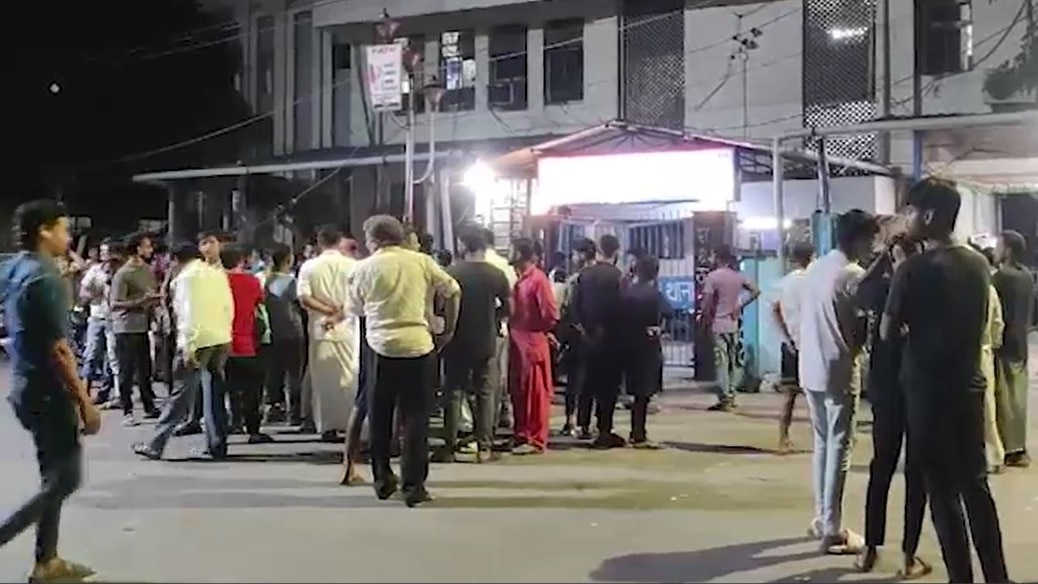
    28 अगस्त को हावड़ा अस्पताल में निमोनिया के इलाज के लिए भर्ती एक 13 वर्षीय लड़की, जिसका सीटी स्कैन किया जा रहा था, शनिवार रात को सीटी स्कैन विभाग में एक अस्थायी कर्मचारी द्वारा छेड़छाड़ का शिकार हुई। लड़की के तुरंत बाद रोने और दूसरे मरीज के रिश्तेदार से मदद मांगने के बाद, घटना का पता चला। यह घटना उस लड़की की माँ तक पहुँची जो अस्पताल में उसकी बेटी के रोते हुए देखने के लिए दौड़ी।

    इस घटना ने लोगों में गुस्सा भड़का दिया, जो स्थानीय लोगों ने हावड़ा अस्पताल के बाहर प्रदर्शन किया और कथित तौर पर आरोपी कर्मचारी की पिटाई करने का प्रयास किया। आरोपी, जिसका नाम अमन राज बताया गया, को पुलिस ने आक्रोशित भीड़ से बचाया।

    हालांकि पीड़ित परिवार ने एक शिकायत दर्ज की जिसके बाद अमन राज को गिरफ्तार कर लिया गया। हावड़ा पुलिस ने घटना की जांच शुरू कर दी है और आश्वस्त किया है कि आरोपी पर कड़ी कार्रवाई की जाएगी।

    पश्चिम बंगाल में महिलाओं के खिलाफ अपराध

    हालांकि इस घटना ने राज्य भर में अस्पतालों और स्वास्थ्य सेवा संस्थानों में सुरक्षा पर सवाल उठाए हैं, लेकिन यह दुर्भाग्यपूर्ण सच्चाई है कि पश्चिम बंगाल में महिलाओं के खिलाफ हिंसा, छेड़छाड़, और यौन उत्पीड़न का एक लंबा इतिहास है। हाल के दिनों में, कई ऐसे मामले सामने आए हैं, जिनमें स्वास्थ्य सेवा से जुड़े स्थानों पर छेड़छाड़ के मामलों का भी शामिल है, जिनमें से कई मामलों में कोई कार्रवाई नहीं की गई है, या फिर न्याय नहीं हुआ है।

    स्वास्थ्य सेवा प्रदाता का बदलाव

    अस्पताल जैसे स्वास्थ्य सेवा संस्थानों में महिलाओं और लड़कियों के लिए सुरक्षित स्थान माने जाने चाहिए, न कि उनके लिए भय और शोषण का स्थान। लेकिन दुर्भाग्यवश, यह मामला नहीं है। छेड़छाड़ और यौन उत्पीड़न की घटनाओं में तेजी से वृद्धि ने कई महिलाओं और लड़कियों के स्वास्थ्य सेवा प्रदाता पर भरोसा करने की क्षमता को कम कर दिया है, जिससे उन्हें महत्वपूर्ण स्वास्थ्य सेवाओं से वंचित किया जा रहा है।

    स्वास्थ्य सेवा में महिलाओं की सुरक्षा सुनिश्चित करने की आवश्यकता

    हालांकि पुलिस इस मामले की जांच कर रही है, इस घटना ने स्वास्थ्य सेवा के भीतर सुरक्षा को बढ़ाने की आवश्यकता पर जोर दिया है, ताकि महिलाएं और लड़कियां इस डर के बिना उपचार ले सकें कि वे अनादर, छेड़छाड़ या यौन उत्पीड़न के शिकार हो जाएंगी।

    जरूरी कदम

    अधिकारियों द्वारा तत्काल कदम उठाने की आवश्यकता है ताकि महिलाओं के खिलाफ होने वाले इन अपराधों को रोका जा सके, और उनके खिलाफ की गई कार्रवाई में कोई ढील न हो। इन कदमों में शामिल होना चाहिए:

    • अस्पताल कर्मचारियों के लिए संवेदनशीलता प्रशिक्षण कार्यक्रम
    • सभी स्वास्थ्य सेवा संस्थानों में सीसीटीवी कैमरों की स्थापना
    • छेड़छाड़ और यौन उत्पीड़न की रिपोर्टिंग के लिए एक स्पष्ट और सुलभ प्रणाली का विकास
    • यौन उत्पीड़न के आरोपी कर्मचारियों के लिए सख्त कार्यवाही
    • पीड़ितों के लिए अधिक सहायता और परामर्श सेवाएं प्रदान करना।

    टेक अवे पॉइंट

    हालांकि हाल ही में हुई हावड़ा अस्पताल की घटना ने एक 13 वर्षीय लड़की के साथ हुई छेड़छाड़ से पूरे राज्य को झकझोर दिया है, यह एक अलग घटना नहीं है। यह कई और मामलों में से एक है जो बताते हैं कि पश्चिम बंगाल में महिलाओं और लड़कियों की सुरक्षा के लिए कितना अधिक काम करने की आवश्यकता है। यह घटना राज्य में स्वास्थ्य सेवाओं के भीतर सुरक्षा के मुद्दों और महिलाओं के खिलाफ हिंसा के मुद्दों के हल के लिए सरकार पर दबाव डालने वाली है। यह घटना एक स्पष्ट संदेश भेजती है – कि महिलाओं और लड़कियों की सुरक्षा सुनिश्चित करने और उनके खिलाफ अपराधों के विरुद्ध कार्रवाई करने के लिए अधिक काम करने की आवश्यकता है, और यह तब तक होना चाहिए जब तक कि प्रत्येक व्यक्ति को अपनी सुरक्षा और गरिमा के साथ जीने की आजादी नहीं मिल जाती।

  • The Citizenship Amendment Act: A Historical Reckoning?

    The Citizenship Amendment Act: A Historical Reckoning?

    The Untold Story of Hindu Refugees and the Citizenship Amendment Act: A BJP Leader’s Perspective

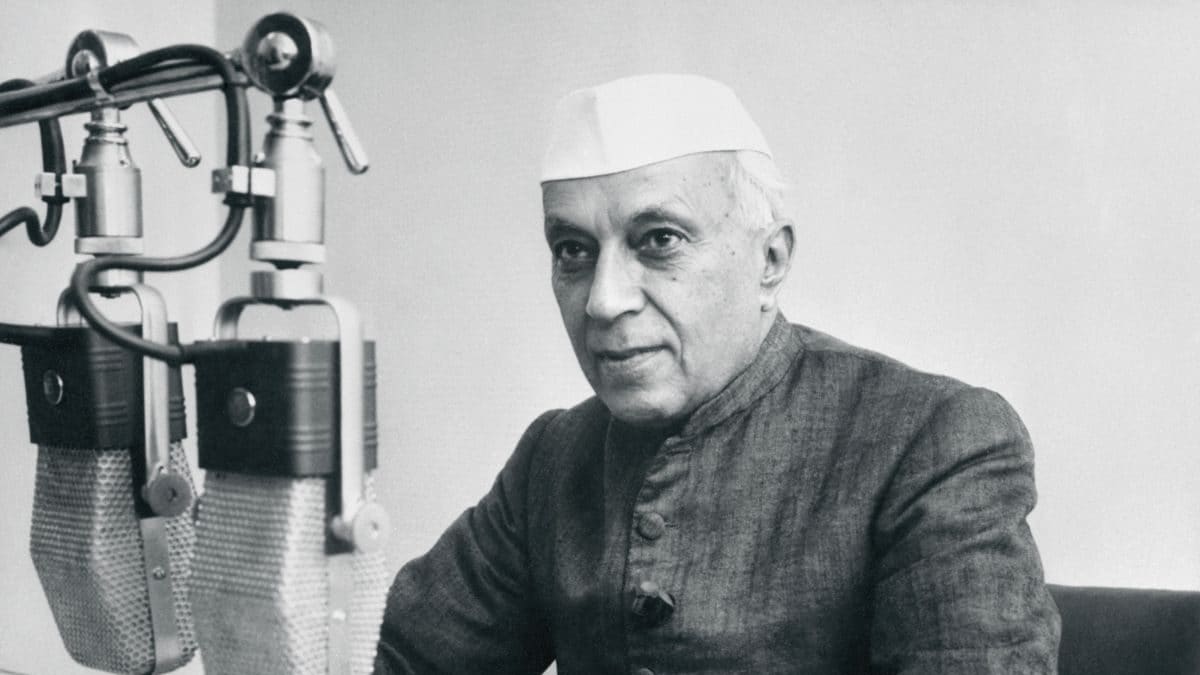
    This article explores the claims made by BJP leader Dr. Anirban Ganguly in his new book, “From Partition to Progress: Persecuted Hindus and the Struggle for Citizenship,” about the plight of Hindu refugees from Bangladesh and the alleged apathy of the Indian Congress towards their cause. Through the book, Ganguly argues that India’s first Prime Minister Jawaharlal Nehru’s stance towards these refugees was one of indifference, even hostility, while contrasting it with the BJP’s and its predecessor, the Bharatiya Jana Sangh’s, commitment to their welfare.

    The Congress’s Alleged Betrayal of Hindu Refugees: A Case Study in the 1950s

    Ganguly contends that the Congress Party, despite its claims of championing the cause of all Indians, exhibited a stark double standard when it came to Hindu refugees from East Pakistan (now Bangladesh). He cites several instances to substantiate his claim, demonstrating the perceived failure of the Congress to deliver on promises of protection and support for these refugees.

    The Case of Dr. BC Roy:

    Ganguly highlights a particular instance where the then Chief Minister of West Bengal, Dr. BC Roy, appealed to Prime Minister Nehru to offer sanctuary to Hindu refugees fleeing persecution in East Pakistan. Nehru allegedly dismissed Roy’s pleas with the chilling response, “If we open the door, we will all sink,” insinuating a fear of overpopulation or societal burden. This anecdote, if true, reflects a deep-seated disregard for the humanitarian crisis unfolding on India’s doorstep and a preference for short-term political expediency over long-term human rights considerations.

    The Ignored Pleas of the Nikhil Vanga Bastuhara Karam Parishad:

    A delegation of Bengali Hindu refugees belonging to the Nikhil Vanga Bastuhara Karam Parishad (NVBKP), including Gandhians and Congress leaders from East Bengal, reached out to Nehru at the Jaipur session of the AICC in 1948. These were individuals who had actively fought for India’s independence alongside Gandhi. However, their pleas for aid and citizenship were summarily rejected by Nehru, who referred to them as “foreigners,” despite their clear contribution to the Indian struggle for freedom. This dismissive attitude further underscores the alleged disregard shown by the Congress toward these refugees.

    Connecting the Past to the Present: The Citizenship Amendment Act and its Critics

    Ganguly skillfully uses the contentious Citizenship Amendment Act (CAA) as a fulcrum to connect the past with the present, highlighting the Congress’s alleged history of neglecting Hindu refugees and its present opposition to the CAA.

    Tracing the Congress’s Opposition to the CAA:

    He draws a direct link between Nehru’s purported stance against the integration of Bengali Hindu refugees into India and Rahul Gandhi’s vocal opposition to the CAA. He argues that both share a common lineage in their unwillingness to acknowledge the plight of persecuted minorities from neighboring countries and their commitment to protecting India’s boundaries at the cost of human compassion. This connects Rahul Gandhi’s stance with Nehru’s past actions, portraying a familial pattern of prioritizing national security over the welfare of those seeking refuge.

    The Legacy of Syama Prasad Mookerjee:

    On the other hand, Ganguly presents the Bharatiya Jana Sangh, the BJP’s precursor, as a champion of the cause of Hindu refugees, tracing their commitment to their plight back to its founder, Syama Prasad Mookerjee. He emphasizes the party’s consistent stand on the issue of Hindu persecution in East Pakistan and its continued advocacy for granting citizenship to persecuted minorities, which culminated in the passage of the CAA.

    Examining the Congress’s Internal Discord:

    Ganguly also highlights the alleged internal conflict within the Congress itself, suggesting that even prominent figures like Dr. Manmohan Singh had, in the past, acknowledged the need for granting citizenship to refugees. He quotes Dr. Singh’s plea to the then Home Minister, LK Advani, urging action to address the refugee situation, thereby highlighting the dissonance between the Congress’s past position on refugee rights and its present stance.

    Drawing Parallels and Unraveling the Narrative:

    This book uses a narrative strategy that leverages the past to create a case for the present. By meticulously showcasing the Congress’s alleged neglect towards Hindu refugees in the past and aligning it with its current opposition to the CAA, Ganguly attempts to portray the BJP as a champion of those who were overlooked for decades. This strategic narrative helps further solidify the BJP’s stance on the CAA as a solution to historical wrongs and a promise fulfilled, effectively weaving a thread from the Partition era to the present-day political climate.

    Take Away Points:

    • The book presents a strong critique of the Congress party’s actions in the past, alleging it actively overlooked the needs of Hindu refugees seeking shelter in India.
    • By juxtaposing the Congress’s historical stance on refugee rights with the BJP’s, Ganguly positions the BJP as the party that understands the plight of minorities and acts decisively to alleviate their suffering.
    • This work uses the CAA as a bridge to connect past and present, highlighting the continuity of the BJP’s stance on refugee rights while demonstrating a shift in the Congress’s position on this crucial issue.
    • By raising historical grievances and highlighting the alleged inaction of the Congress, this book seeks to galvanize public support for the BJP’s political agenda on the CAA, ultimately bolstering its claim of being a champion of those who have historically faced neglect.
  • Rebel Candidates: How Congress Lost Its Way in Haryana

    Rebel Candidates: How Congress Lost Its Way in Haryana

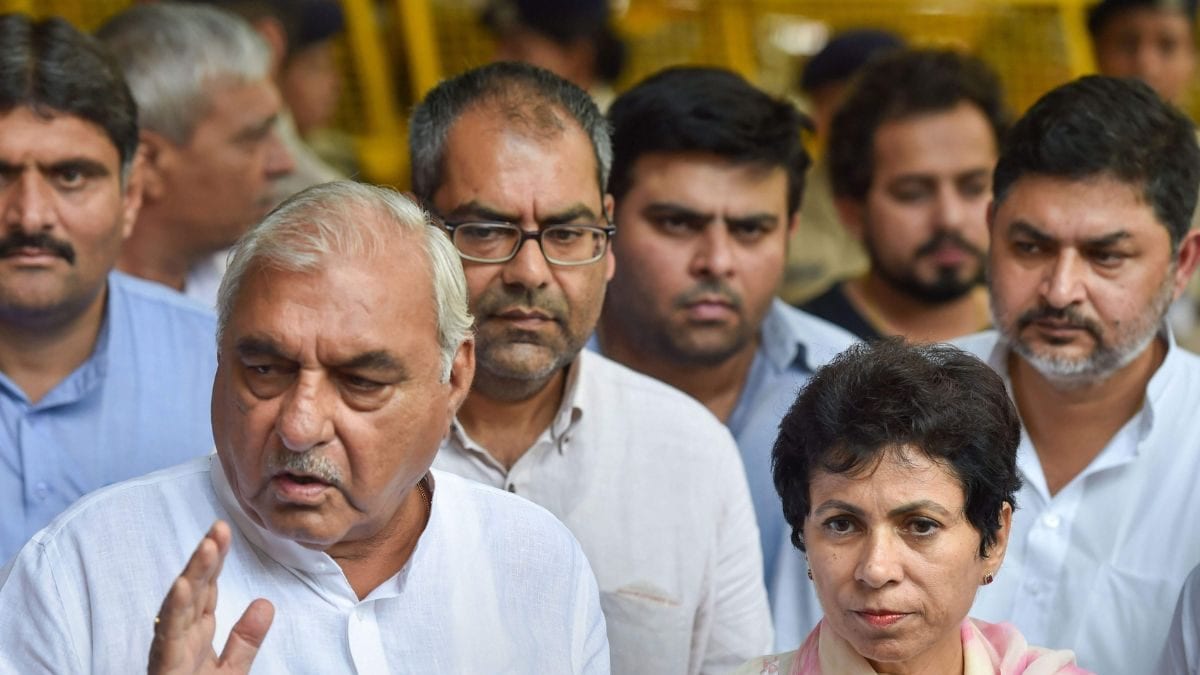
    The 2019 Haryana Assembly elections witnessed a significant impact of rebel candidates, particularly from the Congress party. The party’s failure to secure a victory can be attributed, in part, to its handling of dissidents, leading to the loss of at least nine crucial seats. This analysis will explore the specific cases of rebel candidates who significantly affected the Congress’s performance and highlight how these incidents impacted the overall election outcome.

    The Bahadurgarh Case: A Symbol of Rebellious Triumph

    Rajesh Joon, a former Congress member denied a ticket, contested as an Independent from the Bahadurgarh seat and emerged victorious. He garnered a staggering 73,191 votes, securing a decisive margin of 41,999 votes over the second-place candidate. Notably, the sitting Congress MLA, who had initially been considered a strong contender, finished a disappointing third. This singular victory serves as a powerful illustration of the disruptive force unleashed by disgruntled Congress members who chose to fight against their former party.

    The Power of Dissent

    Joon’s success highlights the power of rebellion in a political system where the party’s dominance is not absolute. By challenging the party’s authority, Joon tapped into a significant reservoir of discontent and disaffection within the electorate. The Bahadurgarh case stands as a testament to the ability of independent candidates to capitalize on internal party conflicts and utilize it to their advantage. It demonstrates the fragility of a party’s hold on power when it fails to address the aspirations of its own members.

    The Nine Lost Seats: A Legacy of Rebellion

    The case of Bahadurgarh, while striking, is just one instance of the Congress’s setbacks attributed to rebel candidates. A meticulous examination of the results reveals that nine seats could have swung in the Congress’s favor if it had either granted tickets to its discontented members or effectively addressed their grievances. This analysis delves deeper into the specific outcomes of these nine seats.

    The Fateful Nine

    The rebel candidates’ impact is evident across these nine seats: Bahadurgarh, Pundri, Ambala Cantonment, Tigaon, Uchana Kalan, Badhra, Gohana, Kalka, and Ballabgarh. These are not isolated incidents but a pattern reflecting the consequences of internal party discord. It’s important to note that the independent candidates’ votes, combined with the Congress’s tally, could have tipped the scales in their favor in a significant number of these seats.

    Bahadurgarh: A Tale of Two Joons

    In Bahadurgarh, the Congress’s loss stemmed from a clash of wills between two Joons: Rajesh and Rajinder. The Congress, in its decision to overlook Rajesh, unwittingly allowed him to rally support and galvanize opposition voters. While the independent Joon secured victory, the sitting MLA, Rajinder Joon, secured a meager 28,955 votes. This defeat demonstrates the powerful ramifications of intra-party dissent, turning the election into a battle between competing factions within the Congress rather than a clear confrontation against its rivals.

    The Ambala Cantonment Seat: A Missed Opportunity

    The Ambala Cantonment seat represents another case where a rebellion proved detrimental to the Congress. The seat, historically won by the BJP’s Anil Vij, saw an independent challenger, Chitra Sarwara, emerge as the second-highest vote-getter, effectively drawing away potential Congress supporters. The Congress candidate, Parvinder Pal Pari, secured a meager 14,469 votes, finishing third, indicating a loss of faith in the party’s nominee. This outcome illustrates how internal party disputes can weaken the Congress’s electoral prospects, particularly when they are challenged by independent candidates.

    The Impact of Rebellion: A Broader Perspective

    Beyond these specific cases, the rise of rebel candidates in the 2019 Haryana Assembly elections raises broader questions about the health of the Congress. The party’s internal divisions and its perceived inability to manage dissent are significant challenges. The absence of a strong leadership figure able to unite and effectively lead the party has also played a role. These factors, combined with the strategic choices made in the run-up to the elections, contributed to the Congress’s loss of power in the state.

    The Road Ahead: Finding a Way Back to Power

    The Congress’s future success hinges on its ability to address these internal challenges. The party must focus on unifying its ranks, establishing clear leadership, and creating a culture that fosters dialogue and consensus-building. The party needs to build a framework to address the concerns of its members, prevent future rebellions, and reclaim its electoral footing. This process requires open communication, honest introspection, and a willingness to adapt to the evolving dynamics of the electorate.

    Takeaways:

    • The 2019 Haryana assembly election results serve as a stark reminder of the consequences of internal party disharmony, especially in the context of rebels candidates challenging the party’s authority.
    • The rebel candidates’ influence was significant, leading to the Congress losing a substantial number of seats that would have otherwise solidified its position.
    • The lack of internal cohesion, combined with the party’s inability to adequately address its members’ grievances, has had a profound impact on the party’s ability to effectively compete in the political arena.
    • The Congress needs to address its internal discord to rebuild its base and regain its competitive edge in future elections. The party’s success depends on creating a unified front, addressing dissent through effective communication, and fostering a culture of trust and mutual respect within its ranks.
  • Baba Siddique Murder: A Web of Motives and Suspects

    Baba Siddique Murder: A Web of Motives and Suspects

    The murder of NCP leader Baba Siddique in Mumbai has sent shockwaves through the city, raising questions about the motive behind the killing and the potential involvement of various individuals and gangs. The Mumbai Police are investigating multiple angles in the case, including the possible involvement of the Lawrence Bishnoi gang and Salman Khan, but the evidence points towards a complex network of motives and relationships.

    The Investigation

    The Mumbai Police are investigating various angles in connection with the Baba Siddique murder case, focusing on the possible involvement of the Lawrence Bishnoi gang and Salman Khan.

    The Bishnoi Gang Angle

    The Bishnoi gang has emerged as a primary suspect, with their alleged claim of responsibility on social media, though police are investigating the authenticity of this post. The gang, known for its alleged connection to organized crime, may have been motivated by their rivalry with Salman Khan, with whom they have had prior disputes.

    The Salman Khan Angle

    Salman Khan, a prominent Bollywood actor, has a long-standing feud with the Bishnoi gang. In 2018, Khan was sentenced to five years in jail for poaching blackbucks in a case that stemmed from the Bishnoi gang’s strong belief in the conservation of wildlife. This feud could potentially provide a motive for the Bishnoi gang to target Baba Siddique, especially if they believe him to be associated with Salman Khan or his circle.

    Other Possible Angles

    Apart from the Bishnoi gang and Salman Khan, the investigation is also exploring other potential angles. Baba Siddique’s involvement with Dawood Ibrahim, a notorious gangster, and his potential connection to Bollywood, politics, and property dealings could be potential motives for his killing.

    The Suspects

    Three men, Shiv Kumar alias Shiva Gautam, Dharmraj Kashyap, and Gurmail Baljit Singh, have been identified as key suspects in the murder of Baba Siddique.

    Shiv Kumar alias Shiva Gautam

    Shiv Kumar, identified as the shooter, is currently absconding.

    Dharmraj Kashyap

    Dharmraj was carrying chili spray, but before he could use it, Shiv Kumar had already opened fire.

    Gurmail Baljit Singh

    Gurmail has a prior criminal history, including a murder case against him, and was in police custody.

    The Aftermath

    The murder of Baba Siddique has left a trail of fear and anxiety in the city. The incident has highlighted the vulnerability of prominent figures and the pervasiveness of organized crime in Mumbai.

    The Security Concerns

    The lack of adequate security for Baba Siddique, despite his past connection with the MCOCA Act and his high-profile connections, has raised questions about the security protocols for prominent figures in the city. The murder has highlighted the need for more stringent security measures, particularly for individuals who are known to have connections with criminal elements.

    The Role of Social Media

    The use of social media by the alleged perpetrators to claim responsibility for the murder highlights the challenges posed by online platforms for law enforcement agencies. The widespread access to social media has become a powerful tool for disseminating information and influencing public opinion, making it even more challenging to control the spread of misinformation.

    The Importance of Cooperation

    The Mumbai Police have emphasized the need for cooperation with local law enforcement agencies in identifying and apprehending the culprits. This case underscores the importance of interagency collaboration and communication in combating criminal activity.

    Takeaway Points

    The murder of Baba Siddique is a complex case with a multitude of possible motives and connections. The investigation into the murder is ongoing, and the Mumbai Police are actively pursuing all possible leads. The incident raises concerns about the security of prominent figures in Mumbai, the role of social media in criminal activities, and the importance of interagency cooperation. The case is likely to have a significant impact on the city’s security measures and public perception of crime.

  • Aam Aadmi Party’s Entry into Jammu & Kashmir: A New Era of Politics?

    Aam Aadmi Party’s Entry into Jammu & Kashmir: A New Era of Politics?

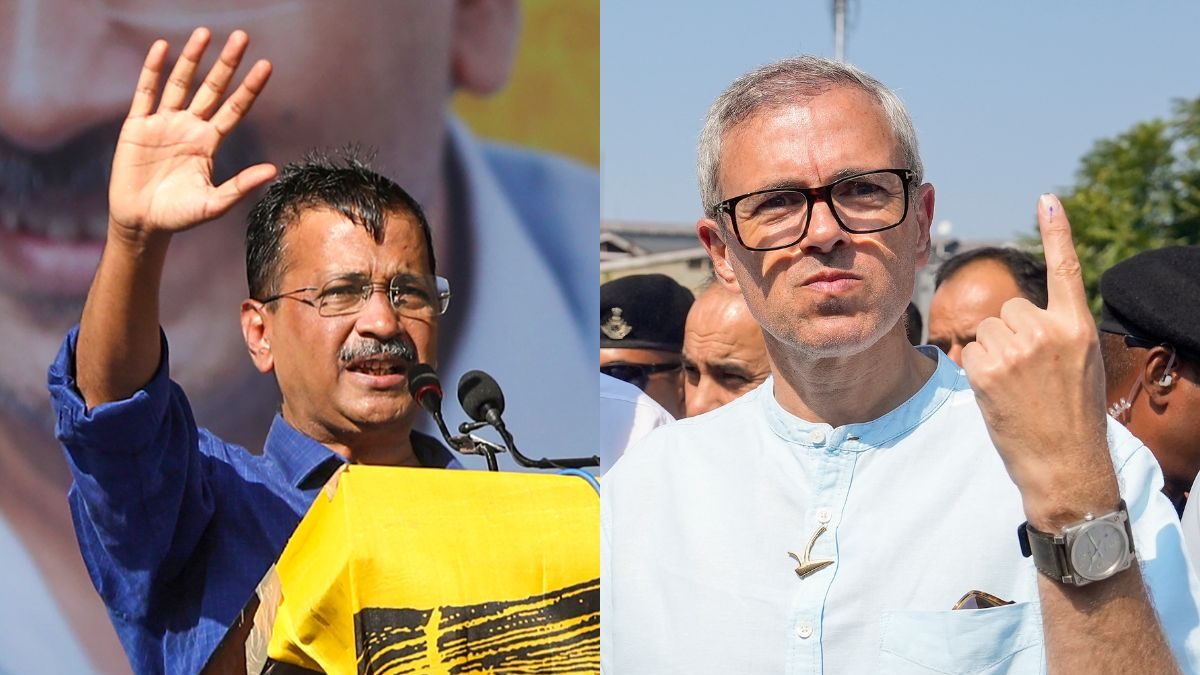
    Arvind Kejriwal, the national convenor of the Aam Aadmi Party (AAP), extended his congratulations to Omar Abdullah, the vice president of the National Conference, on his victory in the recent assembly elections in Jammu and Kashmir. He expressed his party’s full support for the new government and its commitment to working alongside it to achieve development for the region. Kejriwal’s message of support carries significant weight in the context of the political landscape in Jammu and Kashmir, reflecting a shift in the dynamics of the state’s governance.

    A New Era of Collaboration: AAP’s Support for Omar Abdullah’s Government

    Kejriwal’s statement of support highlights a significant development in the political landscape of Jammu and Kashmir. While the AAP’s sole representative in the assembly, Mehraj Malik, secured his win from Doda, the party’s formal backing of the Omar Abdullah-led government marks a shift towards cooperation. This collaboration is expected to contribute to a smoother functioning of the government and ensure the implementation of development projects, particularly in light of the unique challenges faced by the region.

    The Impact of Limited Powers and AAP’s Experience in Delhi

    Kejriwal’s reference to Jammu and Kashmir as a “half-state” with limited powers echoes the concerns raised about the diluted authority of the elected government and the increased role of the Lieutenant Governor. Drawing a parallel with Delhi, where the AAP faced similar challenges, he offered his support and experience in navigating the complexities of governance within such a system. He encouraged Omar Abdullah to reach out for guidance if faced with difficulties in administering the state. This offer reflects the AAP’s willingness to share its knowledge and experience to foster effective governance in Jammu and Kashmir.

    A Shared Vision for Development: AAP’s Commitment to Improving the Lives of the People

    Kejriwal emphasized the AAP’s focus on development as the cornerstone of its commitment to Jammu and Kashmir. He explicitly stated that the party’s primary goal is not simply gaining political positions but fundamentally improving the lives of the people. By advocating for crucial development initiatives in education, healthcare, and infrastructure, the AAP aims to create tangible positive change for the residents of Jammu and Kashmir. This message underscores the AAP’s genuine interest in the well-being of the people, not merely power.

    Mehraj Malik: A Symbol of Change and the AAP’s Entry into Jammu and Kashmir

    Mehraj Malik’s victory in the Doda assembly segment marks a significant milestone for the AAP. His win not only establishes the party’s presence in Jammu and Kashmir but also signifies the growing influence of the AAP’s political ideology beyond Delhi. By securing the first seat in the state, Mehraj Malik becomes the first member of the AAP’s legislative assembly, representing a potential avenue for expanding its influence in the region.

    From the Local Level to a Broader Impact: Malik’s Potential Role in the State

    Kejriwal’s hope that Mehraj Malik will be given responsibilities beyond his constituency suggests an aspiration to leverage his expertise and contribution towards broader initiatives. This expectation implies a broader role for the AAP in the government’s operations, potentially bridging the gap between the regional and state-level governance and advocating for Doda’s specific needs. This strategic approach showcases the party’s ambition to actively participate in shaping the future of Jammu and Kashmir.

    A Different Kind of Politics: AAP’s Approach to Empowering the People

    Kejriwal’s call for “a different kind of politics” underscores the AAP’s vision to shift the political landscape beyond traditional methods. The party’s commitment to improving public services, particularly in education, healthcare, and electricity, reflects its approach to empowering citizens through concrete initiatives. The AAP’s promise of progress through concrete actions resonates with its efforts to address the needs and concerns of ordinary people.

    Looking Ahead: The AAP’s Influence in Shaping the Future of Jammu and Kashmir

    The AAP’s entry into the Jammu and Kashmir political scene holds potential for reshaping the state’s future. Their approach to governance, focused on transparency, citizen empowerment, and effective service delivery, has the potential to impact how development is planned and implemented. With their stated commitment to supporting Omar Abdullah’s government, the AAP’s influence might translate into positive changes for the people of Jammu and Kashmir.

    Beyond the Election: Building a Foundation for Change

    The AAP’s participation in Jammu and Kashmir’s political scene presents an opportunity to introduce a new dynamic. Their focus on development, service delivery, and citizen-centric governance presents a contrast to established political systems. By advocating for the needs of the people, promoting transparent governance, and collaborating with other parties, the AAP can play a crucial role in shaping the future of the state, pushing for positive change, and building a brighter future for Jammu and Kashmir.

    Takeaway Points:

    • The AAP has pledged to support Omar Abdullah’s government in Jammu and Kashmir.
    • This move signals a shift in the dynamics of governance in the state, potentially leading to more collaboration and a more united approach to development.
    • Kejriwal’s reference to Jammu and Kashmir as a “half-state” echoes concerns about the reduced power of the elected government compared to the Lieutenant Governor.
    • The AAP’s commitment to improving education, healthcare, and infrastructure in Jammu and Kashmir reflects a focus on empowering citizens through concrete actions and development initiatives.
    • The AAP’s entry into the Jammu and Kashmir political scene presents an opportunity to introduce a new dynamic, with a focus on transparent and efficient governance.
    • The party’s focus on citizen empowerment, effective service delivery, and development initiatives hold potential for positive changes in the region, impacting how development is planned and implemented.