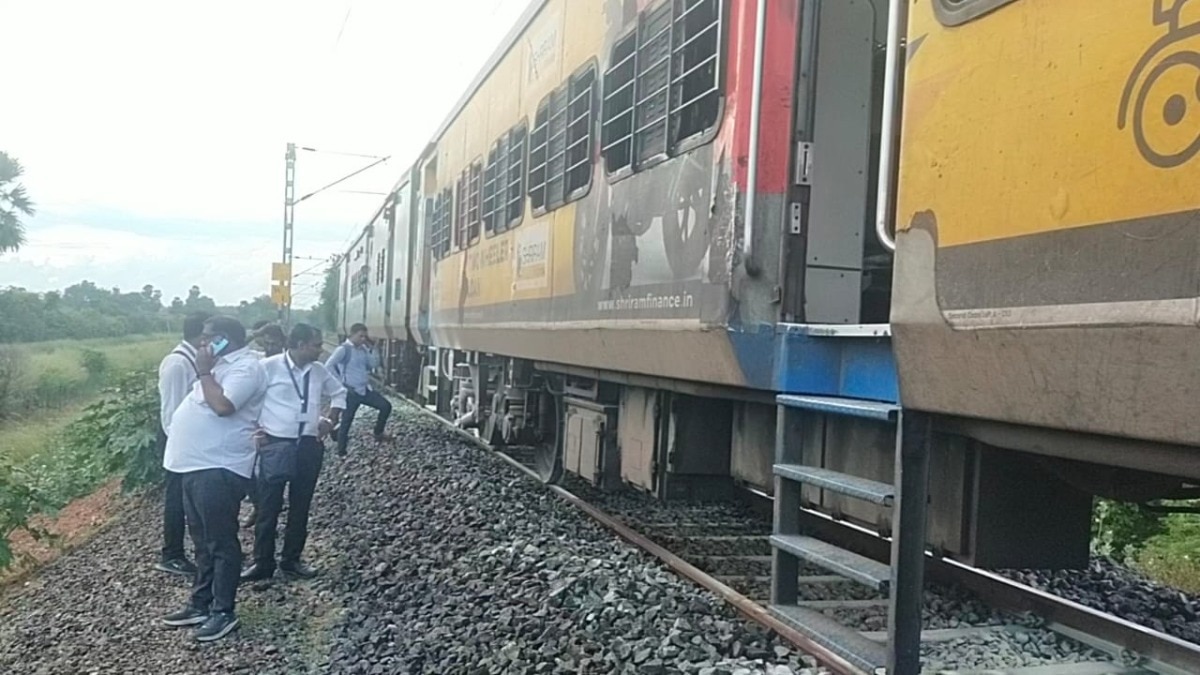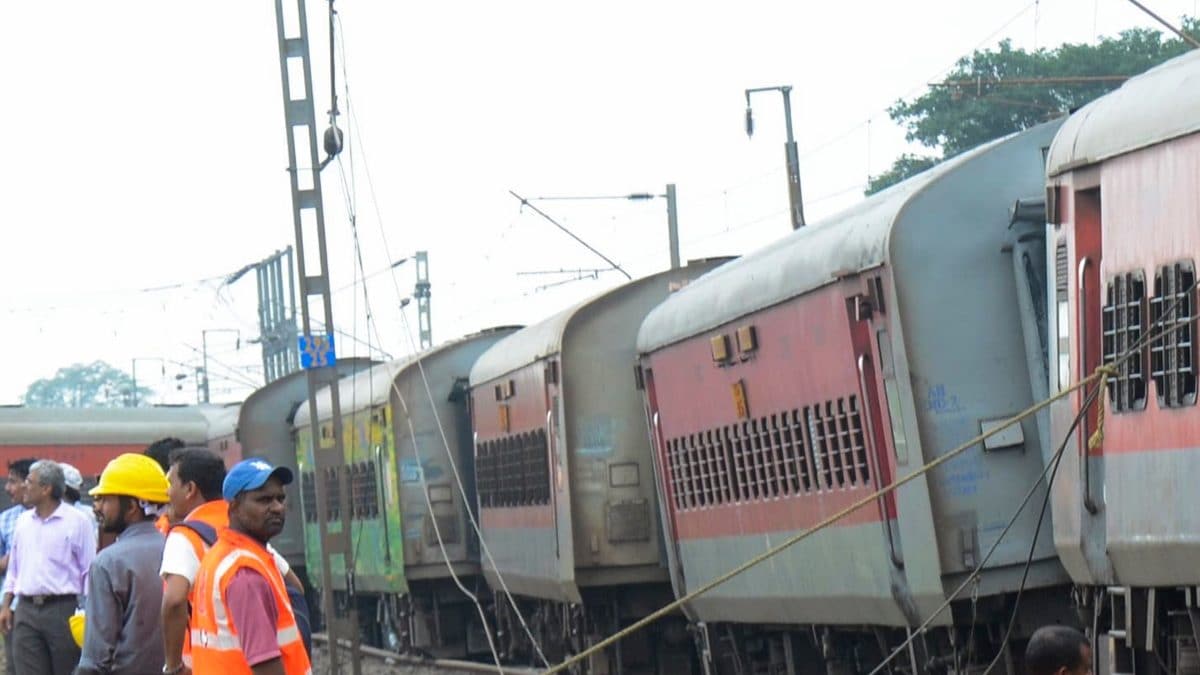
The derailment of the Mysuru-Darbhanga Bagmati Express on Friday night near Chennai was a significant event, thankfully resulting in no fatalities. The incident occurred when the passenger train collided with a stationary goods train at Kavaraippettai railway station. While the immediate cause appeared to be a technical error, an investigation by the National Investigation Agency (NIA) ruled out any possibility of sabotage or a terror angle. The incident highlights the need for robust safety protocols and a comprehensive understanding of the factors contributing to such accidents.
Technical Malfunction as the Primary Cause
The NIA’s investigation concluded that the accident was primarily caused by a technical malfunction, eliminating the possibility of sabotage or a terror attack. This finding emphasizes the critical role of proper maintenance and technology in ensuring safe rail travel. The investigation team meticulously examined the site and reviewed available evidence, including signal records and communication logs, to determine the cause of the derailment. The NIA, known for its expertise in counter-terrorism investigations, concluded that there was no evidence suggesting any nefarious intent behind the collision.
Factors Contributing to the Accident
While a specific technical fault remains to be definitively determined, the incident highlights a number of potential contributing factors. These include:
- Signal System Malfunction: The investigation revealed that despite a green signal indicating a clear path on the main line, the passenger train entered the loop line, where the goods train was stationary. A malfunction in the signaling system, potentially due to technical failure or human error, could have led to the train taking the wrong route.
- Driver Error: The driver of the passenger train may have inadvertently misinterpreted the signals or misjudged the route. While driver error cannot be ruled out, the incident emphasizes the importance of stringent training programs and the need for continuous vigilance in operating trains.
- Poor Communication: A breakdown in communication between the driver and control room personnel could have contributed to the accident. Lack of timely information about the location of the goods train, or a miscommunication regarding the passenger train’s authorized route, could have played a role in the collision.
Safety Measures for Prevention
The Mysuru-Darbhanga Bagmati Express derailment emphasizes the paramount importance of maintaining robust safety measures in the railway system.
- Signal System Upgrades: Investing in modern and reliable signaling technology is crucial. The accident highlights the need for redundant systems, self-monitoring features, and comprehensive testing protocols. Such upgrades will enhance the accuracy and reliability of signals, reducing the risk of trains entering unauthorized routes.
- Comprehensive Maintenance: Regularly scheduled maintenance for signaling systems and rolling stock, including engines and track, is essential for preventing accidents. Rigorous inspections and preventive maintenance help identify potential issues before they can lead to catastrophic events.
- Enhanced Driver Training: Train drivers must undergo stringent and comprehensive training programs to enhance their understanding of signals and operational procedures. Ongoing refresher courses and simulations can further improve their competence and response times.
- Communication Improvements: Effective communication is vital for ensuring safety on railway networks. The implementation of advanced communication technologies and improved coordination between train crews and control centers can help avoid accidents by providing timely alerts and preventing miscommunication.
Response and Recovery
The timely response to the accident by railway officials and emergency services minimized the extent of injuries. The immediate mobilization of medical teams ensured that the injured passengers received swift treatment. The prompt diversion of other trains and restoration efforts aimed to minimize disruption to passenger services.
Lessons Learned
The derailment of the Mysuru-Darbhanga Bagmati Express provides valuable lessons for the Indian Railways.
- Prioritizing Safety: Safety must remain the highest priority for all railway operations. Continuously investing in upgrades, improvements, and enhanced safety procedures will significantly contribute to reducing accidents.
- Technological Advancement: Adopting cutting-edge technologies, particularly in signaling systems and safety measures, is crucial. Staying ahead of the curve in technological advancements can greatly improve efficiency and safety.
- Emphasis on Human Factor: Training, vigilance, and a culture of safety among all railway personnel are crucial. Investing in education, regular drills, and promoting open communication among employees is essential to mitigate risks and ensure a safe operating environment.
Takeaway Points
The Mysuru-Darbhanga Bagmati Express derailment serves as a potent reminder of the critical role of safety in railway operations. By focusing on a multi-faceted approach encompassing technology upgrades, robust maintenance protocols, comprehensive training, and prioritizing safety across all levels, the Indian Railways can effectively prevent future accidents and maintain the integrity and trust of the network.