Category: national

  • Nationwide Celebrations and Official Holidays Mark the Grand Inauguration of Ram Temple in Ayodhya

    Nationwide Celebrations and Official Holidays Mark the Grand Inauguration of Ram Temple in Ayodhya

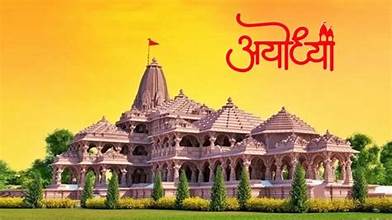
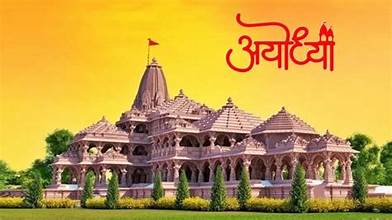
    In an unprecedented show of cultural and religious fervor, India gears up for the grand inauguration ceremony of the Ram Temple in Ayodhya, scheduled for January 22, 2024. This historic event, graced by Prime Minister Narendra Modi and over 8000 VIP guests from around the world, has ignited a wave of celebration across the nation.

    Government Offices and Educational Institutions Announce Holidays

    To mark this momentous occasion, 10 BJP-ruled states across India have declared a public holiday. All government offices, schools, and colleges in these states will remain closed, allowing citizens to partake in the festivities. The central government, too, has announced a half-day holiday in all central government institutions, signaling the importance of this event at a national level.

    Financial Institutions and Private Sectors Join in the Celebrations

    In a rare move, the banking sector, including all government banks, will observe a half-day closure, resuming operations only after 2:30 PM. This step reflects the sector’s participation in the national event. Additionally, major private corporations like Reliance Industries have also decided to keep their offices closed on this day, further underscoring the widespread impact of the ceremony.

    Public Holidays Across Diverse States

    Apart from the central government offices, state governments in Uttar Pradesh, Goa, Madhya Pradesh, Haryana, Chhattisgarh, Tripura, Odisha, Gujarat, and Assam have also declared a public holiday on January 22. This unified response from various state governments highlights the ceremony’s significance across diverse regions of India.

    Impact on Stock and Currency Markets

    The enthusiasm surrounding the Ram Temple inauguration is palpable in the financial sector as well. Both the Bombay Stock Exchange (BSE) and the National Stock Exchange (NSE) will remain closed, indicating the ceremony’s impact on India’s economic landscape. Furthermore, the currency market will operate on a half-day schedule, opening at noon instead of the usual 9 AM and closing at 5 PM, as per a circular issued by the Reserve Bank of India. This adjustment in market hours is a nod to the ceremony’s national importance.
  • Ayodhya’s Grand Event: PM Modi to Inaugurate Ram Mandir’s Consecration Amidst Cultural Extravaganza

    Ayodhya’s Grand Event: PM Modi to Inaugurate Ram Mandir’s Consecration Amidst Cultural Extravaganza

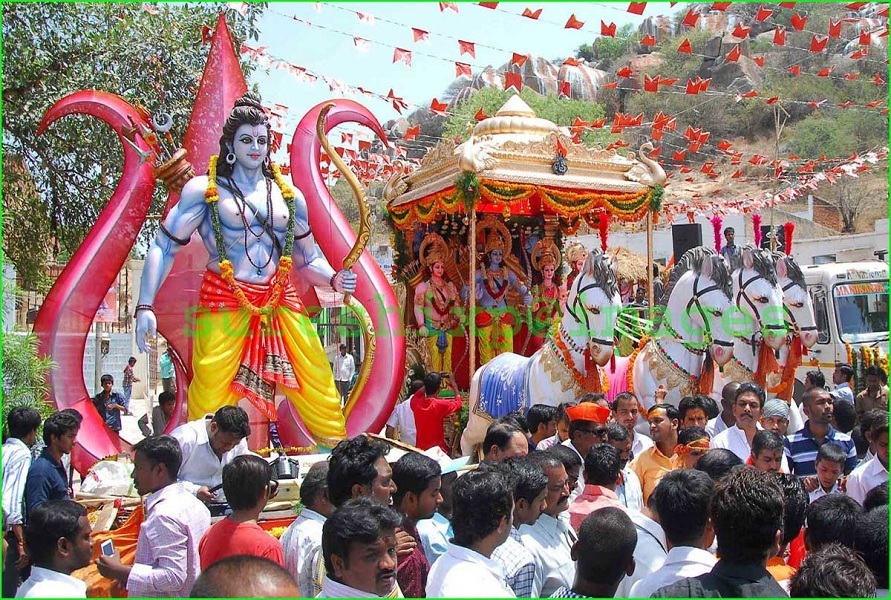
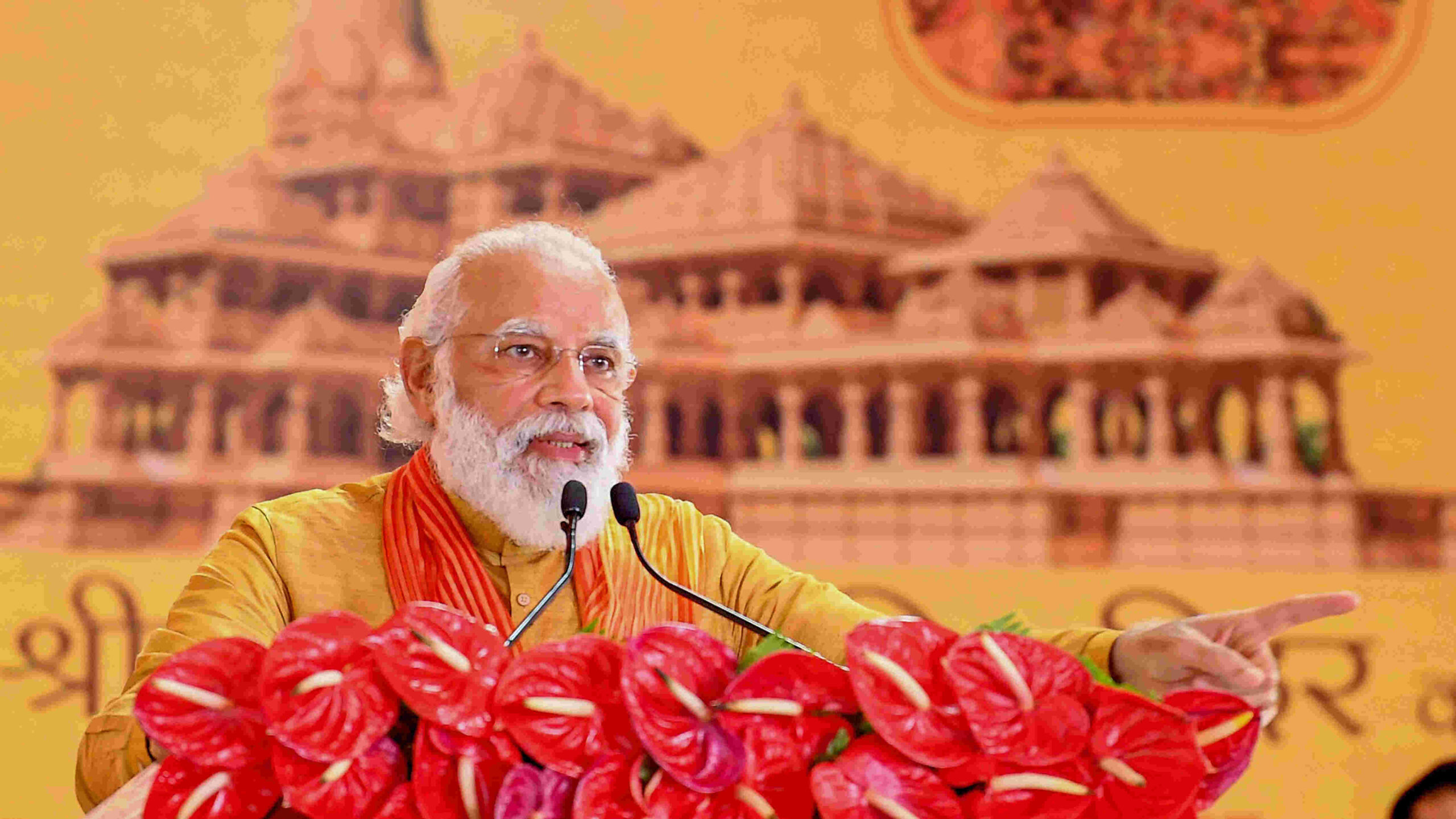
    In a landmark event that is capturing the nation’s attention, Prime Minister Narendra Modi is set to participate in the grand and historic consecration ceremony, also known as pran-pratishtha, of the Ram Mandir in Ayodhya, Uttar Pradesh. This monumental occasion, scheduled for Monday, January 22, marks not just a significant religious milestone but also serves as the commencement of PM Modi’s campaign for the 2024 Lok Sabha elections. The city of Ayodhya is abuzz with excitement, witnessing an influx of tens of thousands of devotees. These enthusiasts, animated by their devotion, are filling the streets with their vibrant chants, the rhythmic beating of drums, and the colorful waving of flags.

    A Gathering of Dignitaries and Enthusiasts

    The event is poised to be a grand affair with about 7,000 distinguished guests expected to grace the occasion. This elite list includes prominent figures from various walks of life – politicians, business leaders, celebrities, and renowned athletes. The ceremony is scheduled to commence at 12.20 pm, setting the stage for a day filled with reverence and celebration.

    Ayodhya’s Cultural Tapestry: A Day of Spiritual and Artistic Celebrations

    The town of Ayodhya is not just preparing for a spiritual ceremony but is also hosting an array of cultural events that highlight the rich heritage of the region. The schedule for the day is packed with activities that promise to enchant and engage attendees:

    • The day begins with a Shri Ram Katha recital by Devkinandan Thakur from 10.30 am to 2 pm, expected to draw a large audience.
    • Ayodhya will also witness a grand cultural procession from 10 am to 4 pm across 100 locations. This procession will showcase the talents of 1,500 artists performing folk dances from various parts of the state, along with 200 artists from regional cultural centers under the Ministry of Culture.
    • An enchanting presentation of Ramleela is scheduled from 6 pm to 7 pm at Ramkatha Park, a treat for mythological and cultural enthusiasts.
    • The serene Saryu Aarti at Ram Ki Paidi will be conducted from 6.30 pm to 7 pm, adding a spiritual essence to the evening.
    • A captivating projection show will light up Ram Ki Paidi from 7 pm to 7.30 pm, followed by a hymns recital by the Watekar Sisters from 7 pm to 8 pm at Ramkatha Park.
    • Bhajan Sandhya by Sharma Bandhu is set to create a devotional ambiance from 7 pm to 8 pm in Tulsi Udyan.
    • The evening will also feature a mesmerizing laser show at Ram Ki Paidi from 7.30 pm to 7.45 pm.
    • An eco-friendly fireworks show at Ram Ki Paidi from 7.45 to 7.55 pm promises to be a visual treat.
    • The cultural festivities continue with a cultural evening from 8 pm to 9 pm at Ram Katha Park by Kanhaiya Mittal and a performance in Tulsi Udyan by Raghuveera Padmashree Malini Awasthi from 8 pm to 9 pm.

    Consecration Ceremony: A Spiritual Epicenter for Millions

    The temple trust has informed that the pran Pratishtha rituals began on January 16 near the Saryu river and will culminate on Monday afternoon during the auspicious ‘abhijeet muhurta’. This event is not just limited to the attendees in Ayodhya; millions across the country and the world are expected to witness this historical moment live on television and through various internet platforms. The government’s decision to declare a half-day holiday on January 22 further underscores the significance of this event, with several states following suit in recognition of its importance.

    The consecration of Ram Mandir in Ayodhya is not just a religious affair but a cultural phenomenon that resonates with millions. It marks a momentous chapter in India’s rich tapestry of history and spirituality. As the nation tunes in to witness this historic event, it stands as a testament to India’s enduring cultural legacy and the unifying power of faith.

  • Generosity in Tinsel Town: Bollywood and South Indian Celebrities Contribute to the Historic Ram Mandir Construction

    Generosity in Tinsel Town: Bollywood and South Indian Celebrities Contribute to the Historic Ram Mandir Construction

    In an era where the blending of spirituality and philanthropy is becoming increasingly prominent, the Ram Mandir in Ayodhya stands as a testament to this union. January 22 marked a significant milestone in Indian history with the Prana Pratishtha ceremony of Lord Ram at the Ram Mandir, an event that captured the hearts of millions nationwide. This auspicious occasion was further illuminated by the contributions of several notable personalities from Bollywood and the South Indian film industry.

    Bollywood’s Heartwarming Contributions to Ram Mandir

    Akshay Kumar: A Blend of Reel and Real Heroism In the glittering array of stars contributing to this noble cause, Akshay Kumar, popularly known as Bollywood’s ‘Khiladi’, has been at the forefront. Known for his patriotism both on and off-screen, Kumar had, back in 2021, made a heartfelt appeal to the nation for contributions towards the temple’s construction. Although the specifics of his donation remain undisclosed, his commitment has been a significant morale booster.

    Hema Malini: The Evergreen Star’s Silent Offering Another prominent name is that of the veteran actress Hema Malini. The Dream Girl of Bollywood has also made her contribution to the Ram Mandir, choosing to keep the amount of her donation private. Her discreet generosity speaks volumes of her devotion and reverence.

    Contributions from Veteran Actors and Rising Stars

    Anupam Kher: A Symbolic Gesture of Faith Seasoned actor Anupam Kher, known for his versatile performances, chose a unique way to contribute – by donating bricks for the construction. His emotional journey to Ayodhya and the profound message he shared on social media underscore his deep connection with the project.

    Mukesh Khanna: The Shaktimaan’s Real-Life Heroics Mukesh Khanna, a legendary figure in Indian television, has also stepped forward with a notable contribution of 1.11 lakh rupees. His donation, openly declared on social media, reflects his enthusiasm and support for the cause.

    Southern Stars Shine Bright for Ram Mandir

    Pawan Kalyan: A South Indian Icon’s Generous Gesture The South Indian film fraternity is not far behind in this philanthropic race. Pawan Kalyan, a name synonymous with stardom in the South, has generously donated 30 lakh rupees towards the temple construction, showcasing the pan-Indian appeal and support for the Ram Mandir.

    Gurmeet Choudhary: An Actor’s Zeal for a Divine Cause Lastly, Gurmeet Choudhary, another dynamic personality from the entertainment industry, has passionately contributed to the Ram Mandir construction. His social media posts reflect the fervor and spirit of the nation-wide campaign to support this sacred initiative.

  • Ayodhya Ram Temple Inauguration: A Historic Day Unfolds with Pran Pratishtha Ceremony

    Ayodhya Ram Temple Inauguration: A Historic Day Unfolds with Pran Pratishtha Ceremony

    Ayodhya Ram Temple Inauguration: In the vibrant and spiritual city of Ayodhya, a momentous occasion is unfolding that marks a significant chapter in India’s history. The grand consecration ceremony, known as pran pratishtha, of the Ayodhya Ram Temple is set to take place, drawing the attention of the nation and devotees worldwide. This event, laden with cultural and historical significance, is not just a ceremony but a testament to the enduring legacy of faith and tradition in India.

    The Gathering of Dignitaries and Devotees

    The ceremony is set to be a grand affair, with the presence of numerous dignitaries, including politicians, industrialists, celebrities, and sportspersons. Approximately 7000 invitees are expected to grace the event, which is scheduled to commence at around 12:20 pm IST. This is not just a local event but a national spectacle, with countless devotees across the country eagerly watching the proceedings through their television screens.

    Ayodhya’s Transformation for the Historic Event

    Ayodhya, a city steeped in myth and legend, has undergone a remarkable transformation for this historic day. The streets are awash in a sea of saffron, reflecting the deep-rooted Hindu traditions and the festive spirit of the devotees. The jubilant atmosphere is palpable, with thousands of Hindu devotees participating in dances and celebrations, marking this as a once-in-a-lifetime moment in the annals of Indian history. The reconstruction of the Ram Mandir, a dream nurtured over almost five centuries, is finally coming to fruition on this auspicious day of January 22.

    Detailed Itinerary of the Ram Mandir Inauguration

    The day is meticulously planned, ensuring that each moment is imbued with significance and reverence. Here’s a look at the detailed schedule for January 22:

    • 10:25 am: Arrival of Prime Minister Narendra Modi in Ayodhya, followed by a helicopter journey to the event venue.
    • 10:55 am: Prime Minister Modi reaches the Ram temple premises.
    • Between 11:00 am and 12:00 pm: A guided tour of the Ram Mandir premises by the prime minister.
    • Between 12:05 pm and 1:00 pm: The commencement of the pran-pratishtha ceremony, with Prime Minister Modi presiding over the sacred rituals.
    • Around 1:00 pm: Departure of Modi from the temple premises to address the gathered assembly of approximately 7,000 people.
    • 2:10 pm: Visit by Modi to Kuber ka Tila, a site of historical and religious significance with the restored ancient temple of Bhagwan Shiv.

    The Significance of January 22 for the Ceremony

    The choice of January 22 as the day for this grand ceremony is deeply rooted in Hindu astrology and mythology. This date is a rare alignment of various auspicious periods, as per Vedic astrology, making it the ideal day for the pran pratishtha of the Ram Temple. The converging auspicious periods include:

    • Abhijit Muhurat: This is considered the most powerful and fortunate time of the day, lasting about 48 minutes. It is the eighth muhurat out of the 15 that span from sunrise to sunset.
    • Mrigashirsha Nakshatra: Representing the Orion constellation, this is the fifth out of the 27 nakshatras in Vedic astrology.
    • Amrit Siddhi Yoga and Sarvartha Siddhi Yoga: These are auspicious periods formed by the combination of a star sign and a weekday. On January 22, 2024, the conjunction of Mrigashirsha with Monday results in these propitious yogas, beginning at 07:13 am IST and continuing till 04:58 am the following day.

    This meticulous alignment of astrological factors underscores the spiritual and cultural significance of the event, aligning it with the cosmic order and Hindu traditions.

  • Shoaib Malik’s Third Marriage Sparks Controversy: Understanding ‘Khula’ and Its Impact in Celebrities’ Lives

    Shoaib Malik’s Third Marriage Sparks Controversy: Understanding ‘Khula’ and Its Impact in Celebrities’ Lives

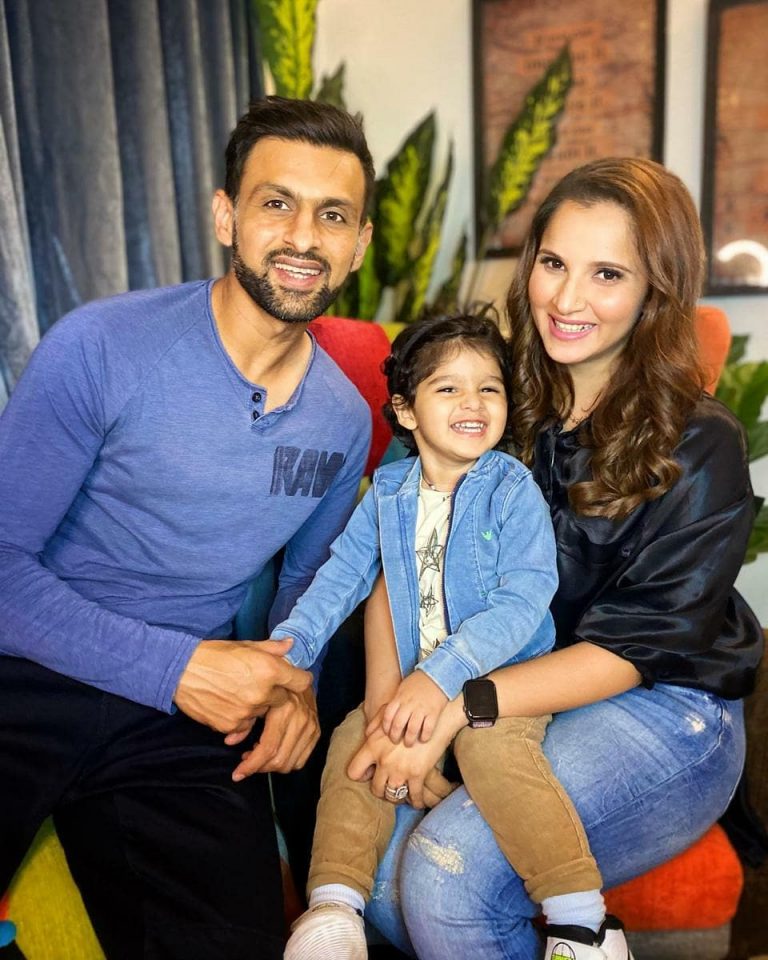
    The news of Shoaib Malik’s third marriage has been dominating the internet since its announcement, causing a stir in both the Indian and Pakistani sports communities. Pictures shared by Malik with his new wife, Sana Javed, have confirmed speculations about troubles in his relationship with Indian tennis star Sania Mirza. This development has brought the concept of ‘Khula’, a form of divorce in Islam, into the spotlight, particularly after it was revealed that Sania Mirza chose this method to dissolve her marriage with Malik.

    What is ‘Khula’? Understanding its Significance

    ‘Khula’ is a process in Islamic law that allows a woman to initiate a divorce. This differs from the traditional ‘Talaq’, where the husband is the one who pronounces the divorce. In the case of ‘Khula’, the wife expresses her desire to separate, and it usually involves a return of the dowry or other compensation to the husband. The spotlight on Sania Mirza’s decision to opt for ‘Khula’ has ignited a discussion about the empowerment and rights of women in divorce within Islamic law.

    The Timeline of Shoaib Malik and Sania Mirza’s Relationship

    Shoaib Malik and Sania Mirza’s high-profile marriage in April 2010 was a major event that brought together fans from both countries. The couple lived in Dubai and was often seen as a symbol of cross-border unity and love. However, reports of strains in their relationship started surfacing in 2022, culminating in their eventual separation. The confirmation of their split and Malik’s subsequent marriage to Pakistani actress Sana Javed marks a new chapter in both their lives.

    The Cultural Impact of High-Profile Divorces

    The separation of Shoaib Malik and Sania Mirza is not just a personal affair but also a cultural event that has significant implications. It has initiated conversations about marriage, divorce, and women’s rights in South Asian societies, where such topics are often considered taboo. The openness about their separation, especially Sania’s decision to opt for ‘Khula’, serves as an empowering narrative for many women in similar situations.

    The Role of Social Media in Shaping Public Perception

    Social media has played a pivotal role in shaping public perception of this high-profile divorce. The sharing of pictures and statements on platforms like Twitter and Instagram has allowed both Malik and Mirza to control the narrative to some extent. This direct communication with the public is a new phenomenon in celebrity culture, where previously such news was filtered through traditional media outlets.

    The Legal Aspect of ‘Khula’ in Islamic Law

    In Islamic law, ‘Khula’ is a legal procedure that involves negotiations and discussions between the husband and wife, often with the involvement of legal and religious authorities. The process is not just a formality but a serious consideration of the rights and responsibilities of both parties. Understanding this legal aspect is crucial in discussing the separation of Malik and Mirza, as it provides a framework for their decision.

    Moving Forward: Life After Divorce for Celebrities

    As Shoaib Malik starts a new life with Sana Javed, and Sania Mirza navigates her life post-divorce, their stories reflect the complexities of personal relationships in the public eye. Their journey post-divorce is likely to continue to be a topic of public interest, showcasing how celebrities manage personal upheavals while living in the spotlight.

  • Rahul Gandhi Temple Visit Controversy: A Glimpse into India’s Political and Religious Dynamics

    Rahul Gandhi Temple Visit Controversy: A Glimpse into India’s Political and Religious Dynamics

    In a recent turn of events that has sparked widespread discussion, Congress leader Rahul Gandhi found himself at the center of a controversy involving religious practices and political implications. This incident, which occurred in the context of the Ayodhya Ram Mandir Pran Pratishtha, sheds light on the complex interplay between religion and politics in India.

    Gandhi’s Indirect Critique and the Role of Temples in Indian Politics

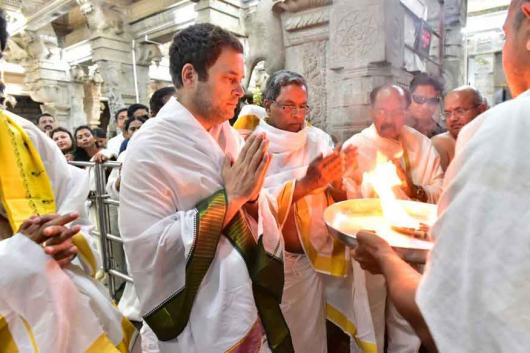
    Rahul Gandhi’s indirect remark about Prime Minister Narendra Modi during the Bharat Jodo Nyay Yatra in Assam highlighted the often intricate relationship between political figures and religious institutions in India. Gandhi’s comment, “Aaj sirf ek vyakti mandir mein ja sakta hain (Only one person can go to the temple today),” was perceived as a subtle critique of the Prime Minister and brought to the fore the issue of accessibility to religious places for political leaders.

    The Batadrava Than Incident: Timing and Restrictions

    The Than Management Committee’s decision to allow Gandhi’s entry to Batadrava Than in Assam after 3 pm on January 22, the day of the Ayodhya Ram Mandir’s Pranpratishtha, was a significant aspect of this controversy. This directive was given citing the heavy influx of devotees and the organization of various programs at the Than premises. This decision, however, was met with allegations from Congress General Secretary in-charge Communications, Jairam Ramesh, who claimed that the state government was exerting pressure, thus restricting Gandhi’s visit.

    Jairam Ramesh’s Allegations and the Political Undertone

    Jairam Ramesh’s statement that the Congress had been planning the visit since January 11 and the sudden change in the schedule points to a possible political undertone in the decision-making process. The claim that the restriction was due to state government pressure adds another layer to the controversy, highlighting the potential use of religious sites as tools in political maneuvering.

    The Exclusion of Rahul Gandhi from Sankardev Satra Temple Visit

    Adding to the complexity of the situation was the allowance for local MPs and MLAs to visit the Sankardev Satra temple in Assam’s Nagaon, while Gandhi was excluded. This led to a protest by Gandhi and other Congress leaders, bringing into question the criteria for permitting political figures to visit religious sites.

    Gandhi’s Criticism and the Question of Religious Access

    Rahul Gandhi’s criticism of being stopped from visiting the temple in Assam’s Nagaon raised important questions about the role of political leaders in religious spaces and whether such decisions should be influenced by other political figures. Gandhi’s rhetorical question about whether Prime Minister Modi would decide who visits temples encapsulated the broader debate about the intersection of religion and politics in India.

  • Truth Behind Modi’s Apology to Ram Lala

    Truth Behind Modi’s Apology to Ram Lala

    In a momentous celebration of faith and perseverance, the long-awaited consecration of the Ram Temple in Ayodhya marks a new chapter in India’s cultural and spiritual journey. This event, eagerly anticipated by millions of Lord Ram’s devotees, signifies more than just the construction of a temple; it represents the fulfillment of centuries-old wishes and a testament to the enduring spirit of Indian tradition.

    Prime Minister Modi’s Emotional Address: A Tribute to Patience and Devotion

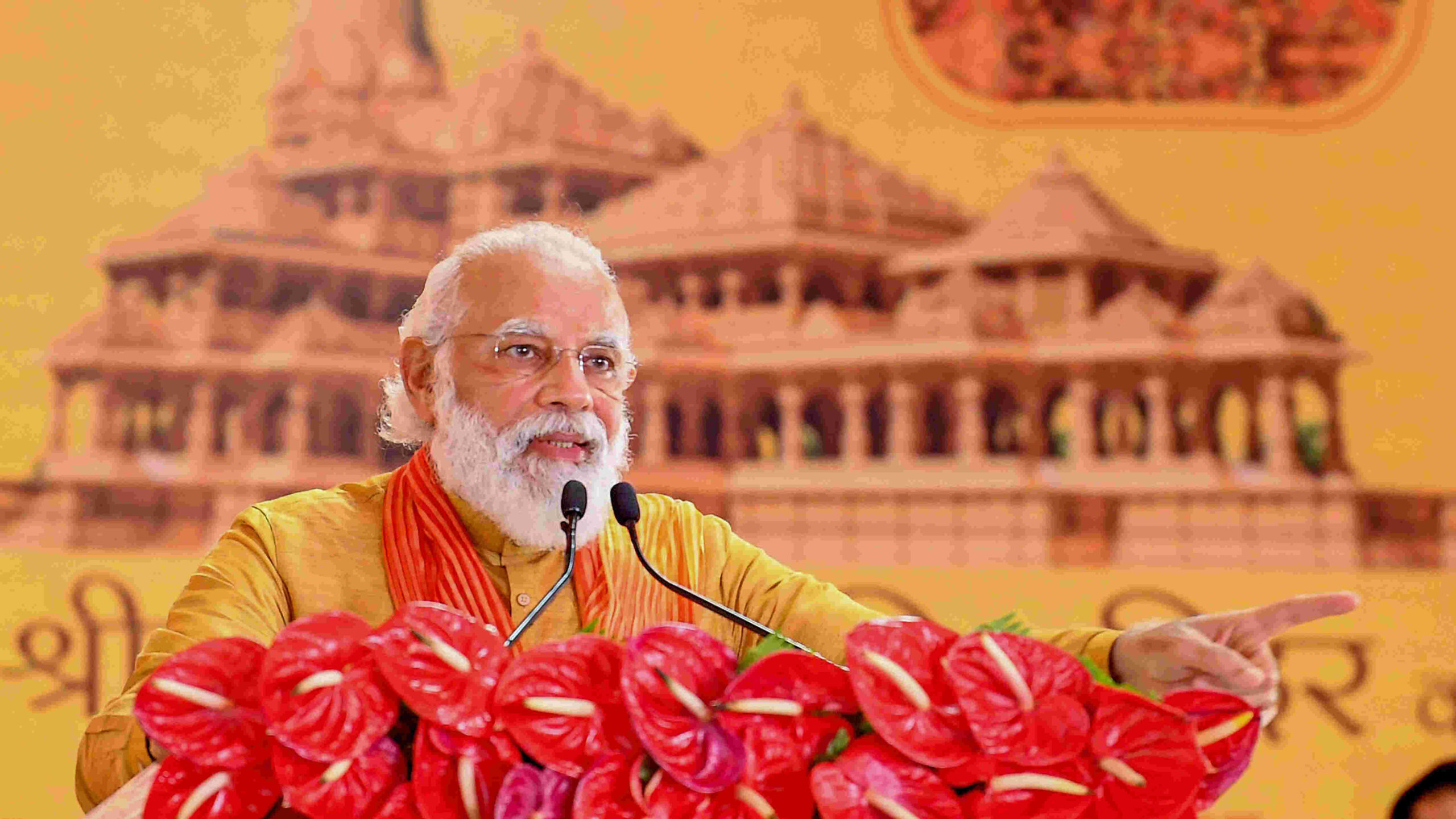
    Prime Minister Narendra Modi, in his emotionally charged address following the temple’s consecration, reflected the sentiments of countless generations. He began his speech with the reverent chant “Siyavar Ramchandra ki Jai,” setting a tone of deep reverence and devotion. In a humble gesture, PM Modi sought forgiveness from Lord Ram for the delay in building the temple. His words, “Our generations endured separation,” echoed the long and arduous journey leading to this momentous day.

    The Journey from Tent to Temple: Realizing a Long-Cherished Dream

    Emphasizing the historic significance, PM Modi remarked on the transition from Lord Ram’s idol being sheltered in a tent to its new abode in a magnificent temple. This shift is not just physical but symbolic, representing the fruition of centuries of patience and devotion. The Prime Minister expressed his firm belief that the impact of this event would resonate with devotees across India and the world, marking it as a celestial moment in history.

    Witnessing the Dawn of a New Era

    January 22, 2024, is not just another date on the calendar but the dawn of a new epoch in Indian cultural history. This day brings with it a divine radiance, a sacred moment that signifies the start of a new cycle in the cultural and spiritual life of India. The construction of the Ram Temple, following the groundbreaking Bhoomi Pujan, has been a source of increasing joy and faith across the nation, symbolizing a collective resurgence of cultural pride and unity.

    A Nation United in Celebration: The Diwali of the New Age

    As the Ram Temple stands completed, India celebrates a Diwali-like festival, marking the triumph of faith and devotion. Preparations are underway nationwide for the lighting of “Ramjyoti,” symbolizing the light of Lord Ram’s presence in every home. This celebration is not confined to the temple premises but extends to every corner of the country, uniting people in a shared sense of joy and spiritual fulfillment.

    Acknowledging the Role of Judiciary and Eminent Personalities

    In his address, Prime Minister Modi did not forget to express gratitude towards the judiciary for its pivotal role in the legal sanctioning of the temple’s construction. He acknowledged the blessings of the nation’s top saints, leaders from various fields, film stars, poets, writers, and sports personalities. This collective endorsement and support underscore the national and cultural significance of the Ram Temple, a project that has transcended legal debates to become a symbol of India’s rich spiritual heritage.

    The Temple as a Beacon of India’s Cultural Ethos

    The completion of the Ram Temple is more than a religious milestone; it’s a beacon of India’s enduring cultural and spiritual ethos. It stands as a testament to the nation’s ability to uphold its rich heritage and traditions while navigating the complexities of modern legal and social frameworks. As India steps into a new era, the Ram Temple in Ayodhya will remain a symbol of the nation’s undying faith, unity, and the timeless legacy of Lord Ram.

  • The Dawn of a New Era: How Ayodhya’s Ram Temple Redefines India’s Spiritual Landscape

    The Dawn of a New Era: How Ayodhya’s Ram Temple Redefines India’s Spiritual Landscape

    After centuries of anticipation, the sacred city of Ayodhya has witnessed a momentous event: the consecration of Lord Ram in his divine temple. This event, led by Prime Minister Narendra Modi, signifies not just the culmination of a 500-year wait but also the fulfillment of a collective vow spanning generations. The presence of Uttar Pradesh Chief Minister Yogi Adityanath underscored the historical and cultural significance of this moment.

    A Unique Testament to Faith and Perseverance

    The construction of this temple at the birthplace of Lord Ram is unparalleled in history. It represents a battle fought on numerous fronts by the majority community within their own nation, to honor their deity. The successful realization of this temple is a testament to the enduring faith and perseverance of the people.

    Ayodhya: From Turmoil to Tranquility

    In a profound shift from the tumultuous past, Chief Minister Yogi Adityanath reassured that Ayodhya’s streets will no longer echo with the sounds of conflict but will be marked by peace and festivity. This transformation symbolizes the establishment of ‘Ram Rajya’ (the rule of Lord Ram) – an era synonymous with peace, justice, and prosperity.

    Embracing the Ideals of Lord Ram

    Chief Minister Yogi Adityanath reflected on this historical moment as a return to the Treta Yuga, the age of Lord Ram. He described Ayodhya as the ‘Vaikunth on Earth’ (Heaven on Earth) and highlighted how the city, once neglected and scorned, is now a beacon of glory and spirituality. This resurgence aligns with the life and teachings of Lord Ram, who is an embodiment of discipline and righteousness, ideals that have profoundly influenced Indian society.

    Tribute to the Sacrifices for the Temple

    This event also serves as a solemn homage to the countless devotees who sacrificed their lives for the construction of the temple. The realization of this temple is seen as a tribute to their unwavering faith and dedication. The Prime Minister’s role in fulfilling this long-held dream has been met with widespread gratitude and admiration.

    A Unifying Force Across the Nation

    On this historic day, Chief Minister Yogi Adityanath extended his heartfelt congratulations to everyone, emphasizing the emotional and spiritual connection shared by the populace. The inauguration of the temple has transformed every town and village into an extension of Ayodhya, with the name of Lord Ram resonating in every heart and home.

  • Emotional Reunion in Ayodhya: The Day Uma Bharti and Sadhvi Ritambhara Shared Tears

    Emotional Reunion in Ayodhya: The Day Uma Bharti and Sadhvi Ritambhara Shared Tears

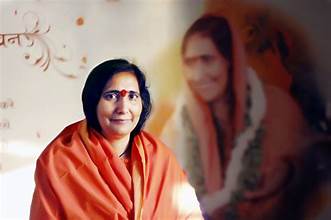
    Ayodhya: In the heart of Ayodhya, a moment of profound emotional intensity unfolded as two prominent figures of the Ram Temple movement, Uma Bharti and Sadhvi Ritambhara, encountered each other. This reunion, laden with years of struggle and devotion, brought tears to the eyes of these stalwart personalities, symbolizing a poignant chapter in India’s political and cultural tapestry.

    The Stirring Moment in Ayodhya

    As the much-anticipated Ram Temple Pran Pratishtha ceremony drew these influential leaders to Ayodhya, their meeting was not just a mere encounter but a reflection of decades-long perseverance and commitment. The absence of L.K. Advani, a key figure in the movement, due to illness, added a layer of solemnity to the occasion. The emotional embrace between Uma Bharti and Sadhvi Ritambhara was a testament to their journey, laden with hopes, dreams, and struggles for the cause they so passionately championed.

    A Viral Sensation: The Power of Social Media

    The power of social media in capturing and amplifying such emotional moments was evident as videos of their encounter went viral. These visuals, showing Uma Bharti consoling a tearful Sadhvi Ritambhara, resonated with many, evoking a collective emotional response. The sight of these two women, united in their cause and emotion, struck a chord with viewers, illustrating the deep-rooted sentiments associated with the Ram Temple movement.

    The Pivotal Role in the Ram Temple Movement

    Looking back at the history of the Ram Temple movement, the roles played by Uma Bharti and Sadhvi Ritambhara become clear. Uma Bharti, reflecting on her involvement, expressed immense joy and fulfillment at being a part of the 500-year-long struggle. Similarly, Sadhvi Ritambhara’s resolute dedication was evident in her iconic slogan, “Saugandh Ram ki khaate hain, mandir wahi banayenge” (We swear by Lord Ram, we will build the temple there). This slogan, along with her 1992 rallying cry, “Garv se kaho hum Hindu hain, Hindustan hamara hai” (Proudly say we are Hindus, India is ours), echoed in homes across the country, becoming synonymous with the movement.

  • Mamata Banerjee on Congress: कांग्रेस पर भड़कीं ममता बनर्जी

    Mamata Banerjee on Congress: कांग्रेस पर भड़कीं ममता बनर्जी

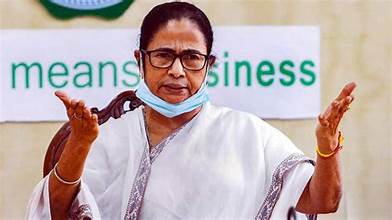
    Mamata Banerjee on Congress: विपक्षी गंठबंधन इंडिया में सींटों को लेकर खींचातानी देखने को मिल रही है। पश्चिम बंगाल की मुख्यमंत्री ममता बनर्जी ने स्पष्ट रूप से कहा- बीजेपी के खिलाफ लड़ाई का नेतृत्व क्षेत्रीय दलों की तरफ से किया जाना चाहिए। हालांकि कांग्रेस अगर चाहे तो वह 300 सीटों पर अकेले चुनाव लड़ सकती है। लेकिन उसे बाकी की सींटे क्षेत्रिय दलों के लिए छोड़ देनी चाहिए।

    उन्होंने कांग्रेस पर नाराजगी जताते हुए कहा- गठबंधन का नाम इण्डिया मैंने ही रखा था। हमारी नीति एकजुटता के साथ चुनावी मैदान में उतरना था। लेकिन मुझे जो सम्मान गठबंधन में मिलना चाहिए वह नहीं मिल सका। कांग्रेस अपनी मनमानी करने में जुटी हुई है। वाम दल ‘इंडिया’ के एजेंडे पर नियंत्रण की कोशिश कर रहे हैं। हालांकि तृणमूल की तरह पश्चिम बंगाल में कोई बीजेपी को सीधी टक्कर नहीं दे सकता है।

    उन्होंने आगे कहा- हमारे पास छमता है बीजेपी को कांटे की टक्कर देने की। अगर आप सींट को लेकर सहमत नहीं है तो कम से कम आपको उनके खाते में सींटे तो नहीं जाने देनी चाहिए। मैं बैठक में शामिल होती हूं तो देखती हूं कि वाम दल इसे नियंत्रित करने की कोशिश करते हैं। यह स्वीकार्य नहीं है। मैंने स्वयं को खड़ा करने में 35 वर्ष संघर्ष किया है।