Category: national

  • Indian Education: An In-Depth Look at the PM SHRI Schools Initiative

    Indian Education: An In-Depth Look at the PM SHRI Schools Initiative

    Indian Education: In an era where education is the cornerstone of progress and development, India has taken a monumental step forward with the introduction of the PM SHRI (Prime Minister School for Rising India) initiative. This ambitious project, spearheaded by the Indian government, aims to establish over 14,500 PM SHRI schools across the country. These institutions are not just schools; they are beacons of hope, aiming to provide an exemplary educational environment for every student, backed by state-of-the-art facilities and infrastructure.

    Transforming Education Under the National Education Policy 2020

    Aligned with the National Education Policy (NEP) 2020, the PM SHRI initiative is a game-changer for approximately 18 million students. A remarkable aspect of this initiative is that all schools under this scheme will be government-run, ensuring equitable access to quality education. The selection of these schools is a collaborative effort between the state governments and the central government, with an emphasis on enhancing the educational landscape in every corner of India.

    PM SHRI: A Beacon of Progress in Uttar Pradesh

    Taking a closer look at Uttar Pradesh, a significant milestone has been achieved with the selection of 1753 schools under the PM SHRI scheme. The first phase of this project will focus on upgrading 928 schools. These educational institutions will be transformed into integrated campuses, equipped with modern facilities to foster a conducive learning environment. This transformation is part of a broader vision, aptly demonstrated during the scheme’s launch, where the Chief Minister of Uttar Pradesh, Yogi Adityanath, and the Union Minister of Education and Skill Development and Entrepreneurship, Dharmendra Pradhan, allocated INR 347 crores under ‘Project Anlkaar’ for the development of basic infrastructure in secondary schools.

    What Benefits Do Schools Gain?

    Under the PM SHRI scheme, schools are not just being upgraded; they are being reimagined. They will be connected to the latest educational policies and practices, ensuring that students are prepared for the challenges of the 21st century. The plan involves selecting a maximum of two schools (one primary and one secondary or senior secondary) in every block of the country.

    The schools will boast technological advancements, smart classrooms, art rooms, digital boards, sports equipment, and internet facilities. These features are aligned with modern educational policies, setting a new standard for academic excellence.

    Moreover, the schools will be developed as ‘Green Schools,’ emphasizing sustainable practices and environmental education. This holistic approach ensures that students not only receive academic knowledge but also develop a sense of responsibility towards the environment.

    PM SHRI Yojana: Shaping the Future of Education

    The PM SHRI Yojana is a comprehensive initiative that spans from primary to 12th grade, ensuring a consistent and high-quality educational experience for all students. State-of-the-art laboratories will be established, enabling students to complement their theoretical knowledge with practical learning experiences.

    Sports will also receive significant attention, recognizing the importance of physical development in a child’s growth. The implementation of the new education policy under this scheme means that children from all backgrounds will have access to superior education, bridging the gap and fostering an inclusive educational environment.

    A Brighter Future for India’s Youth

    This initiative is more than an educational reform; it is a vision for the future. It promises to benefit millions of underprivileged children in India, offering them a pathway to a brighter and more prosperous future. The PM SHRI Yojana is not just about building schools; it’s about building futures, empowering the next generation of leaders, innovators, and thinkers.
  • Maldives Ministers On PM Modi Lakshadweep Visit: पीएम ने की लक्षद्वीप की यात्रा, मालदीव ने की आलोचना, तीन मंत्री सस्पेंड

    Maldives Ministers On PM Modi Lakshadweep Visit: पीएम ने की लक्षद्वीप की यात्रा, मालदीव ने की आलोचना, तीन मंत्री सस्पेंड

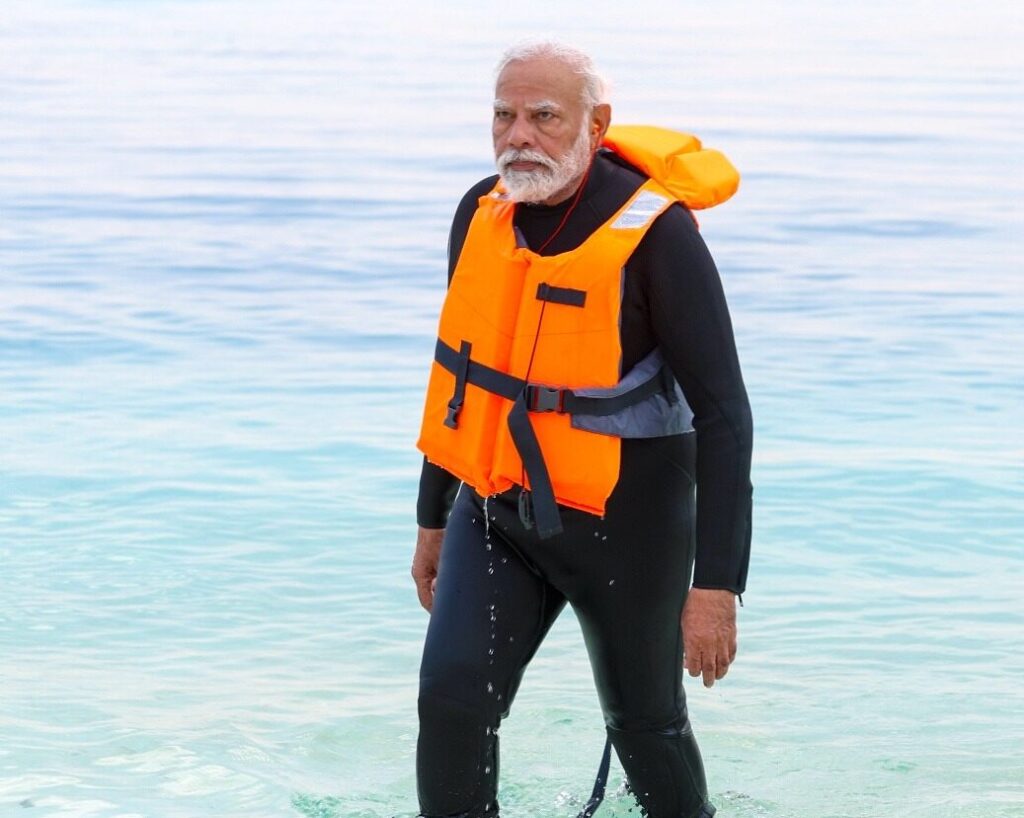
    Maldives Ministers On PM Modi Lakshadweep Visit: पीएम मोदी की लक्षद्वीप की यात्रा ने मालदीप के पेट में दर्द शुरू कर दिया है। अभी तक मालदीप को लगता था हमारा देश बेस्ट पर्यटन स्थल देश है। भारत से अनगिनत लोग हमारे यहां सुकून की तलाश में आते हैं। भारत में प्रदूषण है और हमारे देश में शांति। लेकिन पीएम मोदी ने लक्षद्वीप की यात्रा से मालदीप के लिए खतरा पैदा कर दिया है। उन्होंने देश के युवाओं को संदेश दिया है कि अपने देश में घूमने के लिए कई बेहतर विकल्प हैं और जो नजारा लेने हमारे देश के लोग मालदीव जाते हैं वह नजारा हमारे भारत के लक्षद्वीप में मिल जाएगा। वो भी कम बजट में। क्योंकि जब कोई मालदीव की यात्रा करता है तो उसका खर्चा 2 से 5 लाख का होता है। वही लक्षद्वीप की यात्रा आप महज 50 हजार में बेहतरीन सुविधाओं के साथ कर सकते हैं।

    क्या शुरू हुआ बवाल:

    पीएम ने लक्षद्वीप की यात्रा की और सोशल मीडिया पर अपनी तस्वीरे साझा कीं। मोदी की तस्वीरों ने सोशल मीडिया पर हंगामा मचा दिया। अचानक से बायकॉट मालदीव और अपना देश घूमों ट्रेंड करने लगा। पीएम की तस्वीरों सामने आते ही मालदीव के मंत्रियों के पेट में दर्द शुरू हो गया। क्योंकि वह जानते हैं अगर लक्षद्वीप की यात्रा भारतीयों ने शुरू कर दी। तो उनका टूरिज्म से होने वाला लाभ कम हो जाएगा और उनकी इकोनॉमी प्रभावित होगी।

    मालदीव के तीन उप-मंत्रियों ने मोदी की लक्षद्वीप यात्रा के बाद सोशल मीडिया पर उनकी आलोचना की ,उनका कहना है कि लक्षद्वीप केंद्रशासित प्रदेश है। जिसे भारत के पीएम मालदीव के वैकल्पिक पर्यटन स्थल के रूप में पेश कर रहे हैं। मंत्रियों के इस बयाना से मालदीव के सियासी गलियारों में हलचल मच गई। मंत्रियों के बयाना पर भारतीय उच्चायोग ने आपत्ति जताई। जिसके बाद त्वरित कार्यवाही करते हुए मालदीव की सरकार को अपने तीनों मिनिस्टरों- मालशा शरीफ, मरियम शिउना और अब्दुल्ला माजिद को सस्पेंड करना पड़ा।

    क्या बोली मालदीव की सरकार:

    मंत्रियो के बयाना पर प्रतिक्रिया देते हुए मालदीव की सरकार ने कहा- उन्होंने पीएम मोदी के विषय में जो बयाना दिया वह उनकी व्यक्तिगत सोच थी। उसका सरकार से कोई मतलब नहीं है। अगर पीएम मोदी अपने देश के किसी भू-भाग की यात्रा करते हैं तो इससे किसी को क्या आपत्ति होगी।

  • Resilience in the Rubble: The Remarkable Survival of a 90-Year-Old Woman in Japan’s Devastating Earthquake

    Resilience in the Rubble: The Remarkable Survival of a 90-Year-Old Woman in Japan’s Devastating Earthquake

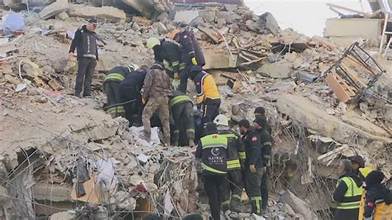
    In a remarkable display of resilience and hope amidst disaster, a 90-year-old woman has been rescued from the ruins of a two-story building in Japan, five days after a powerful earthquake struck the region. According to a CNN report, the woman was extracted from the debris on Saturday evening, a staggering 124 hours after the earthquake hit Ishikawa Prefecture’s Suzu City. She was immediately transported to a nearby hospital. On Sunday, a doctor confirmed that, although she was able to communicate effectively, she had sustained injuries to her legs.

    The Golden Hours of Rescue Operations

    The initial 72 hours following a natural disaster are crucial for search and rescue operations. Experts refer to this period as the ‘golden hours’, a critical window for finding survivors. Beyond this timeframe, the condition of those trapped or injured can deteriorate rapidly, making early intervention vital.

    The Scale of the Earthquake’s Impact

    The earthquake, which measured 7.5 on the Richter scale, struck central Japan on January 1st. Its severity was such that it prompted tsunami warnings as far as Eastern Russia. The catastrophe forced thousands of coastal residents to abandon their homes as buildings and roads collapsed. The death toll from the disaster has risen to at least 126, while the full extent of the damage is yet to be assessed by Japanese authorities. Over 200 people are reported missing, and search and rescue operations are ongoing in Ishikawa.

    Challenges in Rescue Efforts

    A member of the emergency rescue team, Kume Takanori, told Japan’s public broadcaster NHK about the complex rescue of the elderly woman. Her knees were trapped in a narrow space between the first and second floors, under furniture, making the extraction process lengthy and challenging.

    NHK also reported that numerous roads remain blocked, significantly hindering the movement of emergency personnel and vehicles to reach survivors. This logistical challenge underscores the difficulties faced in disaster response efforts.

    Government Response and Measures

    Japanese Prime Minister Fumio Kishida, in a statement shared with X Press, announced that traffic restrictions around the earthquake zone would be implemented starting Sunday. This move is aimed at facilitating uninterrupted access for vehicles involved in relief and rescue operations, by preventing entry into the affected areas.

    The Unyielding Spirit of Survival

    This incident not only highlights the relentless efforts of rescue teams but also showcases the indomitable spirit of survival. The elderly woman’s rescue, well beyond the critical 72-hour window, provides a glimmer of hope in the face of overwhelming adversity. Her ability to withstand such an ordeal and the successful rescue operation serve as a testament to human resilience and the effectiveness of disaster response strategies.

    Looking Ahead: Strengthening Disaster Preparedness

    The recent earthquake in Japan serves as a stark reminder of the unpredictability and destructive power of natural disasters. It underscores the need for robust disaster preparedness and response mechanisms. Investing in more efficient rescue operations, ensuring structural resilience of buildings, and educating the public on emergency protocols are crucial steps towards minimizing the impact of such calamities in the future.

    As Japan continues to recover and rebuild, the story of the 90-year-old survivor will undoubtedly remain a powerful symbol of hope and resilience in the face of one of nature’s most formidable challenges.

  • Bangladesh Political Landscape: A New Era Under Sheikh Hasina  Leadership

    Bangladesh Political Landscape: A New Era Under Sheikh Hasina Leadership

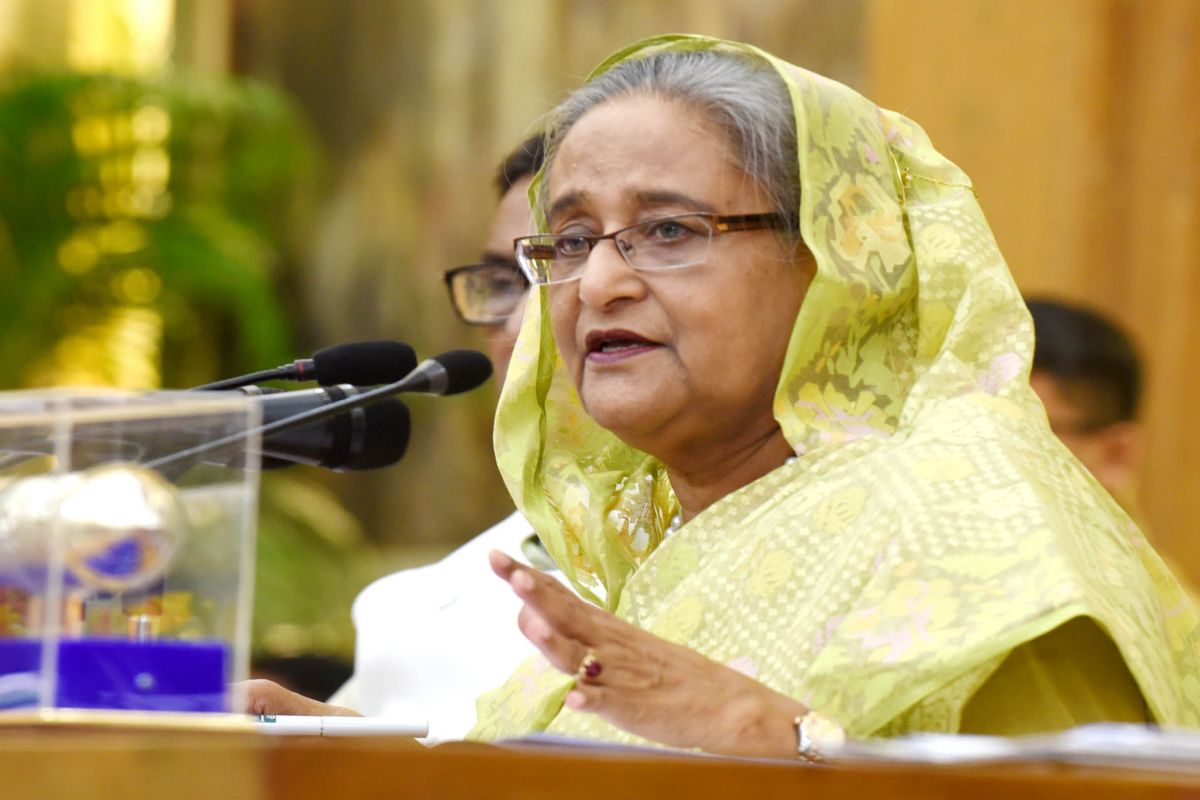
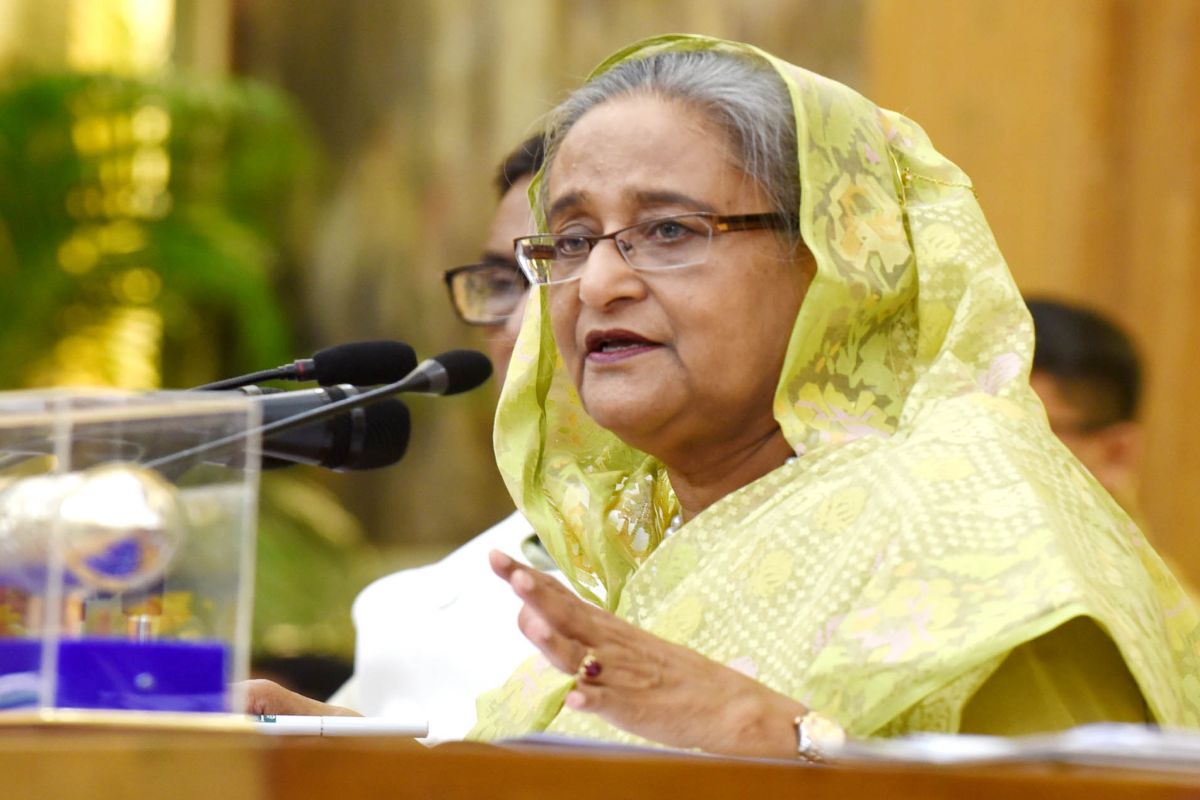
    In a significant political development, Bangladesh’s Prime Minister Sheikh Hasina secured her fourth consecutive term in office, marking a new chapter in the nation’s political history. Her party, the Awami League, triumphed in the elections, capturing two-thirds of the seats, despite sporadic incidents of violence and a boycott by the main opposition party, the Bangladesh Nationalist Party (BNP), and its allies. The election results reaffirmed Hasina’s stronghold in the 300-member Parliament, with her party winning 200 seats. The electoral process, held on a Sunday, is still undergoing vote counting, but preliminary results clearly indicate the Awami League’s victory, as confirmed by the Election Commission’s spokesperson.

    Hasina’s Remarkable Victory in Gopalganj

    Prime Minister Sheikh Hasina’s political acumen was on full display in the Gopalganj-3 parliamentary seat, where she achieved an overwhelming victory, receiving 249,965 votes. Her nearest rival from the Bangladesh Supreme Party, M. Nizam Uddin Laskar, secured a mere 469 votes. This victory marks Hasina’s fifth term as Prime Minister, a role she has held since 2009, and her fourth consecutive term, showcasing her enduring influence in Bangladeshi politics.

    The Awami League’s Stance on Electoral Participation

    The Awami League’s General Secretary, Obaidul Quader, emphasized the people’s rejection of the BNP and Jamaat-e-Islami’s boycott of the elections. Quader extended his gratitude to those who braved threats of violence and terrorism to participate in the 12th National Parliamentary Elections, underlining the resilience of Bangladesh’s democratic spirit.

    Election Turnout and Peaceful Voting

    The Chief Election Commissioner, Kazi Habibul Awal, revealed that initial estimates put voter turnout at around 40%, a figure subject to change. This is in stark contrast to the over 80% voter turnout in the 2018 general elections. Despite the largely peaceful voting process, authorities and media reported incidents of arson at at least 18 locations nationwide, including ten targeting polling stations, on the eve of the election.

    BNP’s Boycott and Future Strategies

    The BNP, led by former Prime Minister Khaleda Zia, announced its plan to intensify anti-government protests through peaceful public engagement programs starting Tuesday. The party’s decision to boycott Sunday’s elections, labeling them as ‘fraudulent’, follows their previous boycott in 2014 and participation in the 2018 elections. Alongside 15 other political parties, the BNP’s boycott was part of a broader strategy to demonstrate the election’s low turnout as a sign of their successful campaign. The party plans to escalate peaceful democratic protest activities, reinforcing the citizens’ right to vote.

    Nationwide Strike and Political Tensions

    During this period, the BNP also initiated a 48-hour nationwide strike, beginning on Saturday morning and concluding on Monday. This strike was a call to voters to abstain from the elections, marking the start of what they termed the end of the ‘fascist government’.

    Election Commission’s Response to Violence

    Earlier, an Election Commission spokesperson acknowledged the scattered incidents of violence, noting that security measures were heightened to ensure a smooth electoral process. The Commission’s proactive approach aimed to safeguard the integrity of the elections and the safety of voters amidst these challenges.

    The Road Ahead for Bangladesh

    The conclusion of these elections opens a new chapter in Bangladesh’s political narrative. As Sheikh Hasina embarks on her fifth term, the country looks forward to stability and progress under her experienced leadership. However, the opposition’s stance and the lower voter turnout present challenges that need to be addressed to strengthen the nation’s democratic foundations. The coming years will be crucial in defining Bangladesh’s trajectory, balancing political aspirations with the imperative of national unity and development.

  • Exploring the Dynamic Interplay between Lakshadweep and Maldives Tourism: Opportunities and Diplomatic Challenges

    Exploring the Dynamic Interplay between Lakshadweep and Maldives Tourism: Opportunities and Diplomatic Challenges

    In the intricate tapestry of international relations and tourism, the recent events surrounding Indian Prime Minister Narendra Modi’s visit to Lakshadweep and the subsequent reactions from the Maldives have woven a complex narrative. This unfolding story not only highlights the delicate nature of diplomatic ties but also underscores the evolving landscape of regional tourism dynamics.

    The Catalyst: Prime Minister Modi’s Lakshadweep Visit

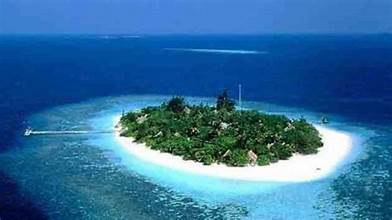
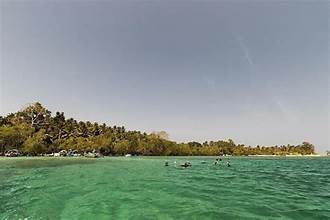
    The saga began with Prime Minister Narendra Modi’s tour of Lakshadweep, an Indian archipelago known for its pristine beauty. During his visit, Modi shared captivating images of Lakshadweep, urging Indians to include this idyllic destination in their travel plans. This move, seemingly innocuous, sparked an unexpected chain of reactions in the Maldives, a neighboring island nation and a popular tourist destination.

    The Ripple Effect in Maldives

    The splendor of Lakshadweep, as showcased by PM Modi, led to comparisons with the Maldives, stirring a mix of emotions and responses. Social media buzzed with claims that the rise of Lakshadweep as a tourist hotspot might pose a threat to the Maldivian tourism industry. This speculation was further fueled by disparaging remarks made by certain Maldivian leaders, which resulted in a suspension by their government, emphasizing that these statements were personal opinions, not reflective of the official stance.

    Social Media Storm and #BoycottMaldives

    The situation escalated as Indian social media users, responding to the remarks of the Maldivian leaders, launched a #BoycottMaldives campaign. This campaign gained traction, with various individuals, including prominent personalities, claiming to have canceled their trips to the Maldives in protest.

    MATATO’s Perspective: A Harmonious Coexistence

    In the midst of these tensions, the Maldives Association of Travel Agents and Tour Operators (MATATO) stepped in with a different viewpoint. Contrary to the fear of adverse effects on Maldivian tourism, MATATO expressed confidence that the development of Lakshadweep’s tourism sector would not negatively impact Maldives. Instead, they saw it as a complementary growth, potentially creating opportunities for both regions.

    The Potential for Collaborative Growth

    MATATO emphasized the possibility of synergy between Lakshadweep and the Maldives. They suggested that a coordinated approach could enhance the overall appeal to tourists, encouraging more cruise liners to explore this culturally rich and vibrant region. Furthermore, MATATO stressed the importance of maintaining positive relations with all neighboring countries, including India, to ensure a collaborative effort in boosting trade and cultural exchange.

    The Diplomatic Imperative

    This scenario underscores the crucial role of diplomacy in maintaining and fostering regional relationships. The reactions and counter-reactions between India and the Maldives over Lakshadweep’s emergence as a tourist destination reflect the need for open communication and cooperative efforts. Building friendly relations and mutual respect is essential for the sustainable growth of tourism and cultural exchange.

    Looking Forward: The Road Ahead

    As we look ahead, the development of Lakshadweep and its impact on Maldives tourism presents a unique opportunity to redefine regional tourism dynamics. The potential for cooperative growth, leveraging the unique strengths of each destination, could pave the way for a more inclusive and expansive tourism experience in the region. It’s a call for strategic thinking, diplomatic finesse, and a forward-looking approach that values collaboration over competition.

  • Maldives Tourism Crisis: Unpacking the Impact of Political Comments and Travel Boycotts

    Maldives Tourism Crisis: Unpacking the Impact of Political Comments and Travel Boycotts

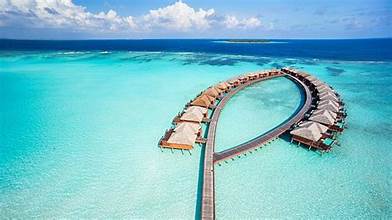
    The Maldives, a stunning archipelago nestled in the Indian Ocean, recently found itself at the center of a diplomatic storm. The nation’s leaders made controversial remarks about India, sparking a significant backlash and leading to widespread calls for a boycott. This situation raises critical questions about the interplay between politics and tourism, and how quickly a paradise destination can become embroiled in international controversy.

    The Surge of Boycott and its Immediate Consequences

    In the wake of these political comments, a significant number of tourists reportedly began canceling their hotel bookings and flight tickets to the Maldives. Social media posts suggest that the boycott campaign, primarily driven by Indian tourists, has led to over 8,000 hotel cancellations and 2,500 flight ticket cancellations. However, these figures have not been officially confirmed.

    The Maldives government took swift action, suspending three ministers responsible for sparking the controversy. Yet, the real impact of these cancellations on the Maldivian tourism sector, a critical part of the country’s economy, remains a subject of intense debate.

    Analyzing the Scale of Cancellations

    Despite the flurry of social media claims, many Indian tour operators have dismissed reports of widespread cancellations. Industry leaders, including Deep Kalra, founder of MakeMyTrip, have stated that there hasn’t been a significant pattern of cancellations from Indian tourists. This sentiment is echoed by others in the industry, who suggest that travelers with pre-booked and pre-paid plans are less likely to cancel their trips.

    The Anticipated Impact of the Boycott

    The Indian Association of Tour Operators predicts that the real impact of the boycott will become evident within the next 20 to 25 days. According to Rajiv Mehra, president of the association, there has been a noticeable decline in new inquiries for trips to the Maldives. This slowdown in new bookings could be a more accurate indicator of the boycott’s impact than immediate cancellations.

    Future Outlook for Maldives Tourism

    The Maldives, known for its idyllic beaches and luxury resorts, has long been a favored destination for tourists, particularly from India. The current situation poses a significant challenge to the nation’s tourism industry. While the immediate effect of the boycott campaign may not be as severe as initially reported, the potential long-term impact on future bookings could be more substantial.

    Navigating Political Sensitivities in Tourism

    This incident highlights the delicate balance that countries like the Maldives must maintain in international relations and domestic politics. The tourism industry, inherently sensitive to external perceptions and political climates, can be significantly affected by such controversies. It underscores the need for nations heavily reliant on tourism to navigate political expressions and diplomatic relations carefully.

  • Bangladesh PM Sheikh Hasina: प्रधानमंत्री इंदिरा गांधी महान थीं, मैं उनके जैसी नहीं, मैं माँ हूँ देश के सभी नागरिक मेरी संतान, प्रचंड जीत के बाद शेख हसीना

    Bangladesh PM Sheikh Hasina: प्रधानमंत्री इंदिरा गांधी महान थीं, मैं उनके जैसी नहीं, मैं माँ हूँ देश के सभी नागरिक मेरी संतान, प्रचंड जीत के बाद शेख हसीना

    Bangladesh PM Sheikh Hasina: बांग्‍लादेश में अवामी लीग पार्टी चुनावों में प्रचंड बहुमत के साथ जीत हास‍िल कर चौथी बार सत्ता पर काब‍िज हुई। शेख हसीना पांचवी बार बंगलादेश की पीएम बनेगी। हसीना के नेतृत्व में भारत और बांग्लादेश के संबंध में घनिष्ठता आई है। जीत के बाद हसीना ने मीडिया से बातचीत करते हुए कहा- भारत हमारा पड़ोसी देश है।

    भारत ने मुसीबत के समय हमेशा हमारा साथ दिया है। जब हमें जरूरत हुई भारत हमारे साथ खड़ा हुआ। भारत के साथ हमारे संबंध आज के नहीं वर्षों पुराने हैं। साल 1971 में और 1975 में जब मुसीबत आई तो भारत ने हमारा साथ दिया। संकट के समय मुझे, मेरी बहनों और परिवार को भारत ने आश्रय दिया।

    उन्होंने आगे कहा- हमारे बीच ऐसा नहीं कि कोई समस्या नहीं रही। .कई समस्याओं को हमने द्विपक्षीय वार्ता से सुलझाया है और अपने संबंधों को मजबूत किया। कई समझौते किए और कई मुद्दों पर एकजुट होकर एक सहमति से चर्चा की। हमारा संबंध सभी देशों के साथ बेहतर है क्योंकि यही हमारी नीति वाक्य है। बांग्लादेश के विकास के लिए मैं प्रयास करती रहूगी और देश के संबंध अन्य देशों के साथ अच्छे विकसित करूंगी। यह पांच साल बांग्लादेश के विकास के पांच साल होंगे।

    बांग्लादेश में जो चुनाव हुआ वह निष्पक्ष और स्वतंत्र था। अगर कोई पार्टी चुनाव में भाग नहीं लेती तो इसका कतई यह मतलब नहीं है कि मैं लोकतंत्र विरोधी हूँ। वही जब शेख हसीना की तुलना भारत की पूर्व प्रधानमंत्री इंदिरा गांधी और श्रीलंका की पूर्व प्रधानमंत्री सिरिमाओ भंडारनायके जैसे वैश्विक नेताओं से की गई तो उन्होंने कहा- वह बहुत महान महिलाएं थीं। मैं नहीं हूँ। मैं एक आम नागरिक और माँ हूँ। जो अपने देश के प्रत्येक नागरिक को अपना बच्चा समझती हूँ।

  • IRCTC Andaman Tour: IRCTC करवाएगे सस्ते में अंडमान की यात्रा, मिलेगीं लग्जरी सुविधा

    IRCTC Andaman Tour: IRCTC करवाएगे सस्ते में अंडमान की यात्रा, मिलेगीं लग्जरी सुविधा

    IRCTC Andaman Tour: अगर आप घूमने के शौक़ीन हैं और अंडमान घूमने जाने की योजना बना रहे हैं। तो IRCTC आपके लिए एक जबरदस्त टूर पैकेज लेकर आया है। इस टूर पैकेज के माध्यम से आप अपने बजट में अंडमान की यात्रा कर सकते हैं। IRCTC के अंडमान टूर पैकेज का नाम Andaman with Baratang Island ex Kolkata है।

    जानें क्या है IRCTC Andaman with Baratang Island ex Kolkata टूर पैकेज:

    IRCTC Andaman with Baratang Island ex Kolkata टूर पैकेज फ्लाइट टूर पैकेज है। टूर पैकेज की शुरुआत कोलकाता से पोर्ट ब्लेयर की होगी। यह पैकेज 6 दिन और 5 रात का है। टूर पैकेज में आपको डिनर, ब्रेकफास्ट, रहने और खाने की सुविधा के साथ बोट की सुविधा मिलेगी।

    सभी सैलानियों को होटल में सिंगल, डबल और ट्रिपल शेयरिंग में ठहरने का मौका मिल रहा है। पैकेज में पोर्ट ब्लेयर से हैवलॉक और हैवलॉक से नील के लिए लग्जरी क्रूज में सफर करने का भी मौका मिलेगा। पैकेज की शुरुआत 21 जनवरी और 11 फरवरी को होगी।

    इस पैकेज में सिंगल ऑक्यूपेंसी पर आपको 54,700 रुपये प्रति व्यक्ति, दो लोगों को 44,800 रुपये और तीन लोगों को 43,900 रुपये प्रति व्यक्ति के हिसाब से शुल्क देना पड़ेगा।

  • Tirupati Balaji Temple: A Marvel of Devotion and Architecture in Andhra Pradesh

    Tirupati Balaji Temple: A Marvel of Devotion and Architecture in Andhra Pradesh

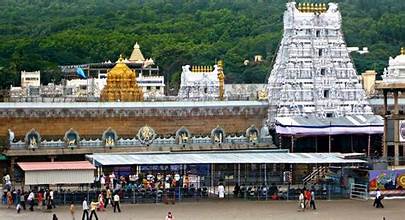
    Nestled in the serene hills of Tirumala in Andhra Pradesh, the Tirupati Balaji Temple stands as a beacon of Hindu faith and a testament to Indian architectural genius. This temple, dedicated to Lord Venkateshwara, an incarnation of Lord Vishnu, attracts devotees from far and wide, who come to seek blessings and offer their generous donations.

    The Architectural Splendor of Tirupati Balaji Temple

    The design of the Tirupati Balaji Temple is a remarkable example of South Indian Dravidian architecture. At its heart lies the mesmerizing idol of Lord Venkateshwara, which, intriguingly positioned to the right, seems to occupy the center from a viewer’s perspective. This seven-foot-tall idol, housed in the Ananda Nilayam, symbolizes the eternal presence of the divine and draws millions of devotees annually, both from India and overseas.

    A Hub of Devotion and Generosity

    The level of devotion at the Tirupati Balaji Temple is unparalleled. Devotees not only come for darshan (a sight of the deity) but also offer an astounding array of donations. From shaving their heads as a sign of devotion to donating gold, silver, and cash, the offerings are a testament to their faith. The monthly and annual offerings are staggering, with approximately 54 crores INR received every month and annual donations exceeding 650 crores INR.

    The Temple’s Astounding Wealth and Assets

    The Tirupati Balaji Temple is not only a spiritual epicenter but also a custodian of immense wealth. Currently, the temple possesses around 1000 kilograms of gold, fixed deposits worth 12,000 crores INR, and more than 1100 immovable assets spread across approximately 8088.89 acres, including agricultural land and various other assets. This staggering wealth is a reflection of the unwavering faith and generosity of millions of devotees who visit the temple each year.

    The Cultural and Religious Significance of Tirupati Balaji

    The significance of the Tirupati Balaji Temple extends beyond its architectural beauty and wealth. It represents a profound cultural and religious heritage, reflecting centuries of devotion and tradition. The temple is not just a place of worship but also a symbol of the rich spiritual tapestry that is integral to Indian culture. It serves as a meeting point for various strands of Hindu philosophy, art, and culture.

    The Pilgrimage Experience at Tirupati Balaji

    A visit to the Tirupati Balaji Temple is more than a religious journey; it’s an experience that encompasses faith, tradition, and a deep sense of community. The temple’s rituals, the serenity of its surroundings, and the collective devotion of thousands create an atmosphere that is both tranquil and energizing. For many, it’s a journey that transcends the physical realm, offering a glimpse into the spiritual and mystical aspects of Hinduism.

    The Tirupati Balaji Temple is not just a monument of religious importance; it is a living testament to the deep-rooted faith and cultural richness of India. It stands as a reminder of the unifying power of faith and the timeless beauty of Indian architecture and traditions. Whether you are a devotee, a lover of architecture, or a seeker of cultural experiences, the Tirupati Balaji Temple is a destination that promises a unique and enriching journey.

  • Ram Mandir के प्राण प्रतिष्ठा का न्योता कांग्रेस ने ठुकराया, कही ये हैरान करने वाली बातें !!

    Ram Mandir के प्राण प्रतिष्ठा का न्योता कांग्रेस ने ठुकराया, कही ये हैरान करने वाली बातें !!

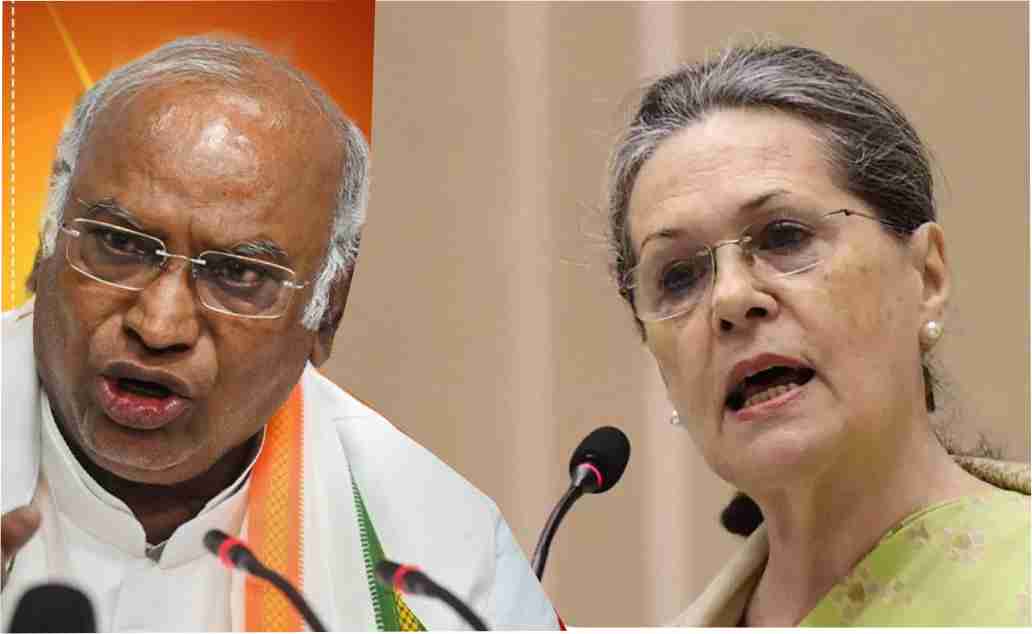
    नई दिल्ली। अयोध्या में 22 जनवरी को होने वाले राम मंदिर के प्राण प्रतिष्ठा में सोनिया गांधी और कांग्रेस के अध्यक्ष शामिल नहीं होंगे। समाचार एजेंसी प्रेस ट्रस्ट ऑफ इंडिया के मुताबिक, कांगे्रस ने कहा-चुनावी फायदे के लिए ये भाजपा और आरएसएस का इवेंट है…! पार्टी ने कहा कि बीजेपी और आरएसएस ने उद्घाटन को वोट हासिल करने के लिए एक राजनीतिक इंवेट में बदल दिया है। कांग्रेस ने सम्मानपूर्वक न्यौता अस्वीकार कर दिया है।

    “पिछले महीने, कांग्रेस अध्यक्ष और राज्यसभा में विपक्ष के नेता श्री मल्लिकार्जुन खड़गे, कांग्रेस संसदीय दल की अध्यक्ष श्रीमती सोनिया गांधी और लोकसभा में कांग्रेस पार्टी के नेता श्री अधीर रंजन चैधरी को इसमें भाग लेने के लिए निमंत्रण मिला था। पार्टी ने एक बयान में कहा, “अयोध्या में राम मंदिर का उद्घाटन समारोह 22 जनवरी, 2024 को होगा।”

    बता दें, इससे पहले समाजवादी पार्टी के अध्घ्यक्ष अखिलेश यादव रामलला की प्राण प्रतिष्ठा समारोह के निमंत्रण को अस्वीकार्य कर चुके हैं। श्रीराम जन्मभूमि तीर्थ ट्रस्ट की ओर से कई विपक्षी नेताओं को अयोध्घ्या में रामलला की प्राण प्रतिष्ठा समारोह का निमंत्रण भेजा गया था। सीपीएम और शिवसेना (यूबीटी) पार्टी पहले ही इस समारोह से किनारा कर चुके हैं। कांग्रेस के महासचिव (संचार) जयराम रमेश ने कहा का यह स्पष्ट रूप से आरएसएस/भाजपा का कार्यक्रम है, इसलिए पार्टी नेताओं ने इस समारोह में नहीं जाने का फैसला किया है।