Category: national

  • North India Gripped by Intense Cold Wave and Dense Fog: A Comprehensive Analysis

    North India Gripped by Intense Cold Wave and Dense Fog: A Comprehensive Analysis

    The northern region of India is currently experiencing a severe cold wave, marked by dense fog and plummeting temperatures. This weather phenomenon is not only impacting daily life but also causing disruptions in transportation and other services across multiple states.

    The Onset of Harsh Winter Conditions

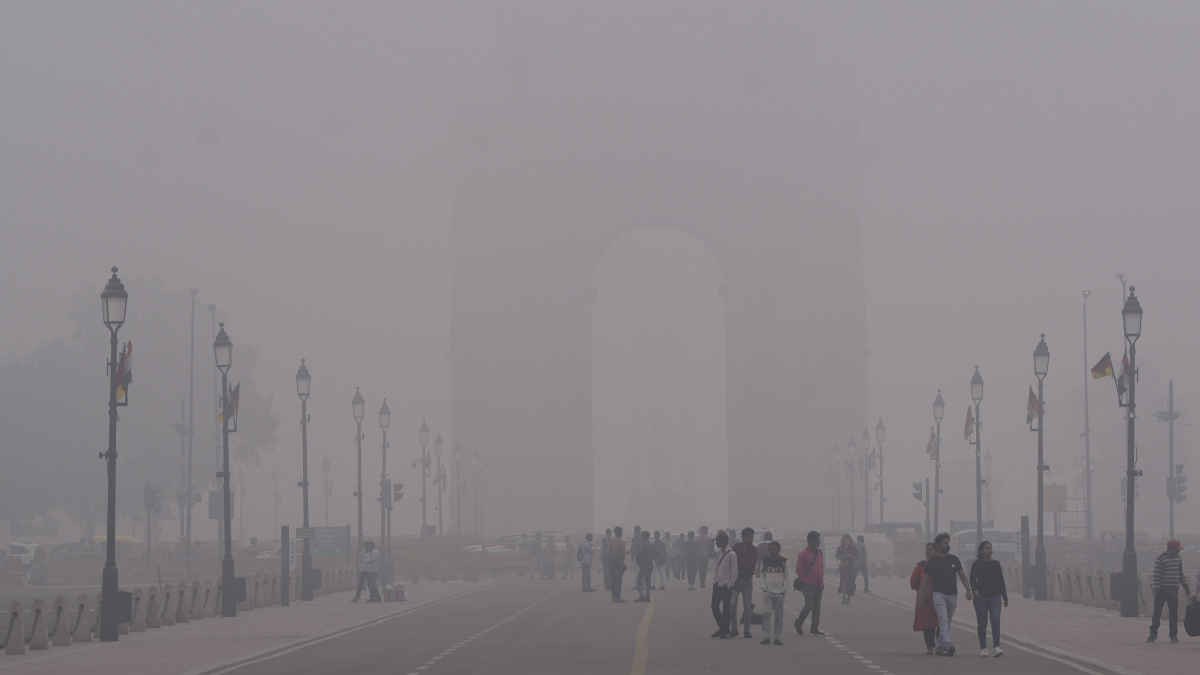
    As the cold wave tightens its grip, states such as Jammu & Kashmir, Delhi, Punjab, Haryana, and Uttar Pradesh are enveloped in dense fog. The combination of fog and icy winds has escalated the challenges faced by the residents. Furthermore, a thick layer of fog has been reported across 15 states including Madhya Pradesh, Uttar Pradesh, Bihar, and Rajasthan. Due to the fog, visibility in 22 cities has dropped to a range between zero to 200 meters, significantly affecting daily activities and transport.

    Transportation Woes: Flights and Trains Delayed

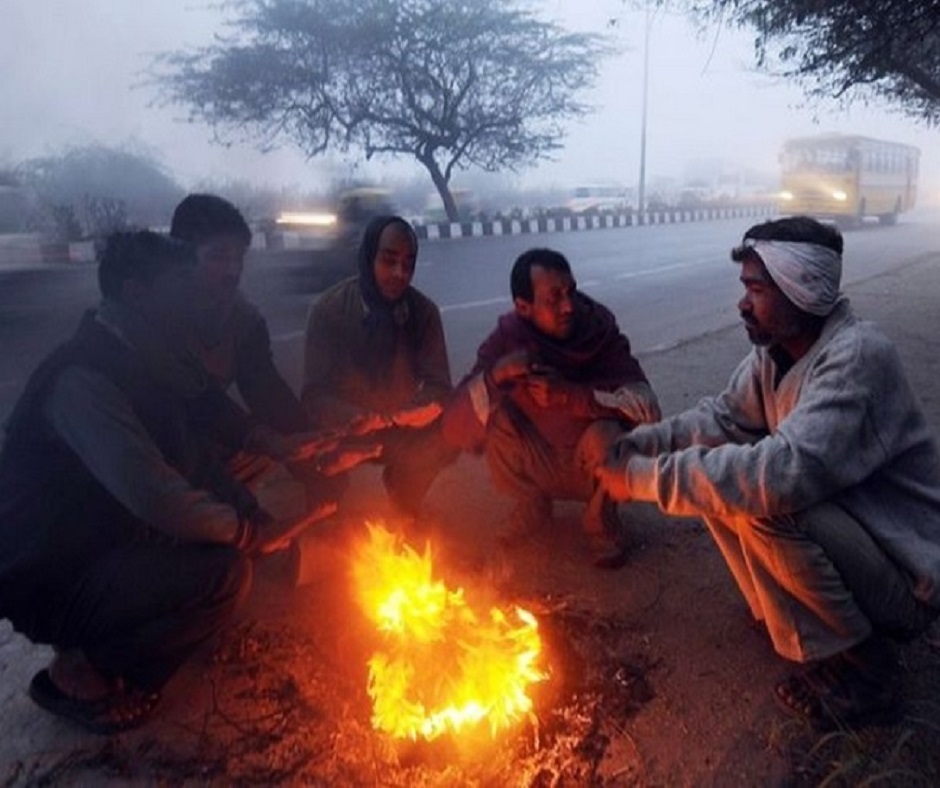
    The reduced visibility has led to multiple flight delays at Delhi Airport. Similarly, trains across North India are running behind schedule, with some experiencing delays of up to 10 hours. This has caused considerable inconvenience to passengers who are forced to endure long waits in the cold at railway stations. The North Western Railway has taken additional measures to ensure the safe operation of trains in these challenging conditions, including issuing guidelines for various departments and providing loco pilots with ‘Fog Safety Devices.’

    Weather Updates Across Regions

    Impact on Visibility

    On a particular Thursday morning, visibility in various parts of the country was recorded between 25 to 500 meters. Specific cities like Bareilly, Lucknow, and Prayagraj in Uttar Pradesh reported visibility as low as 25 meters. In Delhi, the visibility at Safdarjung was around 500 meters, and at Palam, it was 700 meters. Rajasthan’s Bikaner and Jaisalmer and Bihar’s Gaya and Patna also faced low visibility conditions.

    Cold Day Alerts and Temperature Drops

    Several regions including Delhi, Punjab, Haryana, Chandigarh, and parts of Rajasthan were issued cold day alerts. The minimum temperature in these areas has shown a significant drop. For instance, Delhi recorded a minimum temperature of 9.4 degrees Celsius on Thursday, with an expected range of 7 to 19 degrees Celsius.

    The Extreme Cold in Jammu & Kashmir

    The Meteorological Department reports that Jammu & Kashmir is experiencing some of the harshest winter conditions in India. In Srinagar, the temperature has plummeted to 4.8 degrees Celsius below zero, causing lakes and even drinking water to freeze. Similar conditions are reported in other areas like Kupwara, Anantnag, Kargil, and Ladakh.

    Forecast for the Coming Days

    The weather department anticipates no significant change in the minimum temperatures in East India over the next two days, followed by a possible increase of 2-3 degrees Celsius. In Central India, a rise of 2-3 degrees Celsius is expected over the next three days, with no major changes thereafter.

    Coping with the Cold Wave

    This severe weather event calls for heightened preparedness and safety measures. Residents are advised to keep warm, check for weather updates regularly, and plan their travel accordingly to avoid the risks associated with reduced visibility and delayed transportation services.
  • The Architectural Marvel of Ram Temple in Ayodhya: A Blend of Spirituality and Artistry

    The Architectural Marvel of Ram Temple in Ayodhya: A Blend of Spirituality and Artistry

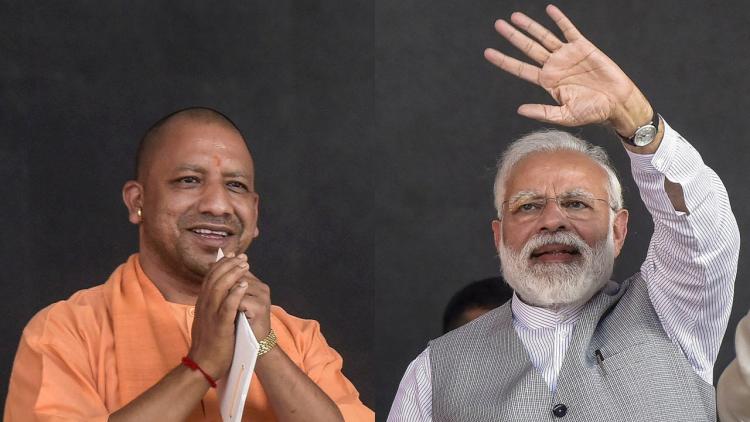
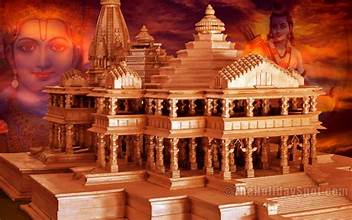
    The Ram Temple in Ayodhya, a monumental structure of faith and devotion, stands tall as a testament to India’s rich cultural heritage and architectural ingenuity. Following the green signal from the Supreme Court, the construction of this grand temple commenced, and now it graces Ayodhya in its full splendor. The temple is set to host a significant event on January 22nd, with the consecration of the deity, Ram Lalla, in its hallowed premises, an event that will witness the presence of Prime Minister Narendra Modi.

    The Grandeur of Ram Temple: A Sight to Behold

    The Ram Temple’s grandeur is such that it leaves onlookers in awe. It is adorned with a variety of intricate artworks and sculptures. The walls of the temple are embellished with carvings of various deities, showcasing the exquisite craftsmanship. Additionally, the temple boasts the use of Makrana marble, renowned for its purity and durability, adding to the temple’s majestic appearance.

    The Doors of Divinity: Craftsmanship in Ram Temple

    A remarkable feature of the Ram Temple is its doors, numbering a total of 46. Among these, 14 doors are exceptionally crafted with gold plating, featuring intricate designs. These doors, made of teak wood, are known for their durability and resistance to wear and tear, making them a fitting choice for the temple’s enduring structure. Teak wood is highly valued, with prices ranging from 50,000 to 100,000 INR per cubic meter.

    The Forest Research Institute in Dehradun played a pivotal role in this choice, recommending teak wood for its strength and longevity. After thorough consideration, Maharashtra’s teak wood was chosen for the temple doors, underscoring the commitment to quality and sustainability in the temple’s construction.

    A Blend of Spirituality and Architectural Brilliance

    The Ram Temple is not just a place of worship but a symbol of India’s deep-rooted spirituality intertwined with architectural excellence. Every element of the temple, from its lofty doors to the finely carved sculptures and the use of pristine Makrana marble, speaks volumes of the meticulous planning and devotion poured into its creation. This temple is a confluence of tradition, art, and devotion, making it a landmark not just in Ayodhya but in the annals of world architecture.

    A Cultural Renaissance Through Architecture

    The Ram Temple stands as a beacon of India’s cultural renaissance, showcasing the country’s ability to blend traditional architectural practices with modern construction techniques. It is a source of pride and spirituality for many, drawing visitors from across the globe to witness its grandeur and the rich stories embedded within its walls. The temple transcends religious boundaries, emerging as a symbol of unity and artistic prowess.

    The Timeless Legacy of the Ram Temple

    The Ram Temple in Ayodhya is more than just a structure; it’s a living testament to India’s enduring faith and its rich cultural tapestry. It’s a monument that not only encapsulates the essence of spiritual devotion but also stands as a monument to human ingenuity in architecture and art. As it opens its doors to devotees and admirers alike, the Ram Temple continues to be a symbol of India’s timeless legacy and a beacon of hope and unity in a diverse world.

  • Revolutionizing Travel: The Inaugural Journey of Ayodhya-Delhi Vande Bharat Express

    Revolutionizing Travel: The Inaugural Journey of Ayodhya-Delhi Vande Bharat Express

    Revolutionizing Travel:  In an era where connectivity and speed are pivotal, the inauguration of the Ayodhya-Delhi Vande Bharat Express marks a significant milestone in India’s transportation sector. This transformative development not only enhances travel efficiency but also plays a crucial role in elevating Ayodhya’s stature on India’s tourism map.

    Enhancing Ayodhya’s Connectivity and Cultural Significance

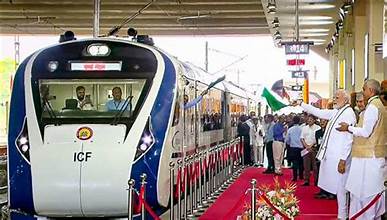
    As Ayodhya prepares for the grand opening of the Shri Ram Janmabhoomi Temple, the city’s connectivity upgrades are in full swing. The Ayodhya-Delhi Vande Bharat Express, commencing operations, is a key part of this transformation. This high-speed train service symbolizes a blend of modernity and tradition, linking the ancient city of Ayodhya with the national capital, Delhi.

    Operational Details and Schedule of the Vande Bharat Express

    The Ayodhya-Delhi Vande Bharat Express, assigned train numbers 22425 and 22426 for its up and down journeys, promises to redefine travel between these two pivotal cities. Operating six days a week, this service excludes only Wednesdays. Departing from Anand Vihar Terminal at 6:10 AM, the train will reach Ayodhya by 2:30 PM, making the journey not just swift but also comfortable.

    Journey Duration and Halts: A Seamless Travel Experience

    Covering the distance between Delhi and Ayodhya in approximately 8 hours and 20 minutes, the Vande Bharat Express ensures a time-efficient journey. Strategically halting at major stations like Kanpur Central and Lucknow’s Charbagh Railway Station, each for a brief five minutes, the train optimizes travel time while maintaining connectivity with important urban centers.

    Return Journey Schedule: Facilitating Day Trips

    The return train from Ayodhya Dham Junction, scheduled to depart at 3:20 PM, will reach Anand Vihar Terminal by 11:40 PM. This timing is particularly convenient for day-trippers from Delhi, offering the opportunity to visit Ayodhya and return the same day. The train will stop at Lucknow at 5:15 PM and Kanpur at 6:35 PM, making the return journey just as efficient.

    Prime Minister Modi’s Inauguration: A Step Towards Modern Infrastructure

    Prime Minister Narendra Modi, recognizing the significance of improved connectivity, recently dedicated the Ayodhya Dham Junction and Ayodhya Airport to the nation. Alongside, he flagged off several new trains, including the Ayodhya-Delhi Vande Bharat Express. This initiative is part of a broader vision to introduce more Vande Bharat and Amrit Bharat trains, emphasizing the government’s commitment to modernizing India’s railway infrastructure.

  • Rahul Gandhi’s Pioneering ‘Bharat Jodo Nyay Yatra’: A Strategic Move Ahead of Lok Sabha Elections

    Rahul Gandhi’s Pioneering ‘Bharat Jodo Nyay Yatra’: A Strategic Move Ahead of Lok Sabha Elections

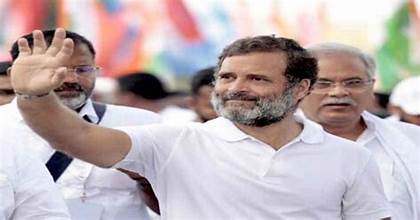
    In a significant prelude to the upcoming Lok Sabha elections, Rahul Gandhi, a prominent leader of the Indian National Congress, is set to embark on a pivotal journey. This venture, commencing on January 14, is aptly named ‘Bharat Jodo Nyay Yatra’. The announcement was made by another respected Congress figure, Jairam Ramesh. Initially named ‘Bharat Nyay Yatra’, this rebranding signifies a deeper purpose and outreach.

    The Inception of the Journey: A Step Towards Unity and Justice

    Jairam Ramesh, in his announcement, stated, “The yatra will commence from Imphal, the capital of Manipur, at noon on January 14. Congress President Mallikarjun Kharge will officially flag off the event.” Ramesh further highlighted that during this journey, Rahul Gandhi intends to share his thoughts on social, economic, and political justice with the public, thereby reinforcing his commitment to these core values.

    A Journey Spanning the Breadth of India

    The ‘Bharat Jodo Nyay Yatra’ is an ambitious undertaking, covering an impressive distance of 6,700 kilometers across 15 Indian states. Rahul Gandhi will travel through various modes, including bus and on foot, emphasizing his connection with the people at the grassroots level. This journey is also inclusive, inviting participation from allied parties within the India Coalition.

    An Extensive Route with a Far-reaching Impact

    The Congress leader outlined the extensive itinerary of the yatra, which will span 67 days and cover 6713 kilometers. It will traverse 110 districts across 15 states, impacting 100 Lok Sabha constituencies. This extensive coverage underlines the strategic importance of the yatra, culminating in Mumbai.

    Strategic Meetings and Preparations

    Ahead of this monumental journey, a strategic meeting was held between Mallikarjun Kharge and Rahul Gandhi on January 4. This meeting, attended by all state presidents of Congress, focused on preparations for the 2024 elections and the detailed planning of the yatra, which will commence from Manipur and conclude in Mumbai.

    The Historic Significance of ‘Bharat Jodo Yatra’

    Jairam Ramesh also reflected on the historical impact of the previous ‘Bharat Jodo Yatra’ led by Rahul Gandhi, which stretched from Kanyakumari to Kashmir and covered 4000 kilometers. He claimed that this journey had transformed the national mood and infused new energy into Congress workers, marking a milestone in the party and the nation’s history.

  • The Intricate Dynamics of Tradition and Politics: The Ayodhya Temple Conundrum

    The Intricate Dynamics of Tradition and Politics: The Ayodhya Temple Conundrum

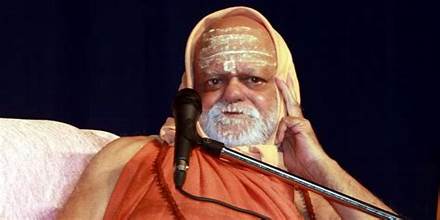
    In the historic city of Ayodhya, a significant religious event is poised to unfold with the grand installation of the deity Ram Lalla in a newly constructed temple on January 22nd. This event, steeped in cultural and religious significance, has been the subject of extensive preparations. Amidst these developments, a notable statement from Swami Nischalanand, the Shankaracharya of Puri, has sparked widespread discussion.

    Swami Nischalanand has declared his intention to abstain from the temple’s consecration ceremony. This decision stems from a deep-seated respect for traditional protocols and the dignity of his position. The Shankaracharya’s stance resonates with a broader discourse on the intersection of religion and politics in India, highlighting the delicate balance between spiritual practices and state involvement.

    The Stance of Swami Nischalanand

    Swami Nischalanand’s refusal to participate in the Ram Temple consecration ceremony is rooted in his objections to certain aspects of the event, particularly involving Indian Prime Minister Narendra Modi. The Shankaracharya expresses concerns over the Prime Minister’s proposed role in the ritual, deeming it inappropriate for a political leader to partake in certain religious activities that traditionally require the presence of spiritual authorities.

    Traditional Rituals and Political Involvement

    The controversy highlights a crucial debate over the role of political figures in religious ceremonies. Swami Nischalanand emphasizes the need for adherence to scriptural norms in such spiritual practices. His critique extends to the broader trend of politicizing religious spaces and events, a concern that resonates with many who view religious rituals as sacred and separate from the realm of politics.

    The Ram Temple Invitation Controversy

    Adding complexity to this situation is the issue of the invitation extended to Swami Nischalanand. He revealed that the invitation allowed for only a single accompanying person, a detail that seems to have contributed to his decision not to attend. This aspect of the controversy underscores the nuances and sensitivities involved in orchestrating such significant religious events.

    Criticism of Religious Sites as Tourist Attractions

    In a broader critique of current religious and cultural trends, Swami Nischalanand condemned the transformation of religious sites into tourist attractions. He argues that this shift towards commercialization and leisure contradicts the inherent sanctity and purpose of these spaces. This perspective invites a reevaluation of how religious heritage is preserved and presented in contemporary society.

    Historical and Religious Context

    The Ram Temple in Ayodhya holds immense historical and religious significance, being associated with Lord Ram, a central figure in Hindu mythology. The ongoing construction and upcoming consecration of the temple mark a pivotal moment in India’s cultural and religious landscape.

    Prime Minister Modi’s Role in the Ceremony

    Prime Minister Narendra Modi, invited as the chief patron of the consecration ceremony, is anticipated to play a central role in the event. His involvement has been a focal point of discussion, reflecting the complex interplay between state leadership and religious affairs.

    Swami Nischalanand’s Broader Perspectives

    In a striking statement, Swami Nischalanand also commented on religious figures from other faiths, asserting that historical figures such as Prophet Muhammad and Jesus Christ had ancestral links to Sanatan Dharma (a term often used to refer to Hinduism). This remark adds another layer to the discourse, intertwining religious history with contemporary beliefs and practices.

    Balancing Tradition and Modernity

    The unfolding events in Ayodhya and the reactions of prominent figures like Swami Nischalanand serve as a microcosm of the broader challenges facing India today. The country grapples with the task of balancing its rich traditional heritage with the realities of modern governance and societal change. The Ayodhya temple controversy is not just a religious or political issue but a reflection of the ongoing dialogue about identity, heritage, and the role of religion in public life. As India continues to navigate these complex waters, the world watches with keen interest, witnessing the interplay of ancient traditions and contemporary dynamics.

  • यूपी STF के ऑपरेशन में गैंगस्टर और शार्प शूटर विनोद कुमार उपाध्याय एनकाउंटर में ढेर

    यूपी STF के ऑपरेशन में गैंगस्टर और शार्प शूटर विनोद कुमार उपाध्याय एनकाउंटर में ढेर

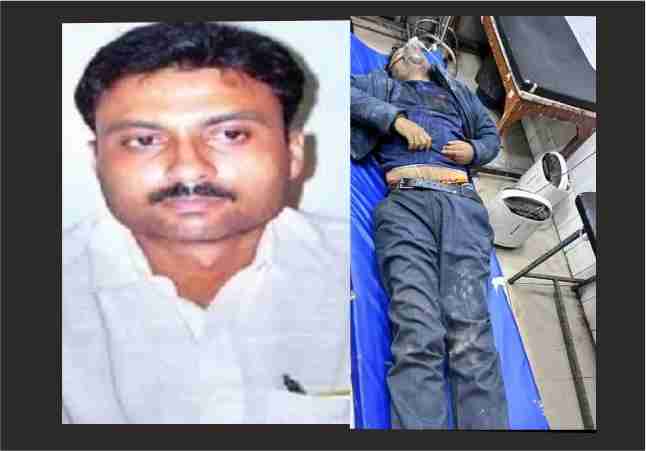
    लखनऊ। यूपी एसटीएफ ने सुल्तानपुर में एसटीएफ ने गैंगस्टर और शार्प शूटर विनोद कुमार उपाध्याय को एक एनकाउंटर में ढेर कर दिया है। गोरखपुर पुलिस ने विनोद के ऊपर 35 मुकदमें विभिन्न जनपदों के भिन्न-भिन्न थानों में दर्ज थे, जिसमें हत्या व हत्या के प्रयास के कई मुकदमे भी शामिल थे। विनोद उपाध्याय उत्तर प्रदेश के गोरखपुर जिले के एक माफिया हैं।

    गोरखपुर के टॉप-10 बदमाशों में शामिल विनोद उपाध्याय को लखनऊ से गिरफ्तार किया गया था। विनोद उपाध्याय पर कुल 35 मामले दर्ज हैं। उन्होंने तीन वर्ष पहले संतकबीर नगर में सरेंडर करने के बाद भी अपराध के कामों में लिप्त रहे। विनोद उपाध्याय पर 25 हजार का इनाम घोषित था। विनोद उपाध्याय के खिलाफ गोरखपुर व संतकबीरनगर जिले में कई केस दर्ज हैं। विनोद उपाध्याय के खिलाफ संगीन धाराओं में दो दर्जन के करीब मुकदमे दर्ज हैं।

    विनोद उपाध्याय पर अलग-अलग थानों में कुल 25 गंभीर मुकदमे दर्ज हैं। इसके साथ ही प्रदेश के टॉप 61 माफिया में भी विनोद उपाध्याय का नाम शामिल है। आपके प्रश्न के अनुसार, मैंने विनोद उपाध्याय के एनकाउंटर के बारे में कोई जानकारी नहीं पाई. यदि आपके पास इसके बारे में और विस्तृत जानकारी है, तो कृपया उसे साझा करें ताकि मैं आपकी अधिक सहायता कर सकूं।

    उन्होंने अपनी पहचान छात्र राजनीति के जरिए जमाई थी। विनोद उपाध्याय ने 2002 के विश्वविद्यालय छात्रसंघ चुनाव में अपने समर्थन के साथ छात्रसंघ पदाधिकारी का चुनाव एक व्यक्ति को लड़वाया था। चुनाव में उसकी जीत के साथ ही विनोद के हनक का सिक्का बाजार में चलने लगा। विनोद उपाध्याय के खिलाफ गोरखपुर और संतकबीरनगर जिले में कई केस दर्ज हैं। विनोद उपाध्याय के खिलाफ संगीन धाराओं में दो दर्जन के करीब मुकदमे दर्ज हैं। विनोद उपाध्याय पर 25 हजार का इनाम घोषित है।

  • The song ‘Ram Dhun’ went viral as soon as it was released, Kailash Kher’s voice made people crazy

    The song ‘Ram Dhun’ went viral as soon as it was released, Kailash Kher’s voice made people crazy

    Tripathi’s film ‘Main Atal Hoon’ is just a few days away from release. Everyone is eagerly waiting for this film. In this film directed by Ravi Jadhav, Pankaj Tripathi will be seen playing the role of former Prime Minister Atal Bihari Vajpayee.


    View this post on Instagram


    A post shared by Pankaj Tripathi (@pankajtripathi)

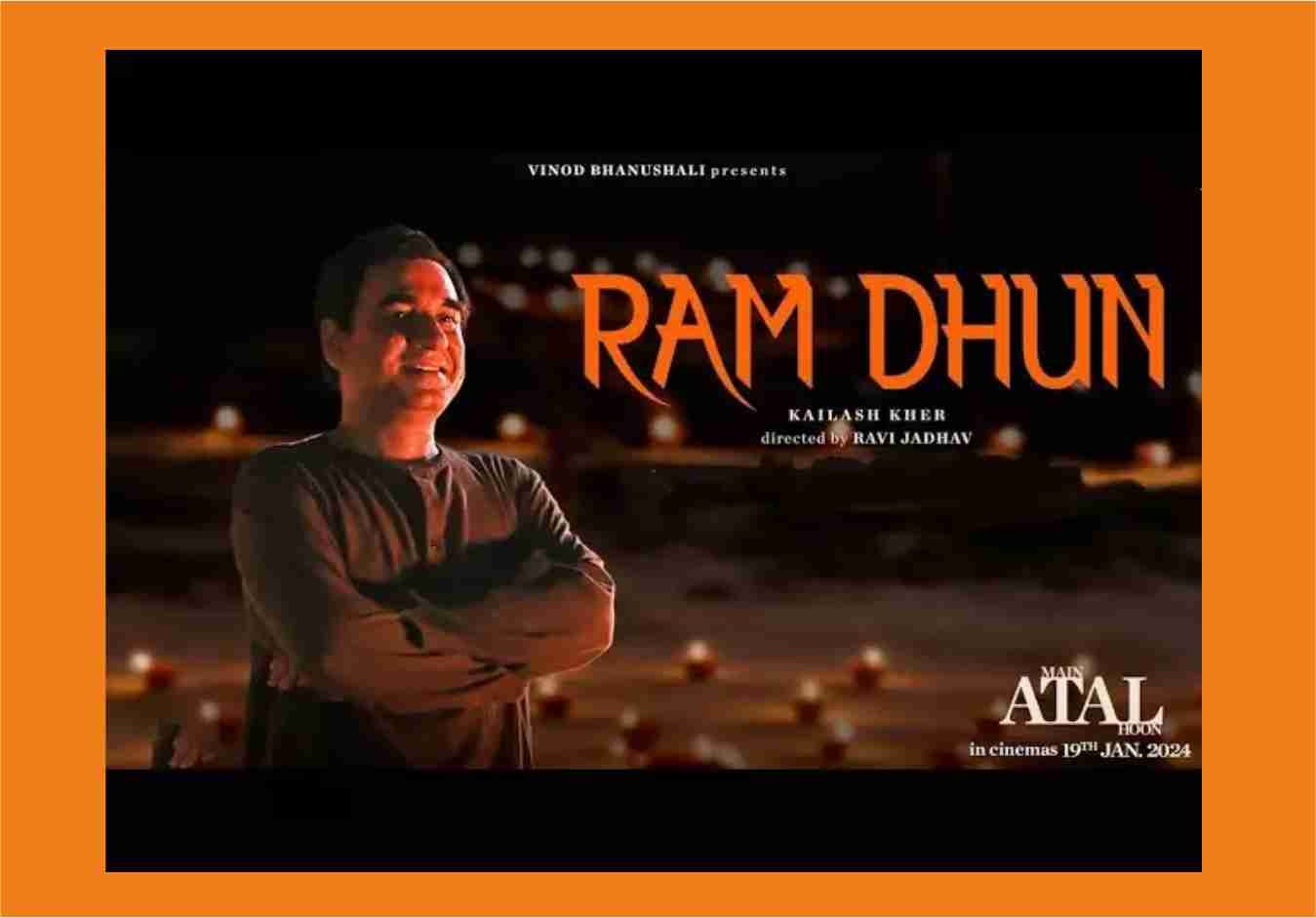
    Now the makers have released another new song ‘Ram Dhun’. Actor Pankaj Tripathi has also shared this song on his social media. This song has become popular on social media. Actor Pankaj Tripathi, who played the role of former Prime Minister Atal Bihari Vajpayee in ‘Main Atal Hoon’, has shared the video of the film’s new song ‘Ram Dhun’ on his Instagram. While sharing the video, he wrote in the caption, ‘When Dhunki Lagi Ram Naam Ki, forgot all the work.’ Let us tell you that the song ‘Ram Dhun’ has been written and sung by Kailash Kher. Besides, it has also been composed by Kailash Kher. Lakhs of people have watched this song in 24 hours. As soon as it was released, this song went viral everywhere. People are also liking this song a lot.


    View this post on Instagram


    A post shared by Pankaj Tripathi (@pankajtripathi)


    This second song ‘Ram Dhun’ of ‘Main Atal Hoon’ is being liked very much by the fans. Commenting on this, one user wrote, ‘Kailash Kher, this song touched my heart.’ Another wrote, ‘I got angry after listening to this song.’ This film has been directed by Ravi Jadhav. Whereas Vinod Bhanushali, Sandeep Singh and Kamlesh Bhanushali have produced it. The film is all set to release on the big screen on January 19.


    View this post on Instagram


    A post shared by Pankaj Tripathi (@pankajtripathi)

  • Election Commission of India Reaffirms Trust in EVMs, Addresses VVPAT Concerns

    Election Commission of India Reaffirms Trust in EVMs, Addresses VVPAT Concerns

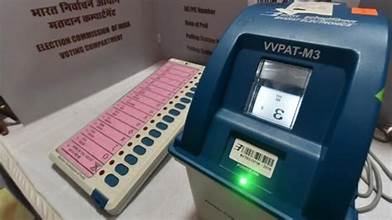
    In the ever-evolving landscape of Indian politics, the role of technology in ensuring fair and transparent elections is paramount. Recently, the Election Commission of India (ECI) has been in the spotlight, addressing concerns regarding the use of Electronic Voting Machines (EVMs) and Voter Verified Paper Audit Trail (VVPAT) systems. This article delves into the ECI’s responses and the ongoing debate surrounding EVMs in Indian elections.

    The ECI’s Stance on EVMs and VVPATs

    The ECI recently addressed concerns raised by Congress leader Jairam Ramesh about the reliability and integrity of EVMs and VVPATs. Ramesh’s skepticism about these technologies sparked a need for clarification from the Commission. In response, the ECI asserted its confidence in the EVMs, emphasizing that the rules governing their use were established during the Congress government’s tenure.

    Furthermore, the ECI noted that the introduction of VVPAT-related rules, specifically under Rules 49A and 49M of the Conduct of Elections Rules, 1961, was initiated by the Indian National Congress (INC) on August 14, 2013. This historical context reinforces the bipartisan foundation of EVM and VVPAT usage in India’s electoral process.

    Jairam Ramesh’s Concerns and Correspondence with the ECI

    In a letter dated December 30, 2023, Jairam Ramesh expressed his reservations about the VVPAT system to the ECI. His request for the Indian National Developmental Inclusive Alliance (INDIA) delegation to present their views on VVPAT slips was a significant point of this correspondence.

    The Opposition’s Viewpoint on EVMs

    The opposition coalition raised doubts about the EVMs’ functioning and integrity in a meeting held on December 19. Representatives from various parties suggested that VVPAT slips be handed over to voters, who could then deposit them in a separate box. They also demanded a 100% match between the VVPAT slips and the EVM results, seeking to ensure the utmost transparency in the voting process.

    ECI’s Comprehensive Response to EVM Queries

    Addressing these concerns, Pramod Kumar Sharma, Principal Secretary of the ECI, clarified that the recent correspondence did not bring up any new issues regarding EVMs or VVPATs. The Commission had already provided answers to all queries related to these technologies. Sharma emphasized that the ECI’s trust in EVMs is grounded in the results of elections conducted using these machines, the legal framework, jurisprudence, technical security, and administrative safeguards.

    The Involvement of Political Parties in EVM Management

    The ECI highlighted that political parties and candidates are involved in every stage of EVM management, from First Level Checking (FLC) to storage, transportation, training, mock polls, the commencement and conclusion of voting, and the counting process. This involvement is crucial in maintaining transparency and trust in the electoral process.

    ECI Affirms EVMs’ Compliance with Constitutional Framework

    In its detailed response, the ECI reassured that all aspects of EVMs, such as non-tampering, non-hacking, microcontroller security, end-to-end verification, legal provisions, counting process, technical capabilities, manufacturing, and source code, have been thoroughly addressed and are in line with India’s constitutional framework.

    International References to EVM Use

    The Commission also dismissed references to other countries and their constitutional courts concerning EVM usage as irrelevant. The ECI’s stance is that the Indian context is unique, and comparisons with other nations do not hold ground in this debate.

    ECI’s Unwavering Confidence in EVMs

    In conclusion, the Election Commission of India has expressed unwavering confidence in the use of Electronic Voting Machines in elections. By addressing the concerns raised by various parties and reinforcing the legal and technical safeguards of EVMs, the ECI has reaffirmed its commitment to conducting free, fair, and transparent elections in the world’s largest democracy. As India continues to embrace technological advancements in its electoral process, the role of ECI in navigating these changes remains crucial for upholding the sanctity of Indian democracy.

  • India’s Political Landscape Heats Up: BJP Strategic Moves for Lok Sabha Election 2024

    India’s Political Landscape Heats Up: BJP Strategic Moves for Lok Sabha Election 2024

    As India inches closer to the Lok Sabha elections, scheduled to take place in less than six months, the nation’s political climate is witnessing a remarkable shift. The Bharatiya Janata Party (BJP), currently at the helm of Indian politics, is meticulously sculpting its strategy for the upcoming Lok Sabha Election 2024. This political maneuvering involves deploying a blend of experienced and influential leaders into the electoral fray, signifying a pivotal moment in Indian politics.

    The BJP’s Tactical Election Blueprint

    The BJP’s election strategy is a studied approach, underpinned by the decision to encourage senior party leaders, particularly those serving their third term in the Rajya Sabha, to contest in the Lok Sabha elections. This directive not only aims to strengthen the party’s position in the Parliament but also to ensure a robust representation of seasoned politicians in the legislative process. Among those poised to make this transition are notable cabinet ministers in the Modi government, showcasing the party’s confidence in their leadership and public appeal.

    In a strategic move, the party has granted these leaders the liberty to choose their preferred constituencies, a decision that reflects the BJP’s focus on leveraging individual strengths and regional influences. This flexibility is a testament to the party’s adaptive and strategic planning in the face of a rapidly evolving political landscape.

    Learning from State Elections: The BJP’s Winning Formula

    Drawing inspiration from the success in recent state assembly elections, the BJP’s strategy involves replicating the winning formula at a national level. This approach was evident in states like Madhya Pradesh, Rajasthan, and Chhattisgarh, where the party fielded a mix of central ministers and MPs, yielding positive results. The deployment of at least one incumbent central minister and other heavyweight leaders from Delhi to contest in the elections is expected, underscoring the party’s commitment to a strong and influential leadership at the national level.

    The Leaders Stepping into the Electoral Arena

    The list of potential BJP candidates for the Lok Sabha elections is a blend of seasoned politicians and dynamic leaders. Prominent figures such as Rajeev Chandrasekhar, Piyush Goyal, Nirmala Sitharaman, S. Jaishankar, Dharmendra Pradhan, Bhupender Yadav, Hardeep Singh Puri, Mansukh Mandaviya, Purushottam Rupala, Ashwini Vaishnaw, Jyotiraditya Scindia, and Narayan Rane are among the expected contenders. These leaders, hailing from diverse states like Karnataka, Maharashtra, and Gujarat, represent a mix of seasoned expertise and fresh perspectives, vital for the BJP’s vision for India’s future.

    The Role of Party Leadership in Election Preparedness

    The BJP’s meticulous planning and strategizing for the Lok Sabha election 2024 is guided by the party’s top leadership, including President JP Nadda. As a member of the Rajya Sabha from Himachal Pradesh, Nadda’s role in orchestrating the party’s electoral strategy is pivotal. The leadership’s decisions, emerging from comprehensive organizational meetings, reflect a cohesive and well-orchestrated effort to maintain the party’s stronghold in Indian politics.

    The BJP’s preparation for the Lok Sabha Election 2024 is a clear indicator of the party’s intent to retain its dominance in Indian politics. By leveraging the experience and influence of its senior leaders and drawing lessons from its successes in state elections, the party is poised to make a significant impact in the upcoming elections. As the nation watches, the BJP’s strategic moves and the resulting electoral battles will undoubtedly shape the future course of India’s political narrative.

  • Severe Cold Wave Sweeps Across Northern India: Weather Updates and Forecasts

    Severe Cold Wave Sweeps Across Northern India: Weather Updates and Forecasts

    India is currently experiencing a significant drop in temperatures, with several states braving intense cold conditions. The Indian Meteorological Department (IMD) has issued cold wave alerts across various regions, emphasizing the need for preparedness and caution.

    Intense Cold Wave Grips North India

    In the heart of winter, North India, including the national capital Delhi, is enveloped in a severe cold wave. The mercury has plummeted to below 10°C in states like Bihar and Uttar Pradesh, signaling a peak in winter harshness. This drop in temperature is not just confined to these states but is a phenomenon observed across several northern regions.

    Fog Alert in Multiple States

    The IMD has also issued a fog alert in states like Uttar Pradesh and Rajasthan, among others. Dense fog is expected to reduce visibility significantly, posing challenges for transportation and daily activities. Residents and travelers in these areas are advised to exercise caution, especially during early mornings and late nights when the fog tends to be at its densest.

    Cold Wave and Fog Forecast

    The forecast for the coming days indicates that states like Punjab, Haryana, Chandigarh, Delhi, and parts of Rajasthan will continue to experience the cold wave. This is expected to last for the next two days before a gradual easing of the cold conditions. Additionally, North West India is bracing for dense to very dense fog during this period.

    Visibility Concerns in Uttar Pradesh

    Particularly in Uttar Pradesh, dense fog is expected to blanket different regions on the night of January 5th and the following morning. Visibility is anticipated to drop below 50 meters in certain areas, which could disrupt normal life and transportation.

    Rajasthan’s Foggy Forecast

    In Eastern Rajasthan, dense to very dense fog is forecasted for January 5, 2024, and in various parts of the state on the night of January 6th and the subsequent morning. Similar to Uttar Pradesh, visibility in these regions is expected to be less than 50 meters, making navigation and outdoor activities challenging.

    Rainfall Predictions Across India

    The IMD has also predicted the likelihood of rainfall in different parts of the country. Heavy rain might occur in places like Kerala on January 5th and Tamil Nadu on January 7th. Furthermore, the Western Himalayan regions are expected to receive light rain and snowfall on January 8th and 9th.

    Temperature Trends in Various States

    A significant dip in temperature has been noted in the eastern parts of Uttar Pradesh, as well as in states like Madhya Pradesh, Maharashtra, Bihar, and Jharkhand, with minimum temperatures ranging from 3°C to 6°C. Dense fog is also expected in Bihar, Odisha, and Tripura on the morning of January 6th, with visibility ranging between 50 to 200 meters.

    Precautionary Measures and Advisories

    Given the severe weather conditions, authorities are urging residents to take necessary precautions to stay warm and safe. People are advised to avoid unnecessary travel during peak fog times and to stay updated with the latest weather forecasts. Those particularly vulnerable, such as the elderly and children, should take extra care to avoid exposure to the extreme cold.

    The cold wave sweeping across Northern India is a reminder of the harsh realities of winter weather. Staying informed, prepared, and cautious during this period is essential for safety and well-being. The IMD continues to monitor the situation closely, providing timely updates and advisories to help citizens navigate these challenging conditions.