Category: national

  • Ayodhya Ram Mandir: क्यों राम मंदिर में नहीं मिलेगा माता सीता को स्थान

    Ayodhya Ram Mandir: क्यों राम मंदिर में नहीं मिलेगा माता सीता को स्थान

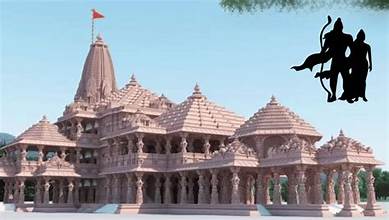
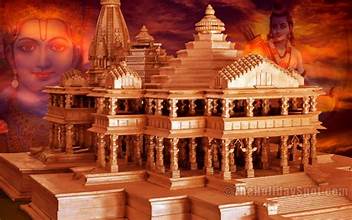
    Ayodhya Ram Mandir: 700 एकड़ जमीन में बनें राम मंदिर की चर्चाएं आज घर – घर में हो रही हैं। हिन्दू हो या मुसलमान राम मंदिर के सौंदर्य को देखकर मोहित है। 22 जनवरी का सभी को बेसब्री से इन्तजार है क्योंकि 500 साल की तपस्या के बाद प्रभु श्री राम मंदिर में विराजित होंगे। राम से जन – जन की आस्था जुडी हैं। वही अब खबर आ रही है कि भव्य राम मंदिर में माता सीता की प्रतिमा नहीं होगी। अब सवाल यह उठता है सीता के बिना राम अधूरे हैं, राम जहां भी विराजमान है सीता उनके साथ उपस्थित हैं तो फिर ऐसा क्यों कहा जा रहा है कि भव्य राम मंदिर में माता सीता की प्रतिमा नहीं होगी। –

    क्यों राम मंदिर में नहीं होगी सीता की प्रतिमा:

    श्रीरामजन्मभूमि तीर्थ क्षेत्र ट्रस्ट के महासचिव चंपत राय (Champat Rai) कहते हैं राम मंदिर के गर्भ गृह में भगवान राम अकेले रहेंगे। उनके साथ माता सीता की प्रतिमा नहीं होगी। क्योंकि मंदिर में राम पांच वर्ष के बालक के रूप में विराजित होंगे। जब प्रभु श्री राम पांच वर्ष के थे तब उनके साथ माता सीता नहीं थीं। वह बालक थे। उनका विवाह सत्ताईस वर्ष की उम्र में हुआ था। यही कारण है कि राम मंदिर में सिर्फ राम लला की प्रतिमा की प्राण प्रतिष्ठा होगी।

    श्रीरामजन्मभूमि तीर्थ क्षेत्र ट्रस्ट के महासचिव चंपत राय (Champat Rai) के मुताबिक राम लला पांच वर्ष के बालक के रूप में सभी को मोहित करेंगे। उनके आकर्षक रूप को देखकर हर किसी का ध्यान उनपर लगा रहेगा। सीता राम का साथ युवा अवस्था का है और मंदिर में राम लला बाल अवस्था में विराजित होंगे। जिसके चलते राम मंदिर के गर्भ गृह में माता सीता को स्थान नहीं मिलेगा।

    जानें कब हुआ था राम सीता का विवाह:

    राम जब सत्ताईस वर्ष के थे और सीता अठारह तो उनका विवाह हुआ था। प्रभु की वैवाहिक उम्र का वर्णन तुलसीदास जी द्वारा लिखे इस दोहे से मिल जाता है जो इस प्रकार है-

    वर्ष अठारह की सिया, सत्ताईस के राम।
    कीन्हो मन अभिलाष तब, करनो है सुर काम।।
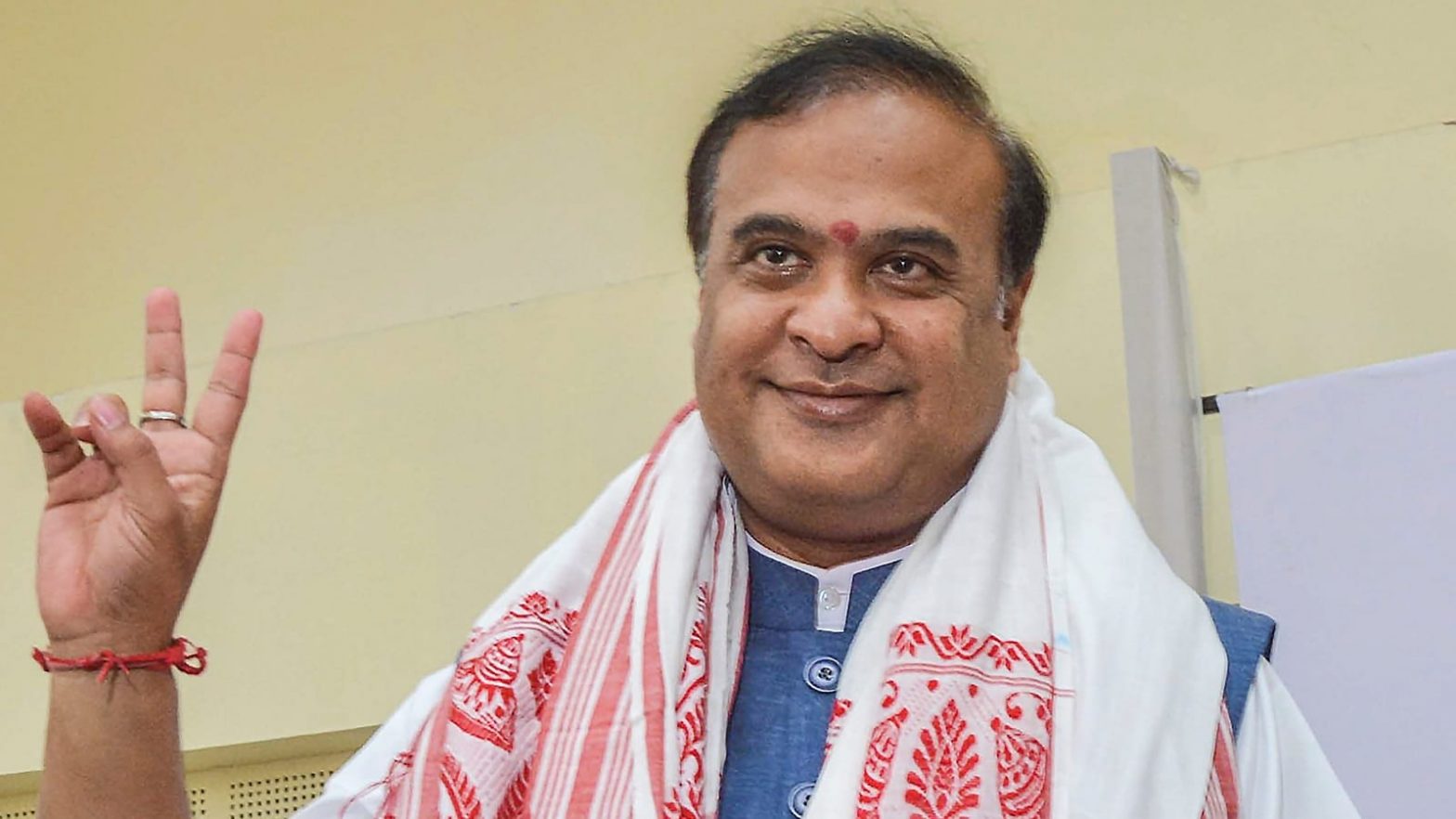
  • Himanta Sarma On Congress: कांग्रेस का मन हो या न हो उन्हें राम मंदिर जाना ही पड़ेगा

    Himanta Sarma On Congress: कांग्रेस का मन हो या न हो उन्हें राम मंदिर जाना ही पड़ेगा

    Himanta Sarma On Congress: 22 जनवरी को यूपी के जिला अयोध्या में प्रभु श्री राम के भव्य राम मंदिर का उद्घाटन है। प्रभु के भव्य प्राण प्रतिष्ठा कार्यक्रम में शामिल होने के कई बड़े – बड़े दिग्गजों को आमंत्रित किया गया है। पीएम मोदी समेत विपक्ष के कई बड़े नेताओं को निमंत्रण भेजे गए हैं। पीएम मोदी प्राण प्रतिष्ठा कार्यक्रम में शामिल होंगे इस बार पर मुहर लग चुकी है। लेकिन विपक्ष के नेता कार्यक्रम में आएंगे या नहीं इस बात की अभी पुष्टि नहीं हुई है। लेकिन राम मंदिर को लेकर बयान बाजी सोशल मीडिया पर तेज है। वही अब इस बीच कांग्रेस नेता शशि थरूर ने पीएम मोदी को 14 फरवरी को अबूधाबी में बीएपीएस हिंदू मंदिर के उद्घाटन में बुलाए जानें पर कटाक्ष किया है।

    क्या बोले शशि थरूर:

    कांग्रेस नेता शशि थरूर कहते हैं- प्रधानमंत्री नरेंद्र मोदी 22 जनवरी को अयोध्या में राम मंदिर और 14 फरवरी को अबूधाबी में बीएपीएस हिंदू मंदिर का उद्घाटन करेंगे। मुझे उम्मीद है जल्द अब चुनाव करवाए जाएंगे। कांग्रेस नेता के बयाना पर प्रतिक्रिया देते हुए बीजेपी नेता और असम के सीएम हिमंत सरमा ने कहा- यह 500 साल की तपस्या है। 500 साल के बलिदान के बाद हिन्दुओं को यह सौभाग्य मिला है। हिन्दू भारत है जो हिन्दुओं के हित का वह भारत के हित का है। यह देश हिन्दुओं द्वारा सज्जित है और इसे हिन्दुओं द्वारा है आगे भी सजाया जाएगा।

    उन्होंने आगे कहा- कांग्रेस की यही प्रॉब्लम है। वह सभी मंदिर जाते हैं। वह लोग स्वयं को हिन्दू बताते हैं। राहुल गांधी स्वयं को जनेऊ धारी ब्राह्मण बताते हैं। उनको राम मंदिर जाना चाहिए। हालाकि वह काफी समय से इससे दूर जा रहे हैं। क्योंकि वह एक वर्ग विशेष को नाराज नहीं करना चाहते। वह दबाब में राम मंदिर से दूरी बना रहे हैं। लेकिन यह संभव नहीं है। उनको राम मंदिर जाना ही पड़ेगा। आज नहीं तो कल। क्योंकि यह हिन्दुओं की ताकत है और हिन्दुओं के लिए उनको राम मंदिर की तरफ रुख करना पड़ेगा।

  • Ram Mandir Inauguration:  राम राजनीति से परे, विपक्ष नेताओं को आना चाहिए प्राण प्रतिष्ठा में, सबका होगा आदर सम्मान

    Ram Mandir Inauguration: राम राजनीति से परे, विपक्ष नेताओं को आना चाहिए प्राण प्रतिष्ठा में, सबका होगा आदर सम्मान

    Ram Mandir Inauguration: 22 जनवरी का दिन हिन्दुओं के लिए गर्व का दिन है। क्योंकि 500 वर्ष की तपस्या के बाद प्रभु श्री राम तिरपाल से निकलकर मंदिर में प्रवेश कर रहे हैं। इस दिन राम लला की प्राण प्रतिष्ठा होगी। अयोध्या में भव्य कार्यक्रम का आयोजन किया गया है। सत्तापक्ष और विपक्ष के नेताओं को राम लला के प्राण प्रतिष्ठा कार्यक्रम में शामिल होने के लिए आमंत्रित किया गया। गर्भ गृह में पीएम मोदी, योगी आदित्यनाथ उपस्थित रहेंगे। वही प्राण प्रतिष्ठा कार्यक्रम मे आमंत्रित न किये जाने पर कुछ राजनीतिक दल हंगामा कर रहे हैं। उनका कहना है प्राण प्रतिष्ठा एक राजनीतिक कार्यक्रम बन गया है। राम किसी एक विशेष पार्टी के नहीं है की प्राण प्रतिष्ठा कार्यक्रम में उनको ही बुलाया जाए। वही अब राजनीतिक दलों के आरोपों पर अपना पक्ष रखते हुए विश्व हिंदू परिषद (वीएचपी) के अतंरराष्ट्रीय कार्यकारी अध्यक्ष आलोक कुमार ने बड़ा बयाना दिया और कहा जिस तरह की बातें सामने आ रही हैं उनका वास्तविकता से कोई संबंध नहीं है।

    विश्व हिंदू परिषद (वीएचपी) के अतंरराष्ट्रीय कार्यकारी अध्यक्ष आलोक कुमार ने कहा- राम सभी के हैं उनका संबंध किसी एक दल से नहीं है। प्राण प्रतिष्ठा कार्यक्रम देश के लिए गर्व का आयोजन है। हमने विपक्ष के नेता मल्लिकार्जुन खरगे, सोनिया गांधी, अधीर रंजन को कार्यक्रम में शामिल होने का निमंत्रण दिया है। इसके साथ ही विपक्ष के कई अन्य नेता भी राम लला के प्राण प्रतिष्ठा कार्यक्रम में शामिल होने हेतु आमंत्रित किये गए हैं। राम राजनीति से परे हैं। राम पूरे देश के हैं। जब हम विपक्ष के नेताओं को आमंत्रित कर सकते हैं तो पीएम को क्यों नहीं। हम सबकी इच्छा है विपक्ष के नेताओं को राम लला के प्राण प्रतिष्ठा कार्यक्रम में शामिल होना चाहिए हम सब उनका आदर सत्कार करेंगे। क्योंकि यह दिन देश के लिए बड़ा दिन है।

    क्या प्राण प्रतिष्ठा कार्यक्रम में शामिल होगा विपक्ष:

    विपक्ष के तौर पर सभी की नजरें कांग्रेस पर टिकी हुई हैं। राम मंदिर के प्राण प्रतिष्ठा कार्यक्रम में शामिल होने के लिए मल्लिकार्जुन खरगे, सोनिया गांधी और अधीर रंजन को निमंत्रण दिया गया है। अभी तक उनकी तरफ से इसपर कोई प्रतिक्रिया नहीं आई है कि वह कार्यक्रम में शामिल होंगे या नहीं। हालाकि कुछ जानकारों का दावा है कांग्रेस अपने हाथ से ये मौका जाने नहीं देगी। वह राम लला के प्राण प्रतिष्ठा कार्यक्रम में शामिल होकर अपनी हिंदुत्व छवि गढ़ने का प्रयास करेंगे और यूपी में स्वयं को स्थापित करने की दिशा में कदम बढ़ाएंगे।

  • Exploring the Historical Significance of GB Road: Delhi Red Light District and Its Mughal Era Origins

    Exploring the Historical Significance of GB Road: Delhi Red Light District and Its Mughal Era Origins

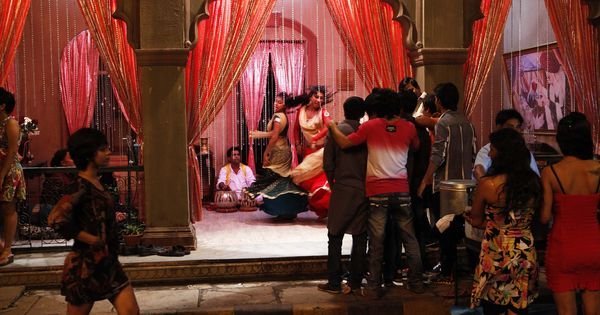
    Delhi GB Road stands today as the city’s largest and most notorious red light district. Yet, beyond its current reputation, GB Road holds a deep historical connection to the Mughal era, a period rich in cultural and architectural splendor. This area’s transformation over centuries from a zone of imperial significance to its present status is a tale intertwining historical grandeur with social realities.

    The Mughal Connection: From Imperial Courts to GB Road

    The roots of GB Road can be traced back to the time of the Mughals, an era that left an indelible mark on India’s cultural and architectural landscape. During the Mughal reign, particularly under emperors like Shah Jahan and Jahangir, there existed a practice of maintaining ‘harems’ – secluded quarters for women, many of whom were captives or concubines. These harems were a significant part of the royal palaces, illustrating the complex dynamics of power and gender during this period.

    The Transformation of the Harem and the Rise of GB Road

    As the Mughal Empire waned, the fate of those in the harems changed dramatically. With the decline of imperial power, many women from the harems found themselves displaced. This displacement marked the beginning of areas that would eventually evolve into red light districts, with GB Road being a prime example. The historical shift from royal harems to red light areas is a poignant reflection of the changing socio-political landscape of the era.

    The Naming of GB Road: A Colonial Imprint

    GB Road’s official name is a testament to its colonial past. Named after a British officer, Garstin Bastion, the road reflects the period of British rule in India. The renaming of the road in 1966 to Shraddhanand Marg by the Indian government was a symbolic move to reclaim its identity post-independence. However, the legacy of its former name, GB Road, continues to prevail in common usage.

    The Societal Context of GB Road in Contemporary Times

    Today, GB Road is synonymous with Delhi’s red light district, home to thousands of women engaged in prostitution. This area, with its narrow lanes and bustling activity, serves as a stark reminder of the city’s ongoing social and economic struggles. It is a space where history and contemporary societal issues intersect, raising questions about gender, exploitation, and the complexities of urban life in modern India.

    GB Road as a Mirror to Delhi’s Historical Layers

    GB Road is more than just a location in Delhi; it is a reflection of the city’s layered history. From its Mughal era origins to its present-day reality, the area encapsulates the transformative journey of Delhi through centuries. Understanding GB Road’s past is essential to comprehending not just the history of a single district, but the broader historical and cultural evolution of Delhi itself.

    This journey through GB Road’s history reveals how areas known today for their controversial social roles were once integral parts of imperial history. The transformation of GB Road from a zone tied to the opulence of the Mughal courts to its present status underscores the dynamic and often tumultuous nature of Delhi’s historical narrative. As we walk through the bustling lanes of GB Road, we walk through chapters of history, each telling a story of change, resilience, and survival.

  • Nationwide Truckers Strike: Understanding the Impact and New Traffic Laws

    Nationwide Truckers Strike: Understanding the Impact and New Traffic Laws

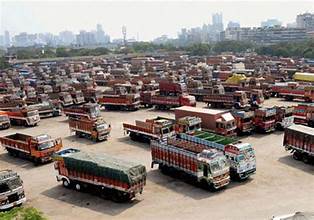
    Truckers Strike: In various states across the nation, truck drivers have taken to the streets in a widespread protest. This large-scale demonstration is not merely a show of solidarity but also involves acts of arson. The drivers are protesting against the newly implemented ‘hit-and-run’ regulations, which introduce stringent punishments. Several media outlets have mistakenly reported these rules as part of the Motor Vehicle Act. However, the Transport Ministry has clarified that this is a misconception, emphasizing that the regulations are, in fact, a part of a newly passed law by the Parliament, not the Vehicle Act.

    The Root of the Protests: New ‘Hit-and-Run’ Regulations

    The recent upheaval in the trucking community is primarily in response to the ‘hit-and-run’ provisions of the newly passed Indian Justice Code, replacing the colonial-era Indian Penal Code. These provisions specifically target incidents where a two-wheeler rider is hit and the driver flees the scene without informing authorities. Under the new law, individuals involved in a ‘hit-and-run’ could face penalties up to 7 million rupees and even a jail sentence of up to 10 years.

    Misconceptions and Clarifications from the Transport Ministry

    On Tuesday, 2nd January, the Transport Ministry addressed some of the misconceptions being circulated in the media. It was highlighted that the ongoing truckers’ strike is being erroneously linked to the Motor Vehicle Act. The Ministry emphasized that the strike is a response to the new laws passed by Parliament, not the Vehicle Act.

    Widespread Impact of the Truckers’ Strike

    The strike has taken a significant toll across major Indian states including Maharashtra, Gujarat, and Rajasthan. Truck drivers’ protests have led to a disruption in the supply of essential goods, with the most immediate effect being observed at petrol stations. Cities like Mumbai and Thane are experiencing a severe shortage of fuel, evidenced by the long queues forming outside petrol pumps.

    The Economic and Social Ramifications

    The truckers’ strike is not just a transportation issue but also a significant economic and social concern. The halt in the supply chain of essential commodities like fuel has ripple effects throughout the economy, affecting businesses and daily lives. The urgency of resolving this strike is paramount, not only for the trucking industry but for the nation’s overall economic stability.

    Seeking a Resolution: The Way Forward

    The government and the truckers’ unions are in a critical phase of negotiation. It is essential for both parties to reach a consensus that addresses the concerns of the truck drivers while ensuring public safety and adherence to the law. The resolution of this conflict will require a balanced approach, respecting the rights of the truckers and the need for stringent traffic laws to ensure road safety.

  • Emergency at Haneda Airport: A Close Call for Passengers and Crew

    Emergency at Haneda Airport: A Close Call for Passengers and Crew

    In a dramatic turn of events, Tokyo’s bustling Haneda Airport became the scene of a potential catastrophe. A passenger plane, operated by Japan Airlines (JAL), encountered an emergency situation shortly before its scheduled landing. Sources from the Japan Times have disclosed alarming details of the incident, which has since captured the attention of aviation authorities and the public alike.

    The Flight from Hokkaido: A Journey Interrupted

    The JAL passenger plane, on its route from Shin-Chitose Airport in Hokkaido, was carrying approximately 367 passengers and 12 crew members. As the aircraft approached Tokyo, the unforeseen happened, sparking immediate action from emergency services. Fortunately, all individuals on board were successfully evacuated. However, details regarding any injuries sustained remain undisclosed at this time.

    The Coast Guard’s Crucial Role

    Amid this high-stakes scenario, the Coast Guard played a pivotal role. Their plane, carrying six crew members, was reportedly en route to aid earthquake-affected areas. Tragically, one member was injured during the incident. The status of the remaining five crew members is currently unknown, adding a layer of urgency to the ongoing investigations.

    Investigations Underway: Uncovering the Cause

    The Japanese Transport Ministry is spearheading a thorough investigation into this alarming incident. Their goal is to unravel the sequence of events leading up to the emergency and to implement measures preventing future occurrences.

    Haneda Airport’s Immediate Response

    In response to the incident, Haneda Airport authorities took swift action by shutting down all runways. This precautionary measure, while causing significant disruptions, was essential for ensuring the safety of all passengers and staff. Numerous flights were redirected to Narita Airport, as social media buzzed with footage of firefighters battling the flames on the aircraft.

    Public Safety and Future Implications

    This incident at Haneda Airport raises critical questions about aviation safety and emergency preparedness. The successful evacuation of passengers and crew is a testament to the effectiveness of current safety protocols. However, the event also underscores the importance of continuous improvement in aviation safety standards.

    As investigations continue, the aviation community and the public eagerly await further details. The outcomes of this inquiry will undoubtedly influence future safety regulations and emergency response strategies, not only in Japan but across the global aviation industry.

    Looking Ahead: Ensuring Safer Skies

    The incident at Haneda Airport serves as a stark reminder of the unpredictable nature of air travel and the need for unwavering vigilance in safety procedures. As the world watches, the aviation industry is set to learn and evolve from this experience, reinforcing its commitment to passenger safety and secure skies.

  • Indian Supreme Court Challenges Caste-Based Discrimination in Prisons: A Comprehensive Overview

    Indian Supreme Court Challenges Caste-Based Discrimination in Prisons: A Comprehensive Overview

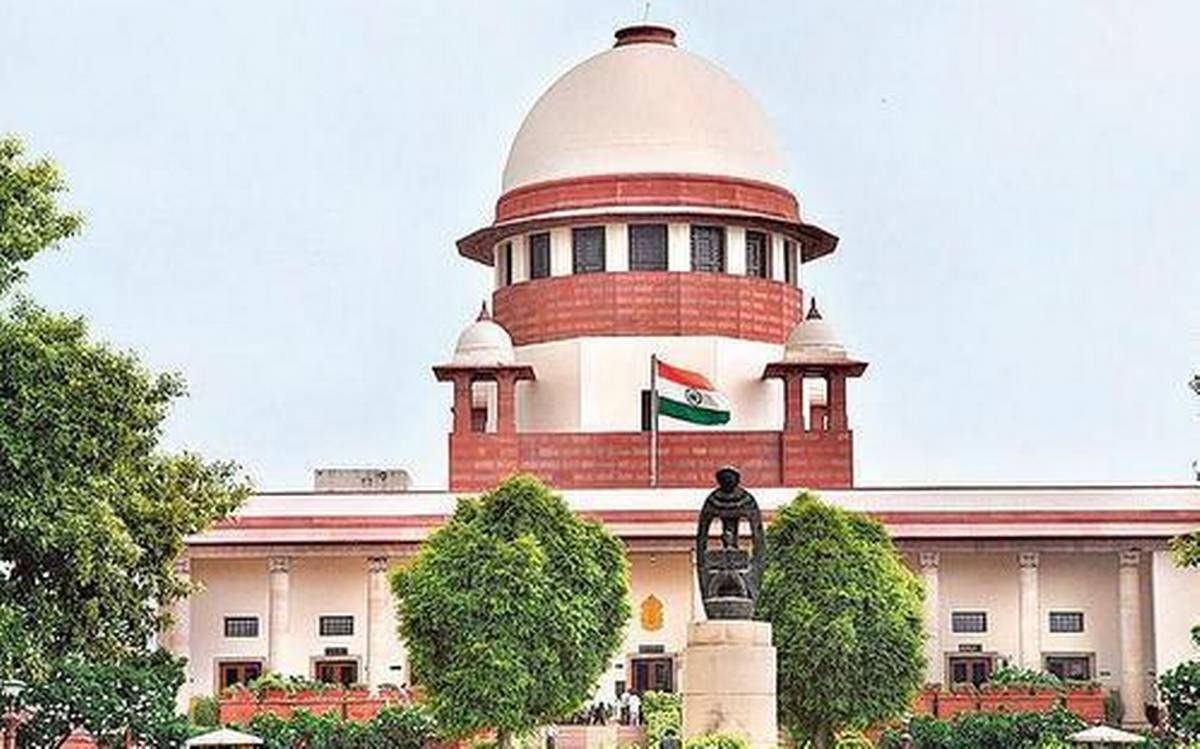
    In a landmark move, the Supreme Court of India has taken a significant step toward addressing the long-standing issue of caste-based discrimination in prisons across the country. On January 3, the apex court issued notices to the Central Government and 11 state governments, including Uttar Pradesh and West Bengal, in response to a petition highlighting the prejudiced allocation of work to prisoners based on their caste.

    Understanding the Context of the Supreme Court’s Intervention

    The bench, led by Chief Justice D.Y. Chandrachud, Justice J.B. Pardiwala, and Justice Manoj Mishra, focused on the arguments presented by senior advocate S. Muralidhar. The primary concern was the alleged caste-based work allocation in prison manuals across these 11 states.

    The Advocate’s Stance on Caste Discrimination in Jails

    Senior advocate Muralidhar brought to light the discriminatory treatment of prisoners belonging to lower castes and habitual offenders. He emphasized the unfair practice of assigning work based on caste, leading to blatant discrimination against lower-caste prisoners.

    Supreme Court’s Directive to Address the Issue

    The Supreme Court’s directive was a response to a public interest litigation filed by Sukanya Shanta, a resident of Kalyan, Maharashtra. Solicitor General Tushar Mehta was urged to assist the court in addressing the issues raised in this petition. Mehta expressed his unawareness of caste-based discrimination, stating that work distribution is usually based on the status of the prisoners, whether they are undertrials or convicts.

    States Notified by the Court

    The states that have been issued notices include Uttar Pradesh, West Bengal, Madhya Pradesh, Andhra Pradesh, Telangana, Punjab, Odisha, Jharkhand, Kerala, Tamil Nadu, and Maharashtra. The Supreme Court has scheduled the next hearing on this matter four weeks from the date of the order.

    The Core Issue: Caste-Based Work Allocation in Prisons

    Historically, many Indian jails, including those in Rajasthan, have followed the British-era prison manuals, which involve asking prisoners about their caste upon entry. A human rights organization claimed that lower-caste prisoners are often assigned menial tasks like toilet cleaning and jail maintenance.

    Reports suggest that individuals from the lower end of the caste pyramid are relegated to cleaning duties, while those from higher castes handle kitchen responsibilities or legal documentation. The affluent and influential often escape any form of labor. Despite minimal revisions, the British-era manuals continue to influence the functioning of various state prison manuals.

    The Call for Change and Justice

    This intervention by the Supreme Court marks a critical step in challenging the deep-rooted caste system and its manifestations in Indian prisons. The court’s decision to question and potentially reform these practices signals a move towards a more equitable and just system.

    The Indian judiciary’s role in addressing these systemic issues underscores the need for continual vigilance and reform to uphold human rights and dignity, irrespective of caste. As the nation awaits further developments, this case could set a precedent for future actions against discrimination in various spheres of Indian society.

    The Supreme Court’s actions have opened the doors to a much-needed dialogue and introspection about the legacy of caste-based discrimination in India. It emphasizes the responsibility of the judicial system to safeguard the rights of all citizens, especially the most vulnerable. This case represents not just a legal battle but a fight for social justice, equality, and the dignity of every individual.

    As the proceedings unfold, it’s crucial to stay informed and engaged with this critical issue that affects the very fabric of Indian society. The outcome of this case could be a landmark moment in the country’s ongoing journey towards social equality and justice.

  • Delhi Excise Policy: अरविंद केजरीवाल की होगी गिरफ्तारी ?

    Delhi Excise Policy: अरविंद केजरीवाल की होगी गिरफ्तारी ?

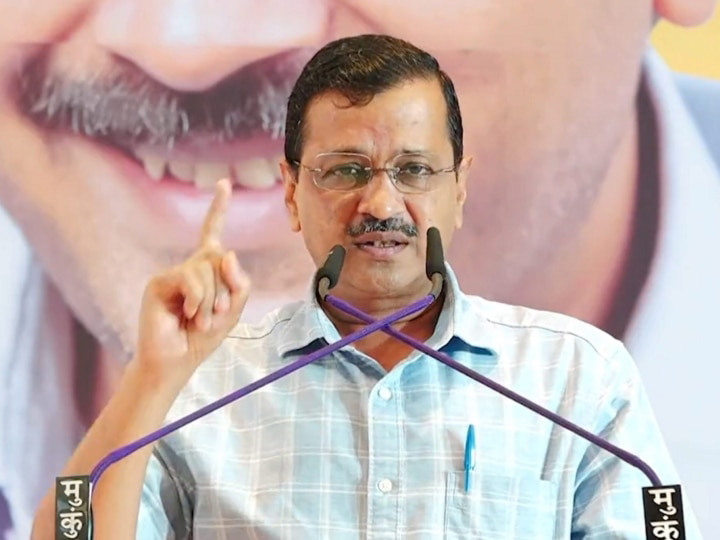
    Delhi Excise Policy: दिल्ली में शराब नीति घोटाला मामले में आम आदमी पार्टी की समस्याएं बढ़ती जा रही हैं। पहले उपमुख्यमंत्री मनीष सिसोदिया की गिरफ्तारी हुई और अब दिल्ली के मुख्यमंत्री अरविंद केजरीवाल पर तलवार लटकी है। ईडी तीन बार मुख्यमंत्री अरविंद केजरीवाल को पेश होने का नोटिस दे चुकी है। लेकिन मुख्यमंत्री अरविंद केजरीवाल ईडी के सामने पेश नहीं हुए। आम आदमी पार्टी शंका जता चुकी है की आप नेता और मुख्यमंत्री अरविंद केजरीवाल की गिरफ्तारी हो सकती है। पुलिस ने मुख्यमंत्री आवास की तरफ जाने के रास्तों को बंद किया है। मुख्यमंत्री आवास के एम्प्लॉय भी आवास के भीतर नहीं जा पा रहे हैं।

    क्या कहते हैं सूत्र:

    सूत्र लगातार दावा कर रहे हैं कि दिल्ली के मुखिया अरविंद केजरीवाल की गिरफ्तारी होगी। क्योंकि उन्होंने तीन बार ईडी के नोटिस को नजरअंदाज किया है। आम आदमी पार्टी नेताओं का कहना है कि अगर ईडी केजरीवाल के आवास पर पहुँचती है तो हम लोग प्रदर्शन करेंगे। आप नेताओं ने पार्टी दफ्तर पहुंचना आरम्भ कर दिया है। बीजेपी नेताओं का कहना है कि केजरीवाल के रवैया ने यह साफ़ कर दिया है कि उनको कानून व्यवस्था पर विश्वास नहीं है।

    आप नेता आतिशी ने कहा- जिस तरह से ईडी बार-बार केजरीवाल को नोटिस भेज रही है। यह राजनीति से प्रेरित है। जब उन्होंने ईडी से सवाल पूछा की उनको पूछताछ के लिए क्यों बुलाया जा रहा है तो ईडी इसका जवाब क्यों नहीं दे रही है।

  • Ram Mandir Inauguration: 30 साल पहले किसने तैयार किया था राम मंदिर का डिजाइन

    Ram Mandir Inauguration: 30 साल पहले किसने तैयार किया था राम मंदिर का डिजाइन

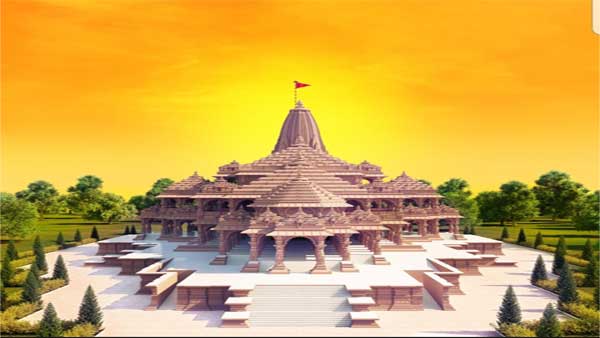
    Ram Mandir Inauguration: 22 जनवरी को भव्य राम मंदिर का शुभारम्भ होना है। प्राण प्रतिष्ठा कार्यक्रम में कई दिग्गज हस्तियों समेत देश के अलग-अलग राज्यों से साधू-संत पहुंच रहे हैं। राम मंदिर वर्तमान में आकर्षण का केंद्र बना हुआ है। 22 जनवरी के बाद राम मंदिर के द्वार आम आदमी के लिए खुल जाएंगे। सोशल मीडिया से लेकर मेन स्ट्रीम मीडिया तक राम मंदिर की तस्वीरें सुर्खियों में बनी हुई हैं। राम मंदिर की भव्यता मन मोहित कर रही है। वही आज हम आपको इस लेख में बताने जा रहे हैं कि आखिर इस सुंदर भव्य राम मंदिर का डिजाइन किसने बनाया है।

    किसने बनाया है राम मंदिर का डिजाइन:

    भव्य राम मंदिर का डिजाइन चंद्रकांत सोमपुरा ने बनाया है। उनकी 15 पीढ़ियां मंदिर के डिजाइन बनाने का काम कर रही हैं। वह अब तक देश के कई भव मंदिरों का डिजाइन तैयार कर चुके है। उनके द्वारा ही सोमनाथ मंदिर और बिरला मंदिर का डिजाइन बनाया गया है जो आज लोगों को काफी पसंद है। चंद्रकांत सोमपुरा ने राम मंदिर का डिजाइन 30 वर्ष पूर्व ही बना लिया था।

    चंद्रकांत सोमपुरा के मुताबिक उनको पूरा विश्वास था की उनके राम लला की जीत होगी और वह उनका मंदिर भारत में आकर्षण का केंद्र बनाना चाहते थे। चंद्रकांत सोमपुरा ने 30 वर्ष पहले ही राम मंदिर का डिजाइन तैयार किया था जिसमें वर्तमान में कुछ परिवर्तन किये गए और अब उसी डिजाइन से प्रभु श्री राम का भव्य मंदिर तैयार किया जा रहा है।

  • The Political Funding Landscape in India: Analyzing the Major Donations to Parties in 2022-23

    The Political Funding Landscape in India: Analyzing the Major Donations to Parties in 2022-23

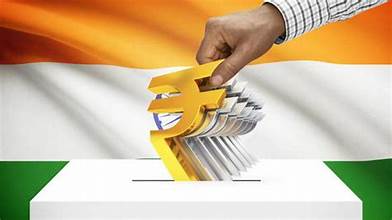
    The dynamics of political funding in India have always been a topic of intense scrutiny and interest. With the recent disclosures for the fiscal year 2022-23, a comprehensive analysis reveals significant insights into how political parties, including the Bharatiya Janata Party (BJP), the Indian National Congress, and various regional parties, finance their operations. This deep dive into the latest financial contributions, based on a report released by the Association for Democratic Reforms (ADR), highlights the predominant sources of funding for these parties, the role of electoral trusts in this process, and the evolving landscape of political donations in India.

    The Dominance of BJP in Receiving Contributions

    In the fiscal year 2022-23, the BJP emerged as the primary beneficiary of political donations, securing over ₹250 crores, a figure that represents a significant share of the total donations received by all parties. This influx of funds underscores the BJP’s dominant position in the Indian political arena, both in terms of popular support and financial backing. The data, as released by ADR, reflects a trend where the BJP consistently outpaces its competitors in attracting substantial financial contributions, a factor that plays a crucial role in its expansive election campaigns and organizational activities.

    The Surprising Rise of Regional Players

    Another noteworthy aspect of the recent funding patterns is the substantial donations received by regional parties. The Bharat Rashtra Samithi (BRS), in particular, has made a notable entry by securing approximately 25% of the total donations. This shift in donor preference, where a regional party is outperforming the traditional national party, the Indian National Congress, in fundraising, signals a changing dynamic in Indian politics. It highlights how regional parties are increasingly gaining prominence and becoming pivotal players on the national stage.

    Understanding the Role of Electoral Trusts

    Electoral trusts have emerged as a vital conduit for political donations in India. The ADR report meticulously details the contributions made to these trusts in the 2022-23 financial year. An analysis of the data reveals that 39 corporate and business entities have collectively contributed over ₹363 crores to various electoral trusts. Among these, the Prudent Electoral Trust received the lion’s share, with donations exceeding ₹360 crores from 34 different corporate houses.

    Furthermore, other trusts like the Samaj Electoral Trust and the Paribartan Electoral Trust also played significant roles in channeling funds to political parties. These trusts received contributions amounting to ₹2 crores and ₹75.50 lakhs, respectively, from different companies. The Triumph Electoral Trust was another notable entity in this landscape, with donations of ₹50 lakhs. The growing significance of electoral trusts in the Indian political funding mechanism underscores a more organized and corporate-driven approach to political donations.

    Distribution of Funds Among Political Parties

    The detailed breakdown of the donations reveals a skewed distribution of funds among the political parties. The BJP, as mentioned earlier, received a staggering 70.69% of the total contributions made through electoral trusts, amounting to ₹259.08 crores. Following it, albeit at a considerable distance, is the BRS with 24.56% of the total funds, equating to around ₹90 crores. Other notable recipients include the YSR Congress, Aam Aadmi Party, and the Indian National Congress, collectively securing ₹17.40 crores.

    This distribution pattern not only reflects the current political preferences of donors but also indicates the varying levels of influence and outreach of different political parties in India. The disproportionate allocation of funds to certain parties raises questions about the level playing field in the electoral process and the impact of financial muscle on political outcomes.