Category: health

  • Unveiling the Signs of a Stroke: A Comprehensive Guide

    In today’s fast-paced world, health awareness is paramount. Understanding the signs of a stroke is crucial for prompt medical intervention. Our comprehensive guide aims to equip you with the knowledge needed to recognize the silent threat of a stroke and act swiftly.

    The Silent Menace: Unraveling the Signs

    Sudden Weakness or Numbness

    One of the primary indicators of a stroke is the sudden onset of weakness or numbness, typically on one side of the body. This can manifest in the face, arm, or leg, making it imperative to pay attention to any unexplained loss of strength.

    Confusion and Trouble Speaking

    Strokes often disrupt cognitive function, leading to confusion and difficulty in articulating thoughts. If you or someone around you experiences sudden speech problems or seems disoriented, it could be a red flag.

    Visual Disturbances

    Vision abnormalities, such as sudden blurred or double vision, can be indicative of a stroke. Ignoring these visual disturbances can exacerbate the situation, underscoring the importance of swift action.

    Severe Headache

    While headaches are common, a sudden and severe headache, often described as the worst one ever experienced, can be a warning sign of a stroke. Coupled with other symptoms, it warrants immediate attention.

    Risk Factors and Prevention

    Hypertension: A Silent Culprit

    High blood pressure, or hypertension, is a major contributor to strokes. Regular monitoring, a balanced diet, and a healthy lifestyle can significantly reduce this risk.

    Lifestyle Modifications

    Making positive lifestyle changes, such as quitting smoking, maintaining a healthy weight, and exercising regularly, can substantially decrease the likelihood of strokes.

    Regular Health Check-ups

    Frequent health check-ups play a pivotal role in early detection and prevention. Regular consultations with healthcare professionals help manage risk factors and ensure proactive health maintenance.

    Emergency Response: Every Second Counts

    Recognizing the Signs

    The key to effective emergency response lies in swift recognition of stroke signs. Educating yourself and those around you is the first line of defense against the silent threat.

    Emergency Contact Information

    Having emergency contact information readily available can make a critical difference. Ensure that important numbers are saved in your phone and easily accessible to others in case of an emergency.

    The Importance of Time

    Time is of the essence when dealing with a stroke. Immediate medical attention can minimize damage and improve outcomes. Understanding the urgency is paramount for effective response.

  • क्या आप जानते हैं कि बच्चों में कोलेस्ट्रॉल का स्तर क्यों बढ़ता है

    क्या आप जानते हैं कि बच्चों में कोलेस्ट्रॉल का स्तर क्यों बढ़ता है

    क्या आप जानते हैं कि बच्चों में भी कोलेस्ट्रॉल का स्तर बढ़ सकता है? यह थोड़ा अजीब लगता है क्योंकि हम आमतौर पर मानते हैं कि कोलेस्ट्रॉल की समस्या केवल वयस्कों में होती है। हालाँकि, यह समस्या बच्चों में भी होती है। और इसे नजरअंदाज करना ठीक नहीं है. आइए जानें कि बच्चों में कोलेस्ट्रॉल का स्तर क्यों बढ़ता है और इसे कैसे नियंत्रण में रखा जाए।

    बच्चों में कोलेस्ट्रॉल क्यों बढ़ता है?

    खान-पान की आदतें: बच्चों में कोलेस्ट्रॉल का मुख्य कारण उनकी खान-पान की आदतें हो सकती हैं। फास्ट फूड, तले हुए खाद्य पदार्थ, चिप्स और कोल्ड ड्रिंक जैसे उच्च वसा वाले खाद्य पदार्थों के अत्यधिक सेवन से बच्चों में कोलेस्ट्रॉल का स्तर बढ़ सकता है।

    आनुवंशिक कारणों से

    कुछ बच्चे आनुवांशिक कारणों से भी हाई कोलेस्ट्रॉल का शिकार हो सकते हैं। अगर परिवार में किसी को ऐसी समस्या है तो संभावना है कि बच्चे को भी इसका सामना करना पड़े।

    कोलेस्ट्रॉल के स्तर को नियंत्रण में कैसे रखें?

    संतुलित आहार

    अपने बच्चों के आहार में स्वस्थ भोजन शामिल करें। उन्हें ताजे फल और हरी सब्जियां खिलाएं। बादाम और अखरोट जैसे मेवे भी उनके लिए अच्छे होते हैं क्योंकि वे उन्हें ऊर्जा देते हैं और उनके मस्तिष्क को अच्छे आकार में रखते हैं। इसके अलावा, अपने आहार में चिकन और मछली जैसे दुबले मांस को भी शामिल करें क्योंकि ये प्रोटीन के अच्छे स्रोत हैं। ये सभी उत्पाद आपको स्वस्थ और मजबूत बनने में मदद करेंगे।

    दैनिक व्यायाम

    बच्चों को हर दिन खेलने और सक्रिय रहने का समय दें। इससे वे फिट रहते हैं और कोलेस्ट्रॉल का स्तर भी नियंत्रण में रहता है। व्यायाम आपकी मांसपेशियों को मजबूत बनाता है, आपके दिल को स्वस्थ रखता है और आपके दिमाग को खुश रखता है। इससे उनके समग्र स्वास्थ्य को बेहतर बनाने में मदद मिलती है। इसलिए उन्हें रोजाना खेलने का समय देना बहुत जरूरी है। इससे वे स्वस्थ और प्रसन्न रहते हैं।

    नियमित चिकित्सा परीक्षण

    बच्चों को नियमित रूप से अपने डॉक्टर के पास जाना चाहिए और स्वयं जांच करानी चाहिए। इसका मतलब है कि किसी स्वास्थ्य समस्या की तुरंत पहचान की जा सकती है और समय पर इलाज शुरू किया जा सकता है। निवारक परीक्षाओं का आयोजन बच्चों के स्वास्थ्य की देखभाल का एक महत्वपूर्ण हिस्सा बनना चाहिए।

  • खड़े होकर या बैठकर कैसे पीना चाहिए पानी?

    खड़े होकर या बैठकर कैसे पीना चाहिए पानी?

    पानी हमारे शरीर के लिए अत्यंत महत्वपूर्ण है। हमें प्रतिदिन कम से कम 8 से 10 गिलास पानी पीना चाहिए। लेकिन क्या आप जानते हैं कि पानी पीने का तरीका भी महत्वपूर्ण है? कुछ लोग खड़े होकर पीते हैं, तो कुछ लोग बैठकर। इसलिए, यह एक सामान्य सवाल हो सकता है कि पानी पीने का सही तरीका क्या है – खड़े होकर या बैठकर?

    खड़े होकर पानी पीने के लाभ

    1. शारीर को मिलती है सही पोषकताएं: खड़े होकर पानी पीने से शारीर को सही पोषण मिलता है।
    2. खड़े होकर पानी पीने से पाचन सिस्टम मजबूत होता है: खड़े होकर पानी पीने से पेट की पित्त क्रिया अच्छी होती है।
    3. स्राव में अच्छी गति: खड़े होकर पानी पीने से स्राव में अच्छी गति आती है और स्नायु पोषण भी अच्छा होता है।

    बैठकर पानी पीने के लाभ

    1. रिलैक्सेशन: बैठकर पानी पीने से आपका शारीर अधिक रिलैक्स होता है।
    2. अच्छी पाचन क्रिया: बैठकर पानी पीने से पाचन क्रिया में सुधार होता है।
    3. अच्छी पारिस्थितिकी सेटिंग: जब आप बैठकर पानी पीते हैं, तो शरीर की पारिस्थितिकी सेटिंग भी ठीक रहती है।

    पानी पीने के तरीके में किस तरह का सही है?

    पानी पीने का सही तरीका संबंधित है आपके शारीर के संरचना के साथ। यदि आप पचन क्षमता में सुधार चाहते हैं, तो आपको बैठकर पानी पीना चाहिए। लेकिन यदि आपको अपचन की समस्या है, तो आपको खड़े होकर पानी पीना चाहिए।

  • Mysuru-Darbhanga Derailment: A Wake-Up Call for Railway Safety in India

    Mysuru-Darbhanga Derailment: A Wake-Up Call for Railway Safety in India

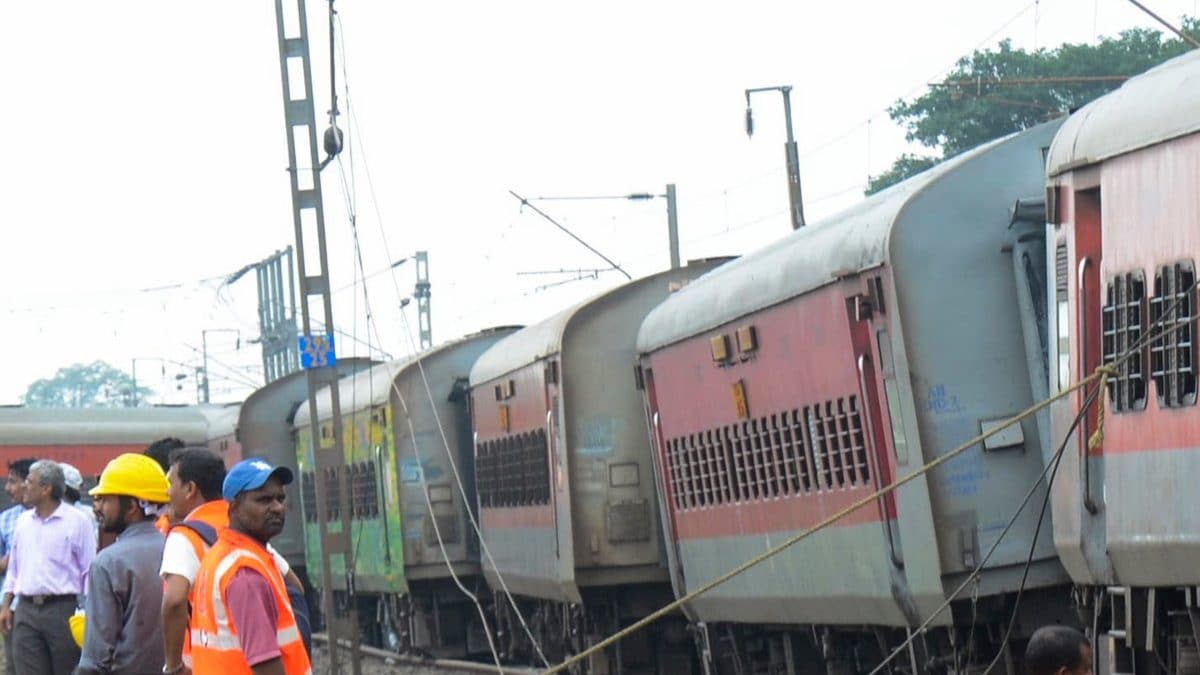
    The derailment of the Mysuru-Darbhanga Bagmati Express (Train No. 12578) on Friday night near Chennai was a tragic incident that thankfully resulted in no fatalities. While initial reports suggested a potential for sabotage or terrorism, investigations by the National Investigation Agency (NIA) have concluded that the cause was likely a technical failure. The accident highlights the importance of maintaining stringent safety standards in the Indian railway system and the need to thoroughly investigate such incidents to prevent future occurrences.

    Technical Malfunction as the Primary Cause

    The NIA’s thorough investigation into the incident has ruled out any terror angle or sabotage. Their findings suggest that the derailment was most likely caused by a technical malfunction. The fact that the passenger train entered the loop line despite having a green signal for the main line indicates a possible issue with the signaling system or a failure in communication between the driver and the control room. Further investigation will be needed to determine the exact nature of the technical malfunction that led to this tragic accident.

    Importance of Rigorous Safety Protocols

    The incident serves as a stark reminder of the importance of robust safety protocols in the Indian railway system. The fact that a passenger train ended up on the wrong track despite having signals for the main line highlights potential vulnerabilities within the system. While Indian Railways has implemented many safety measures in recent years, this incident demonstrates that continuous improvements and rigorous adherence to existing protocols are crucial.

    Investigation Process and Role of the NIA

    The NIA’s involvement in the investigation was part of their standard operating procedure, aimed at ensuring a comprehensive examination of all possibilities. While their findings pointed towards a technical failure, the agency played a critical role in ensuring that no other factors, including terrorism or sabotage, were contributing to the incident. Their involvement helped maintain transparency and confidence in the investigative process.

    Impact of the Derailment

    The derailment caused significant damage to both trains and disrupted rail services in the area. The Chennai-Gudur section, where the accident occurred, is a key railway line with considerable passenger and freight traffic. The diversion of several trains due to the accident disrupted schedules and inconvenienced passengers. This incident underscores the widespread impact of railway accidents on the transportation system and the economy.

    Addressing Safety Concerns

    In the aftermath of this incident, addressing the identified safety concerns should be a top priority. The railway authorities need to conduct a thorough investigation to determine the root cause of the technical failure and implement necessary corrective measures to prevent similar incidents in the future. This includes enhancing signaling systems, improving communication protocols, and strengthening the overall safety framework.

    Public Response and Trust

    The public response to the incident reflects the ongoing concern over railway safety in India. The incident has sparked public debate about the need for increased investments in infrastructure, technology, and safety training to prevent future accidents. Rebuilding public trust in the railway system requires a demonstrable commitment to improving safety standards and transparency in incident investigations.

    Key Takeaways

    This incident serves as a stark reminder of the potential dangers of railway accidents and the importance of continuous improvements in safety protocols. Key takeaways from the investigation include:

    • Technical malfunctions: The most likely cause of the derailment was a technical failure, highlighting the importance of rigorous maintenance and inspection of railway infrastructure.
    • Robust safety procedures: The need for enhanced safety protocols, including comprehensive training for staff, accurate signal systems, and effective communication between the driver and control room is evident.
    • Transparency in investigations: Public trust in the railway system is crucial. Transparent investigations by agencies like the NIA are essential to build confidence in the safety of the system.
    • Investment in infrastructure: Continued investment in railway infrastructure is crucial for enhancing safety and preventing future accidents.
    • Lessons learned: This incident should serve as a catalyst for the Indian Railways to proactively identify and address safety concerns and strengthen their commitment to improving safety for passengers and employees.
  • Gujarat Wall Collapse: A Grim Reminder of Construction Safety Concerns

    Gujarat Wall Collapse: A Grim Reminder of Construction Safety Concerns

    The collapse of a construction wall in Gujarat’s Mehsana district resulted in the tragic deaths of at least nine labourers, highlighting the persistent risks faced by workers in the construction industry. This incident serves as a stark reminder of the urgent need for enhanced safety protocols and regulations to protect workers.

    Tragic Incident at Construction Site

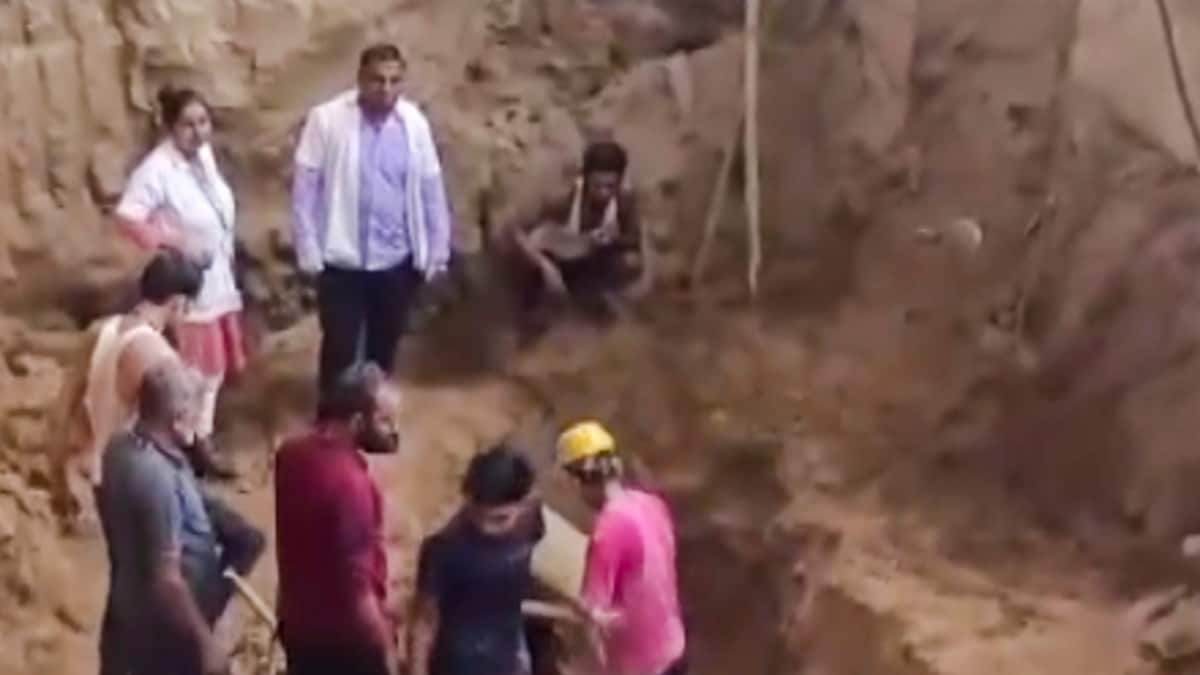
    The incident unfolded on a Saturday afternoon at a factory construction site in Jasalpur village, near Kadi town. Workers were engaged in digging a pit for an underground tank when the under-construction wall crumbled, trapping them under loose soil. The collapse occurred around 1:45 PM, leaving a devastating aftermath.

    Rescue Efforts and Casualties

    Emergency responders rushed to the scene and launched a rescue operation. Despite their tireless efforts, the incident claimed the lives of nine workers, while one 19-year-old survivor was pulled out alive. The young survivor provided crucial information, confirming that 8-9 workers were present at the site and raising concerns about the remaining 2-3 individuals still unaccounted for.

    Government Response and Condolences

    The incident triggered an immediate response from the government authorities. Mehsana District Development Officer Dr Hasrat Jasmine confirmed the collapse and reported the initial recovery of six bodies. Prime Minister Narendra Modi expressed his profound grief and condolences for the families of the deceased. The Prime Minister’s Office announced an ex-gratia payment of Rs. 2 lakhs from the PMNRF to the families of the deceased, along with Rs. 50,000 to the injured.

    Safety Concerns and Lack of Oversight

    The construction wall collapse in Mehsana shines a spotlight on the ongoing issue of workplace safety in India. The tragedy serves as a poignant reminder of the dangers inherent in the construction industry, especially in the absence of rigorous safety measures. While specific details about the cause of the wall collapse are still under investigation, incidents like these highlight the need for comprehensive safety protocols, inspections, and worker education to mitigate risks.

    Role of Enforcement and Regulations

    The incident underscores the critical role of enforcement and regulations in protecting workers. Construction sites should be subjected to regular inspections to ensure compliance with safety standards and identify potential hazards. The government must prioritize investment in building safety infrastructure, promoting awareness of best practices, and empowering workers to advocate for their safety.

    Lessons from the Tragedy

    This tragedy serves as a stark wake-up call to prioritize safety and address systemic issues that contribute to worker vulnerability in the construction industry. Addressing these concerns requires collaborative efforts involving:

    Worker Safety and Education

    • Implementing comprehensive safety training programs for all construction workers.
    • Fostering a culture of safety consciousness on construction sites.
    • Equipping workers with knowledge and skills to identify hazards and report unsafe practices.

    Strengthening Safety Protocols

    • Enacting stricter regulations for construction site safety, particularly focusing on structural integrity.
    • Introducing standardized procedures for assessing and mitigating risks.
    • Ensuring availability of proper equipment and protective gear for all workers.

    Enhanced Enforcement and Inspections

    • Implementing regular site inspections by qualified professionals to ensure adherence to safety protocols.
    • Holding contractors accountable for safety violations through strict penalties and licensing revocations.
    • Utilizing technological advancements to monitor and analyze potential hazards in construction projects.

    Take Away Points

    The tragedy in Mehsana serves as a potent reminder of the paramount importance of worker safety. The incident calls for a holistic approach that tackles not only immediate safety concerns but also addresses systemic vulnerabilities within the industry. Governments, regulatory bodies, construction companies, and individual workers must actively collaborate to establish a safer environment for all. This requires unwavering commitment to strengthening safety regulations, promoting worker education, and fostering a culture of safety awareness across the entire construction sector.

  • Boris Johnson’s India: A Relationship “Unleashed”

    Boris Johnson’s India: A Relationship “Unleashed”

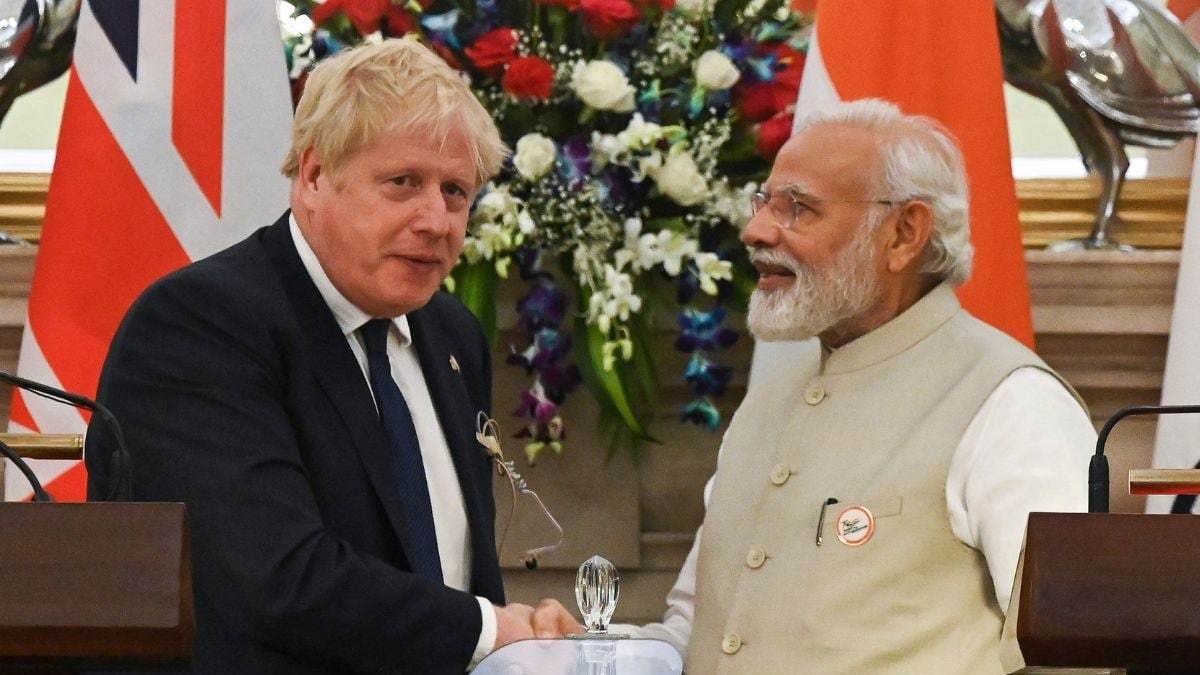
    Boris Johnson’s memoir, ‘Unleashed,’ offers a revealing glimpse into his personal and political journey, with a particular focus on his relationship with India and its leader, Narendra Modi. The book showcases his admiration for Modi, highlighting the blossoming bilateral ties between the two nations during Johnson’s tenure as Prime Minister.

    A Curious Astral Energy: Johnson’s Impressions of Modi

    Johnson describes a compelling encounter with Modi during his time as Mayor of London. During a visit to his office, Modi captivated Johnson with his charismatic presence and a palpable “astral energy” that resonated deeply. This encounter marked the beginning of a profound connection between the two leaders, characterized by mutual respect and a shared vision for a robust India-UK partnership.

    Beyond Trade: A Vision for Deep Cooperation

    Johnson’s admiration for Modi extends beyond mere personality, emphasizing Modi’s role as a “change-maker” in the Indo-Pacific. He champions the importance of a robust free-trade agreement with India, seeing it as a catalyst for wider bilateral collaboration. However, his vision extends beyond trade, encompassing a strategic partnership that tackles critical issues like climate change and educational collaborations.

    Johnson believes in a deeper engagement with India, particularly in the realm of military technology. He reveals his efforts to overcome internal resistance from the UK Ministry of Defence, fostering a cooperative framework for joint ventures in areas such as submarine construction, helicopter development, and marine propulsion technology. This shift signifies a break from traditional apprehensions concerning India’s past military ties with Russia.

    While praising Modi’s leadership, Johnson acknowledged the historical and geopolitical complexities of India’s relationship with Russia. He acknowledged India’s reliance on Russian hydrocarbons and its long-standing non-aligned stance. However, he also believed in the potential for a “modulation” in India’s approach, advocating for a reassessment of its reliance on Russian military hardware in light of the conflict in Ukraine.

    Johnson felt it was crucial to have this dialogue with India, despite the potential sensitivities. He saw India’s strategic choices as being particularly important given the “global inflection point” brought on by Russia’s actions. He was unafraid to push for a “tougher line” towards Russia, drawing inspiration from the Queen’s own interactions with Indian leaders like Jawaharlal Nehru.

    A Partnership Rooted in Personal Connections and Historical Ties

    The depth of Johnson’s appreciation for India extends beyond policy considerations. He emphasizes his personal connection to India through his children’s Sikh heritage, making him a frequent attendee of Indian weddings and a fervent advocate for the country’s cultural richness. He points to his own experience, emphasizing the importance of personal and cultural connections in forging strong diplomatic ties.

    Johnson’s memoir paints a positive picture of India-UK relations, emphasizing the role he played in bolstering the relationship during his time as Prime Minister. He acknowledges the challenges, but also underlines the shared ambitions and the possibilities for cooperation in building a strong and enduring strategic partnership.

    Take Away Points

    • Boris Johnson views Narendra Modi as a crucial figure in shaping India-UK relations.
    • The relationship is seen as extending beyond trade to encompass a broader strategic partnership in various areas.
    • Johnson championed greater cooperation on defense and technological fronts, while acknowledging historical sensitivities.
    • The book reveals insights into the challenges and opportunities surrounding India-UK cooperation in a globalized world.
    • Personal and cultural connections are highlighted as playing an important role in strengthening the bond between the two countries.
  • Baba Siddique Murder: Unraveling the Complex Web of Crime and Politics

    Baba Siddique Murder: Unraveling the Complex Web of Crime and Politics

    Baba Siddique, a prominent politician and former Maharashtra minister, was tragically murdered in Mumbai on Saturday evening. This incident has sent shockwaves across the state and the nation, sparking intense investigations and a search for the truth behind his killing. While authorities are diligently working to apprehend the culprits and uncover the motive behind the murder, the circumstances surrounding the incident have raised many questions, especially regarding the involvement of a notorious criminal gang and the alleged connection to a contract killing.

    The Murder and the Accused

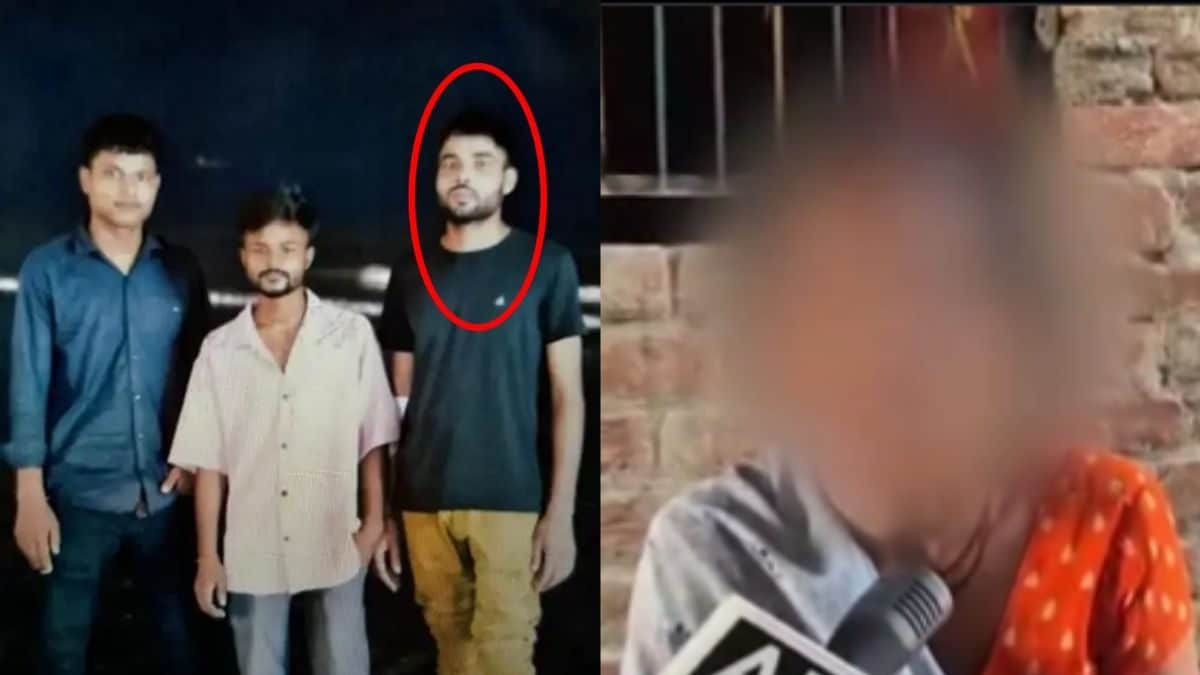
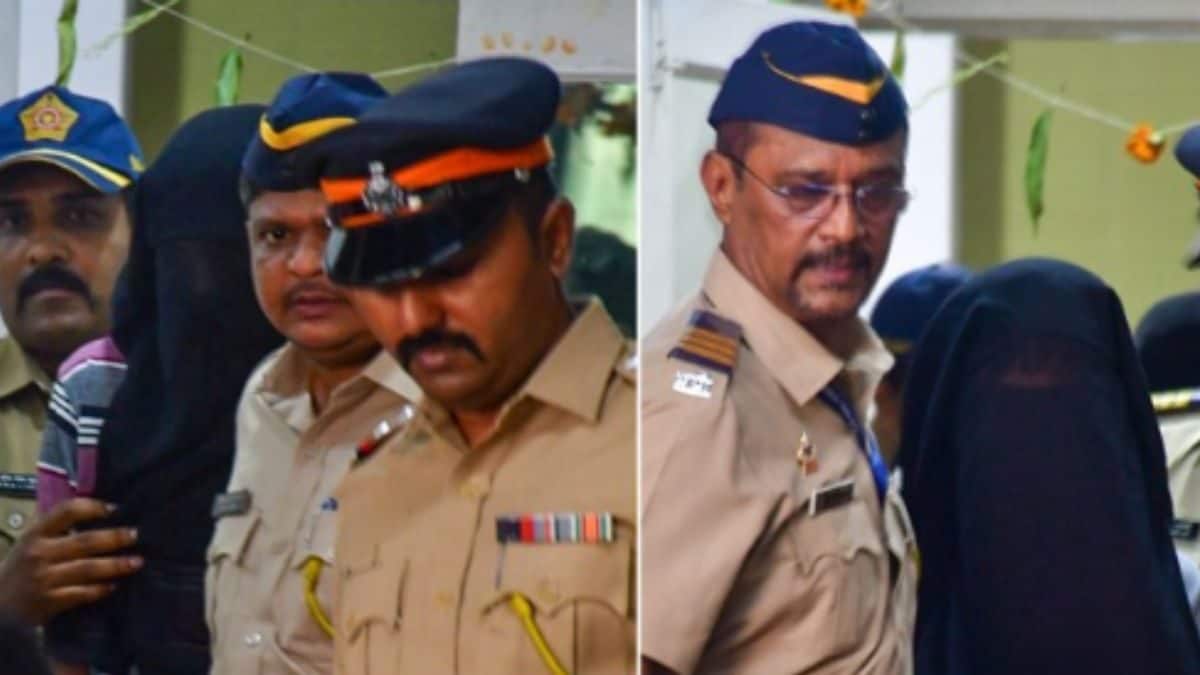
    The brutal murder of Baba Siddique took place outside the office of his MLA son, Zeeshan Siddique, in Bandra East. Three individuals, allegedly members of the notorious Lawrence Bishnoi gang, were involved in the crime. Two suspects, Karnail Singh from Haryana and Dharamraj Kashyap from Uttar Pradesh, have been arrested and are currently being questioned by the Mumbai police.

    The Lawrence Bishnoi Gang

    The involvement of the Lawrence Bishnoi gang, known for its criminal activities and involvement in high-profile cases, adds a layer of complexity to the investigation. The gang, led by Lawrence Bishnoi, is currently facing numerous charges, including murder, extortion, and drug trafficking. Bishnoi, who is incarcerated, is known to operate his criminal network from behind bars, raising concerns about potential connections to the recent murder. The arrest of the two accused and their alleged affiliation with the gang point to a well-organized operation involving extensive planning and resources.

    The Mother’s Statement

    The mother of Dharamraj Kashyap, one of the accused, claims that her son was working in a scrapyard in Pune and was unaware of his activities in Mumbai. Her statement raises doubts about the involvement of her son in the crime, however, the police are continuing their investigations to confirm the truth. The conflicting statements of the mother and the alleged affiliation with the Bishnoi gang point towards potential discrepancies in the investigation and highlight the complexities surrounding the case.

    The Investigation: A Contract Killing?

    Police investigations suggest that the attackers had been meticulously planning Baba Siddique’s murder for over two months. They are probing the possibility of a ‘contract killing,’ where the perpetrators were allegedly paid a substantial sum to carry out the crime. Sources claim that the accused were provided with weapons via prepaid courier just days before the attack and were paid Rs 50,000 for their participation.

    Tracking Siddique’s Movement

    Police believe a fourth person, who has not been apprehended, may have been involved in the murder by providing information about Siddique’s movements to the attackers. This alleged ‘inside’ support suggests that the perpetrators were well-informed and prepared to carry out their deadly plan with precision. The details concerning the weapon procurement, payment, and alleged involvement of a fourth individual indicate that the murder was a meticulously orchestrated operation.

    Baba Siddique’s Political Career and Recent Threats

    Baba Siddique was a prominent figure in Maharashtra politics, known for his long association with the Congress party before his recent switch to the Nationalist Congress Party (NCP). He had gained significant influence and recognition within the state’s political landscape. This political affiliation and his high-profile status make him a potential target for those with motives ranging from political vendetta to personal grudges.

    The Security Breach

    Despite receiving a death threat 15 days prior to the attack, Baba Siddique was under ‘Y’ category security. This raises serious concerns about the effectiveness of security protocols and raises questions regarding potential lapses in protecting him from harm. It remains to be seen how this security breach occurred and whether it played a role in the execution of the murder.

    The Importance of a Thorough Investigation

    The investigation into the murder of Baba Siddique is complex and multi-faceted. It involves unraveling the motives behind the crime, identifying the mastermind, and securing all the perpetrators. With potential involvement of a notorious criminal gang, alleged contract killing motives, and a high-profile political victim, the police are facing a substantial challenge in ensuring justice and securing the safety of other prominent individuals who may be at risk.

    Take Away Points

    • The murder of Baba Siddique is a complex and tragic incident, requiring a comprehensive investigation to uncover the truth.
    • The involvement of the Lawrence Bishnoi gang adds a layer of complexity to the investigation, suggesting organized crime could be a significant factor.
    • The possibility of a contract killing motivates emphasizes the importance of examining the financial aspects of the murder and identifying any potential connections to those with a motive.
    • The police’s focus on tracking the movements of the accused and finding the mastermind behind the crime is crucial to bringing the perpetrators to justice and preventing future incidents.
    • The investigation into this case highlights the ongoing threat of organized crime and the importance of ensuring the safety and security of high-profile individuals in a society.

  • Ladakh’s Fight for Autonomy: A Hunger Strike and the Sixth Schedule Debate

    Ladakh’s Fight for Autonomy: A Hunger Strike and the Sixth Schedule Debate

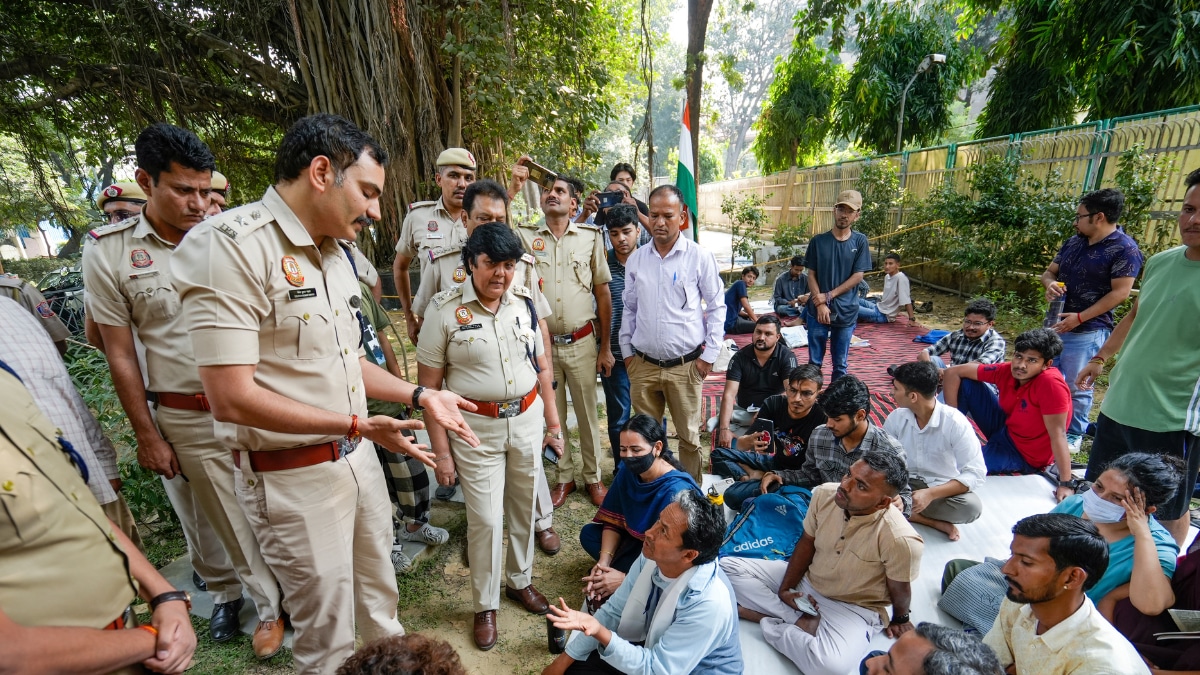
    Climate activist Sonam Wangchuk has been leading an indefinite hunger strike in Delhi since October 6th, demanding the inclusion of Ladakh in the Sixth Schedule of the Constitution. This demand has sparked controversy and protests, leading to the detention of several of his supporters by the Delhi Police. This action has ignited further concerns about the limits of freedom of assembly in India, with Wangchuk himself questioning the permanent enforcement of Section 163 of the BNSS in Delhi.

    The Demand for Sixth Schedule Inclusion

    The Leh Apex Body and the Kargil Democratic Alliance have been advocating for Ladakh’s inclusion in the Sixth Schedule for the past four years. Their demand stems from a desire to protect the unique cultural identity and autonomy of the region. The Sixth Schedule provides special administrative provisions for tribal areas in the Northeast, granting autonomous councils significant power in governance.

    Benefits of Sixth Schedule Inclusion:

    • Preservation of Culture: The Sixth Schedule would offer safeguards for Ladakh’s distinct cultural identity, including language, traditions, and indigenous rights.
    • Economic Autonomy: The Sixth Schedule empowers local councils to manage natural resources, potentially leading to greater economic development and benefits for the local population.
    • Political Representation: The framework allows for a more direct form of political representation for Ladakhis, ensuring their concerns are addressed effectively.
    • Resource Management: The Schedule allows for more efficient and localized resource management, ensuring sustainable development and environmental protection.

    The Activist’s Hunger Strike and Detention

    Sonam Wangchuk, a renowned climate activist, has taken a bold stand by launching a hunger strike in Delhi to garner attention for Ladakh’s inclusion in the Sixth Schedule. His peaceful protest has resulted in a tense stand-off with authorities, leading to the detention of several of his supporters.

    The Detainees:

    • Supporters of Wangchuk’s cause were detained from outside the Ladakh Bhawan in Delhi, where Wangchuk is staging his hunger strike.
    • Section 163 of the BNSS: This provision, which prohibits unauthorized gatherings, was cited as the justification for the detentions.
    • Freedom of Assembly Concerns: Wangchuk’s criticism of the permanent enforcement of Section 163 highlights the growing concerns about the shrinking space for peaceful dissent in India.
    • Protesters’ Demands: The detainees were advocating for Ladakh’s inclusion in the Sixth Schedule and demanding a meeting with top officials, including Prime Minister Narendra Modi.

    Legal Implications and Concerns

    The Delhi Police’s actions in detaining protesters, including Wangchuk’s supporters, have raised serious concerns about the government’s approach to dissent. The permanent enforcement of Section 163 in New Delhi has been met with criticism, questioning whether the government is curtailing fundamental rights.

    Criticisms of Section 163:

    • Restriction on Freedom of Assembly: The application of Section 163 in Delhi raises questions about whether the government is employing it as a tool to stifle peaceful protest.
    • Unjust and Discriminatory: Some argue that the blanket application of this section, without a clear threat to law and order, can be seen as unjust and discriminatory.
    • Transparency and Due Process: Concerns remain regarding the clarity and fairness of the application of this section, particularly when peaceful protests are being targeted.

    Sixth Schedule: A Potential Solution or Further Divisions?

    The demand for Ladakh’s inclusion in the Sixth Schedule presents both opportunities and challenges. While supporters envision it as a solution for protecting the region’s culture and autonomy, critics argue it could further divide the country.

    Arguments for Inclusion:

    • Preserves Cultural Identity: Inclusion would recognize the unique culture and heritage of Ladakh and protect its identity within India.
    • Promotes Autonomy: The framework empowers local populations to manage their resources and governance, promoting self-reliance and development.
    • Empowers Indigenous Rights: It offers a mechanism for the protection of indigenous rights, including language and cultural practices.

    Arguments Against Inclusion:

    • Divisions and Segregation: Inclusion could further fragment the country by granting special privileges to specific regions.
    • Unnecessary Complexity: The already complex structure of India’s political landscape could be made even more intricate.
    • Funding and Resource Allocation: Inclusion might create tensions over resource allocation, favoring specific regions.

    Take Away Points:

    • The demand for Ladakh’s inclusion in the Sixth Schedule has ignited a debate over the best approach to protecting cultural identity and promoting regional autonomy in India.
    • The peaceful protests by Wangchuk and his supporters have highlighted the importance of respecting the right to dissent and peaceful assembly.
    • The use of Section 163 of the BNSS raises serious concerns about the government’s approach to peaceful protests and the protection of fundamental rights.
    • The discussion around Ladakh’s inclusion in the Sixth Schedule requires careful consideration of the potential benefits and drawbacks, ensuring a balanced and equitable approach to address the concerns of all stakeholders.
  • Mumbai Shocked: Investigation Deepens into Baba Siddique Assassination

    Mumbai Shocked: Investigation Deepens into Baba Siddique Assassination

    The tragic shooting of former Maharashtra minister Baba Siddique in Mumbai has sent shockwaves throughout the state and sparked a massive investigation into the motives and connections behind the crime. Two individuals, Gurmail Baljit Singh and an unnamed Uttar Pradesh native, have been arrested and are facing charges of murder. The investigation, currently being conducted by the Mumbai Crime Branch, is focused on uncovering the truth behind the assassination and determining whether any international links, political rivalries, or other underlying factors played a role in Siddique’s death.

    Remand and Juvenile Status Determination

    The first key development in the case is the remand of Gurmail Baljit Singh, the 23-year-old suspect, to police custody until October 21. This decision, made by the court, allows authorities to continue their investigations and gather crucial evidence. However, the case of the second accused, who claims to be a minor, remains under scrutiny. The court has ordered a bone ossification test to definitively determine his age. The results of this test will determine whether he faces prosecution in juvenile court or the regular legal system.

    Significance of Bone Ossification Test

    This test is crucial in determining the legal proceedings against the minor suspect. If he is found to be over 18, he will be tried in a regular court alongside the other accused. However, if the test indicates he is a minor, his case will be handled by a juvenile court. This differentiation is critical because juvenile court proceedings and potential penalties differ significantly from those in the adult court system.

    Investigation into Motives and Connections

    The prosecution, seeking a 14-day remand for both accused, argues that a thorough investigation is necessary to determine the true motives behind the assassination. The prosecutor highlights that Siddique was not an ordinary citizen; he was a former minister with a high-profile background. The ease with which the assailants carried out the attack, despite security, suggests a pre-planned operation and a degree of planning and coordination.

    Key Areas of Inquiry

    The investigation is focusing on a number of key areas:

    • International Link: The possibility of international involvement is being explored to uncover any potential foreign influence or connections related to the assassination. This could involve looking into whether any foreign nationals were involved in the planning, execution, or financial support of the crime.
    • Political Rivalries: The prosecutor has specifically mentioned exploring the role of political rivalries in the murder. The investigators will be examining Siddique’s political career, his recent affiliations with the Nationalist Congress Party (NCP), and any potential enemies he might have made during his political journey.
    • Personal Motives: While focusing on political motivations, the investigation must also explore any potential personal reasons for the assassination. This could involve examining Siddique’s business interests, his social circles, and any personal conflicts or disputes that might have contributed to the crime.
    • Organization and Execution: The investigation is focusing on how the crime was planned and executed. This includes identifying the individual members involved, the logistical support behind the assassination, and any potential coordination between individuals or groups.

    Defense Argument: False Implication

    The defense attorney, Sidharth Agarwal, acknowledges the tragedy of Siddique’s death but argues that his clients have been falsely implicated. He contends that while political rivalry could be a possible motive for the murder, his clients were not involved and are victims of mistaken identity or deliberate framing.

    Legal Strategy: Challenging the Evidence

    The defense strategy likely focuses on challenging the evidence presented by the prosecution and highlighting the lack of concrete proof linking the accused to the assassination. The defense might employ a number of tactics:

    • Alibis and Witnesses: The defense team will attempt to establish credible alibis for both accused during the time of the shooting. This could involve producing witnesses who can corroborate their claims of being elsewhere during the attack.
    • DNA and Forensic Evidence: The defense will likely examine any forensic evidence collected at the crime scene, specifically focusing on whether DNA evidence found at the scene definitively connects the accused to the attack.
    • Investigative Methods and Testimony: The defense might challenge the methods used during the investigation, highlighting potential flaws in the collection of evidence or suggesting undue pressure exerted on witnesses.

    Conclusion

    The investigation into Baba Siddique’s murder remains a high-priority case for Mumbai authorities. The evidence gathered, the testimonies secured, and the legal strategies employed by both the prosecution and defense will shape the course of the trial. Ultimately, the goal of the legal process is to uncover the truth behind this assassination, hold those responsible accountable, and bring a sense of justice to Siddique’s family and the community.

    Take Away Points:

    • The investigation is looking into the possibility of political motives, international connections, and personal conflicts as possible triggers for the assassination.
    • The court ordered a bone ossification test for the second accused, potentially altering his trial proceedings if he is determined to be a minor.
    • The prosecution seeks to connect the accused to the crime and uncover the network involved in planning and execution.
    • The defense emphasizes the innocence of its clients and alleges they are falsely implicated in the murder.
    • This case will have significant implications for Mumbai’s political scene, revealing potential vulnerabilities and highlighting the importance of security for prominent figures.
  • अंगदान: जीवन का दूसरा मौका

    अंगदान: जीवन का दूसरा मौका

    भारत में अंगदान एक महत्वपूर्ण विषय है, जो लाखों लोगों के जीवन को बचा सकता है। हालाँकि, अंगदान की संख्या अभी भी अपेक्षाकृत कम है, जिसका मुख्य कारण लोगों में जागरूकता का अभाव और अंगदान को लेकर सामाजिक भ्रांतियां हैं। भारत में अंगदान को बढ़ावा देने के लिए कई प्रयास किए जा रहे हैं, जिसमें सरकार की तरफ से कई योजनाएं और पहलें भी शामिल हैं।

    अंगदान और ट्रांसप्लांटेशन की प्रक्रिया को सुधारने के लिए केंद्र सरकार ने किया कड़ा कदम

    केंद्र सरकार ने देश में अंगदान और ट्रांसप्लांटेशन की प्रक्रिया को और बेहतर बनाने के लिए एक महत्वपूर्ण कदम उठाया है। सरकार ने राज्यों और संस्थानों को चेतावनी दी है कि जो संस्थान ट्रांसप्लांट कोऑर्डिनेटर के पदों को स्थायी नहीं बनाते हैं, उन्हें वित्तीय वर्ष 2024-25 के बाद कोई भी सहायता नहीं मिलेगी।

    ट्रांसप्लांट कोऑर्डिनेटर के पदों का महत्व

    ट्रांसप्लांट कोऑर्डिनेटर एक अत्यंत महत्वपूर्ण भूमिका निभाते हैं, वे अंगदान के पूरे प्रक्रिया को सुचारू रूप से चलाने में मदद करते हैं। उनके काम में मस्तिष्क मृत्यु की पहचान और प्रमाणन, परिवार को दान के लिए प्रोत्साहित करना, सहमति लेना, दाता और प्राप्तकर्ता अस्पताल के बीच समन्वय, दाता और प्राप्तकर्ता मिलान, लॉजिस्टिक्स प्रबंधन, अंग प्राप्ति से संबंधित सभी पहलुओं का सुचारू संचालन सुनिश्चित करना, पैकिंग आदि, और दाता के परिवार को समर्थन प्रदान करना शामिल है।

    ट्रांसप्लांट कोऑर्डिनेटर पद स्थापित करने की अनिवार्यता

    भारत में ट्रांसप्लांटेशन ऑफ ह्यूमन ऑर्गन्स एंड टिश्यूज़ एक्ट (THOTA), 1994, के तहत ट्रांसप्लांट प्रक्रियाओं को करने वाले हर अस्पताल में ट्रांसप्लांट कोऑर्डिनेटर की नियुक्ति अनिवार्य है। अस्पताल के ट्रांसप्लांट पंजीकरण के लिए यह एक ज़रूरी शर्त है। सरकार ने वर्ष 2020-21 से 2025-26 तक ट्रांसप्लांट कोऑर्डिनेटर की नियुक्ति के लिए राष्ट्रीय अंग ट्रांसप्लांट कार्यक्रम (NOTP) के तहत राज्य सरकारों और चिकित्सा महाविद्यालयों को वित्तीय सहायता प्रदान की थी। पांच वर्ष की समयावधि के दौरान यह उम्मीद की गई थी कि राज्य सरकारें और चिकित्सा महाविद्यालय ट्रांसप्लांट कोऑर्डिनेटर के लिए स्थायी पद निर्मित करेंगे। लेकिन, ऐसा होता नज़र नहीं आया।

    सरकार द्वारा नई दिशा-निर्देश

    केंद्र सरकार ने अपने पत्र में स्पष्ट किया है कि राज्यों और संस्थानों को वित्तीय वर्ष 2024-25 तक स्थायी ट्रांसप्लांट कोऑर्डिनेटर के पद निर्मित करने होंगे। यह पद काम के बोझ के अनुसार होना चाहिए। जो संस्थान इस नियम का पालन नहीं करेंगे, उनको ट्रांसप्लांट कोऑर्डिनेटर की नियुक्ति के लिए किसी भी प्रकार की वित्तीय सहायता नहीं दी जाएगी।

    अंगदान की बढ़ती माँग

    भारत में अंगदान की मांग तेज़ी से बढ़ रही है। देश में अंगों की कमी एक गंभीर समस्या है। मंत्रालय के आंकड़ों के अनुसार, 1995 से 2021 तक मृतक और जीवित दाताओं से कुल 36,640 अंगदान में से 29,695 पुरुष रोगियों पर और 6,945 महिला रोगियों पर किए गए। वर्ष 2023 में देश में 18,378 अंग ट्रांसप्लांट किए गए।

    अंगदान बढ़ाने के लिए जागरूकता का महत्व

    अंगदान के लिए जनता में जागरूकता बढ़ाने की ज़रूरत है। लोगों को अंगदान के महत्व के बारे में जानकारी देने के लिए प्रचार अभियान चलाए जाने चाहिए। धार्मिक और सामाजिक नेताओं की भी भूमिका महत्वपूर्ण है, वे लोगों को अंगदान के लिए प्रोत्साहित कर सकते हैं।

    भारत में अंगदान को बढ़ावा देने के लिए सरकार की पहल

    भारत में अंगदान को बढ़ावा देने के लिए सरकार ने कई पहलें की हैं:

    • राष्ट्रीय अंगदान कार्यक्रम (NOTP): यह कार्यक्रम अंगदान को बढ़ावा देने, अंग ट्रांसप्लांटेशन प्रक्रियाओं में सुधार और ट्रांसप्लांट के लिए आवश्यक संसाधनों और अवसंरचना के विकास के लिए बनाया गया है।
    • ट्रांसप्लांट कोऑर्डिनेटर की नियुक्ति: NOTP के तहत सरकार द्वारा राज्य सरकारों और चिकित्सा महाविद्यालयों को ट्रांसप्लांट कोऑर्डिनेटर की नियुक्ति के लिए वित्तीय सहायता दी गई थी।
    • जागरूकता अभियान: सरकार द्वारा जनता में अंगदान के बारे में जागरूकता बढ़ाने के लिए कई अभियान चलाए गए हैं।
    • अंगदान बैंक: सरकार अंगदान बैंकों को बढ़ावा दे रही है। अंगदान बैंक अंगों का संग्रह और भंडारण करते हैं, जिन्हें ज़रूरतमंद रोगियों को ट्रांसप्लांट किया जा सकता है।

    Take Away Points

    • अंगदान एक महत्वपूर्ण सामाजिक कार्य है, जिसके माध्यम से हज़ारों लोगों की ज़िंदगी बचाई जा सकती है।
    • ट्रांसप्लांट कोऑर्डिनेटर की महत्वपूर्ण भूमिका है, वे अंगदान के पूरे प्रक्रिया को संचालित करते हैं।
    • सरकार अंगदान को बढ़ावा देने के लिए कई प्रयास कर रही है, लेकिन जनता की भूमिका भी महत्वपूर्ण है। लोगों को अंगदान के बारे में जागरूक होने की ज़रूरत है।