Category: health-lifestyle

  • Understanding Short Menstrual Cycles: Causes and Health Implications

    Understanding Short Menstrual Cycles: Causes and Health Implications

    Menstruation, commonly known as a period, is a vital indicator of a woman’s overall health. Typically, a menstrual cycle lasts between 3 to 5 days. However, variations do occur, and in some cases, women experience bleeding for only 2 days. This deviation from the norm can be a signal of underlying health issues, making it essential to understand its causes and potential health implications.

    The Significance of Menstrual Cycle Length

    The duration of a menstrual cycle can provide significant insight into a woman’s reproductive health. While it’s relatively common for cycle lengths to vary slightly from month to month, consistently short cycles warrant a closer look.

    Pregnancy and Early Bleeding

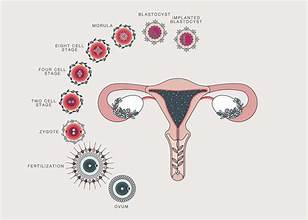
    One of the most common reasons for a 2-day period is early pregnancy. Bleeding in early pregnancy can often be mistaken for a regular period. This type of bleeding, known as implantation bleeding, tends to be lighter in color, ranging from pink to dark brown. It’s crucial to note that not all pregnant women experience this, and other symptoms of early pregnancy should also be considered.

    Miscarriage: An Underlying Cause

    Miscarriage is another significant cause of short-term bleeding. Often, women experience this type of bleeding along with abdominal pain and cramps. Miscarriage-related bleeding can be accompanied by back pain and discomfort in the pelvic area. Recognizing these symptoms early on is crucial for appropriate medical care.

    The Impact of Breastfeeding

    Post-delivery, women who breastfeed may experience a delay in the return of regular menstrual cycles. In many cases, periods do not resume for up to six months postpartum. Once menstruation returns, the initial cycles can be irregular and shorter than usual.

    Stress and Its Effects on Menstruation

    Excessive stress can have a profound impact on a woman’s menstrual cycle. High stress levels can lead to hormonal imbalances, which in turn can cause periods to be shorter and less regular. Addressing stress and mental health is crucial in maintaining regular menstrual cycles.

    Birth Control Pills and Menstrual Cycle Changes

    The use of birth control pills is another common reason for experiencing only 2-day periods. These pills work by thinning the lining of the uterus, which can lead to shorter and lighter periods. It’s important for women to understand how their choice of contraception can affect their menstrual cycle.

    When to Seek Medical Advice

    If short menstrual cycles become a regular occurrence, it is advisable to seek medical attention. Consistently having periods that last only 2 days, especially if accompanied by other symptoms, can indicate health issues that may require treatment.


  • Explore Romantic Destinations in Noida for an Unforgettable Valentine’s Week

    Explore Romantic Destinations in Noida for an Unforgettable Valentine’s Week

    Valentine’s Week stands as the pinnacle of celebration for lovers, couples, and those deeply entwined in relationships. Globally, people eagerly make reservations in restaurants and cafes, seeking to amplify their love and create lasting memories. As you plan to immerse yourself in the joy of this week, discover the enchanting locales in Noida that promise the perfect backdrop for romance.

    DLF Mall Of India: A Shopper’s Paradise

    Dive into a world of romance amidst retail therapy at DLF Mall of India, one of the largest shopping centers in Noida. This expansive mall offers more than just a shopping experience; it’s a complete package of entertainment and indulgence. From diverse culinary delights to top-notch clothing brands, cutting-edge gadgets, and a captivating game zone, DLF Mall ensures an unforgettable day. Moreover, the presence of a spa allows you to pamper yourselves, adding an extra layer of relaxation to your celebration.

    The Grand Venice Mall: Venetian Splendor in Noida

    Step into the romantic allure of Venice at The Grand Venice Mall, a splendid destination for spending quality time on Valentine’s Day. Immerse yourself in the Venetian-themed ambiance, creating a perfect setting for couples to unwind. Capture precious moments in this picturesque environment, indulge in shopping extravaganzas, and savor delectable meals at luxurious restaurants and cafes. The mall also offers various entertainment options, including a movie theater and a game zone, enhancing your overall experience.

    Garden Of Five Senses: A Hidden Romantic Gem

    Amidst the hustle of high-end cafes and restaurants, Garden of Five Senses emerges as an underrated yet romantic haven in Noida. This charming place stimulates all five senses – sight, sound, touch, smell, and taste. Immerse yourself in the beauty of its nurseries, take a leisurely stroll on the bamboo span, indulge in the melodic fountain, and explore the diverse culinary offerings at the food court. Escape the mainstream and discover the understated charm of Garden of Five Senses with your beloved.

    Worlds Of Wonder: A Thrilling Valentine’s Adventure

    For couples seeking an adventurous Valentine’s Day experience, Worlds of Wonder is the ultimate destination. Packed with thrilling rides and attractions, this amusement park provides an adrenaline-pumping celebration for you and your partner. From exciting water slides to delightful culinary options in the food court, Worlds of Wonder ensures an action-packed and deliciously entertaining Valentine’s Day celebration.

  • Explore the Charms of Celebrating Valentine’s Day in Goa on a Budget

    Explore the Charms of Celebrating Valentine’s Day in Goa on a Budget

    Valentine’s Day: Thinking about planning a Valentine’s Day getaway with your friends or life partner in Goa? Well, you’re in luck! Now, you can explore the vibrant beauty of Goa even on a tight budget. The Indian Railway Catering and Tourism Corporation (IRCTC) is offering budget-friendly Goa travel packages. Let’s delve into the details.

    Package Pricing

    IRCTC has introduced a 5-day and 4-night tour package for Goa, which includes flights to and from Goa. If you’re interested in this package, you’ll need to pay ₹51,000 per person for flight, accommodation, and local transportation. For a group of two, the cost per person is ₹42,500, and for a trio, it’s ₹30,500 per person.

    Government Employees Can Reap Benefits

    Government employees can make the most of their LTC (Leave Travel Concession) and Earned Leave Travel Allowance (ELTA) by availing themselves of the IRCTC LTC tour package. All the necessary information can be found on the official IRCTC website. During the Goa tour, you can explore attractions like the Miramar Beach in South Goa, an evening cruise on the Mandovi River, Baga Beach, Candolim Beach, Sinquerim Beach, Snow Park, and the Basilica of Bom Jesus.

    Enjoy Water Activities

    Known for its vibrant nightlife, water sports, seafood, and pubs, North Goa’s coastline along the Arabian Sea is famous both nationally and internationally. With the Arabian Sea in proximity, Goa stands out as one of the most popular small states. There are numerous restaurants in Goa where you can relish delicious seafood and experience local cuisine. Witnessing a breathtaking sunset during a romantic evening can be a memorable experience. Goa is a popular destination for water activities, and there are several hotspots for parasailing, jet-skiing, windsurfing, and more.

  • Unraveling the Enigma of Cervical Cancer: A Deep Dive into the Silent Menace

    Unraveling the Enigma of Cervical Cancer: A Deep Dive into the Silent Menace

    In a tragic turn of events, the demise of actor-model Poonam Pandey due to cervical cancer, just a day after the government’s push in its Budget to vaccinate girls in the 9-14 age group, has cast a somber light on this silent and deadly disease that claims many lives.

    The Silent Battle: Cervical Cancer and the Struggle for Early Detection

    Poonam Pandey, renowned for her role in the 2013 movie ‘Nasha,’ faced a late-stage diagnosis of cervical cancer, as disclosed by her manager. The challenging aspect of early detection stands as a critical contributor to the alarming death rates associated with this disease in India.

    “Cervical cancer often eludes detection in its initial stages, leading to delayed diagnoses and unfavorable outcomes, rendering it particularly lethal,” Dr. Raj Vardhan, OSD Chairman at Noida International Institute of Medical Sciences and Hospital, emphasized to IndiaToday.in.

    Understanding Cervical Cancer and HPV: A Closer Look

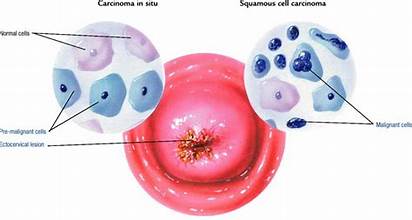
    In simple terms, cervical cancer, primarily transmitted through sexual intercourse, targets the cells lining the cervix—the lower part of the uterus connected to the vagina.

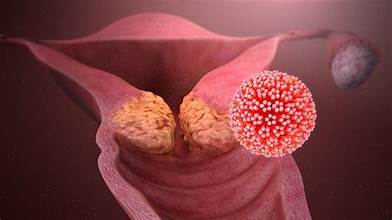
    The human papillomavirus (HPV) emerges as the primary culprit behind cervical cancer. This virus, easily transmitted during sexual activity, often exhibits no symptoms. Detecting the infection becomes challenging as symptoms may take years to manifest after exposure to an individual carrying an HPV infection.

    The Alarming Cervical Cancer Scenario in India

    Following breast cancer, cervical cancer stands as the second-most prevalent malignancy among Indian women, impacting those in their middle-aged years. In 2022, India witnessed 1,23,907 cervical cancer cases, resulting in 77,348 deaths.

    To put this in perspective, one in every five cervical cancer cases worldwide was reported in India. The nation holds the highest burden of cervical cancer in Asia, with China following closely behind, according to a Lancet study. Shockingly, India contributed to 21% of the global cervical cancer cases reported in 2022.

    The Puzzling Challenge of Cervical Cancer Detection

    Dr. Vandana Jain, Head of Gynaecology, Surgical Oncology at Rajiv Gandhi Cancer Institute & Research Centre (RGCIRC), shed light on the challenging 10–15 year span between HPV infection and cancer development.

    “While 80-90% of sexually active women may carry the HPV virus, the immune system typically clears it within two to three years. However, persistent infections, particularly with high-risk strains like HPV 16 and 18, can escalate into cervical cancer,” explained Dr. Jain.

    Experts point out that cultural stigma remains attached to cervical cancer in India, resulting in many women avoiding screenings. In rural areas with limited access to screening and treatment, the burden of cervical cancer is exacerbated by inadequate healthcare infrastructure, cultural taboos, and a lack of awareness.

    Addressing the Imperative: HPV Vaccination Coverage and Public Awareness

    Despite welcoming the government’s initiative to offer free vaccinations for girls aged nine to 14, experts stress the need for enhanced screening accessibility and public awareness about the disease.

    “Although vaccination doesn’t guarantee complete protection, it plays a vital role in reducing the burden of cervical cancer in the country,” stated Dr. Jain.

    Dr. Ishwar Gilada, an infectious disease specialist and president of the AIDS Society of India, highlighted the poor coverage of HPV vaccination in India.

    “Merely 1% of the eligible female population receives vaccination, primarily due to the dominance of imported HPV vaccines and the monopoly of certain pharmaceutical giants,” Dr. Gilada expressed.

  • Unveiling the Hidden Dangers: Excessive Salt Consumption and its Link to Cancer

    Unveiling the Hidden Dangers: Excessive Salt Consumption and its Link to Cancer

    Introduction

    In the pursuit of a healthy lifestyle, one often underestimates the impact of dietary choices on overall well-being. Recent studies have shed light on a concerning correlation between elevated salt intake and an increased risk of cancer. Specialists in the field of oncology caution that a surplus of salt in the diet contributes to the production of chemicals that can potentially foster the development of cancerous cells. Let’s delve into the intricacies of this alarming connection.

    The Chemical Culprits

    Experts posit that an overindulgence in salt leads to the generation of compounds within the body that can pose a heightened threat to organs like the liver and intestines. These substances, identified as microplastics, have been pinpointed as potential cancer catalysts. Research has uncovered the presence of cancer-inducing microplastics in table salt, accentuating the risks associated with its consumption.

    Microplastics in Table Salt

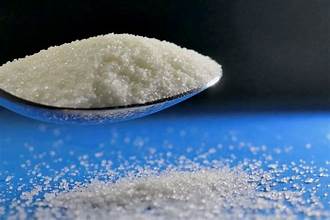
    A groundbreaking study has revealed that table salt contains microplastics, which are minuscule plastic particles capable of inducing cancer. The ubiquitous use of table salt worldwide makes this revelation particularly concerning. While it is a staple in nearly every household, the findings suggest that table salt may not be as innocuous as once thought.

    The Indonesian Revelation

    Researchers from Andalas University in Indonesia have asserted that every kilogram of table salt harbors approximately 33 microplastics. The microscopic nature of these particles means they can infiltrate the human body, potentially leading to the development of cancers and cardiovascular diseases. This startling claim is based on an extensive analysis of 21 different brands of table salt.

    Plastic Fibers: A Silent Threat

    During the research process, scientists meticulously extracted tiny fragments of plastic fibers found in the sampled table salt. These plastic fibers, when ingested, can pose severe risks to the human body. The revelation of plastic contamination in a seemingly harmless kitchen staple raises crucial questions about the safety of our dietary choices.

    The Origins of Fiber Contamination

    The presence of plastic fibers in table salt can be attributed to the contamination of seawater. Microplastics, carbon-based substances, and sand particles from ocean water find their way into salt during the production process. This contamination underscores the need for a closer examination of our salt sources and production methods.

    Rethinking Dietary Habits

    As awareness grows about the potential dangers lurking within our daily diets, it becomes imperative to reconsider our reliance on table salt. Choosing alternative sources of seasoning that are free from microplastics may be a prudent step towards safeguarding our health. Additionally, advocating for more stringent quality control measures in salt production can contribute to minimizing the risks associated with its consumption.

  • Unveiling the Gravity of Cervical Cancer Among Women in India

    Unveiling the Gravity of Cervical Cancer Among Women in India

    Understanding the Numbers

    Cervical cancer has claimed the life of the renowned model and actress, Poonam Pandey. Following her demise, discussions about cervical cancer have flooded social media platforms. However, a considerable number of individuals remain unaware of the intricacies surrounding this disease. Today, we delve into the seriousness of cervical cancer for women and shed light on the statistics of cervical cancer patients in India.

    The Statistics Speak Volumes

    Cervical cancer is a globally severe illness, with a rapid increase in patients in India. According to recent statistics, in just 2022, India reported 123,907 cases of cervical cancer. Shockingly, 77,348 women succumbed to this disease. Every fifth cervical cancer patient worldwide hails from India, making it the country with the highest number of affected women in Asia. China ranks second after India, as per a Lancet study. Moreover, out of the total 604,127 global cervical cancer cases in 2022, approximately 21% were recorded in India.

    Unraveling the Root Causes

    In simpler terms, cervical cancer primarily spreads through sexual intercourse. This disease affects the upper cells of the cervix, the lower part of the uterus, directly connected to the vagina. The greatest risk arises through sexual intercourse due to this anatomical proximity. HPV (Human Papillomavirus) is the culprit responsible for cervical cancer. This virus easily transfers from one person to another during sexual encounters, subsequently gradually spreading.

    The Second Most Dangerous Disease for Women

    Once infected with the virus, it takes several years for cancer symptoms to manifest. This delayed onset makes it challenging for individuals to pinpoint the exact time of infection. Following breast cancer, cervical cancer stands as the second most perilous disease among Indian women, predominantly affecting those between the ages of 40 and 60. However, there is a glimmer of hope as the government has announced the introduction of free cervical cancer vaccines in its budget.

    Promoting Awareness and Prevention

    Importance of Regular Check-ups

    Regular health check-ups and screenings play a pivotal role in the early detection of cervical cancer. Women, especially those in the at-risk age group, should prioritize routine check-ups to identify any potential signs at an early stage. Early detection significantly enhances the chances of successful treatment and recovery.

    Embracing Vaccination

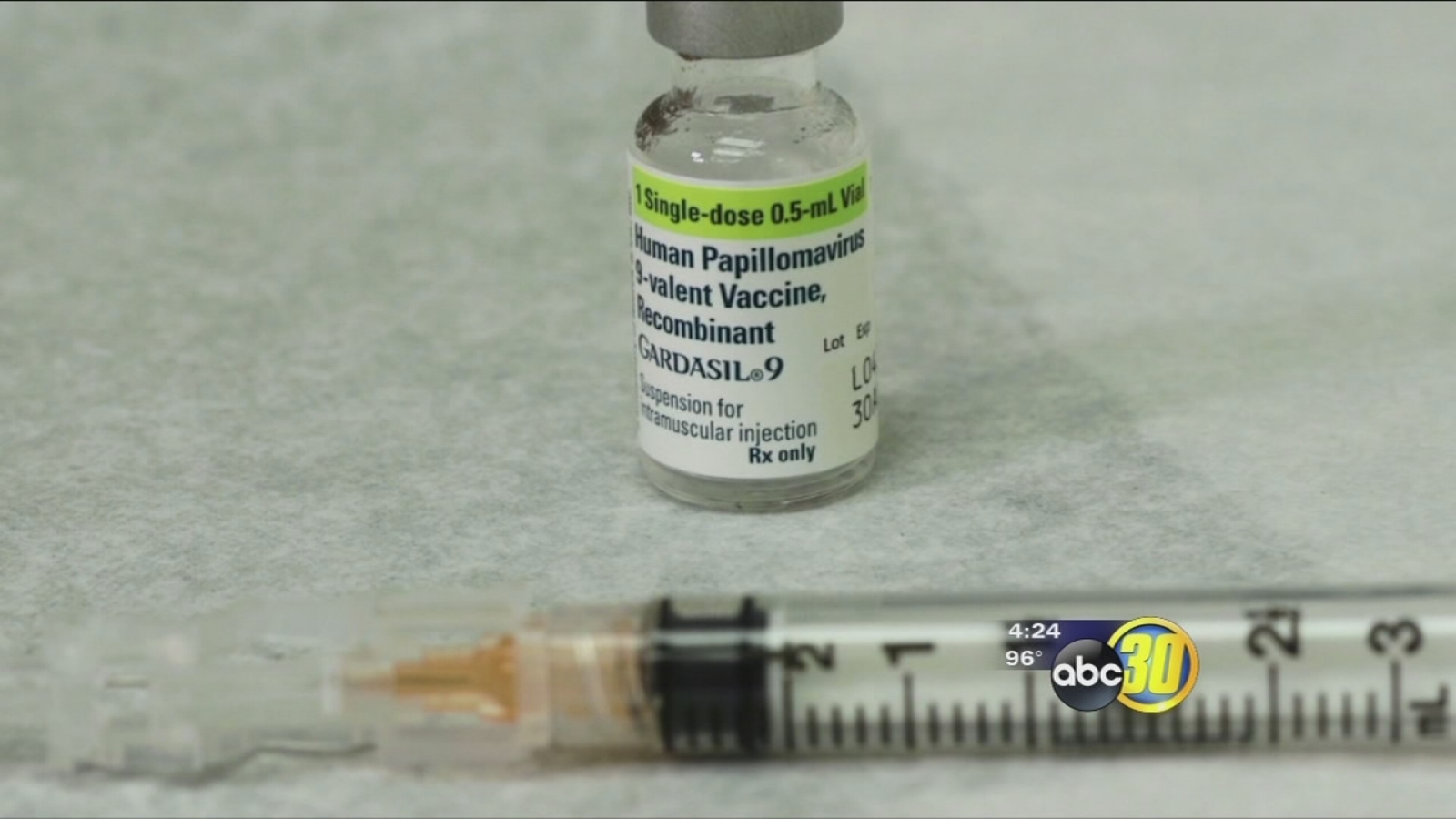
    The government’s initiative to introduce free cervical cancer vaccines is a significant step toward preventing the spread of this deadly disease. Vaccination can act as a shield, providing immunity against the HPV virus and reducing the risk of cervical cancer. Women should take advantage of these vaccination programs to safeguard their health.

    Spreading Knowledge and Awareness

    Educating women about the risks, symptoms, and preventive measures of cervical cancer is crucial. Awareness campaigns, both online and offline, can empower women with the knowledge needed to make informed decisions about their health. Collaborative efforts from healthcare professionals, government bodies, and non-profit organizations can contribute to a significant reduction in cervical cancer cases.

  • Unveiling the Secrets of Microwaving: Is it Beneficial or Harmful?

    Unveiling the Secrets of Microwaving: Is it Beneficial or Harmful?

    Exploring the Working Mechanism of Microwaves

    Microwaving is a common practice in many households, but the debate around its impact on nutritional value persists. Understanding how food gets heated in a microwave is crucial before delving into the pros and cons.

    How Microwaves Operate

    Microwaving involves the use of microwave radiation to heat food. During this process, water, protein, and fat within the food act as a sort of magnet for the microwave waves. These waves vibrate upon coming into contact with the microwave radiation, generating heat inside the food, ultimately warming or cooking it.

    An intriguing aspect of this process is the “Out-to-In” mechanism, where the outer one and a half inches of the food get heated first. Once this outer layer warms up, the heat progresses towards the center, ensuring the entire dish is thoroughly heated. It’s noteworthy that the amount of water in the food influences the cooking time, with more water leading to faster cooking and vice versa.

    Is Microwaving Food Detrimental?

    Compared to gas stoves, microwaves expedite the cooking process, affecting the nutritional elements of the food less. However, not all nutrients respond the same way; for instance, vitamin B12 is sensitive to heat and may be lost during microwaving. Despite this, microwave cooking retains more nutrients compared to other methods.

    Contrary to concerns, research suggests that microwaving eliminates bacteria within 2-4 minutes, enhancing the safety of the prepared food. Nonetheless, improper cooking in the microwave can potentially lead to infections. Therefore, the use of microwaves comes with both advantages and disadvantages.

    Striking a Balance

    While it’s true that microwaving efficiently preserves nutrients, it is essential to acknowledge the dual nature of this kitchen appliance. The fast-paced world of today has embraced microwaving for its convenience and time-saving benefits. However, it is crucial to use it mindfully to strike a balance between efficiency and the preservation of nutritional value.

  • Mastering the Art of Proposing: A Guide for a Successful Valentine’s Day Proposal

    Mastering the Art of Proposing: A Guide for a Successful Valentine’s Day Proposal

    Valentine’s Week, and specifically the second day, celebrated on 8th February, is known as Propose Day. If you’re planning to propose to your special someone on this day, there are certain considerations to keep in mind.

    Understanding the Cultural Context

    Before proposing to any girl, it’s crucial to acknowledge that you are proposing to an Indian girl. Regardless of how modern she may be, her heart remains rooted in Indian values. Rushing through the proposal is not advisable; patience is key.

    Get to Know Her Preferences

    Prior to proposing, take the time to understand her likes and dislikes. Once you have this knowledge, propose to her in a manner that resonates with her favorite ways.

    Convey Genuine Interest

    Make the person you want to propose to feel that you have a genuine interest in her and her family. Demonstrating your curiosity about her and her family adds a personal touch to the proposal.

    Ensure She’s Open to Love

    Before proposing to any girl, ensure that she is not already in love with someone else. Respect her feelings and be considerate of her emotional state.

    Building Connections

    Foster friendships with your partner’s friends and, as much as possible, make an effort to get to know your partner. When you decide to propose, keep it a private and intimate affair, avoiding involving third parties.

    The Art of Timing

    Choosing the right moment is essential when proposing. Assess the mood and atmosphere, ensuring it aligns with the romantic sentiment you want to create. A well-timed proposal can enhance the overall experience.

    Thoughtful Gestures

    Incorporate thoughtful gestures into your proposal. This could include memories of your time together, shared interests, or significant moments in your relationship. Personalizing the proposal makes it more memorable.

    Crafting Your Proposal

    Craft your proposal with sincerity and creativity. Tailor it to your partner’s personality and preferences. Whether it’s a grand romantic gesture or a simple heartfelt moment, make it uniquely yours.

    Respect and Consent

    Lastly, always prioritize respect and consent in your proposal. Ensure that your partner feels comfortable and is ready for this next step in your relationship. Avoid any actions that might make her feel pressured.

  • Effective Home Remedies for Lowering LDL Cholesterol Levels

    Effective Home Remedies for Lowering LDL Cholesterol Levels

    In the pursuit of a healthy lifestyle, maintaining optimal cholesterol levels is crucial. High levels of LDL cholesterol, commonly known as “bad” cholesterol, can lead to various health issues. While medication is a viable option, natural remedies provide a proactive approach to control cholesterol levels. Let’s explore effective home remedies that not only combat elevated cholesterol but also contribute to overall well-being.

    Curry Leaves: A Natural Antioxidant Powerhouse

    Usage Method:

    Incorporating curry leaves into your daily routine can significantly reduce cholesterol levels. With its abundance of antioxidants, curry leaves promote the production of good cholesterol, essential for the body’s cellular and hormonal functions.

    Recommended Approach:

    Consume 8-10 curry leaves daily by incorporating them into your cooking or extract their juice. However, it’s advisable to consult with a healthcare professional before making significant dietary changes.

    Coriander Leaves: Beyond Culinary Delight

    Usage Method:

    Coriander leaves, a common kitchen ingredient, offer more than just flavor enhancement. Regular consumption aids in addressing high cholesterol issues, promoting a healthier lipid profile.

    Recommended Approach:

    Include coriander leaves in your diet by adding them to salads or preparing a chutney. This simple addition can contribute to the normalization of high cholesterol levels.

    Jamun (Indian Blackberry) Leaves: Nature’s Cholesterol Fighter

    Usage Method:

    Jamun leaves stand out as a natural remedy for reducing cholesterol levels. Packed with antioxidants and anthocyanins, these leaves actively work to decrease fat accumulation in blood vessels.

    Recommended Approach:

    Incorporate jamun leaves into your routine by consuming them in powdered form or brewing them into a tea or decoction. Regular intake, 1-2 times a day, can be beneficial for cholesterol management.

    Fenugreek Leaves: Medicinal Properties for Cholesterol Control

    Usage Method:

    Studies reveal that fenugreek leaves possess medicinal properties effective in maintaining healthy levels of cholesterol and triglycerides. Including fenugreek leaves in your diet can contribute to a positive impact on your lipid profile.

    Recommended Approach:

    Integrate fenugreek leaves into your meals as a regular vegetable. This simple addition can aid in normalizing cholesterol levels and supporting overall cardiovascular health.

    Holy Basil (Tulsi) Leaves: Stress Reduction for Cholesterol Management

    Usage Method:

    Tulsi leaves have proven beneficial in normalizing cholesterol levels by reducing metabolic stress. The compounds present in holy basil actively contribute to weight and cholesterol management.

    Recommended Approach:

    Kickstart your day by consuming tulsi leaves on an empty stomach. Prioritize washing 5-6 leaves thoroughly before consumption for optimal results.

  • Unveiling the Shield: The Optimal Age for Cervical Cancer Vaccination

    Unveiling the Shield: The Optimal Age for Cervical Cancer Vaccination

    Cervical cancer, a perilous disease prevalent among women, claims numerous lives every year. Recognizing the severity of this issue, the Indian government is actively endorsing the Cervical Cancer Vaccine. Nevertheless, the lack of awareness surrounding cervical cancer and its vaccine persists in the country.

    The Unseen Menace: What is Cervical Cancer?

    According to experts, cervical cancer occurs when cells in the cervix, a part of the uterus, begin to grow uncontrollably. The primary culprit behind this cancer is the Human Papillomavirus (HPV). This virus spreads through vaginal, anal, and oral sex, posing a higher risk for women engaging in unprotected sexual activities or having multiple partners. Women with weakened immunity are more susceptible to this cancer. However, timely HPV vaccination can significantly reduce the risk of cervical cancer.

    Ideal Age for Cervical Cancer Vaccination

    Gynecologists emphasize that the most significant benefit of getting vaccinated against cervical cancer lies in the age range of 9 to 14 years. However, the vaccine can be administered up to the age of 26. It implies that the vaccine should be administered before becoming sexually active. The question arises: should one not get vaccinated after the age of 26? Experts suggest that even beyond this age, individuals can still opt for the vaccine, offering protection against various strains of the HPV virus. Nevertheless, for optimal results, it is advisable to get vaccinated between the ages of 9 and 14.

    Where Can You Get Cervical Cancer Vaccination?

    Cervical cancer vaccination is available at hospitals, with the current cost ranging from ₹2,000 to ₹5,000. However, the Serum Institute of India is gearing up to launch its cervical cancer vaccine, priced at a mere ₹400 per dose, significantly reducing the financial burden on individuals.