Category: health-lifestyle

  • Exploring India’s Hidden Gems: Affordable and Stunning Destinations for the Budget Traveler

    Exploring India’s Hidden Gems: Affordable and Stunning Destinations for the Budget Traveler

    India, a land of diverse landscapes and rich cultures, offers an array of destinations that promise an unforgettable experience without burning a hole in your pocket. Whether you are planning a getaway or contemplating a budget-friendly journey, India’s plethora of economical yet beautiful travel spots beckons. Here, we explore some of these hidden gems, where you can immerse in the beauty of India for less than 5,000 rupees.

    Himachal Pradesh: A Haven for Mountain Lovers

    Nestled in the northern part of India, Himachal Pradesh is a paradise for those who are enchanted by the mountains. One of the jewels in its crown is Kasol. Located in the Parvati Valley and just 40 kilometers from Kullu, Kasol is accessible by a Volvo bus service priced around 1,000 rupees. This destination is not just pocket-friendly but also a haven for trekkers and nature enthusiasts. Accommodations in Kasol are a bargain, with hotels offering rooms starting from 500 rupees. You’ll also find a variety of budget-friendly dining options that don’t compromise on quality or taste.

    Uttarakhand: Lansdowne’s Serene Escape

    Another treasure is Lansdowne, situated in the heart of the Garhwal hills in Uttarakhand. A mere 250 kilometers from Delhi, it’s a perfect retreat from the hustle and bustle of city life. Lansdowne is not only known for its tranquil beauty but also for its historical significance, being home to the Garhwal Rifles Regiment of the Indian Army. Affordable accommodation options abound, with comfortable hotel rooms available between 700 to 800 rupees.

    Madhya Pradesh: The Pristine Pachmarhi Hill Station

    In the heart of India, Madhya Pradesh’s Pachmarhi Hill Station offers an experience that is both enriching and economical. Located in the Hoshangabad district, this hill station is part of the Pachmarhi Biosphere Reserve. Rich in historical monuments, waterfalls, natural areas, caves, and wildlife, Pachmarhi is a must

    -visit for those who love to explore nature’s wonders. Remarkably budget-friendly, the hill station provides lodging options starting from 500 rupees per night. Additionally, Pachmarhi offers affordable dining choices that cater to a variety of tastes and preferences. For those interested in exploring the area extensively, jeep rentals are available at around 1,200 rupees, offering a convenient way to soak in the scenic beauty of this unique destination.

    Himachal Pradesh: McLeod Ganj – A Blend of Nature and Culture

    Apart from Kasol, Himachal Pradesh is home to McLeod Ganj, a serene hill station near Dharamshala. This destination is a magnet for trekkers and culture enthusiasts alike. Here, one can experience the rich Tibetan culture, evident in its vibrant monasteries and temples. The most notable among these are the Namgyal Monastery and Tsuglagkhang, which stand as important cultural landmarks. McLeod Ganj not only offers a spiritual retreat but also presents visitors with affordable accommodation and dining options, making it an ideal destination for budget travelers.

    Maximizing Your Travel Experience in India

    When traveling to these budget-friendly destinations in India, there are a few tips to enhance your experience:

    1. Plan Your Travel: Research and plan your journey in advance. Booking transportation and accommodations ahead of time can often secure better deals.
    2. Local Cuisine: Don’t miss out on the local cuisine, which is not only pocket-friendly but also a gateway to understanding the regional culture.
    3. Explore Public Transport: Utilize local public transport for an authentic and economical travel experience.
    4. Travel Off-Season: Consider traveling during the off-season to avoid crowds and enjoy lower prices.
    5. Embrace Local Experiences: Engage with locals and explore offbeat paths to uncover the true essence of these destinations.

  • Unlocking the Secrets of Bay Leaves: A Natural Path to Enhanced Health and Wellness

    Unlocking the Secrets of Bay Leaves: A Natural Path to Enhanced Health and Wellness

    Bay Leaves: In the realm of natural remedies, bay leaves stand out as a common yet extraordinarily beneficial herb that can be easily found in most kitchens. Far from being just a culinary ingredient, bay leaves offer a plethora of health benefits, making them an invaluable addition to our daily diet. Are you aware of how beneficial this herb, often used as a spice, can be for your health? Drinking water boiled with bay leaves first thing in the morning can bring you a range of amazing health benefits. This is not just a traditional remedy but a health-enhancing process supported by scientific research.

    Bay Leaf Infused Water for Weight Loss and Enhanced Immunity

    One of the most notable advantages of drinking water infused with bay leaves is its aid in weight loss. The antioxidants present in bay leaves boost the body’s immune system. Consuming this water in the morning keeps the digestive system in check and helps regulate blood pressure. Let’s delve into how to prepare bay leaf water and explore its myriad benefits.

    Preparing Bay Leaf Water

    To begin with, take a few fresh bay leaves. Wash these leaves thoroughly. Boil a glass of water and add the bay leaves to it. Let them boil in the water for about 5 to 10 minutes. Afterward, turn off the heat and let the water cool down a bit. Strain this water into a cup and it’s ready to be consumed warm. You can add a bit of ginger or lemon juice for added flavor and benefits.

    Exploring the Benefits of Bay Leaf Water

    Bay leaf water aids in the weight loss process by reducing appetite and helping in body detoxification. It is rich in antioxidants, which enhance the body’s immune response. Antioxidants combat harmful elements known as free radicals, which are responsible for various diseases. The antioxidants in bay leaf water also protect our cells from damage.

    Additionally, it addresses gastrointestinal issues such as constipation and indigestion. It brings energy to the body and alleviates fatigue. Bay leaf water can also assist in controlling blood pressure.

    Bay leaves are a rich source of Vitamin C, essential for overall health. This vitamin plays a crucial role in combating lung and heart diseases.

  • Exploring the Rich Symbolism in Hindu Wedding Traditions: The Significance of the Bridal Rice Ritual

    Exploring the Rich Symbolism in Hindu Wedding Traditions: The Significance of the Bridal Rice Ritual

    In the vibrant and diverse tapestry of Hindu culture, weddings are not just celebrations of love and union but also a deep reservoir of ancient traditions and rituals, each imbued with profound meaning and symbolism. Among these myriad customs, one that stands out for its unique blend of spirituality, tradition, and familial bonds is the practice of the bride scattering grains of rice during her farewell or ‘Vidaai’ ceremony. This ritual, deeply rooted in the ethos of Hindu weddings, carries layers of significance and cultural nuances.

    The Essence of the Rice Scattering Ritual

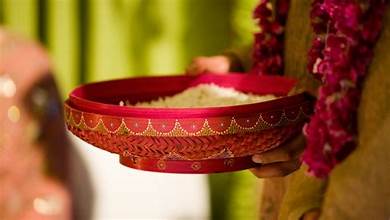
    At the heart of a Hindu wedding, amidst the sounds of sacred chants and the colorful setting, is the ritual where the bride, while leaving her parental home, scatters rice or paddy grains. This act, though simple in its execution, is laden with deep spiritual and symbolic significance. The ritual symbolizes the bride’s role as a nurturer and her connection to prosperity and abundance.

    The Bride as a Symbol of Prosperity and Fertility

    In Hindu culture, the bride is often compared to Goddess Lakshmi, the deity of wealth and prosperity, and Goddess Annapurna, the goddess of food and nourishment. By scattering rice, a staple food symbolizing sustenance and abundance, the bride is seen as bestowing prosperity and fertility upon her parental home. This act is a poignant reminder of the cycle of life and the continuous flow of blessings and abundance.

    Cultural Variations and Historical Roots

    The practice of scattering rice has its roots in various regional traditions within Hindu culture, with each region adding its unique flavor to the ritual. For instance, in the Nimar region, the tradition holds great significance and has been followed for generations. The rice or paddy grains, touched and scattered by the bride, are collected and preserved by the mother, signifying the retention of prosperity and wealth within the family.

    Key Considerations During the Ceremony

    Astrological and temporal factors play a significant role in the execution of this ritual. Renowned priests and scholars, like Pandit Shailendra Mukhiya, emphasize the importance of conducting the farewell ceremony at an auspicious time. Avoiding periods like ‘Rahu Kaal’ and paying heed to ‘Choghadiya’, an ancient Hindu Vedic time division system, ensures that the ritual is performed at a time that is most conducive to bringing happiness, prosperity, and good fortune to the bride and her family.

    Beyond Rituals: The Broader Implications

    This rice scattering ritual is not just a mere custom; it represents a deep connection with the Earth, acknowledgment of life’s cyclical nature, and respect for the role of women as carriers of prosperity and wellbeing. As modern society evolves, these age-old traditions continue to serve as a bridge connecting the past with the present, reminding us of the enduring power of our cultural heritage.

  • Maharana Pratap: The Eternal Legend of Mewar’s Valiant King

    Maharana Pratap: The Eternal Legend of Mewar’s Valiant King

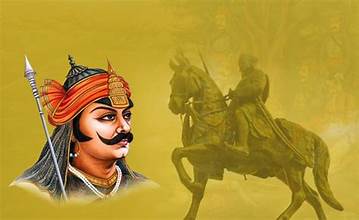
    Maharana Pratap, a name synonymous with unwavering valor and indomitable spirit, continues to be an emblematic figure in Indian history. His reign as the King of Mewar, a period extending from 1572 to 1597, is etched in history as an era of fierce defiance and poignant tragedy. Even centuries after his demise on January 19, 1597, Maharana Pratap’s legend, particularly his role in the iconic Battle of Haldighati, resonates in the hearts of many.

    Early Life and Ascension to Power

    Born into Rajput royalty in 1540 at the majestic Kumbhalgarh fortress in Rajasthan, Pratap was meticulously groomed for leadership and combat under the watchful eye of his mother, Maharani Jaivanta Bai. Succeeding his father, Uday Singh II, at the age of 32, he was immediately confronted with a colossal challenge – the expansionist aspirations of the Mughal Empire, under the rule of Emperor Akbar.

    The Battle of Haldighati: A Testament to Courage

    The year 1576 marked a significant chapter in Maharana Pratap’s reign with the fierce Battle of Haldighati. Despite being heavily outnumbered, Maharana Pratap and his valiant Mewar army engaged in a ferocious conflict against the Mughals in the daunting terrains of a mountain pass. Although the Mughals, led by Akbar, claimed a tactical victory, they fell short of capturing Pratap, who, aided by his legendary steed Chetak, managed a daring escape, embodying the essence of resilience and tenacity.

    Maharana Pratap and Chetak: A Legendary Bond

    The story of Maharana Pratap is incomplete without mentioning his faithful horse, Chetak. In the heat of the Battle of Haldighati, a critical moment came when Chetak, despite suffering a grave injury caused by the tusks of an enemy elephant, heroically carried the injured Maharana away from the battlefield, ensuring his safety. This act of loyalty and bravery has been celebrated in countless folklores and songs, cementing Chetak’s place in history alongside his master.

    Reclamation and Resistance

    Post-Haldighati, while the symbolic heart of Mewar, Chittor, remained out of reach, Maharana Pratap managed to regain control over significant territories. His determination and refusal to bow to Mughal dominance stood as a beacon of resistance. His son, Amar Singh I, later negotiated a truce with the Mughals, symbolizing a blend of valiant resistance and pragmatic diplomacy.

    Legacy and Inspiration

    Maharana Pratap’s life and struggles have transcended time, becoming a source of inspiration for generations. His unwavering commitment to principles, his dedication to his land and people, and his refusal to accept subjugation have made him a symbol of resistance and heroism. Every year, on his death anniversary, people pay homage to this iconic figure through various cultural events and discussions, remembering and celebrating his extraordinary life and enduring legacy.

    Enduring Influence and Cultural Significance

    Maharana Pratap’s narrative continues to inspire those who cherish the values of courage, integrity, and patriotism. His life story, rich in lessons of bravery and resilience, is not just a chapter in history books but a source of motivation for individuals standing against oppression and fighting for their beliefs.

  • The Unspoken Risks of Dating a Married Man: A Comprehensive Guide

    The Unspoken Risks of Dating a Married Man: A Comprehensive Guide

    In the complex world of relationships, dating a married man is a topic often whispered about but rarely addressed openly. This sensitive subject, laden with moral and emotional implications, presents a labyrinth of challenges and consequences for those involved. Let’s delve into the various aspects and outcomes of such relationships, providing insight into the seldom-discussed side of romance and fidelity.

    1. The Challenge of Discretion in Public Spaces Engaging in a relationship with a married individual inherently involves a high level of secrecy and discretion. One of the most significant challenges you may face is the constant fear of being recognized in public. Meetings often occur in secluded areas like private hotel rooms, fostering a sense of guilt and apprehension. Moreover, the need for careful communication to avoid detection, such as timing phone calls to ensure they are not intercepted by a spouse, adds another layer of complexity to the relationship.

    2. The Inevitable Web of Lies Inevitably, dating a married man leads to a life partially shrouded in deception. The inability to publicly acknowledge the relationship compels you to fabricate stories and excuses to hide the truth, not only from society at large but often from close family and friends as well. This continuous act of lying can strain your emotional well-being and lead to a sense of isolation.

    3. Facing Accusations of Home-Wrecking Regardless of the circumstances of your relationship or who initiated it, societal perception often labels the ‘other woman’ as a home-wrecker. This stigma can bring about feelings of shame and guilt, potentially leading to psychological distress, such as depression. The burden of this accusation weighs heavily, impacting not just your personal life but also how you are perceived by others.

    4. Uncertainty About the Future A relationship with a married man is fraught with uncertainty. The future of such a relationship is often clouded with doubt, as it largely depends on significant and complex changes in the man’s marital status, such as divorce or separation. These changes are not only challenging to achieve but also carry their own set of emotional and legal complications.

    5. The Struggle to be a Priority No matter the depth of connection or happiness shared, becoming a priority in a married man’s life is an uphill battle. His commitments to his wife and children typically take precedence, often relegating your relationship to the background. The harsh reality is that, when push comes to shove, you might find yourself sidelined or completely excluded from his life.

  • Mastering Good Sleep Habits for Optimal Health and Wellbeing

    Mastering Good Sleep Habits for Optimal Health and Wellbeing

    Sleep is a crucial component of our daily lives, impacting our physical health, mental well-being, and overall quality of life. Understanding and implementing good sleep habits can significantly enhance our health and productivity. In this comprehensive guide, we delve into the essential aspects of cultivating effective sleep practices that align with your body’s natural rhythms and promote a restorative night’s sleep.

    Understanding Your Circadian Rhythm: The Key to Better Sleep

    Circadian Rhythm and Its Impact on Sleep Your circadian rhythm is an internal clock that regulates your sleep-wake cycle. Aligning your lifestyle with this natural rhythm is vital for achieving restful sleep.

    • Tips for Synchronizing with Your Circadian Rhythm:
      • Maintain a consistent sleep schedule, even on weekends.
      • Expose yourself to natural light during the day, especially in the morning.
      • Limit exposure to bright screens in the evening.

    Creating a Sleep-Inducing Bedroom Environment

    Designing a Restful Sleep Space The environment in which you sleep plays a significant role in the quality of your rest. Creating a tranquil and comfortable bedroom is essential.

    • Key Elements of a Sleep-Friendly Bedroom:
      • Ensure your room is dark, quiet, and cool.
      • Invest in a comfortable mattress and pillows.
      • Consider using soothing scents like lavender.

    The Role of Diet and Exercise in Promoting Good Sleep

    Nutritional Habits for Better Sleep What you eat and drink can greatly affect your sleep quality. Certain foods and beverages can either promote or hinder sleep.

    • Dietary Tips for Enhancing Sleep:
      • Avoid heavy meals, caffeine, and alcohol close to bedtime.
      • Include sleep-promoting foods in your diet, such as almonds, turkey, and chamomile tea.

    Exercise and Its Benefits on Sleep Regular physical activity can help you fall asleep faster and enjoy deeper sleep.

    • Exercise Guidelines for Improved Sleep:
      • Engage in regular, moderate exercise, but not too close to bedtime.
      • Yoga and light stretching in the evening can promote relaxation.

    Managing Stress for Better Sleep

    Stress Reduction Techniques High stress levels can interfere with your ability to fall asleep and stay asleep. Managing stress is crucial for good sleep hygiene.

    • Effective Stress-Management Strategies:
      • Practice relaxation techniques such as deep breathing or meditation.
      • Establish a relaxing bedtime routine to signal your body it’s time to wind down.

    Sleep Disorders: Recognition and Management

    Identifying and Addressing Sleep Disorders Sometimes, poor sleep can be a symptom of an underlying sleep disorder. Recognizing and addressing these is critical.

    • Common Sleep Disorders and Their Management:
      • Insomnia: Establish a regular sleep schedule and a calming bedtime routine.
      • Sleep Apnea: Seek medical advice and consider lifestyle changes or a CPAP machine.

    Technology and Sleep: Finding a Balance

    The Impact of Electronic Devices on Sleep The blue light emitted by screens can disrupt your circadian rhythm and impair sleep quality.

    • Balancing Technology for Better Sleep:
      • Limit screen time at least an hour before bed.
      • Use blue light filters on your devices in the evening.
  • Unlock the Secret to Lustrous Locks: The Ultimate Guide to Amla for Hair Health

    Unlock the Secret to Lustrous Locks: The Ultimate Guide to Amla for Hair Health

    In the realm of natural remedies for hair care, Amla, also known as Indian Gooseberry, stands out as a powerhouse of nutrients that can transform your hair from lackluster to radiant. This article delves into the various ways Amla benefits hair health and how you can incorporate it into your beauty routine.

    The Marvelous Benefits of Amla for Hair

    1. Stimulates Hair Growth

    Amla is rich in essential fatty acids and antioxidants, promoting a healthy scalp and encouraging hair growth. Regular use of Amla oil can strengthen hair follicles, reduce hair loss, and even prevent premature graying.

    2. Nourishes and Conditions

    The natural conditioning properties of Amla make it an excellent choice for soft and shiny hair. Whether used in oil form or as part of a hair mask, Amla deeply nourishes each strand, leaving your hair silky smooth.

    3. Dandruff Defense

    Say goodbye to pesky dandruff with the anti-fungal and anti-bacterial properties of Amla. It helps maintain a clean and healthy scalp, preventing dandruff and other scalp issues.

    4. Adds Shine and Texture

    Amla is renowned for its ability to enhance hair texture and impart a natural shine. Including Amla-based hair products in your routine can result in hair that not only looks healthier but feels incredible too.

    How to Use Amla for Maximum Benefits

    1. Amla Oil Massage

    Warm Amla oil and massage it into your scalp, allowing it to penetrate the roots. Leave it on for at least an hour before washing for deeply nourished and strengthened hair.

    2. Amla Hair Mask

    Create a hair mask by mixing Amla powder with yogurt or coconut oil. Apply this mixture to your hair, focusing on the roots and tips, and leave it on for 30 minutes before washing.

    3. Amla Supplements

    If you prefer a hassle-free option, Amla supplements are readily available. Consult with a healthcare professional to determine the right dosage for you.

  • Celebrating National Tourism Day: India’s Diverse and Captivating Tourist Destinations

    Celebrating National Tourism Day: India’s Diverse and Captivating Tourist Destinations

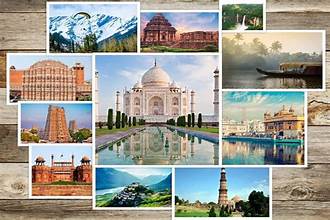
    National Tourism Day, observed annually on January 25, serves as a significant reminder of the vital role tourism plays in enhancing the economy and cultural landscape of a country. In India, this day is not just a celebration but a testament to the country’s rich heritage, diverse landscapes, and vibrant culture. With tourism contributing 9.2% to India’s GDP and accounting for 8.1% of employment, the importance of this sector cannot be overstated. India, known for its picturesque beauty ranging from the majestic Himalayas in the north to the serene beaches of the south, is a haven for tourists, both domestic and international.

    Agra: The Epitome of Love and Heritage

    Topping the list of India’s must-visit destinations is Agra, a city that resonates with history and romance. Home to the iconic Taj Mahal, Agra attracts millions of tourists annually, with a staggering 7 to 8 million visitors each year. The Taj Mahal, a symbol of love and one of the Seven Wonders of the World, is not the only attraction in this historic city. Agra also houses the magnificent Fatehpur Sikri, the grand tomb of Akbar, and the impressive Sikandra Fort, each narrating its own story of India’s rich past.

    Rajasthan: A Kaleidoscope of Culture and Art

    Rajasthan, known for its artistic and cultural heritage, stands as a formidable tourist destination. The state, particularly favored by tourists from France and the UK, offers a blend of history, culture, and majestic architecture. Cities like Jaipur, Jodhpur, Jaisalmer, Mount Abu, and Udaipur are not just popular among international travelers but also among Indians who wish to experience the regal splendor of their country. From the grandeur of its forts and palaces to the vibrant local markets, Rajasthan embodies the spirit of Indian tradition and history.

    Delhi: The Heart of India

    India’s capital, New Delhi, is a hub of historical and modern landmarks. The city is a perfect fusion of ancient history and contemporary life. Attractions like the Red Fort, India Gate, Humayun’s Tomb, Qutub Minar, and the Presidential Residence (Rashtrapati Bhavan) are not just architectural marvels but also serve as symbols of India’s rich history and diverse culture. These landmarks attract a substantial number of foreign tourists who are keen to explore the historical and political heart of India.

    Kashmir: A Paradise on Earth

    The mention of tourism in India is incomplete without the picturesque Kashmir. Often referred to as ‘Paradise on Earth’, Kashmir is a destination that has charmed both national and international visitors. The beauty of Gulmarg, the tranquility of Dal Lake, the enchantment of Pari Mahal, the serenity of Pahalgam, and the allure of Nagin Lake are just a few highlights of this heavenly region. The unparalleled beauty of Kashmir not only captivates the hearts of tourists but also provides a serene escape from the hustle and bustle of city life.

  • Exploring Delhi’s Hidden Gems: A Budget-Friendly Guide to National Tourism Day

    Exploring Delhi’s Hidden Gems: A Budget-Friendly Guide to National Tourism Day

    National Tourism Day, celebrated annually on January 25th, is not just a day to appreciate the beauty of travel destinations worldwide but also an opportunity to explore the mesmerizing and budget-friendly attractions within our own countries. In India, a nation brimming with cultural heritage and scenic beauty, there’s no better place to start than the capital city, Delhi. This article takes you through some of Delhi’s most beautiful and cost-effective destinations, perfect for those wanting to make the most out of their travel budget.

    Akshardham Temple: A Marvel of Spirituality and Architecture At the heart of Delhi’s spiritual landscape is the Akshardham Temple, a place not just famous in India but renowned globally. This architectural masterpiece, visited by tourists from all corners of the world, offers an enriching experience without the need for a hefty budget. Easily accessible via the Delhi Metro’s Blue Line, the temple not only presents an awe-inspiring sight but also hosts an enthralling light and sound show, making it a must-visit destination in Delhi.

    Lotus Temple: An Oasis of Peace For those seeking tranquility amidst the bustling city, the Lotus Temple is a sanctuary. Unique in its design and spiritual approach, this temple doesn’t house any deity. Instead, it offers a space for quiet reflection and worship, irrespective of religious affiliations. The serene environment of the Lotus Temple provides a peaceful retreat, ideal for those looking to escape the city’s chaos and find a moment of calm.

    National Rail Museum: A Journey Through Time Delhi’s National Rail Museum is a delightful stop, especially for families and children. This museum offers a glimpse into the history of Indian Railways, showcasing a variety of trains, from antique steam engines to modern toy trains. It’s a place where history comes alive, providing both educational and entertaining experiences for visitors of all ages.

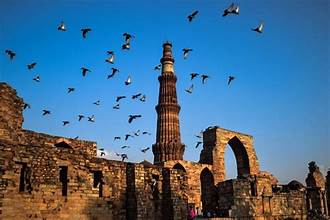
    Qutub Minar: A Historical Pillar of Pride Another gem in Delhi’s crown is the Qutub Minar. This UNESCO World Heritage Site attracts tourists from around the world, eager to see its historical magnificence. The iron pillar within its premises, known for its rust-resistant composition, is a marvel in itself. The Qutub Minar is not just a testament to India’s rich history but also an architectural wonder that speaks volumes of the country’s past.

  • Understanding Cervical Cancer: A Comprehensive Guide

    Understanding Cervical Cancer: A Comprehensive Guide

    Cervical cancer ranks as the second most common cancer affecting women worldwide, following breast cancer. This type of cancer, primarily affecting the cervix, is known as the cancer of the opening of the uterus. According to medical experts, factors such as weakened immunity, multiple sexual partners, poor genital hygiene, and early childbirth increase the risk of developing cervical cancer. Furthermore, lifestyle choices like smoking and excessive alcohol consumption also escalate the risk. The introduction of the HPV (Human Papillomavirus) vaccine has been a significant step in preventing cervical cancer. In India, there has been a noticeable increase in the number of cervical cancer cases. Early detection can significantly enhance the chances of successful treatment and survival.

    The Right Age for HPV Vaccination

    To prevent cervical cancer, it is essential to undergo regular screening tests. Girls as young as 9 should be examined by a gynecologist if they experience symptoms like abnormal bleeding or foul odor, which may indicate a genital infection, potentially leading to cancer if left untreated. The ideal age range for receiving the HPV vaccine is between 9 to 45 years. However, the most recommended age for vaccination is between 11 and 12 years. The vaccine is available in two forms: the quadrivalent vaccine, which protects against four strains of the virus, and the nonavalent vaccine, which covers nine strains. Girls under 15 require two doses of the vaccine, administered six months apart, while those aged 15 and older need three doses.

    Essential Tests for Women

    Excessive alcohol consumption and the use of birth control pills can also increase the risk of developing cervical cancer. Women are advised to undergo a Pap test every three years, an essential step in preventing cervical cancer. The Pap smear is a standard screening test for cervical cancer, recommended for all women and girls over the age of 21. Women over 30 are advised to have a Pap Duo test, which includes both a Pap smear and an HPV DNA test. Regular Pap smear screenings every three years are crucial in preventing cervical cancer, and increasing awareness about this is essential.

    Vaccination Guidelines

    The HPV vaccine is available to any girl or woman aged 9 to 45. However, the optimal time for vaccination is considered to be between 11 to 12 years. The vaccine is available as a quadrivalent vaccine, offering protection against four strains of the virus, and as a nonavalent vaccine, covering nine strains. Girls under 15 need two doses of the vaccine, administered with a six-month gap, while those aged 15 and older require three doses.

    The Importance of Early Detection

    Early detection of cervical cancer is vital. Regular health check-ups, awareness of the symptoms, and understanding the risk factors are crucial for early diagnosis and treatment. Women should be attentive to any changes in their menstrual cycle or any unusual symptoms and seek medical advice promptly.

    Lifestyle Choices and Cervical Cancer Risk

    Lifestyle choices significantly impact the risk of developing cervical cancer. Smoking and excessive alcohol consumption are known to increase this risk. Adopting a healthy lifestyle, including a balanced diet and regular exercise, can contribute to reducing the risk of cervical cancer.

    The Role of HPV in Cervical Cancer

    HPV is a major contributing factor in the development of cervical cancer. The virus is often transmitted through sexual contact, and most cases of cervical cancer are linked to HPV. The HPV vaccine plays a crucial role in preventing the infection and, consequently, reducing the risk of cervical cancer.