Category: health-lifestyle

  • गुड़ के अद्भुत स्वास्थ्य लाभ

    गुड़ के अद्भुत स्वास्थ्य लाभ

    गुड़ न केवल एक प्राकृतिक मिठास प्रदान करता है, बल्कि यह हमारे स्वास्थ्य के लिए अनेक लाभ भी प्रदान करता है। यह खाद्य पदार्थ परंपरागत भारतीय रसोईघरों में विशेष स्थान रखता है और इसके स्वास्थ्य लाभों की जानकारी से हम सभी को लाभान्वित होना चाहिए। क्योंकि जो लोग नियमित रूप से गुड़ का सेवन करते हैं। उनको रक्त संबंधित बीमारियां नहीं होती हैं। तो आइये जानते हैं गुड़ में क्या – क्या पोषक तत्व पाए जाते हैं और इसके सेवन से स्वास्थ्य को क्या लाभ होता है।

    गुड़ का पोषण मूल्य:

    गुड़ में विटामिन और खनिज जैसे आयरन, कैल्शियम, फॉस्फोरस, पोटैशियम और मैग्नीशियम प्रचुर मात्रा में होते हैं। इसके अलावा, इसमें एंटीऑक्सिडेंट्स और फाइबर भी पाए जाते हैं जो शरीर के लिए अत्यंत लाभदायक होते हैं।

    गुड़ के स्वास्थ्य लाभ:

    1. पाचन में सुधार:

    गुड़ पाचन क्रिया को सुदृढ़ करता है। यह पेट की गैस और एसिडिटी को कम करता है, जिससे पाचन तंत्र मजबूत होता है।

    2. रक्तशोधन:

    गुड़ एक प्राकृतिक रक्तशोधक है। यह रक्त को शुद्ध करता है और त्वचा संबंधी समस्याओं से राहत प्रदान करता है।

    3. एनर्जी बूस्टर:

    गुड़ एक प्राकृतिक ऊर्जा स्रोत है। यह तुरंत ऊर्जा प्रदान करता है और थकान को दूर करता है।

    4. सर्दी और खांसी में लाभ:

    गुड़ सर्दी और खांसी में राहत प्रदान करता है। यह गले की खराश और खांसी को कम करता है।

    5. वजन प्रबंधन:

    गुड़ में मौजूद फाइबर वजन प्रबंधन में सहायक होते हैं। यह भूख को नियंत्रित करता है और चयापचय को बढ़ाता है।

    गुड़ का उपयोग और सेवन:

    गुड़ का उपयोग विभिन्न प्रकार के व्यंजनों में किया जा सकता है। इसे चाय, लड्डू, हलवा और अन्य मिठाइयों में मिलाकर इस्तेमाल किया जाता है।

    गुड़ का चयन और संग्रहण:

    गुड़ का चयन करते समय, इसकी ताजगी और शुद्धता का ध्यान रखें। इसे ठंडी और शुष्क जगह पर संग्रहीत करें।

  • Iron deficiency: सावधान सिर दर्द और चक्कर आने से हो सकती है आयरन की कमी

    Iron deficiency: सावधान सिर दर्द और चक्कर आने से हो सकती है आयरन की कमी

    Iron deficiency: शरीर में आयरन की कमी, जिसे वैज्ञानिक भाषा में ‘आयरन डेफिसिएंसी एनीमिया’ कहा जाता है, एक आम समस्या है। लेकिन कई बार यदि समय पर आयरन की कमी का उपचार न किया जाए तो यह एक गंभीर समस्या का रूप धारण कर लेती है। वही आज हम आपको इस लेख में आयरन की कमी के लक्षण के विषय में बताने जा रहे हैं। जिसकी मदद से आप आसानी से यह जान पाएंगे की आपको या आपके परिजनों को आयरन की कमी तो नहीं है।

    आयरन की कमी के संकेत

    1. थकान और कमजोरी

    अत्यधिक थकान और शारीरिक कमजोरी आयरन की कमी के सबसे सामान्य लक्षण हैं। जब शरीर में पर्याप्त आयरन नहीं होता, तो ऑक्सीजन का परिवहन प्रभावित होता है, जिससे थकान महसूस होती है।

    2. पीलापन

    आयरन की कमी से त्वचा और आंखों के सफेद भाग में पीलापन आ सकता है। यह हीमोग्लोबिन के स्तर में कमी के कारण होता है।

    3. सांस की तकलीफ

    छोटी-छोटी गतिविधियों के दौरान सांस फूलना भी आयरन की कमी का एक लक्षण है।

    4. दिल की धड़कन में बदलाव

    आयरन की कमी के कारण दिल की धड़कन अनियमित या तेज हो सकती है।

    5. सिर दर्द और चक्कर आना

    कम हीमोग्लोबिन के कारण मस्तिष्क तक पर्याप्त ऑक्सीजन न पहुँचने से सिर दर्द और चक्कर आने की समस्या हो सकती है।

    आयरन की कमी का निदान और उपचार

    आयरन की कमी का निदान रक्त परीक्षण द्वारा किया जा सकता है। इसके बाद, डॉक्टर के निर्देशानुसार आयरन सप्लीमेंट्स और आयरन युक्त आहार का सेवन करना चाहिए।

    आयरन युक्त आहार

    • मांस और मछली
    • दालें और फलियाँ
    • पालक और अन्य हरी सब्जियाँ
    • सूखे मेवे और बीज

    आयरन सप्लीमेंट्स

    आयरन सप्लीमेंट्स का सेवन डॉक्टर की सलाह से ही करें।

    स्वास्थ्य और आयरन की कमी से संबंधित मिथक

    आयरन की कमी के बारे में कई मिथक प्रचलित हैं, जैसे कि सिर्फ मांसाहारी आहार से ही आयरन की पूर्ति हो सकती है। हालांकि, शाकाहारी आहार में भी आयरन की प्रचुर मात्रा होती है।

  • The Essential Guide to Ration Cards in India: A Comprehensive Overview

    The Essential Guide to Ration Cards in India: A Comprehensive Overview

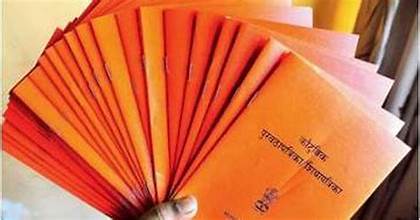
    In India, a ration card is much more than a mere document; it’s a vital lifeline for millions. Issued by the government, it not only serves as a proof of identity and residence but also plays a crucial role in ensuring food security for underprivileged families. This comprehensive guide delves into the multifaceted benefits and application process of ration cards in India, offering a detailed insight into this essential component of the country’s welfare infrastructure.

    Ration Cards: A Gateway to Identity Verification and Subsidized Food

    At its core, a ration card is a valid document for establishing one’s identity and residency. It’s an indispensable tool for various administrative processes, including opening a bank account, applying for a passport, and accessing other government services. However, its significance extends far beyond these applications.

    Subsidized Food Purchases: Empowering Low-Income Families

    One of the key benefits of holding a ration card is the access it provides to subsidized food items such as wheat, rice, sugar, and kerosene. This not only ensures food security for impoverished families but also helps in stabilizing their financial condition by reducing the burden of food expenses.

    Linkage to Government Schemes: Enhancing Social Security

    Ration cards also act as a gateway to several government schemes, particularly those aimed at aiding the poor. For instance, initiatives like the Pradhan Mantri Garib Kalyan Ann Yojana (PMGKAY) are exclusively available to ration card holders, further underscoring the card’s importance in the social welfare system.

    Applying for a Ration Card: The Documentation Required

    To apply for a ration card, applicants need to furnish certain documents, which include:

    1. Aadhaar Card
    2. Residential Proof
    3. Identity Proof of the Family Head
    4. Proof of Family Income

    The validity of a ration card typically spans five years, post which renewal is required. The renewal process involves applying to the state’s food department.

    How to Apply for a Ration Card?

    For those who do not possess a ration card, the application process is straightforward. It can be initiated by visiting the food department’s website of the respective state or by directly approaching the nearest food department office.

    How to Seamlessly Add Your Child’s Name to Your Ration Card Online

    In today’s digital age, the convenience of updating official documents online is a significant relief for many. One such essential update for families is adding their child’s name to the ration card, a task that has been simplified thanks to online procedures. This comprehensive guide is tailored for residents across various Indian states, including Uttar Pradesh, Bihar, Rajasthan, Madhya Pradesh, Haryana, Punjab, Delhi, Maharashtra, Andhra Pradesh, Telangana, Kerala, Karnataka, Tamil Nadu, West Bengal, Odisha, Jharkhand, Chhattisgarh, Goa, Gujarat, Assam, Meghalaya, Tripura, Sikkim, Nagaland, Arunachal Pradesh, Mizoram, and Manipur.

    Navigating the Online Application Process

    The process of adding your child’s name to your ration card online is straightforward. Here are the steps you need to follow:

    1. Visit the Official Website: Begin by going to the Food Department’s website of your respective state.
    2. Find the Relevant Link: Look for a link titled “Add a Member to Ration Card” or “Add Name to Ration Card”.
    3. Access the Application Form: Click on the link and open the application form.
    4. Fill in the Required Details: Enter necessary information such as your name, ration card number, your child’s name, date of birth, residence proof number, and Aadhaar card number.
    5. Upload Necessary Documents: Attach scanned copies of the required documents with your application.
    6. Pay the Application Fee: The process typically involves a nominal fee payment.
    7. Submit the Application: After completing all steps, submit your application.

    Tracking Your Application

    Upon submission, you will receive an application number. This number is crucial as it allows you to track the status of your application.

    Verification and Completion

    The verification process follows the application submission. Once verified, your child’s name will be added to your ration card. This process usually takes between 10-15 days.

    Essential Documents for the Process

    To complete this process, you will need:

    1. Your ration card.
    2. Your child’s birth certificate.
    3. The Aadhaar card of the family head.
    4. Ensure all these documents are ready before submitting your application to avoid any delays.

    Application Fees Across States

    The application fee for this service is standardized across various states, typically around INR 50. This nominal fee is consistent across Uttar Pradesh, Bihar, Rajasthan, Madhya Pradesh, Haryana, Punjab, Delhi, Maharashtra, Andhra Pradesh, Telangana, Kerala, Karnataka, Tamil Nadu, West Bengal, Odisha, Jharkhand, Chhattisgarh, Goa, Gujarat, Assam, Meghalaya, Tripura, Sikkim, Nagaland, Arunachal Pradesh, Mizoram, and Manipur.

    Important Consideration for Age Limit

    When adding a child’s name to the ration card, it is crucial to note that the child must be under 18 years of age. If the child is over 18, they will need to apply for a separate ration card.


  • पुरुषों से महिलाओं को जल्द ही सीखनी चाहिए यह चीज

    पुरुषों से महिलाओं को जल्द ही सीखनी चाहिए यह चीज

    पुरुष और महिला एक दूसरे के पूरक होते हैं। फिर भी उनके जीवन जीने का ढंग उनका व्यवहार और उनके विचार एक दम भिन्न होते हैं। महिलाएं भावनात्मक तो पुरुष प्रैक्टिकल सोच के होते हैं। महिलाएं छोटी-छोटी चीजों के विषय में ध्यान रखती हैं तो पुरुष हर चीज को आई गई समझते हैं। उनके दिमाग में किसी चीज का कोई प्रभाव लम्बे समय तक नहीं रहता है। लेकिन स्त्रियां बातों को हमेशा याद रखती हैं और समय -समय पर उन चीजों के विषय में विचार करके अपने मस्तिष्क को प्रभावित करती रहती हैं। वही आज हम आपको एक ऐसी टिप बताने जा रहे हैं जिससे महिलाएं भी पुरुष की भांति सोच वाली हो सकती हैं।

    असल में महिलाएं हर बात पर प्रतिक्रिया देती हैं। उनसे यदि कुछ कहा जाता है जो वह उसे लेकर बैठ जाती हैं। वही पुरुष स्पष्ट होते हैं उनकी सोच स्पष्ट होती है। महिलाओं को पुरुष से स्पष्ट सोच और विचार की आदत सीखनी चाहिए। महिलाओं को कोशिश करनी चाहिए कि वह अपनी चीजों को स्पष्ट रखें, यदि कोई उनके साथ अनैतिक व्यवहार कर रहा है तो उसे नजरअंदाज करें और कोशिश करें की अपनी जिंदगी जिएं न की दूसरों की चीजों से प्रभावित हों।

    इसके साथ ही महिलाओं को किसी भी चीज को अपने दिमाग में नहीं रखना चाहिए। पूरी नींद लेनी चाहिए। सदैव प्रयास करना चाहिए की स्वयं को दूसरों के झमेलों में दूर रखें और खुलकर अपने जीवन को जिएं। क्योंकि महिलाएं कई बार अपनी भावुकता के चलते अपनी चीजों को नजर अंदाज करती हैं और अपना जीवन दूसरों के विचार में गुजार देती हैं।

  • Unhealthy Relationships: Recognizing the Signs of Exploitation

    Unhealthy Relationships: Recognizing the Signs of Exploitation

    Unhealthy Relationships:  In any relationship, the foundations of transparency, trust, and love are critical. However, the strength of these bonds can be significantly weakened when a relationship turns into a means to an end. If you find yourself in a situation where your partner appears to be using you—especially for fulfilling their physical or financial needs—it’s crucial to become alert and recognize the true nature of your relationship.

    Let’s delve into how you can identify whether your partner is genuinely invested in the relationship or merely exploiting you for their own gains.

    1. Materialistic Expectations: A Red Flag When your partner consistently expects expensive gifts or insists on you spending money during outings, it may be a sign that they are more interested in maintaining a certain lifestyle than in nurturing the relationship. This kind of materialistic behavior indicates a lack of genuine affection and a possible misuse of your generosity.

    2. Convenience Over Commitment If your partner only remembers you when they need something and otherwise remains distant, citing ‘busyness’ as an excuse, it’s a warning sign. Relationships are about mutual care and interest, not just about being there when it’s convenient.

    3. One-Sided Effort: Is It Really a Partnership? A healthy relationship involves balanced effort from both parties. If you find yourself always initiating conversations, sending messages, making calls, or proposing meetings, it’s time to reassess. Such one-sidedness can imply that the relationship is more about utility than mutual affection and support.

    4. Absent in Times of Need Your partner’s availability during your times of need is a litmus test for their commitment. If they constantly make excuses for their absence or lack of engagement, it might indicate indifference towards your feelings and needs.

    5. Beyond Physical and Leisurely Activities A relationship is not just about traveling together or watching movies; it’s also about emotional connection. If you’re unable to feel this emotional bond with your partner, it’s worth reevaluating the depth and sincerity of your relationship.

    6. The Ultimate Test: Addressing the Issues Try discussing these concerns with your partner. If their behavior remains unchanged despite your efforts, it may be an indication that separating is a better option for your emotional well-being.

  • Understanding the Unique Strengths of a Passionate Wife: A Relationship Guide

    Understanding the Unique Strengths of a Passionate Wife: A Relationship Guide

    Passionate Wife: Navigating through life with a passionate wife can be a journey filled with various challenges and revelations. At times, this passion may manifest as anger, but it’s essential to recognize the unique qualities that come with it. Such a wife often exhibits a strong will to face challenges and a courageous spirit of support that might not be found in others.

    The Positive Impact of Passion in Relationships

    It’s commonly believed that a passionate, sometimes angry wife can have a beneficial and positive effect on a relationship. One of the foremost advantages is her commitment to honesty. People who often speak the truth tend to express their feelings more directly, including anger. Therefore, if your wife is passionate in her expressions, it’s likely a sign of her commitment to truth and intolerance for deceit.

    Love and Loyalty: The Hallmarks of a Passionate Partner

    Another significant benefit of having a passionate wife is the depth of her love and loyalty. People who speak their truth are generally more trustworthy. In the same vein, passionate wives tend to deeply love their husbands and remain steadfastly loyal throughout life. Such relationships are often more durable and long-lasting compared to others.

    Creating Boundaries: A Strong Woman’s Trait

    A passionate wife also tends to maintain clear boundaries, especially with those who have caused hurt. She rarely looks back or allows such individuals to come close again. This behavior is often seen as a true testament to her commitment and honesty in relationships.

    Heartfelt Expressions: The Clarity of a Passionate Wife

    A passionate wife is typically clear-hearted. She speaks what’s in her heart, and this transparency sometimes manifests as anger. It’s crucial to understand that this does not stem from hatred but rather from a place of deep emotion and sincerity.

    Commitment and Perseverance: The Strengths of a Passionate Wife

    When a passionate wife makes a commitment in a moment of intense emotion, she tends to uphold it with great dedication. Such wives enjoy facing challenges, work hard for their family’s wellbeing, and strive to fulfill all commitments. This determination is not just a personal trait but also a significant contribution to the strength and health of the family unit.

  • The Significance of the Lanyard in Police Uniforms: An Insight into Its History and Function

    The Significance of the Lanyard in Police Uniforms: An Insight into Its History and Function

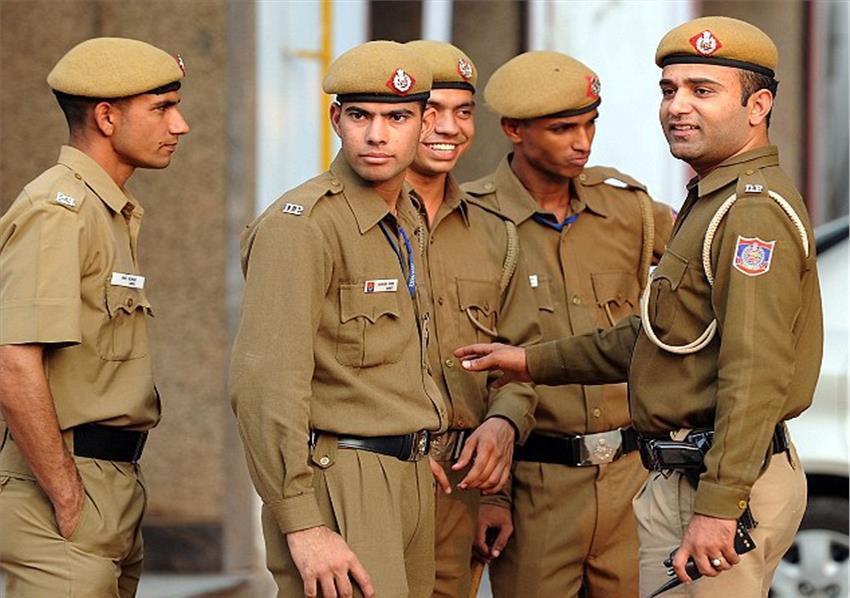
    Police Uniforms: The police force plays a critical role in maintaining peace and order in society. In times of emergency, they are often the first responders we think of. Across various states, police departments operate under the state government, and it’s interesting to note the differences in their uniforms, including the unique addition of a lanyard. But have you ever wondered about the purpose of the lanyard on a police officer’s uniform? Let’s delve into the significance and functionality of the lanyard in police attire.

    Understanding the Lanyard in Police Uniforms

    What is a Lanyard?

    The lanyard, a rope-like accessory, is more than just a decorative element in police uniforms. If you’ve ever observed closely, you might have noticed this cord extends to the officer’s pocket. Typically, this lanyard is attached to a whistle, conveniently placed in the front chest pocket. This setup ensures the whistle is easily accessible for the officer when needed.

    The Varied Colors of Lanyards

    Lanyard Colors in Different Forces

    Apart from the police, the Indian Army and paramilitary forces also incorporate lanyards in their uniforms. The color of the lanyard often signifies the rank of the officer. For instance, higher-ranking officers (DSP/SSP and above) in the police and paramilitary forces usually wear black lanyards, while those of lower ranks have khaki ones. However, the lanyard color can vary in different states. In the army, the lanyard color a soldier wears depends on their specific regiment.

    The Function of the Whistle

    Whistle: A Tool for Emergency Communication

    The whistle attached to the lanyard is not merely for ornamental purposes. In emergency situations, police officers and other security personnel use it as a vital communication tool. Whether it’s signaling a vehicle to stop or sending a message to a fellow officer during a crisis, the whistle serves as an efficient means of communication. While it’s commonly used for traffic control, in urgent scenarios, the whistle can also be used for alerting a crowd or conveying messages among officers.

    The Historical Significance of the Lanyard

    Origins of the Lanyard in Uniform

    The use of lanyards dates back to the late 15th century, with evidence of its use by French soldiers and ship crew members. It was primarily used to secure weapons or important items during battles or when boarding ships. The term ‘lanyard’ itself originated from the French word ‘lanière’, meaning strap or cord.

  • Understanding Halal and Haram in Islam: The Dos and Don’ts of Pet Keeping

    Understanding Halal and Haram in Islam: The Dos and Don’ts of Pet Keeping

    In many cultures, keeping pets is not just a hobby but a deeply ingrained practice. For some, pets are considered family members, and their absence is deeply felt. However, it’s important to note that religious beliefs can significantly influence pet-keeping habits. Islam, in particular, has specific guidelines regarding which animals can be kept in Muslim households. These guidelines stem from the religion’s fundamental teachings, and adherence to them is considered a sign of faith and respect for Islamic laws.

    What Are Halal and Haram?

    Before diving into the specifics of pet keeping in Islam, it’s essential to understand the concepts of ‘halal’ and ‘haram.’ In Arabic, ‘halal’ translates to ‘permissible’ or ‘lawful,’ referring to what is allowed under Islamic law. Conversely, ‘haram’ means ‘forbidden’ or ‘prohibited,’ denoting actions or items that are not permissible. These concepts extend to various aspects of a Muslim’s life, including diet, behavior, and, pertinent to our discussion, the types of animals that can be kept as pets.

    Haram Animals in Islam

    Islam’s teachings on pet keeping are detailed and specific. Certain animals are considered ‘haram’ to keep, primarily due to their perceived impurity or the nature of their behavior. Here are some of the animals deemed haram in Islamic teachings:

    Dogs

    In various Islamic texts, dogs are often seen as impure animals. According to Islamic law, if a dog’s saliva comes into contact with any item, that item is considered unclean. However, Islam does make exceptions for keeping dogs for specific purposes, such as hunting or guarding.

    Pigs

    Pigs are also considered impure in Islamic law. This extends to the point where even mentioning pigs is often frowned upon in devout Muslim circles.

    Birds of Prey

    Birds such as eagles, hawks, and other predatory birds are generally considered haram because they are hunters by nature. Keeping such birds as pets is not permissible under Islamic teachings.

    Reptiles

    Certain scholars and interpretations of Islamic law view reptiles like snakes and lizards as haram, mainly due to their potential danger.

    Insects

    Some insects are also seen as haram, especially those that are deemed harmful or a nuisance. This includes insects that can cause damage or have harmful characteristics.

    Halal Animals: Permissible Pets in Islam

    While the list of haram animals is specific, there are many animals considered halal and permissible to keep as pets. These include:

    1. Cats: Often revered in Islamic culture, cats are considered clean animals and are allowed in homes.
    2. Fish: Keeping fish in an aquarium is generally permissible as they are seen as peaceful and clean.
    3. Certain Birds: Birds that are not predatory, such as parrots and pigeons, are allowed.
    4. Farm Animals: In a rural setting, keeping farm animals like cows, goats, and sheep is permissible and common.

    Cultural Impact and Modern Interpretations

    The impact of these religious guidelines on Muslim households cannot be overstated. They not only dictate the choice of pets but also influence the cultural attitudes towards animals in general. In contemporary times, interpretations can vary among different Islamic scholars and communities. Some may adhere strictly to traditional teachings, while others might adopt a more liberal approach, especially in multicultural societies.

  • Unveiling the Remarkable Health Benefits of Drumstick Leaves

    Unveiling the Remarkable Health Benefits of Drumstick Leaves

    Introduction to the Powerhouse of Nutrients – Drumstick Leaves

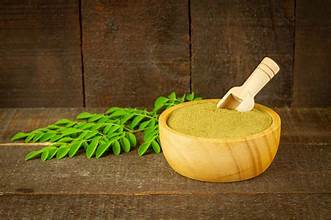
    Drumstick leaves, scientifically known as Moringa Oleifera, are a treasure trove of health benefits. Native to parts of Africa and Asia, these leaves are not only an integral part of traditional medicine but also a modern superfood. The purpose of this comprehensive guide is to delve into the myriad health benefits that drumstick leaves offer.

    Nutritional Profile of Drumstick Leaves

    A Rich Source of Vitamins and Minerals

    • Vitamins: Drumstick leaves are a rich source of vitamins such as Vitamin A, C, and E.
    • Minerals: They are laden with minerals including potassium, calcium, iron, and magnesium.

    Antioxidants Galore

    • Antioxidants: The leaves contain powerful antioxidants like quercetin and chlorogenic acid, which combat free radicals in the body.

    Health Benefits of Drumstick Leaves

    Boosting Immunity

    Drumstick leaves are a powerhouse of Vitamin C, which is essential for bolstering the immune system. Regular consumption can help in warding off common infections and diseases.

    Promoting Heart Health

    The antioxidants present in drumstick leaves aid in maintaining healthy cholesterol levels, thereby promoting heart health.

    Enhancing Digestive Health

    High in fiber, drumstick leaves facilitate smooth digestion and can aid in preventing digestive disorders.

    Beneficial for Diabetics

    Chlorogenic acid in drumstick leaves helps in balancing blood sugar levels, making them beneficial for individuals with diabetes.

    Supporting Bone Health

    With high levels of calcium and phosphorus, drumstick leaves support and strengthen bones.

    Improving Skin and Hair Health

    Vitamin A and E in these leaves enhance skin health and promote hair growth.

    Incorporating Drumstick Leaves in Your Diet

    Delicious and Nutritious Recipes

    • Drumstick Leaf Soup: A hearty and healthy option, rich in nutrients.
    • Drumstick Leaf Stir-Fry: A quick and delicious way to include these leaves in your diet.

    Sustainable Cultivation of Drumstick Leaves

    Eco-Friendly and Easy to Grow

    Drumstick trees require minimal water and grow rapidly, making them an environmentally sustainable choice.

    The Global Impact of Drumstick Leaves

    A Solution to Malnutrition

    In developing countries, drumstick leaves are used to combat malnutrition, thanks to their high nutrient content.

  • Understanding Brain Tumors: Symptoms, Risks, and Prevention

    Understanding Brain Tumors: Symptoms, Risks, and Prevention

    Brain tumors, often shrouded in fear due to their association with cancer, are medical conditions characterized by the abnormal growth of cells within the brain. It’s crucial to note that not all brain tumors are cancerous, although all brain cancers do manifest as tumors. These growths can pose a serious threat to life, altering the body’s functionality and potentially leading to other health issues, such as speech difficulties and paralysis. Common symptoms include severe headaches, dizziness, fatigue, nausea, vomiting, problems in hearing and speaking, numbness in the arms and legs, and blurred vision.

    The Silent Threat: Recognizing the Symptoms

    Often, brain tumors present a tricky challenge in diagnosis. Some individuals show no signs at all, while others exhibit severe symptoms. There are instances where minor issues are mistakenly overlooked, not being recognized as indicators of a brain tumor. Understanding these symptoms is crucial for early detection and effective treatment.

    Key Factors Increasing Brain Tumor Risk

    1. Prolonged Mobile Phone Usage

      Continuous exposure to mobile phones has been linked to the development of brain tumors. Studies, including those published in the National Library of Medicine, indicate that the electromagnetic radiation emitted by mobile phones can be carcinogenic. Experts advise minimizing mobile phone usage and opting for hands-free devices, headphones, or speaker mode to reduce exposure.

    2. Exposure to Chemical Substances

      Regular contact with chemicals found in pesticides, rubber, vinyl chloride, oil products, and various industrial compounds can increase the risk of brain tumors. Avoiding frequent exposure to these substances is recommended for better health.

    3. High Saturated Fat Diet

      A diet rich in saturated fats poses a risk for brain tumor development. Studies have shown that poor dietary choices, combined with unhealthy lifestyle habits such as smoking and lack of exercise, can elevate this risk.

    4. Age Factor

      Although brain tumors can occur at any age, the risk increases with age. The highest risk group includes individuals between 85 and 89 years. However, this doesn’t imply that younger, healthier individuals are immune.

    5. Hormonal Imbalance

      Hormonal imbalances, particularly in women undergoing long-term hormone replacement therapy, can play a significant role in the development of brain tumors.

    Preventive Measures and Lifestyle Changes

    To mitigate the risks associated with brain tumors, adopting a healthier lifestyle is key. This includes:

    • Reducing Mobile Phone Usage: Limit the time spent on mobile phones and use alternatives like hands-free devices.
    • Avoiding Harmful Chemicals: Be cautious of exposure to industrial chemicals and pesticides.
    • Healthy Diet and Exercise: Opt for a balanced diet low in saturated fats and maintain a regular exercise regimen.
    • Routine Medical Check-Ups: Regular health check-ups can help in early detection, especially for those in higher risk age groups.
    • Monitoring Hormonal Health: Women should consult healthcare professionals about the risks associated with long-term hormone therapies.