Author: admin

  • पति ने खोली पत्नी की भ्रष्टाचार की पोल: लाखों रुपये के अवैध धन का वीडियो सामने आया

    पति ने खोली पत्नी की भ्रष्टाचार की पोल: लाखों रुपये के अवैध धन का वीडियो सामने आया

    एक पत्नी द्वारा अपने पति द्वारा उजागर किए गए भ्रष्टाचार के इस दिलचस्प मामले ने न केवल हैदराबाद में बल्कि पूरे देश में हलचल मचा दी है। एक डीईई, जो एक नगरपालिका में एक प्रतिष्ठित पद संभालती थी, ने एक सार्वजनिक अधिकारी के रूप में अपने कर्तव्यों को निभाने के बजाय भ्रष्टाचार में शामिल होने का आरोप झेला है। यह मामला न केवल एक व्यक्तिगत त्रासदी है बल्कि यह भ्रष्टाचार की समस्या के बारे में गंभीर सवाल उठाता है जो हमारे समाज को तबाह कर रहा है।

    पति ने पत्नी का भ्रष्टाचार पकड़ा

    श्रीपद नामक युवक ने अपनी पत्नी दिव्यज्योति पर मणिकोंडा नगरपालिका में डीईई के पद पर काम करते हुए रिश्वत लेने का आरोप लगाया। श्रीपाद ने मीडिया को इसके वीडियो साक्ष्य उपलब्ध कराए, जिसमें उनकी पत्नी कथित तौर पर रोजाना लाखों रुपये की रिश्वत लेकर घर आती थी और लापरवाही से घर पर पैसे जमा करती थी। श्रीपाद द्वारा रिकॉर्ड किए गए वीडियो में घर के विभिन्न कोनों से लेकर मंदिर तक में छुटी नोटों की गड्डियां दिखाई गईं। कुछ नोट अलमारी में बेतरतीबी से पड़े थे, जबकि कुछ थैलियों में भरकर रखे थे।

    यह स्पष्ट रूप से दर्शाता है कि कैसे दिव्यज्योति अवैध धन प्राप्त करने के लिए अपने पद का इस्तेमाल करती रही थीं। उनका भ्रष्टाचार एक नियमित अभ्यास बन गया था, जहाँ वह अपने सरकारी कर्तव्यों के लिए रिश्वत मांगती थीं। इससे साबित होता है कि सरकारी अधिकारियों में एक व्यापक भ्रष्टाचार की प्रवृत्ति है।

    पत्नी का बर्ताव

    श्रीपाद के मुताबिक, जब भी वह दिव्यज्योति से उसके गलत कामों के बारे में पूछता था, तो वह उसे गाली देती थी। इस मामले से पता चलता है कि किस तरह रिश्वत लेना न केवल भ्रष्टाचार को दर्शाता है बल्कि आरोपी की स्वार्थी प्रवृत्ति और दूसरों के प्रति अपमान को भी दर्शाता है। जब पति ने अपनी पत्नी की अवैध गतिविधियों को चुनौती दी तो उसके अपमानजनक बर्ताव से पता चलता है कि भ्रष्टाचार के कारण नैतिकता और जिम्मेदारी का घोर अभाव हो सकता है।

    श्रीपद की निर्णायक कार्रवाई

    पति और पत्नी के बीच लड़ाई के बदतर होने पर, श्रीपाद ने खुद मामले को संभालने का फैसला किया। तलाक के लिए अर्जी देने के बाद, श्रीपाद ने अपनी पत्नी की अवैध गतिविधियों के सबूत रिकॉर्ड करने का फैसला किया, और ये साक्ष्य मीडिया को सौंपे। उन्होंने सार्वजनिक हित में पत्नी की भ्रष्टाचारों का प्रकाश डालने का फैसला किया।

    श्रीपाद की कार्रवाई सराहनीय है, खासकर उनके पत्नी को छोड़ने के निर्णय के बाद भी, उनका इस मामले में खड़े होने और सच्चाई सामने लाने का साहस काबिले तारीफ है। उन्होंने सार्वजनिक अधिकारियों में भ्रष्टाचार को उजागर करके, अपने समाज को नैतिक रूप से आगे बढ़ाने में महत्वपूर्ण भूमिका निभाई है।

    पत्नी की करियर का खतरा

    मामला सामने आने के बाद से दिव्यज्योति की सरकारी नौकरी खतरे में है। यह मामला सरकारी अधिकारियों में पारदर्शिता और जवाबदेही की कमी को भी उजागर करता है। यह नैतिक और कानूनी दोनों तरह के प्रतिकूल परिणामों को प्रदर्शित करता है।

    यह भी बताता है कि कैसे इस तरह के मामले का व्यक्तिगत और पेशेवर जीवन पर नकारात्मक प्रभाव पड़ता है, खासकर जब आरोप साबित हो जाते हैं तो यह जीवन को बर्बाद कर सकता है। एक पेशेवर के रूप में, उनका भविष्य धूमिल हो गया है और उन पर नैतिकता और कानूनी परिणाम हो सकते हैं।

    भ्रष्टाचार का प्रभाव

    दिव्यज्योति के मामले से एक बार फिर यह साबित हो गया है कि कैसे भ्रष्टाचार हमारे समाज में भरोसे को कम करता है, यह हमेशा अन्याय और असमानता की ओर ले जाता है।

    भ्रष्टाचार से समाज को निम्नलिखित नकारात्मक प्रभावों का सामना करना पड़ता है:

    • सार्वजनिक सेवाओं का बिगड़ना: भ्रष्टाचार से सार्वजनिक धन का दुरुपयोग होता है, जो बदले में सार्वजनिक सेवाओं जैसे शिक्षा, स्वास्थ्य सेवा और बुनियादी ढांचे की गुणवत्ता को प्रभावित करता है।
    • असमानता में वृद्धि: भ्रष्टाचार धनी और शक्तिशाली वर्ग के पक्ष में होता है और गरीबों और वंचितों को उनके हक से वंचित करता है।
    • आर्थिक विकास में बाधा: भ्रष्टाचार विदेशी निवेश को रोकता है और नौकरी के अवसरों को कम करता है।
    • राजनीतिक अस्थिरता: भ्रष्टाचार राजनीतिक अस्थिरता और हिंसा का कारण बनता है, क्योंकि लोग सिस्टम में अपनी निराशा व्यक्त करने के लिए विरोध में उतर आते हैं।

    भ्रष्टाचार के खिलाफ लड़ाई

    यह मामला हमारे समाज को भ्रष्टाचार से लड़ने के लिए प्रयास करने की तत्काल आवश्यकता की याद दिलाता है।

    इस मामले में दिव्यज्योति और उनकी भूमिका को प्रभावी ढंग से सामना करने के लिए हम निम्नलिखित उपाय कर सकते हैं:

    • पारदर्शिता और जवाबदेही बढ़ाना: सरकार को अपने सभी कार्यों में पारदर्शिता बनाए रखना चाहिए और जनता को जानकारी और सार्वजनिक धन के दुरुपयोग पर कड़ी निगरानी करनी चाहिए।
    • कठोर कानून और प्रवर्तन: भ्रष्टाचार के खिलाफ सख्त कानून बनाने और अभियोग चलाने और भ्रष्ट अधिकारियों को सजा देने के लिए एक प्रभावी प्रणाली स्थापित करना आवश्यक है।
    • सार्वजनिक जागरूकता पैदा करना: भ्रष्टाचार के नकारात्मक परिणामों के बारे में लोगों को शिक्षित करना महत्वपूर्ण है और उन्हें भ्रष्टाचार के खिलाफ खड़े होने के लिए प्रोत्साहित करना है।
    • नैतिकता का प्रचार: सरकार को अपने सभी कर्मचारियों को नैतिक व्यवहार और सार्वजनिक सेवा के प्रति जवाबदेही को प्रोत्साहित करना चाहिए।

    यह मामला भ्रष्टाचार के प्रति सहिष्णुता के प्रति एक गंभीर चेतावनी है। भ्रष्टाचार का प्रभाव विनाशकारी है और हम इसे बढ़ने से रोकने के लिए तत्काल कार्रवाई करने की आवश्यकता है।

    मुख्य बिन्दु

    • पत्नी को उनके पति ने भ्रष्टाचार के आरोप में पकड़ा गया, जो उनके अवैध रूप से प्राप्त किए गए धन के वीडियो प्रमाण प्रस्तुत किए गए।
    • पति के साथ तनावपूर्ण रिश्ते को हैकरीज करके भ्रष्ट अधिकारियों में पैसे के प्रति लालच और भ्रष्टाचार से पैदा होने वाली नैतिक अंधता के बारे में बहुत कुछ बताया गया।
    • पति द्वारा की गई क्रियाओं से भ्रष्टाचार के खिलाफ खड़े होने के साहस और अनैतिक व्यवहारों को उजागर करने की बताया जा रहा है।
    • सरकारी अधिकारियों में भ्रष्टाचार का प्रसार इस मामले की जांच से सामने आने वाले संभावित परिणामों का सुझाव करता है, और समस्या का समाधान करने के लिए पारदर्शिता और जवाबदेही को जोड़ने की आवश्यकता पर जोर दिया गया है।
  • Gujarat Wall Collapse: A Grim Reminder of Construction Safety Failures

    Gujarat Wall Collapse: A Grim Reminder of Construction Safety Failures

    The tragic collapse of a construction wall in Gujarat’s Mehsana district on Saturday, October 12, 2024, resulted in the loss of nine lives and left one person injured. This heartbreaking incident underscores the urgent need for heightened safety measures and stricter enforcement of regulations in the construction industry.

    The Incident: A Devastating Collapse

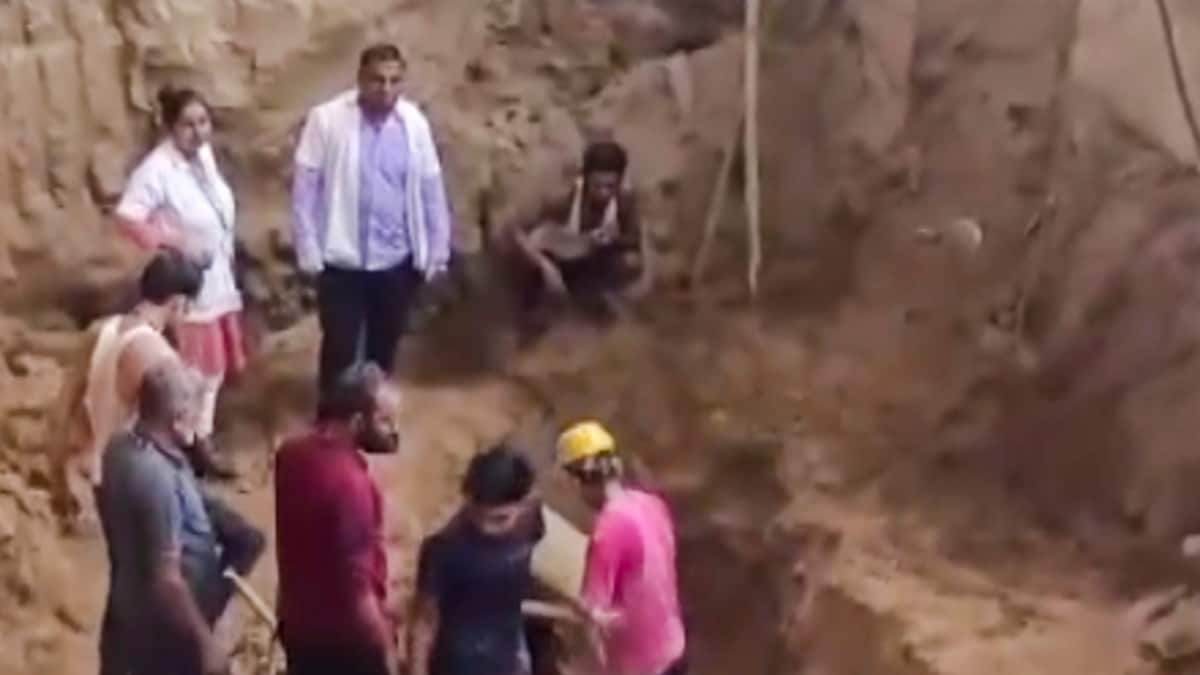
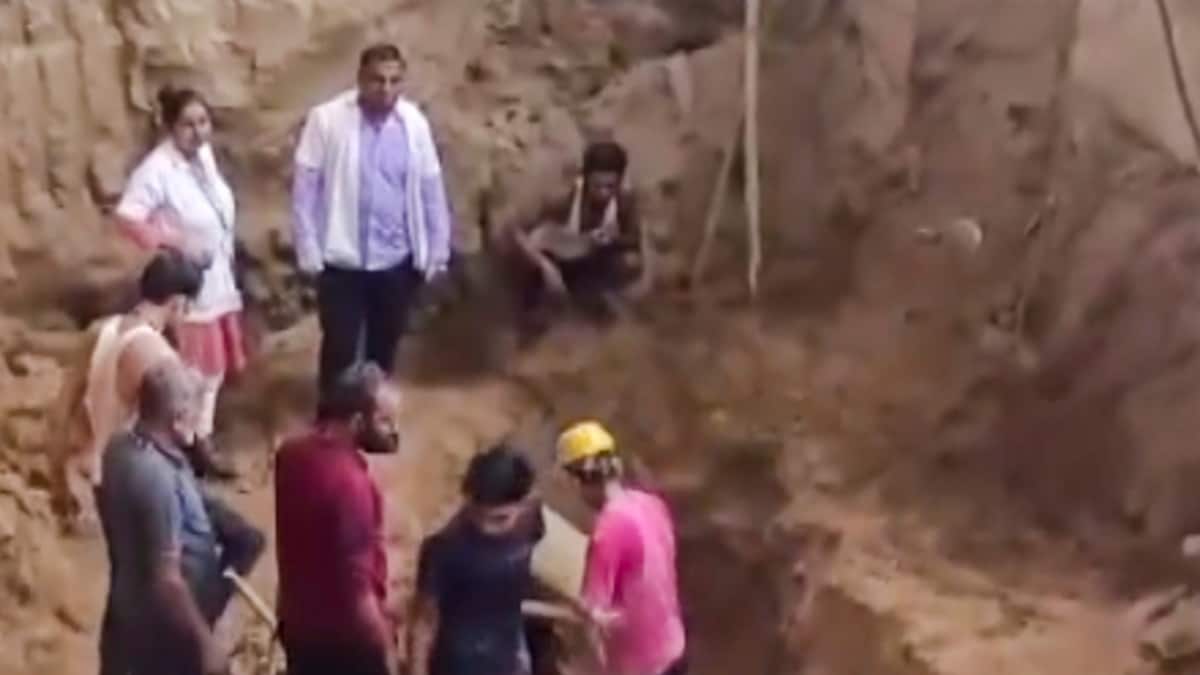
    The wall collapse occurred around 1:45 PM at a private company’s construction site in Jasalpur village near Kadi town, approximately 37 km from the district headquarters. Labourers were engaged in digging a pit for an underground tank for a factory when the wall, under construction, gave way, burying them under loose soil. The impact of the collapse was immediate and catastrophic, trapping the workers in a terrifying situation.

    Rescue Efforts and a Devastating Toll

    Emergency personnel, including local authorities and rescue teams, responded promptly to the scene. Their efforts focused on recovering the bodies and locating any potential survivors. The rescue operation was a race against time, and despite the determined efforts of those involved, the grim reality of the situation became evident.

    Tragically, nine workers perished in the incident. The recovery of six bodies was reported early on, followed by confirmation of the total number of fatalities. The discovery of the bodies, including the bodies of young workers, filled the air with a sense of loss and grief. The tragedy served as a stark reminder of the inherent risks associated with the construction industry, where accidents can occur without warning.

    Hope in the Midst of Despair

    Amid the devastation, there was a glimmer of hope. A 19-year-old boy, who was trapped but alive, was successfully rescued from the rubble. His survival, while deeply sorrowful in the context of so many lost lives, offered a measure of solace to those involved in the rescue efforts. His account confirmed the presence of 8-9 workers at the site, meaning there were still 2-3 missing.

    The rescue operations continued with renewed urgency, with prayers for the safe recovery of those trapped.

    A Nation Mourns, Leaders Respond

    News of the tragic incident reached Prime Minister Narendra Modi, who expressed profound sadness at the loss of life. His condolences were extended to the families of the victims, offering solace during their time of grief. The Prime Minister’s response went beyond mere words of sympathy. He directed local authorities, under the state’s supervision, to provide all necessary assistance to the affected families.

    Further demonstrating his commitment to alleviating the pain of the victims’ families, PM Modi announced ex-gratia payments from the Prime Minister’s National Relief Fund (PMNRF). This included a payment of Rs 2 lakhs to the next of kin of each deceased and Rs 50,000 to the injured. The swift response by the Prime Minister reflected both the seriousness of the tragedy and the government’s commitment to providing immediate aid.

    A Call for Accountability

    This tragedy highlights the pressing need to prioritize safety and accountability in the construction industry. The question that must be addressed is: why did this incident occur? Was it due to negligence, inadequate oversight, or insufficient safety protocols?

    An investigation into the cause of the wall collapse is imperative. The investigation must be thorough, unbiased, and transparent, with the findings made public to hold accountable those responsible for any negligence that led to the tragic deaths. This accountability is crucial to ensure that future tragedies are prevented.

    Takeaway Points:

    • The wall collapse in Mehsana was a devastating incident resulting in the loss of nine lives.
    • The tragedy underscores the inherent risks in the construction industry, emphasizing the need for strong safety protocols.
    • Government response included condolences, aid to families, and a commitment to an investigation to determine the cause of the incident.
    • The incident raises urgent questions regarding safety standards, enforcement of regulations, and the importance of accountability in construction.
    • This tragedy serves as a call for action, prompting reflection and necessary steps to ensure that such devastating incidents are prevented in the future.
  • Gujarat Wall Collapse: A Grim Reminder of Construction Safety Concerns

    Gujarat Wall Collapse: A Grim Reminder of Construction Safety Concerns

    The collapse of a construction wall in Gujarat’s Mehsana district resulted in the tragic deaths of at least nine labourers, highlighting the persistent risks faced by workers in the construction industry. This incident serves as a stark reminder of the urgent need for enhanced safety protocols and regulations to protect workers.

    Tragic Incident at Construction Site

    The incident unfolded on a Saturday afternoon at a factory construction site in Jasalpur village, near Kadi town. Workers were engaged in digging a pit for an underground tank when the under-construction wall crumbled, trapping them under loose soil. The collapse occurred around 1:45 PM, leaving a devastating aftermath.

    Rescue Efforts and Casualties

    Emergency responders rushed to the scene and launched a rescue operation. Despite their tireless efforts, the incident claimed the lives of nine workers, while one 19-year-old survivor was pulled out alive. The young survivor provided crucial information, confirming that 8-9 workers were present at the site and raising concerns about the remaining 2-3 individuals still unaccounted for.

    Government Response and Condolences

    The incident triggered an immediate response from the government authorities. Mehsana District Development Officer Dr Hasrat Jasmine confirmed the collapse and reported the initial recovery of six bodies. Prime Minister Narendra Modi expressed his profound grief and condolences for the families of the deceased. The Prime Minister’s Office announced an ex-gratia payment of Rs. 2 lakhs from the PMNRF to the families of the deceased, along with Rs. 50,000 to the injured.

    Safety Concerns and Lack of Oversight

    The construction wall collapse in Mehsana shines a spotlight on the ongoing issue of workplace safety in India. The tragedy serves as a poignant reminder of the dangers inherent in the construction industry, especially in the absence of rigorous safety measures. While specific details about the cause of the wall collapse are still under investigation, incidents like these highlight the need for comprehensive safety protocols, inspections, and worker education to mitigate risks.

    Role of Enforcement and Regulations

    The incident underscores the critical role of enforcement and regulations in protecting workers. Construction sites should be subjected to regular inspections to ensure compliance with safety standards and identify potential hazards. The government must prioritize investment in building safety infrastructure, promoting awareness of best practices, and empowering workers to advocate for their safety.

    Lessons from the Tragedy

    This tragedy serves as a stark wake-up call to prioritize safety and address systemic issues that contribute to worker vulnerability in the construction industry. Addressing these concerns requires collaborative efforts involving:

    Worker Safety and Education

    • Implementing comprehensive safety training programs for all construction workers.
    • Fostering a culture of safety consciousness on construction sites.
    • Equipping workers with knowledge and skills to identify hazards and report unsafe practices.

    Strengthening Safety Protocols

    • Enacting stricter regulations for construction site safety, particularly focusing on structural integrity.
    • Introducing standardized procedures for assessing and mitigating risks.
    • Ensuring availability of proper equipment and protective gear for all workers.

    Enhanced Enforcement and Inspections

    • Implementing regular site inspections by qualified professionals to ensure adherence to safety protocols.
    • Holding contractors accountable for safety violations through strict penalties and licensing revocations.
    • Utilizing technological advancements to monitor and analyze potential hazards in construction projects.

    Take Away Points

    The tragedy in Mehsana serves as a potent reminder of the paramount importance of worker safety. The incident calls for a holistic approach that tackles not only immediate safety concerns but also addresses systemic vulnerabilities within the industry. Governments, regulatory bodies, construction companies, and individual workers must actively collaborate to establish a safer environment for all. This requires unwavering commitment to strengthening safety regulations, promoting worker education, and fostering a culture of safety awareness across the entire construction sector.

  • Uttar Pradesh Election Violence: A Grim Reminder of Poll-Related Violence’s Deadly Toll

    Uttar Pradesh Election Violence: A Grim Reminder of Poll-Related Violence’s Deadly Toll

    The tragic death of 35-year-old Icchanath Yadav in Uttar Pradesh’s Sultanpur district highlights the dangerous escalation of political rivalry in the run-up to the upcoming elections. The incident, which occurred on October 9, 2024, involved a group of individuals allegedly hiding in a field who shot and killed Yadav. The police investigation has pointed towards poll rivalry as a possible motive for the murder.

    The Brutal Incident and Its Aftermath

    The incident unfolded in the morning when Icchanath Yadav, a resident of Asarakhpur village in the Baldisarai area, went to his fields. He was fatally shot by assailants who were allegedly concealed in the fields, leaving him dead at the scene. Upon hearing the gunshot, Yadav’s family rushed to the location but the attackers had already fled.

    The police, alerted to the murder, immediately arrived at the scene to investigate. Senior officers, including Additional SP Akhand Pratap Singh, were involved in the initial probe. Based on the complaint filed by Yadav’s family, an FIR has been registered, and a detailed investigation is underway.

    Poll Rivalry: A Perilous Trend

    Preliminary investigation suggests that the murder stemmed from ongoing political rivalry. This chilling incident underscores the potential for violence in politically charged environments, particularly during election campaigns. Political rivals, often driven by the ambition to secure power, sometimes resort to desperate and violent measures to achieve their goals. This not only undermines democratic processes but also instills fear and insecurity within the community.

    The Context of Elections

    The murder occurred amidst a heightened political climate in Uttar Pradesh. The state, with its vast population and political significance, is crucial in national elections. Competition for power between political parties intensifies during election cycles, leading to an increase in campaigning and political mobilization. The resulting pressure can sometimes create an environment where violence becomes a means to an end, as evidenced by Yadav’s death.

    Addressing the Root Causes

    Preventing such tragic incidents necessitates a multifaceted approach. Addressing the root causes of poll-related violence is critical:

    1. Strong Law Enforcement and Security Measures

    Robust law enforcement and comprehensive security measures are vital in preventing violence during elections. This involves deploying adequate security personnel, increasing surveillance, and promptly responding to any reports of suspicious activity. Stringent enforcement of election regulations and penalizing those who incite violence are crucial deterrents.

    2. Promoting Responsible Political Conduct

    Ethical political conduct plays a significant role in curbing violence. Encouraging politicians to prioritize public interest over personal gain and engage in healthy competition is essential. Leaders should emphasize peaceful dialogue and respect for the law, fostering an environment of trust and civility.

    3. Public Awareness and Education

    Educating the public about the dangers of poll-related violence and the importance of peaceful participation in elections is crucial. Civic education programs, media campaigns, and community outreach initiatives can help raise awareness and discourage violence. Encouraging constructive engagement in political discourse can reduce tensions and promote peaceful coexistence.

    The Aftermath: Justice for Icchanath Yadav

    Icchanath Yadav’s family is now left grieving the loss of a loved one. The murder, fueled by political rivalries, underscores the human cost of political violence. The police investigation must ensure a thorough and unbiased investigation to bring the perpetrators to justice. It is crucial that Yadav’s death is not forgotten but serves as a catalyst for broader societal reforms to address the systemic problems that perpetuate such tragedies.

    Take Away Points:

    • Icchanath Yadav’s murder highlights the escalation of political rivalry in Uttar Pradesh.
    • Poll-related violence can have tragic consequences, underscoring the need for preventive measures.
    • Strengthening law enforcement, promoting ethical political conduct, and raising public awareness are crucial to address this issue.
    • Justice must be served for Icchanath Yadav, and his death should serve as a catalyst for societal change.

    It is essential for society to unite against the threat of poll-related violence. By taking proactive steps, we can create a safer and more inclusive political environment, one that prioritizes peace and the democratic ideals of free and fair elections.

  • जम्मू-कश्मीर में नेशनल कॉन्फ्रेंस का उदय: सत्ता का नया समीकरण?

    जम्मू-कश्मीर में नेशनल कॉन्फ्रेंस का उदय: सत्ता का नया समीकरण?

    जम्मू-कश्मीर में हाल ही में संपन्न हुए विधानसभा चुनावों में नेशनल कॉन्फ्रेंस के उदय ने एक नया राजनीतिक अध्याय शुरू कर दिया है। आर्टिकल 370 के निरसन के बाद, ये चुनाव राज्य में सत्ता संघर्ष के लिए महत्वपूर्ण थे और उन्होंने नेशनल कॉन्फ्रेंस को अपनी ताकत का प्रदर्शन करने का अवसर प्रदान किया। हालांकि, ये चुनाव केवल सरकार बनाने के लिए प्रत्याशियों की संख्या निर्धारित करने से कहीं आगे जाकर, राज्य के भविष्य के लिए राजनीतिक संरेखण और रणनीति में महत्वपूर्ण बदलावों की ओर इशारा कर रहे हैं।

    निर्दलीय नेताओं का नेशनल कॉन्फ्रेंस को समर्थन

    इस चुनाव में उभरने वाले महत्वपूर्ण पहलुओं में से एक, निर्दलीय उम्मीदवारों का उल्लेखनीय प्रदर्शन रहा। विधानसभा चुनावों में कुल 7 निर्दलीय प्रत्याशियों ने जीत हासिल की थी। ये परिणाम, चुनावों में निर्दलीय उम्मीदवारों के बढ़ते महत्व को उजागर करते हैं, जो राज्य में राजनीतिक दलों से हटकर एक नए, अलग सोच की दिशा में दर्शाते हैं। हाल के दिनों में इन निर्दलीय नेताओं के नेशनल कॉन्फ्रेंस को समर्थन देने ने इस ट्रेंड को और बल प्रदान किया है। इस रुझान को और गहराई से समझने के लिए, निर्दलीय नेताओं के नेशनल कॉन्फ्रेंस को समर्थन करने के पीछे की संभावित प्रेरक शक्तियों की पड़ताल करना महत्वपूर्ण है।

    नेशनल कॉन्फ्रेंस के प्रति निर्दलीयों का आकर्षण

    नेशनल कॉन्फ्रेंस, अपने ऐतिहासिक महत्व और राज्य में एक प्रभुत्वशाली शक्ति होने के कारण, राज्य के कई निर्दलीय नेताओं को अपनी ओर आकर्षित कर रही है। इन नेताओं के लिए, नेशनल कॉन्फ्रेंस की मजबूत राजनीतिक उपस्थिति, पार्टी के अनुभव और राज्य की जनता के बीच उनके व्यापक आधार के साथ उन्हें जुड़ने की क्षमता उनके लिए आकर्षण का केंद्र है। ऐसा माना जा रहा है कि नेशनल कॉन्फ्रेंस, स्थानीय हितों और राजनीतिक मुद्दों पर अधिक ध्यान केंद्रित करके निर्दलीयों को आश्वस्त कर पा रही है, जो उनकी पार्टी के लिए महत्वपूर्ण हो सकते हैं।

    सरकार बनाने के लिए नेशनल कॉन्फ्रेंस का प्रयास

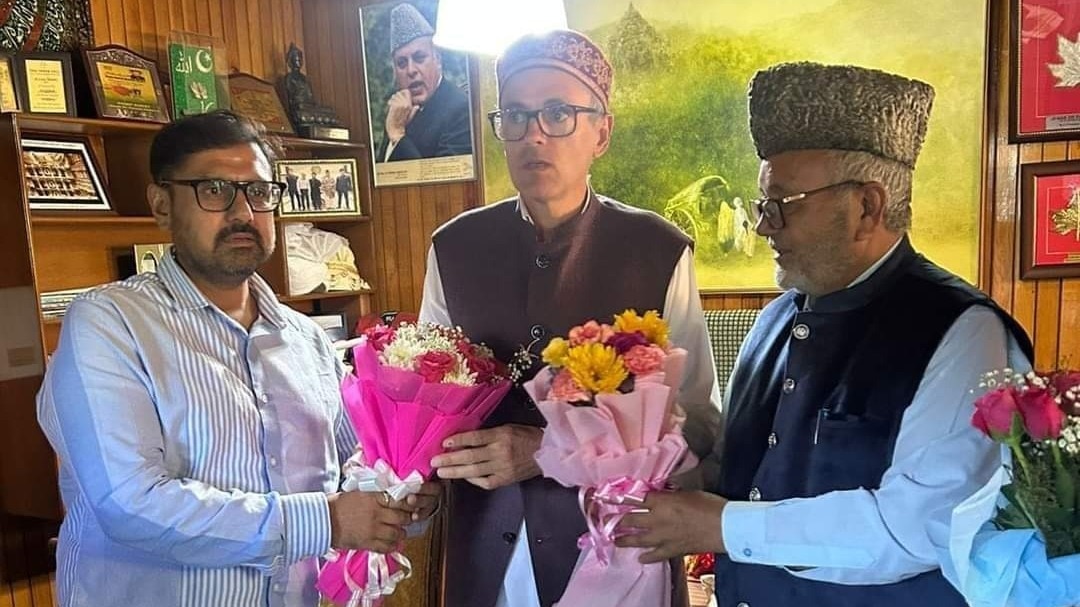
    इस चुनाव में अपनी सफलता के बाद, नेशनल कॉन्फ्रेंस सरकार बनाने की प्रक्रिया में अग्रणी रही है। कांग्रेस के साथ अपने गठबंधन ने उन्हें कुल 49 सीटें दिलाई हैं। निर्दलीय नेताओं द्वारा दिए जा रहे समर्थन से नेशनल कॉन्फ्रेंस का यह लक्ष्य और भी मजबूत होता है। चार निर्दलीयों द्वारा दिए गए समर्थन के साथ, नेशनल कॉन्फ्रेंस को सरकार बनाने के लिए आवश्यक बहुमत (46 सीटें) हासिल हो गई हैं। इस बदलाव के राज्य की राजनीति पर क्या प्रभाव पड़ेगा, यह देखना बाकी है, लेकिन यह प्रदर्शित करता है कि पार्टी, इस चुनौतीपूर्ण राजनीतिक परिदृश्य में नेतृत्व करने की स्थिति में है।

    चुनौतियां और अवसर

    नेशनल कॉन्फ्रेंस के सामने चुनौतियां और अवसर भी हैं। सरकार बनाने के बाद उन्हें विभिन्न समूहों की आकांक्षाओं, सामाजिक और आर्थिक मुद्दों, सुरक्षा की चुनौतियों और राजनीतिक स्थिरता बनाए रखने जैसे मुद्दों का सामना करना पड़ेगा। पार्टी को यह साबित करना होगा कि वह राज्य के लिए प्रगति लाने और स्थायित्व का माहौल बनाए रखने में सक्षम है। राज्य में विकास और पुनर्निर्माण, नौकरी के अवसरों में वृद्धि, बुनियादी ढांचे में सुधार, शिक्षा और स्वास्थ्य सेवा को मजबूत करना, और सभी समुदायों में शांति और सद्भाव को बढ़ावा देना प्रमुख चुनौतियाँ होंगी। हालांकि, ये चुनौतियाँ राज्य को आगे ले जाने के लिए अवसर भी प्रदान कर सकती हैं।

    नेशनल कॉन्फ्रेंस का उदय: नया दौर?

    इस चुनाव ने यह स्पष्ट किया है कि राज्य की राजनीति बदल गई है। पारंपरिक दलों पर निर्भरता कम हो रही है और राजनीतिक गतिशीलता बदल रही है। नेशनल कॉन्फ्रेंस की उदय ने राज्य में राजनीतिक भूगोल को फिर से परिभाषित करने की शुरुआत की है। नेशनल कॉन्फ्रेंस ने अपनी स्थिति मजबूत करके दिखाया है। इन परिवर्तनों से आगे निकलने में, पार्टी की भूमिका महत्वपूर्ण होगी, यह देखने के लिए कि क्या यह नया दौर जम्मू-कश्मीर के लिए प्रगति, समृद्धि और स्थायित्व का दौर सिद्ध होगा या नहीं.

    टेकअवे पॉइंट्स:

    • नेशनल कॉन्फ्रेंस के साथ निर्दलीयों के बढ़ते सहयोग ने जम्मू-कश्मीर में राजनीतिक दृश्य में नए पदचिन्ह बनाए हैं.
    • निर्दलीयों का समर्थन पार्टी को सरकार बनाने के लिए जरूरी बहुमत हासिल करने में मददगार साबित हुआ है.
    • नेशनल कॉन्फ्रेंस को चुनौतियों और अवसरों का सामना करना होगा जैसे राज्य का विकास, सुरक्षा और राजनीतिक स्थिरता.
    • नेशनल कॉन्फ्रेंस की उदय राज्य में राजनीतिक भूगोल को फिर से परिभाषित कर सकती है, भविष्य के लिए नई संभावनाएं खोल सकती है.
  • Rebel Candidates: How Congress Lost Its Way in Haryana

    Rebel Candidates: How Congress Lost Its Way in Haryana

    The 2019 Haryana Assembly elections witnessed a significant impact of rebel candidates, particularly from the Congress party. The party’s failure to secure a victory can be attributed, in part, to its handling of dissidents, leading to the loss of at least nine crucial seats. This analysis will explore the specific cases of rebel candidates who significantly affected the Congress’s performance and highlight how these incidents impacted the overall election outcome.

    The Bahadurgarh Case: A Symbol of Rebellious Triumph

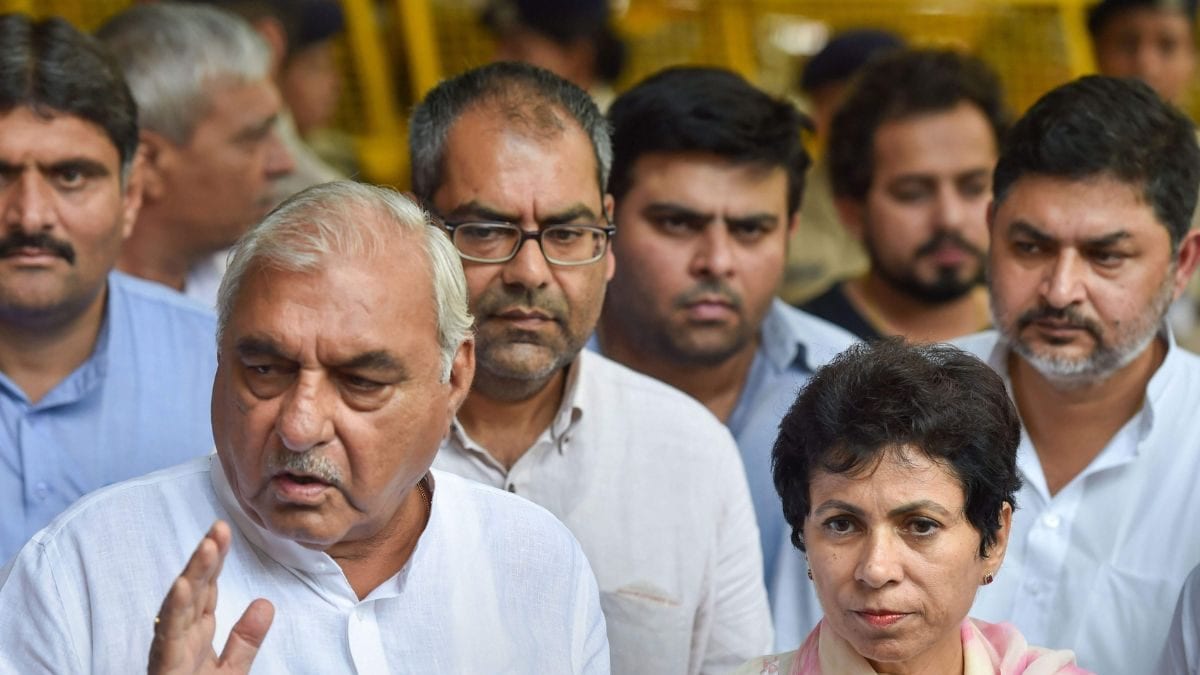
    Rajesh Joon, a former Congress member denied a ticket, contested as an Independent from the Bahadurgarh seat and emerged victorious. He garnered a staggering 73,191 votes, securing a decisive margin of 41,999 votes over the second-place candidate. Notably, the sitting Congress MLA, who had initially been considered a strong contender, finished a disappointing third. This singular victory serves as a powerful illustration of the disruptive force unleashed by disgruntled Congress members who chose to fight against their former party.

    The Power of Dissent

    Joon’s success highlights the power of rebellion in a political system where the party’s dominance is not absolute. By challenging the party’s authority, Joon tapped into a significant reservoir of discontent and disaffection within the electorate. The Bahadurgarh case stands as a testament to the ability of independent candidates to capitalize on internal party conflicts and utilize it to their advantage. It demonstrates the fragility of a party’s hold on power when it fails to address the aspirations of its own members.

    The Nine Lost Seats: A Legacy of Rebellion

    The case of Bahadurgarh, while striking, is just one instance of the Congress’s setbacks attributed to rebel candidates. A meticulous examination of the results reveals that nine seats could have swung in the Congress’s favor if it had either granted tickets to its discontented members or effectively addressed their grievances. This analysis delves deeper into the specific outcomes of these nine seats.

    The Fateful Nine

    The rebel candidates’ impact is evident across these nine seats: Bahadurgarh, Pundri, Ambala Cantonment, Tigaon, Uchana Kalan, Badhra, Gohana, Kalka, and Ballabgarh. These are not isolated incidents but a pattern reflecting the consequences of internal party discord. It’s important to note that the independent candidates’ votes, combined with the Congress’s tally, could have tipped the scales in their favor in a significant number of these seats.

    Bahadurgarh: A Tale of Two Joons

    In Bahadurgarh, the Congress’s loss stemmed from a clash of wills between two Joons: Rajesh and Rajinder. The Congress, in its decision to overlook Rajesh, unwittingly allowed him to rally support and galvanize opposition voters. While the independent Joon secured victory, the sitting MLA, Rajinder Joon, secured a meager 28,955 votes. This defeat demonstrates the powerful ramifications of intra-party dissent, turning the election into a battle between competing factions within the Congress rather than a clear confrontation against its rivals.

    The Ambala Cantonment Seat: A Missed Opportunity

    The Ambala Cantonment seat represents another case where a rebellion proved detrimental to the Congress. The seat, historically won by the BJP’s Anil Vij, saw an independent challenger, Chitra Sarwara, emerge as the second-highest vote-getter, effectively drawing away potential Congress supporters. The Congress candidate, Parvinder Pal Pari, secured a meager 14,469 votes, finishing third, indicating a loss of faith in the party’s nominee. This outcome illustrates how internal party disputes can weaken the Congress’s electoral prospects, particularly when they are challenged by independent candidates.

    The Impact of Rebellion: A Broader Perspective

    Beyond these specific cases, the rise of rebel candidates in the 2019 Haryana Assembly elections raises broader questions about the health of the Congress. The party’s internal divisions and its perceived inability to manage dissent are significant challenges. The absence of a strong leadership figure able to unite and effectively lead the party has also played a role. These factors, combined with the strategic choices made in the run-up to the elections, contributed to the Congress’s loss of power in the state.

    The Road Ahead: Finding a Way Back to Power

    The Congress’s future success hinges on its ability to address these internal challenges. The party must focus on unifying its ranks, establishing clear leadership, and creating a culture that fosters dialogue and consensus-building. The party needs to build a framework to address the concerns of its members, prevent future rebellions, and reclaim its electoral footing. This process requires open communication, honest introspection, and a willingness to adapt to the evolving dynamics of the electorate.

    Takeaways:

    • The 2019 Haryana assembly election results serve as a stark reminder of the consequences of internal party disharmony, especially in the context of rebels candidates challenging the party’s authority.
    • The rebel candidates’ influence was significant, leading to the Congress losing a substantial number of seats that would have otherwise solidified its position.
    • The lack of internal cohesion, combined with the party’s inability to adequately address its members’ grievances, has had a profound impact on the party’s ability to effectively compete in the political arena.
    • The Congress needs to address its internal discord to rebuild its base and regain its competitive edge in future elections. The party’s success depends on creating a unified front, addressing dissent through effective communication, and fostering a culture of trust and mutual respect within its ranks.
  • Boris Johnson’s Vision: A New Era for the India-UK Partnership

    Boris Johnson’s Vision: A New Era for the India-UK Partnership

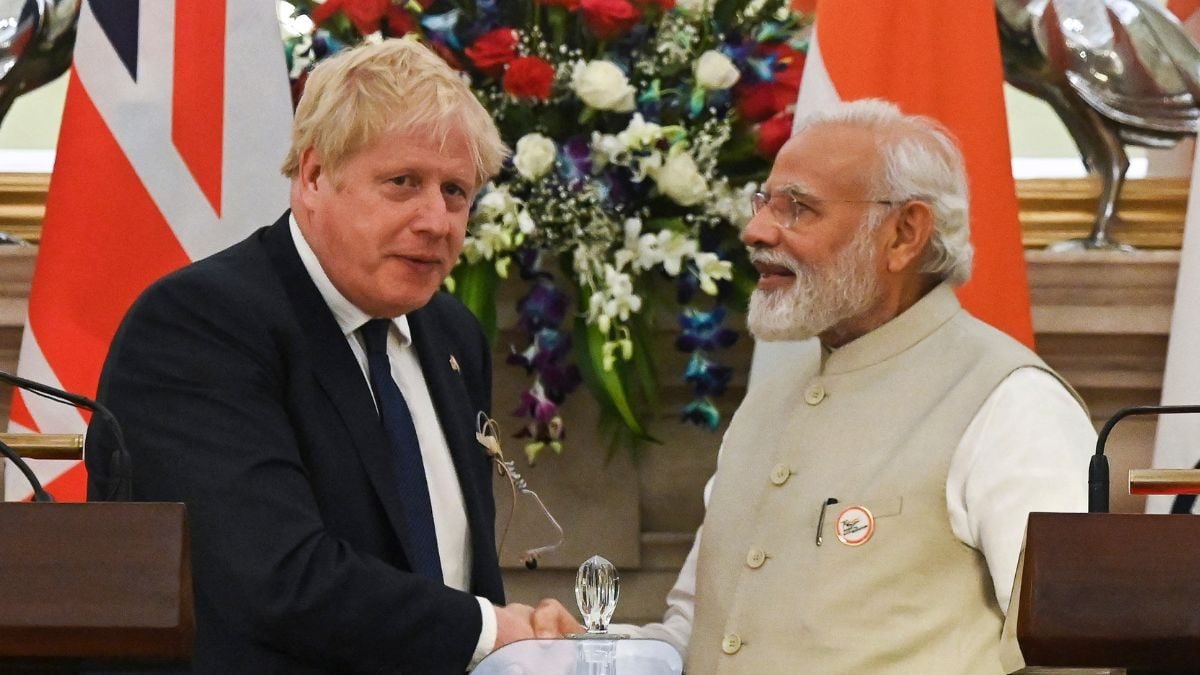
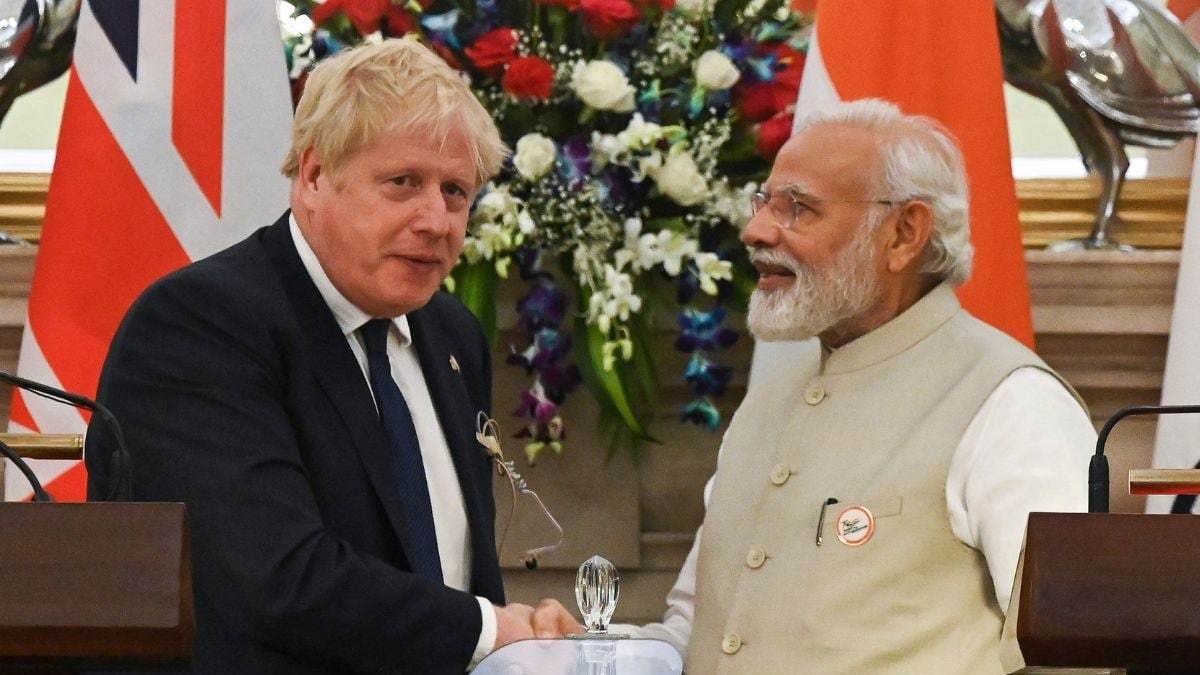
    Boris Johnson’s new memoir, ‘Unleashed’, provides insights into his relationship with Prime Minister Narendra Modi and his views on the India-UK partnership. He describes his first meeting with Modi as an encounter with “curious astral energy”, praising Modi as a “change-maker” essential for strengthening ties between the two countries.

    A “Change-Maker” in the Making

    Johnson emphasizes his strong belief in Modi’s ability to drive a meaningful and impactful India-UK relationship. He attributes this conviction to an almost mystical experience during their first meeting at the London Mayor’s office in 2012.

    Astral Energy and Beyond

    The memoir details the atmosphere surrounding the encounter: “He raised my arm and chanted something or other in Hindi, and though I couldn’t follow it I felt his curious astral energy.” This incident solidified Johnson’s belief that Modi was the right partner to forge a robust India-UK partnership, exceeding just a trade deal.

    Beyond the Trade Deal

    Johnson’s enthusiasm for India and Modi’s leadership transcends a mere economic transaction. He envisions a multifaceted collaboration, emphasizing its importance as a “long-term partnership, as friends and equals.” He expresses his personal connection to India through his children’s heritage, further demonstrating a deeper understanding and appreciation for the country.

    Johnson’s memoir delves into his attempt to nudge India towards a more critical stance against Russia during the Ukraine conflict. He acknowledges India’s historical ties with Russia, citing India’s dependence on Russian hydrocarbons as a major factor influencing their neutrality.

    Russia’s Less Accurate “Missiles”

    Despite recognizing the historical context, Johnson calls for a reassessment of India’s relationship with Russia, challenging their reliance on Russian military hardware. He even draws a comparison to the accuracy of his own tennis serve, raising concerns about the reliability of Russian technology.

    A Gentle Push for Realignment

    Johnson reveals a desire for a more aligned strategic posture, arguing that India needs to rethink its relationship with Russia, especially with the shifting global dynamics brought on by the Ukraine crisis. His suggestion implies a move towards a stronger alignment with the West, marking a shift from historical non-alignment policies.

    A Legacy of “Tougher Line” Advocacy

    The book also touches upon Johnson’s discussions with the late Queen Elizabeth II, highlighting her perspective on India’s stance on Russia. He references her memory of a conversation with former Indian Prime Minister Jawaharlal Nehru, where he asserted India’s permanent allegiance to Russia. This episode underscores Johnson’s awareness of historical complexities and his approach to pushing India towards a stronger position on the Russia issue.

    Learning from History

    Despite Queen Elizabeth’s reminder about India’s historical ties to Russia, Johnson emphasizes the importance of taking a tougher line. He emphasizes the need to address the changing international landscape and calls for greater strategic cooperation between India and the West.

    Building on Shared History

    Johnson claims credit for setting the stage for a robust India-UK free trade deal by identifying Modi as the ideal partner. He acknowledges a initial reluctance within the UK Foreign Office regarding Modi, but emphasizes the “tremendous success” of his own visit to India as PM, emphasizing its potential to provide “balm for the soul” amidst challenging domestic circumstances.

    Beyond Trade, a Shared Vision

    He goes beyond the usual focus on trade, climate change, and education partnerships, championing a comprehensive strategic collaboration between India and the UK. This includes joint ventures in military and technology sectors, including initiatives for submarines, helicopters, and marine propulsion systems.

    Addressing Internal Concerns

    The memoir sheds light on Johnson’s efforts to address concerns within the Ministry of Defence (MoD) about India’s close relationship with Russia. He reveals his determination to overcome this skepticism and move forward with a comprehensive program of collaboration, marking a new chapter in India-UK relations.

    Takeaway Points

    • Boris Johnson sees Narendra Modi as a “change-maker” pivotal for strengthening India-UK relations.
    • He believes the relationship should extend beyond trade to encompass a broader partnership as equals.
    • He expresses his understanding of India’s historical relationship with Russia but urges a shift in their dependence on Russian military hardware.
    • Johnson champions a deeper and more comprehensive collaboration between India and the UK, going beyond traditional trade partnerships to embrace strategic cooperation in defense, technology, and other critical areas.
    • His vision envisions a shared future built on mutual trust and shared goals, further solidifying the growing partnership between India and the UK.
  • Boris Johnson’s India: A Relationship “Unleashed”

    Boris Johnson’s India: A Relationship “Unleashed”

    Boris Johnson’s memoir, ‘Unleashed,’ offers a revealing glimpse into his personal and political journey, with a particular focus on his relationship with India and its leader, Narendra Modi. The book showcases his admiration for Modi, highlighting the blossoming bilateral ties between the two nations during Johnson’s tenure as Prime Minister.

    A Curious Astral Energy: Johnson’s Impressions of Modi

    Johnson describes a compelling encounter with Modi during his time as Mayor of London. During a visit to his office, Modi captivated Johnson with his charismatic presence and a palpable “astral energy” that resonated deeply. This encounter marked the beginning of a profound connection between the two leaders, characterized by mutual respect and a shared vision for a robust India-UK partnership.

    Beyond Trade: A Vision for Deep Cooperation

    Johnson’s admiration for Modi extends beyond mere personality, emphasizing Modi’s role as a “change-maker” in the Indo-Pacific. He champions the importance of a robust free-trade agreement with India, seeing it as a catalyst for wider bilateral collaboration. However, his vision extends beyond trade, encompassing a strategic partnership that tackles critical issues like climate change and educational collaborations.

    Johnson believes in a deeper engagement with India, particularly in the realm of military technology. He reveals his efforts to overcome internal resistance from the UK Ministry of Defence, fostering a cooperative framework for joint ventures in areas such as submarine construction, helicopter development, and marine propulsion technology. This shift signifies a break from traditional apprehensions concerning India’s past military ties with Russia.

    While praising Modi’s leadership, Johnson acknowledged the historical and geopolitical complexities of India’s relationship with Russia. He acknowledged India’s reliance on Russian hydrocarbons and its long-standing non-aligned stance. However, he also believed in the potential for a “modulation” in India’s approach, advocating for a reassessment of its reliance on Russian military hardware in light of the conflict in Ukraine.

    Johnson felt it was crucial to have this dialogue with India, despite the potential sensitivities. He saw India’s strategic choices as being particularly important given the “global inflection point” brought on by Russia’s actions. He was unafraid to push for a “tougher line” towards Russia, drawing inspiration from the Queen’s own interactions with Indian leaders like Jawaharlal Nehru.

    A Partnership Rooted in Personal Connections and Historical Ties

    The depth of Johnson’s appreciation for India extends beyond policy considerations. He emphasizes his personal connection to India through his children’s Sikh heritage, making him a frequent attendee of Indian weddings and a fervent advocate for the country’s cultural richness. He points to his own experience, emphasizing the importance of personal and cultural connections in forging strong diplomatic ties.

    Johnson’s memoir paints a positive picture of India-UK relations, emphasizing the role he played in bolstering the relationship during his time as Prime Minister. He acknowledges the challenges, but also underlines the shared ambitions and the possibilities for cooperation in building a strong and enduring strategic partnership.

    Take Away Points

    • Boris Johnson views Narendra Modi as a crucial figure in shaping India-UK relations.
    • The relationship is seen as extending beyond trade to encompass a broader strategic partnership in various areas.
    • Johnson championed greater cooperation on defense and technological fronts, while acknowledging historical sensitivities.
    • The book reveals insights into the challenges and opportunities surrounding India-UK cooperation in a globalized world.
    • Personal and cultural connections are highlighted as playing an important role in strengthening the bond between the two countries.
  • Kumbh Mela: A Hindu Exclusive?

    Kumbh Mela: A Hindu Exclusive?

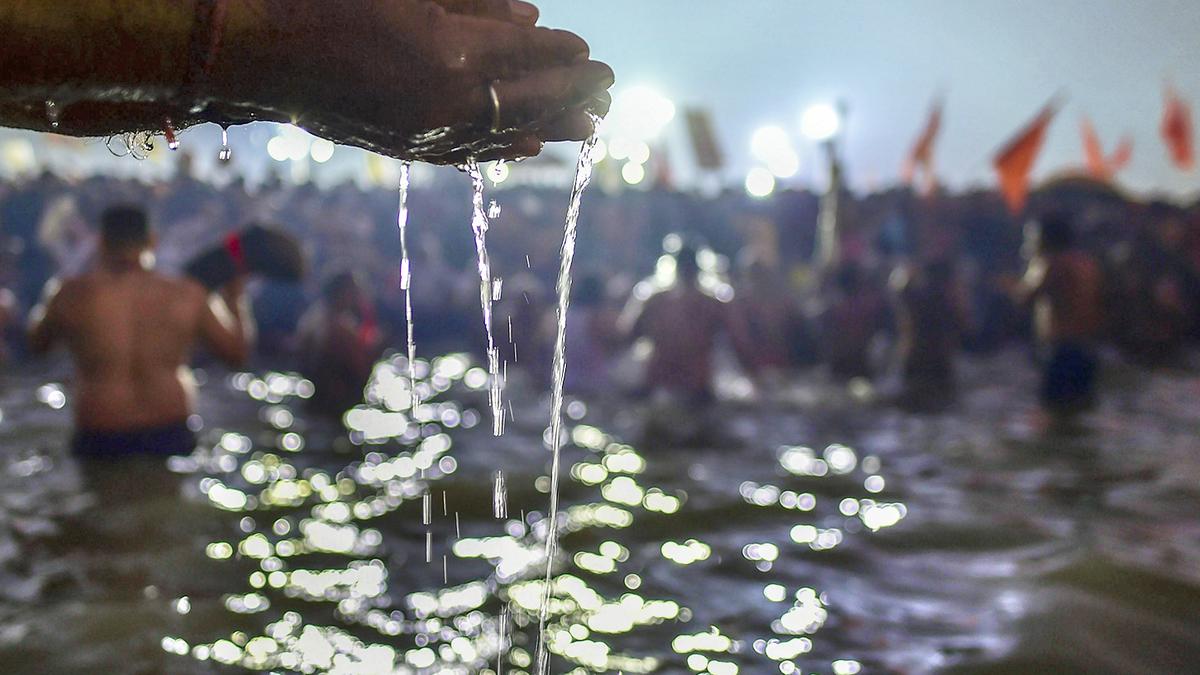
    The Akhil Bharatiya Akhara Parishad (ABAP), an apex body of Hindu seers and religious leaders, has announced its decision to prevent non-Hindus from attending the Kumbh Mela in Prayagraj, scheduled for next year. This decision stems from concerns regarding the alleged adulteration of food by individuals from a “particular community,” seemingly referring to Muslims, and the seers’ desire to maintain the “piousness” and “holiness” of the event.

    Excluding Non-Hindus from the Kumbh Mela

    The ABAP’s decision to bar non-Hindus from the Kumbh Mela is based on the belief that their presence could compromise the religious significance of the event and potentially lead to law-and-order issues. The seers cite videos circulating online allegedly showing individuals adding spit and urine to food items as evidence for their concerns.

    Fear of Adulteration and Law and Order Concerns

    The seers believe that the presence of non-Hindus, particularly those allegedly involved in food adulteration, could lead to unrest and anger among the Hindu community attending the Kumbh Mela. They fear that such acts could desecrate the sacred nature of the event and disrupt the peace and order.

    Accusations Against “A Particular Community”

    While the seers do not explicitly name the “particular community” they refer to, it is widely understood to be the Muslim community. This has led to concerns about the potential for religious tensions and discriminatory practices being normalized.

    Demands for Sanatani Officials and Police

    The ABAP is not only calling for the exclusion of non-Hindus but also demanding that only Hindu officials and police officers be assigned to duty at the Kumbh Mela. This demand has raised concerns about discrimination and potential abuse of power.

    Concerns About Discrimination

    The ABAP’s insistence on having only Sanatani officials and police officers at the Kumbh Mela suggests a potential for discrimination against individuals of other faiths. This raises concerns about whether such a policy could lead to the marginalization and exclusion of minority groups from participating in and managing public events.

    Impact on Security and Public Order

    While the ABAP’s concern for security is understandable, the decision to limit staffing based on religion raises concerns about its effectiveness. Excluding competent officials solely on religious grounds could potentially impact the overall security and management of the event.

    Attempts to “Sanitize” Kumbh Rituals

    The ABAP has also decided to change the names of some rituals that contain Farsi terms, including “Shahi Snan” and “Peshwai.” This move reflects an attempt to remove any perceived foreign influences and promote a more “pure” and “Hindu” identity for the Kumbh Mela.

    Concerns About Cultural Appropriation and Erasure

    The ABAP’s decision to rename rituals with Farsi terms has raised concerns about cultural appropriation and erasure. It is argued that this attempt to sanitize the event by removing non-Hindu elements disregards the historical and cultural complexities of the Kumbh Mela and reflects a narrow understanding of Hinduism.

    Potential for Further Exclusion and Segregation

    This move further highlights the ABAP’s agenda to promote a homogenous and exclusive form of Hinduism, which could contribute to further division and segregation within Indian society.

    Reactions and Implications of the ABAP’s Decision

    The ABAP’s decision has been met with mixed reactions, with some supporting the seers’ stance and others expressing concerns about its implications for religious tolerance and social harmony.

    Concerns About Religious Intolerance

    Critics argue that the decision is discriminatory and promotes religious intolerance, which could further exacerbate existing tensions between Hindu and Muslim communities.

    Impact on Interfaith Harmony

    The decision to exclude non-Hindus and demand exclusively Sanatani officials could contribute to the erosion of interfaith harmony and promote an atmosphere of mistrust and prejudice.

    Calls for Dialogue and Understanding

    Many advocates for interfaith harmony and religious freedom are calling for dialogue and understanding to address the concerns raised by the ABAP’s decision and promote a more inclusive and harmonious approach to celebrating cultural and religious events.

    Take Away Points

    The ABAP’s decision to exclude non-Hindus and demand a solely Sanatani workforce for the Kumbh Mela has ignited significant controversy, highlighting concerns regarding religious intolerance, discrimination, and the potential for further division within Indian society. The situation underscores the need for continued dialogue and understanding among different religious communities and a commitment to promoting inclusivity and respect in public spaces.

  • Digital Arrest Scams: The New Cybercrime Threat

    Digital Arrest Scams: The New Cybercrime Threat

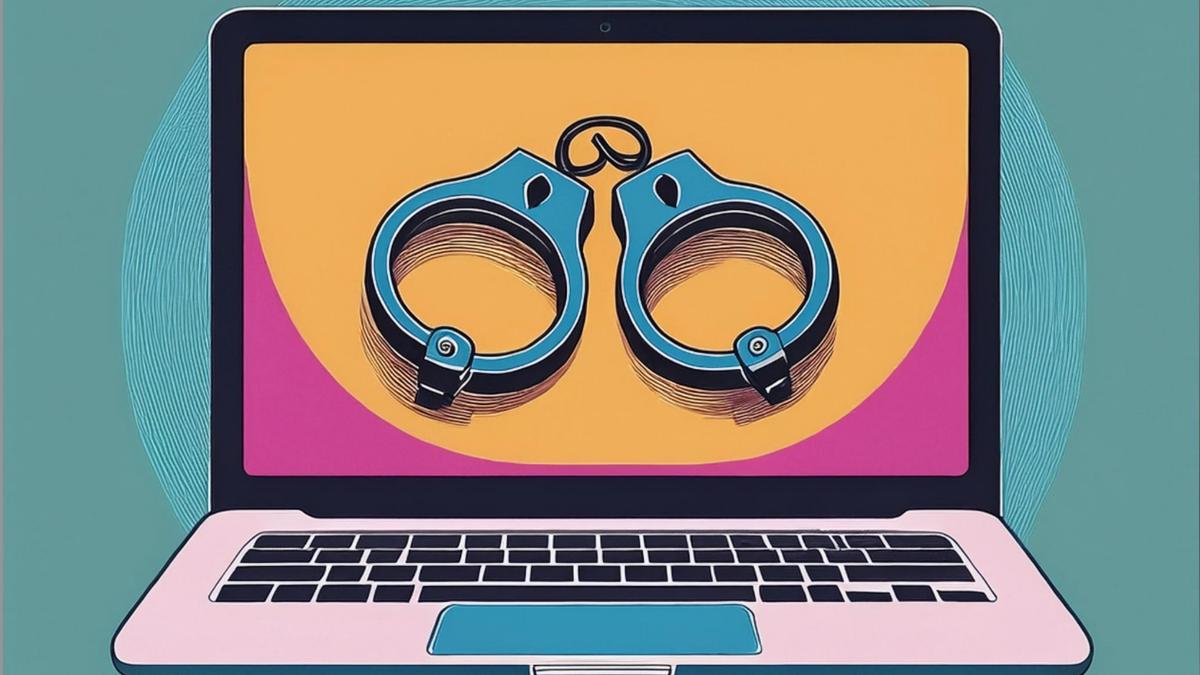
    A retired Aligarh Muslim University professor, Qamar Jahan, was allegedly duped of over ₹75 lakhs by cyber fraudsters who tricked her into believing she was under “digital arrest.” This elaborate scheme, where fraudsters impersonate law enforcement officials, is becoming increasingly common, highlighting the evolving nature of cybercrime.

    The Modus Operandi of Digital Arrest Fraud

    This particular case exemplifies the classic digital arrest scam. The fraudsters, posing as Enforcement Directorate officials, contacted Ms. Jahan, accusing her of involvement in money laundering through dubious transactions. They then threatened her with arrest unless she deposited a certain sum of money to the “court.”

    The perpetrators utilized several tactics to gain Ms. Jahan’s trust and manipulate her into complying with their demands:

    • Impersonation: The fraudsters created a sense of urgency and fear by posing as legitimate law enforcement officials.
    • Threat of Arrest: The accused pressured Ms. Jahan by falsely claiming she was under arrest, leveraging fear and intimidation.
    • Urgency and Deception: They created a sense of urgency, demanding immediate payments to avoid arrest, leaving little room for the victim to question the legitimacy of the situation.

    This specific case involved Ms. Jahan being held under “digital arrest” for over 10 days, highlighting the prolonged manipulation the victims are subjected to.

    How Digital Arrest Scams Work

    While this particular case involved the Enforcement Directorate, cybercriminals commonly impersonate other law enforcement agencies like the CBI or customs officials. The common thread across these scams is:

    • Fake International Parcels: The initial contact usually involves a fabricated story about an international package containing banned drugs or illicit substances linked to the victim.
    • Money Laundering Accusation: Victims are then falsely accused of money laundering related to these fake parcels.
    • Fake Arrest Orders: Perpetrators claim to have issued “digital arrest warrants,” using fabricated documents or manipulating screen captures to appear legitimate.
    • Demand for Bribes: To avoid the alleged arrest, victims are pressured to pay a bribe or deposit a large sum of money into specific bank accounts provided by the fraudsters.

    The Impact of Digital Arrest Scams

    These digital arrest scams are particularly concerning for several reasons:

    • Psychological Distress: The victims, believing they are under arrest, experience immense psychological distress, fear, and pressure.
    • Financial Loss: Victims often lose significant sums of money, sometimes their life savings, to the fraudsters.
    • Erosion of Trust: These scams erode public trust in legitimate law enforcement agencies.
    • Cybercrime Sophistication: The use of technology, such as video calls and fabricated documents, makes these scams increasingly difficult to detect and combat.

    Steps to Protect Yourself from Digital Arrest Scams

    These scams exploit vulnerabilities in public trust and awareness about online security. To avoid falling victim, individuals need to be proactive:

    • Stay Informed: Be aware of the common tactics employed by these scammers, including impersonation, false accusations, and fabricated arrest orders.
    • Verify Information: Always verify information with legitimate sources before making any payments.
    • Do Not Provide Personal Information: Never share sensitive personal details such as bank account information, passwords, or government identification numbers with unknown individuals or sources.
    • Report Suspicious Activities: If you receive suspicious calls, emails, or messages related to “digital arrest” or fake law enforcement agencies, report the incident to your local police station or the National Cybercrime Reporting Portal.

    The Role of Law Enforcement Agencies

    The increased frequency of these digital arrest scams necessitates a concerted effort by law enforcement agencies:

    • Public Awareness Campaigns: Disseminating public service announcements and awareness campaigns highlighting the dangers of these scams and providing guidance on protecting oneself.
    • Improved Cybersecurity Measures: Enhancing cybersecurity infrastructure to mitigate online fraud and deter perpetrators.
    • Interagency Collaboration: Closer collaboration among law enforcement agencies, cybercrime units, and financial institutions to track and investigate these scams effectively.
    • International Cooperation: Collaborating with international law enforcement agencies to combat cross-border cybercrime, as these scams often involve perpetrators operating from different jurisdictions.

    Takeaway Points

    The rise of digital arrest scams demonstrates the evolving nature of cybercrime and highlights the need for greater public awareness, effective law enforcement strategies, and collaborative action to combat this threat. It is crucial to remember that no legitimate law enforcement agency will demand payment to avoid arrest. If you receive any such request, remain vigilant, report the incident, and consult with the appropriate authorities.