Author: admin

  • Exploring the Best 7-Seater Cars for Budget-Conscious Families

    Exploring the Best 7-Seater Cars for Budget-Conscious Families

    In today’s dynamic world, owning a car that accommodates the entire family comfortably is more a necessity than a luxury, especially for families with six or seven members. However, the challenge often lies in finding a vehicle that fits the budget without compromising on quality and features. To aid in this quest, we’ve compiled an insightful guide to the top 5 affordable 7-seater cars available, focusing on their key attributes, pricing, and what makes them stand out in the crowded automotive market.

    1. Renault Triber – The Economical Choice for Families

    Renault Triber has made a name for itself in the Indian market as the most budget-friendly Multi-Purpose Vehicle (MPV). What sets the Triber apart is its efficient 1-liter petrol engine, capable of delivering 71bhp and 96Nm. This engine pairs with either a 5-speed manual transmission or an optional 5-speed Automated Manual Transmission (AMT), providing a balance of power and ease of driving. Notably, the Triber has been awarded a 4-star safety rating by Global NCAP, making it a safe choice for families. With a starting price of INR 6.34 lakh (ex-showroom), the Renault Triber stands as an attractive option for those seeking affordability without sacrificing quality.

    2/3. Maruti Suzuki Eritga & Toyota Rumion – The Popular and Versatile Twins

    Maruti Suzuki Eritga and Toyota Rumion, two vehicles based on the same platform, have become the go-to choice for many Indian families. Both these MPVs are equipped with a robust 1.5-liter petrol engine, which produces 102bhp and 136.8Nm, offering a smooth and powerful driving experience. These cars come with the option of a 5-speed manual or a more advanced 6-speed torque converter automatic gearbox, featuring paddle shifters for an enhanced driving experience. The Eritga starts at a price point of INR 8.64 lakh, while the Toyota Rumion begins at INR 10.29 lakh (ex-showroom), making both vehicles a worthwhile investment for those seeking a blend of performance, space, and comfort.

    4/5. Mahindra Bolero and Bolero Neo – The Rugged and Reliable Companions

    The Mahindra Bolero and Bolero Neo offer a distinct approach to the 7-seater segment, bringing a rugged charm coupled with practicality. The Bolero Neo, a body-on-frame SUV, stands as one of the most affordable 7-seater diesel SUVs in India. It’s equipped with a 1.5-liter diesel engine paired with a 5-speed manual gearbox, delivering 99bhp and 260Nm. Priced starting at INR 9.63 lakh (ex-showroom), the Bolero Neo is an ideal pick for those who value durability and a strong road presence.

    On the other hand, the Mahindra Bolero features the efficient mHawk D75 1.5-liter diesel engine, paired with a 5-speed manual gearbox. This engine produces a power output of 76PS and 210Nm, offering a reliable performance. Starting at INR 9.78 lakh (ex-showroom), the Bolero is designed for those who seek a no-nonsense, sturdy vehicle that can handle both city roads and rough terrains with ease.

  • Understanding Education Loans: A Comprehensive Guide

     Education Loans: the pursuit of higher education, financial barriers often emerge as significant hurdles. This is where education loans come into play, offering a lifeline to students aspiring for academic advancement beyond secondary classes. But what exactly are education loans, and how do they work? Let’s dive into the nuances of these loans, their repayment structures, and the benefits they offer.

    What is an Education Loan?

    An education loan is specifically designed to cover the expenses associated with higher education, such as tuition fees, books, accommodation, and other related costs. These loans can be availed from governmental bodies or private financial institutions. The primary aim of an education loan is to ensure that financial constraints do not hinder a student’s educational progress.

    Decoding the EMI Structure of Education Loans

    Equated Monthly Installment (EMI) forms the basis of repaying an education loan. This repayment method breaks down the total loan amount (including the principal and the interest) into manageable monthly payments. The exact amount of each EMI depends on several factors, including the total loan amount, interest rate, and the loan tenure. It’s important to note that different banks may have varied policies regarding loan limits and repayment terms. Typically, repayment commences once the student completes their course of study, with each bank having its own specific terms for this period.

    Benefits of Using an Education Loan EMI Calculator

    An education loan EMI calculator is an invaluable tool for prospective borrowers. It helps in determining whether the loan amount needed for studying in India or abroad fits within one’s budget. This calculator swiftly provides an estimate of the monthly installments, enabling students to plan their finances effectively. It takes into account both the principal amount and the interest, offering a clear picture of the total expenditure involved.

    How EMI Calculation Aids in Financial Planning

    Understanding the EMI for a loan is crucial for effective financial planning. By knowing the monthly amount needed for loan repayment, one can make informed decisions about whether a particular education loan is affordable. It also assists in budgeting for other household expenses, ensuring that the loan does not become a financial burden.

    Advantages of Regular EMI Checks

    • Assessing Loan Affordability: Regularly checking the EMI helps in evaluating whether the loan is within one’s financial capacity.
    • Understanding Total Loan Amount and Tenure: It provides clarity on the overall amount that will be owed and the duration of the loan.
    • Planning for Loan Repayment: By knowing the EMI, borrowers can strategize their loan repayment effectively.
    • Preparing for Prepayment Options: It allows borrowers to plan for any potential prepayments, reducing the total interest paid.

    The Benefits of Availing an Education Loan

    1. Covers a Range of Educational Expenses: Education loans can cover expenses like tuition fees, hostel charges, and the cost of books.
    2. Significant Funding Proportion: Banks often fund up to 90% of the total educational expenses.
    3. Tax Benefits on Interest: Borrowers can avail tax deductions on the interest paid towards the education loan.
    4. Repayment Post Course Completion: Repayment of the loan starts only after the completion of the course, giving students time to establish themselves financially.
    5. Facilitates Better Career Choices: With the financial burden eased, students can make better career decisions post-graduation, focusing on opportunities that allow them to manage both their expenses and loan repayment.
    6. Improves Credit Score: Timely repayment of education loans contributes to a good credit score, easing future loan approvals.
  • Understanding Cervical Cancer: A Comprehensive Guide

    Understanding Cervical Cancer: A Comprehensive Guide

    Cervical cancer ranks as the second most common cancer affecting women worldwide, following breast cancer. This type of cancer, primarily affecting the cervix, is known as the cancer of the opening of the uterus. According to medical experts, factors such as weakened immunity, multiple sexual partners, poor genital hygiene, and early childbirth increase the risk of developing cervical cancer. Furthermore, lifestyle choices like smoking and excessive alcohol consumption also escalate the risk. The introduction of the HPV (Human Papillomavirus) vaccine has been a significant step in preventing cervical cancer. In India, there has been a noticeable increase in the number of cervical cancer cases. Early detection can significantly enhance the chances of successful treatment and survival.

    The Right Age for HPV Vaccination

    To prevent cervical cancer, it is essential to undergo regular screening tests. Girls as young as 9 should be examined by a gynecologist if they experience symptoms like abnormal bleeding or foul odor, which may indicate a genital infection, potentially leading to cancer if left untreated. The ideal age range for receiving the HPV vaccine is between 9 to 45 years. However, the most recommended age for vaccination is between 11 and 12 years. The vaccine is available in two forms: the quadrivalent vaccine, which protects against four strains of the virus, and the nonavalent vaccine, which covers nine strains. Girls under 15 require two doses of the vaccine, administered six months apart, while those aged 15 and older need three doses.

    Essential Tests for Women

    Excessive alcohol consumption and the use of birth control pills can also increase the risk of developing cervical cancer. Women are advised to undergo a Pap test every three years, an essential step in preventing cervical cancer. The Pap smear is a standard screening test for cervical cancer, recommended for all women and girls over the age of 21. Women over 30 are advised to have a Pap Duo test, which includes both a Pap smear and an HPV DNA test. Regular Pap smear screenings every three years are crucial in preventing cervical cancer, and increasing awareness about this is essential.

    Vaccination Guidelines

    The HPV vaccine is available to any girl or woman aged 9 to 45. However, the optimal time for vaccination is considered to be between 11 to 12 years. The vaccine is available as a quadrivalent vaccine, offering protection against four strains of the virus, and as a nonavalent vaccine, covering nine strains. Girls under 15 need two doses of the vaccine, administered with a six-month gap, while those aged 15 and older require three doses.

    The Importance of Early Detection

    Early detection of cervical cancer is vital. Regular health check-ups, awareness of the symptoms, and understanding the risk factors are crucial for early diagnosis and treatment. Women should be attentive to any changes in their menstrual cycle or any unusual symptoms and seek medical advice promptly.

    Lifestyle Choices and Cervical Cancer Risk

    Lifestyle choices significantly impact the risk of developing cervical cancer. Smoking and excessive alcohol consumption are known to increase this risk. Adopting a healthy lifestyle, including a balanced diet and regular exercise, can contribute to reducing the risk of cervical cancer.

    The Role of HPV in Cervical Cancer

    HPV is a major contributing factor in the development of cervical cancer. The virus is often transmitted through sexual contact, and most cases of cervical cancer are linked to HPV. The HPV vaccine plays a crucial role in preventing the infection and, consequently, reducing the risk of cervical cancer.

  • Understanding Short Menstrual Cycles: Causes and Health Implications

    Understanding Short Menstrual Cycles: Causes and Health Implications

    Menstruation, commonly known as a period, is a vital indicator of a woman’s overall health. Typically, a menstrual cycle lasts between 3 to 5 days. However, variations do occur, and in some cases, women experience bleeding for only 2 days. This deviation from the norm can be a signal of underlying health issues, making it essential to understand its causes and potential health implications.

    The Significance of Menstrual Cycle Length

    The duration of a menstrual cycle can provide significant insight into a woman’s reproductive health. While it’s relatively common for cycle lengths to vary slightly from month to month, consistently short cycles warrant a closer look.

    Pregnancy and Early Bleeding

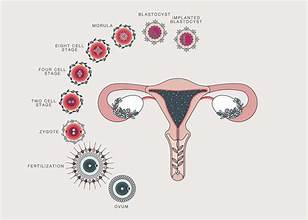
    One of the most common reasons for a 2-day period is early pregnancy. Bleeding in early pregnancy can often be mistaken for a regular period. This type of bleeding, known as implantation bleeding, tends to be lighter in color, ranging from pink to dark brown. It’s crucial to note that not all pregnant women experience this, and other symptoms of early pregnancy should also be considered.

    Miscarriage: An Underlying Cause

    Miscarriage is another significant cause of short-term bleeding. Often, women experience this type of bleeding along with abdominal pain and cramps. Miscarriage-related bleeding can be accompanied by back pain and discomfort in the pelvic area. Recognizing these symptoms early on is crucial for appropriate medical care.

    The Impact of Breastfeeding

    Post-delivery, women who breastfeed may experience a delay in the return of regular menstrual cycles. In many cases, periods do not resume for up to six months postpartum. Once menstruation returns, the initial cycles can be irregular and shorter than usual.

    Stress and Its Effects on Menstruation

    Excessive stress can have a profound impact on a woman’s menstrual cycle. High stress levels can lead to hormonal imbalances, which in turn can cause periods to be shorter and less regular. Addressing stress and mental health is crucial in maintaining regular menstrual cycles.

    Birth Control Pills and Menstrual Cycle Changes

    The use of birth control pills is another common reason for experiencing only 2-day periods. These pills work by thinning the lining of the uterus, which can lead to shorter and lighter periods. It’s important for women to understand how their choice of contraception can affect their menstrual cycle.

    When to Seek Medical Advice

    If short menstrual cycles become a regular occurrence, it is advisable to seek medical attention. Consistently having periods that last only 2 days, especially if accompanied by other symptoms, can indicate health issues that may require treatment.

  • Budget 2024: आज के बजट में क्या होगी घोषणा

    Budget 2024: आज के बजट में क्या होगी घोषणा

    Budget 2024: आज वित्त मंत्री निर्मला सीतारमण बजट पेश करने जा रही हैं। आने वाले बजट का सभी को बेसब्री से इन्तजार है। उम्मीद जताई जा रही है आज कई बड़े बजट में कई बड़े एलान किए जा सकते हैं। हालांकि जानकारों का कहना है बजट कई बड़े सरप्राइज के साथ जनता के सम्मुख प्रस्तुत किया जाएगा। मोदी सरकार अबकी चुनाव को ध्यान में रखते हुए बजट पेश करके जनता को चौंकाने वाली है।

    जानकारों के मुताबिक बजट मध्यम वर्ग, किसानों और असंगठित क्षेत्र के श्रमिकों के लिए लुभावने वादों के साथ आएगा। महिला सशक्तीकरण की बात होगी। कई बड़ी योजनाओं की घोषणा की जा सकती है। बजट की सबसे खास बात यह रहेगी की इसकी सभी घोषणाएं चुनावी प्रक्रिया को ध्यान में रखकर होंगी। जिससे मोदी सरकार बजट के साथ अपना वोट बैंक मजबूत करने की नीति में सफल हो सके।

    क्योंकि जब साल २०१९ में लोकसभा चुनाव होने को थे। तो 2019 में वित्त मंत्री की भूमिका में पीयूष गोयल थे। उन्होंने मिडिल क्लास को फोकस करते हुए पांच लाख रुपए तक की इनकम को आयकर से छूट दी थी और किसानों को तोहफा देते हुए प्रधानमंत्री किसान सम्मान निधि का ऐलान किया था। जिसके माध्यम से मोदी सरकार ने आर्थिक रूप से कमजोर किसानों को सालाना 6 हजार रूपये की राशि देने का वाद किया और जनता के बीच खूब लोकप्रियता हासिल की।

  • Unlocking Growth: Impressive Rise in GST Collections Marks Pre-Budget Triumph

    Unlocking Growth: In a significant pre-budget revelation, the central government received uplifting news just a day before the budget announcement. The Goods and Services Tax (GST) collections in the country soared to a staggering 1.72 trillion INR in January. This marks the third consecutive month in the current fiscal year where GST collections have surpassed the 1.7 trillion INR mark. The Finance Ministry announced on Wednesday that there is a notable 10.4% increase in GST collections on an annual basis for the month of January. This achievement stands as the second-highest collection in a single month thus far.

    10 Months, 16.69 Trillion INR: A GST Windfall

    According to the Finance Ministry, the government has amassed a substantial 1,72,129 crores INR in GST collections in January 2024. This figure is inclusive up to 5 PM on January 31st. In comparison, the GST revenue for January 2023 was 1,55,922 crores INR. From April 2023 to January 2024, the total GST collection has witnessed an impressive 11.6% annual increase, surging from 14.96 trillion INR to an astounding 16.69 trillion INR in these ten months. This period marks the twelfth consecutive month with GST collections exceeding 1 trillion INR.

    April 2023: Pinnacle of GST Collections

    In the ongoing fiscal year, the month of April 2023 stands out with the highest GST collection, reaching an impressive 1.87 trillion INR. In January, the collection comprised 39,476 crores INR from State Goods and Services Tax (SGST), 89,989 crores INR from Integrated Goods and Services Tax (IGST), and 10,701 crores INR from Cess. These figures, preceding the budget announcement, present a gratifying scenario for the government.

    Factors Driving Collection Surge

    Several factors contribute to the escalating GST collections. The government’s consistent efforts to enhance the GST system, coupled with a robust economy, increased spending during festive seasons, and strategic improvements in GST administration, primarily contribute to this surge in collections.

    The Vital Significance of GST Collections

    GST collections serve as a major revenue source for the government, funding various governmental programs and initiatives. The utilization of funds obtained through GST is indicative of the strength of the economy. The continuous growth in GST collections reflects increased consumer spending, contributing to a robust economy and accelerated economic activity. This positive trend is pivotal for the overall economic health of the nation.

  • Unveiling Snake Fears: What Scares Snakes the Most?

    Unveiling Snake Fears: What Scares Snakes the Most?

    Snakes, often considered perilous venomous creatures, evoke a sense of fear when spotted in or around homes. The instinct to keep a safe distance arises from the potential danger they pose, with their ability to strike unexpectedly. Interestingly, while humans fear snakes, these slithering reptiles harbor fears of their own. Let’s delve into the factors that trigger fear in snakes and explore what they dread the most.

    The Intricate Web of Snake Fear

    According to studies, snakes primarily fear other snakes, especially those from different species. This fear is rooted in the territorial nature of snakes, leading to frequent confrontations between them. It’s noteworthy that certain snake species, like the King Cobra and Viper, exhibit a fearless disposition towards other snakes. These species are known for their aggressive nature, swiftly attacking when they sense a threat.

    Predators in the Wild: Snakes’ Fear of Larger Prey

    Snakes, despite preying on smaller animals, fear larger predators in the wild. To evade potential threats, snakes often seek refuge in burrows or holes during the day, emerging at night in search of food. When sensing danger, snakes release a pungent fluid from their glands as a defense mechanism. Additionally, they attempt to intimidate predators by hissing and striking, deterring them from potential attacks. Some predators like hawks, eagles, foxes, mongooses, and raccoons are adept at hunting snakes.

    Illuminating Fear: Snakes and Bright Lights

    Snakes are highly sensitive to light, and their eyes are adapted for nighttime vision. Consequently, they tend to avoid brightly lit areas, as excessive light can temporarily blind them. Interestingly, snakes may become disoriented or blinded by intense light, further instilling fear in them.

    Sonic Dread: The Fear of Loud Noises

    Snakes rely on their acute hearing abilities to locate prey and avoid predators. Loud noises can disrupt their hunting and make them feel vulnerable. Research suggests that sudden loud sounds prompt snakes to seek safety, fleeing to secure locations away from potential threats.

    Odorous Terrains: Snakes’ Aversion to Strong Smells

    Snakes exhibit a heightened aversion to strong odors, impacting their ability to navigate and locate prey. Scents like garlic, lemon, cinnamon, and mint are particularly unsettling for them. Consequently, snakes tend to avoid areas with overpowering fragrances, as these scents interfere with their hunting instincts.

    Fear Beyond the Scales: Snakes and Other Animals

    Certain animals evoke fear in snakes, considering them natural predators. Dogs, cats, lizards, birds of prey like hawks and owls, and mammals like foxes and raccoons are viewed as potential threats by snakes. Cats, in particular, are known for their agility in hunting and capturing snakes.

    Fire Phobia: Snakes and the Dread of Flames

    Snakes are inherently afraid of fire, given their delicate scales and susceptibility to burns. The vulnerability of their skin to high temperatures makes snakes steer clear of areas prone to fire. The threat of severe skin damage or even death is a compelling deterrent, leading snakes to avoid places with open flames or high temperatures.

  • The Vital Importance of Wetlands: A Global Perspective

    The Vital Importance of Wetlands: A Global Perspective

    Wetlands, where water meets land, are unique ecosystems found across the globe. These areas play a crucial role in maintaining the delicate balance of our planet’s environment. Recognizing the significance of wetlands, World Wetlands Day is observed every year on the 2nd of February.

    The Necessity of Wetlands

    Wetlands are essential because they contribute to reducing water pollution and fostering the development of both fauna and flora. These areas are often rich in plant life, including medicinal plants used in the production of various medicines.

    Celebrating World Wetlands Day

    World Wetlands Day can be celebrated in various settings, from the shores of lakes and ponds to the banks of rivers and oceans. Any land consistently submerged in water throughout the year qualifies as wetland. The purpose of observing World Wetlands Day on February 2nd is to raise awareness about the importance of wetlands globally and to emphasize the need to preserve these vital ecosystems.

    When is World Wetlands Day Celebrated?

    The inaugural celebration of World Wetlands Day took place on February 2, 1971, during the Wetland Convention held in Ramsar, Iran. The convention was officially adopted in 1975, and the first World Wetlands Day was celebrated on February 2, 1997. India, recognizing the significance of wetlands, signed the convention in 1982.

    India’s Chilika Lake: A Recognized Wetland

    Wetlands come in various forms, including coastal wetlands with saline water and mangroves, estuaries, and lagoons. On the other hand, inland wetlands consist of lakes, ponds, marshy lands, and riverbanks prone to flooding. Additionally, human-made wetlands, such as fishponds, salt pans, and paddy fields, serve various purposes. Notably, Ramsar, Iran, and Chilika Lake in Odisha, India, are recognized as Wetlands of International Importance by UNESCO.

    Chilika Lake, along with four other wetlands in India, is part of UNESCO’s list of heritage sites. Since these wetlands are crucial for both nature and wildlife, various programs and events are organized globally on February 2nd to educate the public about their importance and encourage conservation efforts.

  • Unleashing Opportunities: RPSC Programmer Recruitment 2024 Guide

    Unleashing Opportunities: RPSC Programmer Recruitment 2024 Guide

    Unleashing Opportunities:  Are you ready to embark on a career journey as a programmer? The Rajasthan Public Service Commission (RPSC) has opened the gateway to a thrilling opportunity with its recent announcement of the Programmer Recruitment for 216 coveted positions. To seize this chance, aspiring candidates must navigate through the application process, understand eligibility criteria, and explore the enticing salary packages awaiting successful individuals. Let’s delve into the details and guide you through each step of the RPSC Programmer Recruitment 2024.

    RPSC Programmer Recruitment 2024: How to Apply

    Step 1: Check Eligibility Criteria

    Before diving into the application process, potential candidates must meticulously review the eligibility criteria outlined in the RPSC Programmer Notification 2024 PDF. Ensure you meet the educational qualifications and other specified requirements to proceed confidently.

    Step 2: Access the Online Application

    Navigate to the official website of RPSC by clicking on the ‘Apply Online’ link or visiting rpsc.rajasthan.gov.in. This is the gateway to your future as a programmer.

    Step 3: Complete the Registration Form

    Efficiently fill out the RPSC Programmer Registration Form 2024, providing accurate and comprehensive details. This step is crucial to establishing your candidacy for the coveted position.

    Step 4: Document Submission

    Upload all necessary documents as specified in the application process. Ensure that the provided documents showcase your qualifications and support your application.

    Step 5: Pay Application Fees

    Complete the application process by paying the requisite fees. This is a vital step to validate your application for consideration.

    Step 6: Print Your Application

    Once the application is submitted, take the final step by printing a copy of the application form. This serves as a tangible record of your application and a testament to your pursuit of this exciting opportunity.

    RPSC Programmer Recruitment 2024: Eligibility Requirements

    To qualify for the programmer position, candidates must hold a degree in BE/BTech/MSc/MCA in Information Technology, Computer Science, or Electronics & Communication from a recognized university. Alternatively, candidates can possess an MTech/MBA from a university established by law in India.

    RPSC Programmer Recruitment 2024: Salary and Age Criteria

    Age Limit

    Prospective candidates must be between 21 and 40 years old to apply for the RPSC Programmer position. Reserved category applicants can enjoy age relaxation as per Central Government rules.

    Lucrative Salary Package

    Successfully securing the programmer role with the Rajasthan administration brings forth a lucrative salary ranging from Rs 78,000 to Rs 2 lakh 9 thousand monthly. This competitive remuneration underscores the significance and value attached to the role.

  • Unveiling the Transformations at Paytm Payments Bank: What You Need to Know

    Unveiling the Transformations at Paytm Payments Bank: What You Need to Know

    In recent years, Paytm has encountered significant challenges, but now it faces a new chapter marked by both challenges and enhancements. The Reserve Bank of India (RBI) has swiftly shut down several services of Paytm Payments Bank with immediate effect. As per RBI’s directives, Paytm Payments Bank cannot onboard new customers, and existing customers who are currently using the wallet won’t be able to add funds after February 29. Let’s delve into how this will impact existing users.

    Respite for Existing Users until February 29

    According to the orders issued by RBI, Paytm Payments Bank cannot enroll new customers. However, RBI has clarified that existing users can continue to fully utilize their accounts until February 29. This means that if you have availed yourself of any services through Paytm, such as Fastag, Common Mobility Card recharge, or postpaid loans, you can continue to benefit from these features until the end of February. But, post the specified date, any further utilization of services through Paytm will not be possible.

    What Does RBI Say?

    The Reserve Bank of India, addressing the matter of Paytm Payments Bank, stated that a system audit report and compliance validation report revealed consistent non-compliance with standards. This revelation led to the decision to curtail the operations of Paytm Payments Bank. The bank further disclosed that several deficiencies have surfaced in the functioning of Paytm Payments Bank, warranting further stringent actions.

    The Future of Paytm Payments Bank

    With the immediate cessation of specific services, Paytm Payments Bank faces a challenging road ahead. This move by RBI signifies a strict stance on non-compliance and indicates that Paytm Payments Bank needs to address and rectify the identified issues promptly. As Paytm Payments Bank is essential for many users who have integrated it into their daily transactions, the impact on user convenience and financial operations is inevitable.

    Strategic Measures for Existing Users

    If you are an existing Paytm Payments Bank user, it’s crucial to take strategic measures to navigate the impending changes. Here are some recommendations:

    1. Exhaust Existing Features by February 29

    Given the impending restrictions post February 29, make sure to utilize all available features and services provided by Paytm Payments Bank. Whether it’s recharging your Fastag, topping up your Common Mobility Card, or settling postpaid loans, ensure you make the most of these services before the cutoff date.

    2. Explore Alternatives

    Considering the potential limitations in Paytm Payments Bank services, explore alternative platforms for your financial transactions and services. Identify reliable options that align with your requirements and seamlessly transition your financial activities to ensure minimal disruption.

    3. Stay Informed

    Keep yourself informed about updates and developments related to Paytm Payments Bank. As the situation unfolds, staying informed will empower you to make informed decisions about your financial activities and choose the best alternatives available in the market.