Author: admin

  • Exploring Delhi’s Hidden Gems: A Budget-Friendly Guide to National Tourism Day

    Exploring Delhi’s Hidden Gems: A Budget-Friendly Guide to National Tourism Day

    National Tourism Day, celebrated annually on January 25th, is not just a day to appreciate the beauty of travel destinations worldwide but also an opportunity to explore the mesmerizing and budget-friendly attractions within our own countries. In India, a nation brimming with cultural heritage and scenic beauty, there’s no better place to start than the capital city, Delhi. This article takes you through some of Delhi’s most beautiful and cost-effective destinations, perfect for those wanting to make the most out of their travel budget.

    Akshardham Temple: A Marvel of Spirituality and Architecture At the heart of Delhi’s spiritual landscape is the Akshardham Temple, a place not just famous in India but renowned globally. This architectural masterpiece, visited by tourists from all corners of the world, offers an enriching experience without the need for a hefty budget. Easily accessible via the Delhi Metro’s Blue Line, the temple not only presents an awe-inspiring sight but also hosts an enthralling light and sound show, making it a must-visit destination in Delhi.

    Lotus Temple: An Oasis of Peace For those seeking tranquility amidst the bustling city, the Lotus Temple is a sanctuary. Unique in its design and spiritual approach, this temple doesn’t house any deity. Instead, it offers a space for quiet reflection and worship, irrespective of religious affiliations. The serene environment of the Lotus Temple provides a peaceful retreat, ideal for those looking to escape the city’s chaos and find a moment of calm.

    National Rail Museum: A Journey Through Time Delhi’s National Rail Museum is a delightful stop, especially for families and children. This museum offers a glimpse into the history of Indian Railways, showcasing a variety of trains, from antique steam engines to modern toy trains. It’s a place where history comes alive, providing both educational and entertaining experiences for visitors of all ages.

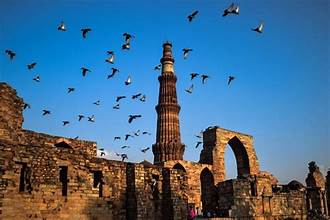
    Qutub Minar: A Historical Pillar of Pride Another gem in Delhi’s crown is the Qutub Minar. This UNESCO World Heritage Site attracts tourists from around the world, eager to see its historical magnificence. The iron pillar within its premises, known for its rust-resistant composition, is a marvel in itself. The Qutub Minar is not just a testament to India’s rich history but also an architectural wonder that speaks volumes of the country’s past.

  • Unveiling the Prestige of Bharat Ratna: India’s Highest Civilian Honor

    Unveiling the Prestige of Bharat Ratna: India’s Highest Civilian Honor

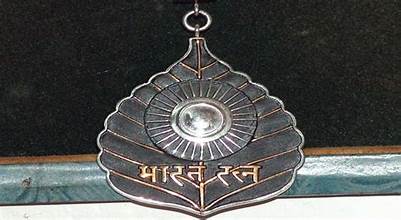
    Bharat Ratna: The Bharat Ratna, India’s highest civilian award, stands as a testament to exceptional service and contributions in various fields. Instituted in 1954 under the leadership of India’s first President, Dr. Rajendra Prasad, the award initially honored only living individuals. However, it later evolved to include posthumous recognitions, celebrating the enduring legacies of those who have profoundly impacted the nation.

    The Significance and Privileges of Being a Bharat Ratna Awardee

    Recipients of the Bharat Ratna are not just conferred with a certificate and a medal; they are bestowed with a legacy that transcends material rewards. The awardees receive no monetary prize but are honored with unparalleled recognition and special privileges. These privileges include invitations to government events and access to facilities typically reserved for high-ranking officials, such as complimentary railway travel. The protocol associated with the award ranks the recipients alongside the nation’s most esteemed leaders, reflecting the profound respect and acknowledgment they receive from the government at both central and state levels.

    A Symbol of Unity: Recognizing Global Figures

    The Bharat Ratna’s reach extends beyond national borders, embracing global icons who have contributed significantly to humanity. Khan Abdul Ghaffar Khan, famously known as Frontier Gandhi, holds the distinction of being the only Pakistani and the first non-Indian recipient of this honor. This recognition underscores the award’s commitment to global peace and brotherhood, further exemplified by the honoring of international luminaries like Mother Teresa and Nelson Mandela.

    Recent Laureates of the Bharat Ratna

    The Bharat Ratna’s recent recipients include former President Pranab Mukherjee in 2019, recognized for his lifelong dedication to public service. In the same year, social activist Nanaji Deshmukh and the renowned artist Dr. Bhupen Hazarika were posthumously awarded, celebrating their extraordinary contributions to society and the arts, respectively.

    Expanding Horizons: Inclusivity in Bharat Ratna Awards

    In a landmark move in 2014, the Bharat Ratna opened its doors to sporting excellence by honoring cricket legend Sachin Tendulkar. This inclusion, initiated in 2013, marked a significant expansion in the award’s scope, acknowledging the vital role of sports in national pride and unity. The Bharat Ratna has seen intermittent periods of suspension but has always emerged renewed, reflecting its resilience and enduring significance. To date, 49 esteemed personalities have been graced with this honor.

    The Evolution and Pause of the Bharat Ratna

    Over the years, the Bharat Ratna has witnessed periods of hiatus, with no awards presented in certain years due to various reasons. These pauses occurred in years such as 1956, 1959, 1960, 1964, 1965, 1967, 1968-70, 1972-1974, 1977-1979, 1981, 1982, 1984-86, 1993-96, 2000, 2002-2008, 2010-2013, and 2020-22. Each resumption of the award has been a reminder of its prestige and the high standards set for its recipients.

  • Essential Patriotic Films to Watch on Republic Day: A Guide to Celebrating India’s Spirit

    Essential Patriotic Films to Watch on Republic Day: A Guide to Celebrating India’s Spirit

    As Republic Day approaches, many of us look to celebrate and honor the spirit of India through various means. One of the most immersive ways to connect with our nation’s history and culture is through cinema. In this article, we delve into a curated list of iconic patriotic films that not only stir a sense of national pride but also offer a cinematic journey through India’s rich history. These movies, available on various streaming platforms, are perfect for a Republic Day watch.

    “The Legend of Bhagat Singh” (2002): A Cinematic Tribute to a Revolutionary Hero

    Released in 2002, “The Legend of Bhagat Singh” quickly became a box office sensation. The film, featuring Ajay Devgan in the lead role, provides a compelling portrayal of Bhagat Singh, a significant figure in India’s struggle for freedom. Devgan’s performance was widely acclaimed, bringing to life the passion and determination of the revolutionary hero. You can stream this inspiring film on Amazon Prime Video, where it continues to captivate audiences with its powerful storytelling and remarkable direction.

    “Rang De Basanti” (2006): A Film That Resonates with the Youth

    Aamir Khan’s blockbuster, “Rang De Basanti,” is an unforgettable film that left its audience deeply moved. Released in 2006, the movie skillfully intertwines the lives of contemporary Indian youth with the revolutionary figures of India’s past. Winning a National Award, “Rang De Basanti” is not just a film, but a phenomenon that echoes the spirit of patriotism. Its availability on Netflix makes it easily accessible for a heart-touching viewing experience on Republic Day.

    “Border” (1997): A Gripping Tale of Bravery and Sacrifice

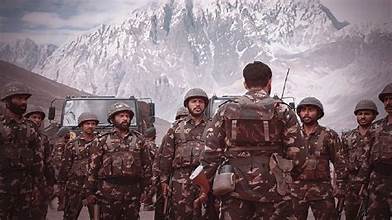
    The 1997 film “Border,” directed by J.P. Dutta, remains a fan favorite to this day. Set against the backdrop of the Indo-Pakistan war of 1971, this film offers a raw and emotional portrayal of the life of soldiers. The movie’s gripping narrative and powerful performances make it a must-watch for anyone interested in India’s military history. “Border” is available for streaming on Amazon Prime Video, providing an opportunity to revisit this classic tale of bravery and sacrifice.

    “Uri: The Surgical Strike” (2019): A Modern Warfare Epic

    Vicky Kaushal’s “Uri: The Surgical Strike” received widespread acclaim from both critics and audiences. This 2019 film is based on the true events of the 2016 surgical strikes conducted by the Indian Army. It showcases a blend of intense action, compelling storytelling, and patriotic fervor. The film’s availability on Zee5 allows audiences to experience this thrilling depiction of modern warfare and nationalistic pride from the comfort of their homes.

    “Shershaah” (2021): A Heartfelt Homage to a War Hero

    The 2021 release “Shershaah,” starring Sidharth Malhotra, is another excellent option for Republic Day viewing. Based on the life of Captain Vikram Batra, who was awarded the Param Vir Chakra, India’s highest military honor, the film beautifully captures the essence of his life and heroism. Malhotra’s portrayal of Captain Batra has been widely praised, and the film’s availability on Amazon Prime Video ensures easy access for those wishing to indulge in this moving story of bravery and patriotism.

  • The Global Tobacco Crisis: A Looming Epidemic and its Alarming Impact

    The Global Tobacco Crisis: A Looming Epidemic and its Alarming Impact

     Tobacco Crisis: Tobacco consumption has become a worldwide epidemic, claiming more than 8 million lives annually. This staggering figure includes 1.3 million individuals who succumb to the effects of secondhand smoke, despite never consuming tobacco themselves.

    Understanding Tobacco’s Prevalence and Harmful Effects Tobacco use, in any form, whether through cigarettes, cigars, or bidis, is detrimental to health. Cigarette smoking, in particular, is the most prevalent form of tobacco consumption globally. Approximately 1.3 billion people worldwide indulge in tobacco use, with around 80% of these individuals residing in five low and middle-income countries, including India.

    The dangers of tobacco are not limited to oral cancer alone. It is also a significant contributor to heart attacks, lung deterioration, and diabetes among various other serious health conditions. In India, nearly 270 million people engage in some form of tobacco use, leading to 1.35 million deaths each year.

    In terms of frequency, this translates to one death every 24 seconds, five deaths every two minutes, 154 deaths every hour, and 3,699 deaths daily in India due to tobacco consumption.

    The Economic Toll of Tobacco in India According to a study by the World Health Organization (WHO), India faces a loss exceeding 1% of its GDP annually due to diseases and premature deaths caused by tobacco. This cost significantly outweighs the government’s revenue from tobacco, with much of the funds being redirected towards medical treatments and awareness campaigns.

    The study highlighted that between 2017 and 2018, tobacco-related illnesses and deaths cost the Indian economy $27.5 billion (approximately 1.77 lakh crore rupees). This means for every 100 rupees earned in tax, the economy suffers an 816-rupee loss due to tobacco.

    The economic burden of tobacco is predominantly due to smoking, accounting for 74% of the total cost, while chewing tobacco contributes to 26%. Men bear 91% of this economic burden, with women accounting for the remaining 9%.

    As per Dr. Roderico H. Ofrin, WHO Representative in India, health care expenses related to tobacco use surged by 21% from 2011 to 2018. This increase implies a significant financial strain on the government’s health budget. However, stringent tobacco control measures can save millions of lives and mitigate tobacco’s adverse effects on society and the economy.

    Legislation Against Tobacco Consumption in India The Cigarettes and Other Tobacco Products Act (COTPA) of 2003 prohibits smoking in public places, with violators facing fines up to 200 rupees. Establishments like hotels, restaurants, cinemas, and shopping malls are mandated to display ‘No Smoking’ signs measuring 60 x 30 cm.

    Tobacco companies are barred from advertising their products in any form. Cigarette and tobacco packets must carry health warnings. Shopkeepers are required to display a 60*45 cm board stating ‘Tobacco causes cancer’. Violations can result in fines ranging from 1,000 to 5,000 rupees or imprisonment for 5 to 10 years.

    The sale of tobacco products to minors under the age of 18 is prohibited, and selling tobacco within 100 meters of schools and colleges is punishable by law.

    The Changing Trends in Tobacco Use Among Women and Men

    The decline in tobacco consumption is not limited to a single demographic. For instance, in 2000, 16% of women over the age of 15 used tobacco in some form. By 2020, this percentage had halved to 8%. Men also showed a similar trend, with a reduction from 49% in 2000 to 37% in 2020.

    Understanding the Grip of Tobacco Addiction

    Despite the evident health risks, approximately 1.3 billion people worldwide are entangled in the addictive web of tobacco. The question arises, why do individuals continue to consume tobacco despite being aware of its harmful effects? The answer lies in the complex nature of tobacco addiction, which ensnares individuals physically, mentally, socially, and economically.

    Nicotine, a highly addictive chemical found in tobacco, plays a crucial role in this addiction. It increases dopamine levels in the brain, leading to temporary feelings of pleasure. This fleeting joy is what repeatedly draws individuals back to tobacco use.

    Over time, the body becomes dependent on nicotine. Without it, symptoms such as irritability, fatigue, and restlessness emerge. This dependence is the trap that keeps people enslaved to tobacco.

    The Lure of Tobacco Among Youth

    Various factors push individuals, especially the youth, towards tobacco. Life’s challenges, stress, and failures often lead people to seek solace in tobacco use. Among young people, smoking is sometimes seen as a symbol of being ‘cool’, but this is a dangerous illusion. Tobacco neither solves problems nor alleviates mental anguish.

    Moreover, societal influences play a significant role in tobacco consumption. The portrayal of smoking in movies, advertising by tobacco companies, and the prevalence of smoking in social settings collectively create an environment where tobacco use seems normalized.

    Social pressure is a major factor that traps young people in the cycle of tobacco addiction. They often start using tobacco in an attempt to fit in with their peers, without fully understanding the consequences.

    The Multifaceted Cost of Tobacco Consumption

    Tobacco use not only poses a health risk but also brings a financial burden. The cost of cigarettes, bidis, and other tobacco products gradually depletes the user’s finances. This is particularly detrimental for low-income families, adding to their financial struggles. Moreover, the cost of treating tobacco-related illnesses places an additional financial burden on families.

    There are three types of expenses associated with tobacco use: medical expenses (doctor’s fees, tests, medication, hospital charges), the loss of income due to illness, and the economic impact of premature death.
  • Magh Mahina 2024: माघ माह आज से शुरू, करें यह काम

    Magh Mahina 2024: माघ माह आज से शुरू, करें यह काम

    Magh Mahina 2024: हिन्दुओं के आस्था का माह, माघ माह आज से शुरू हो गया है। यह माह गंगा स्नान और पुण्य कमाने का माह है। मान्यता है कि माघ महीने में जो व्यक्ति गंगा स्नान करता है उसके पाप नष्ट हो जाते हैं। जीवन में सकारात्मकता आती है और माँ गंगा की कृपा से घर का वातावरण शुद्ध होता है। माघ माह का संबंध भगवान कृष्ण से है। माधव से माघ माह की उत्पत्ति हुई है।

    माघ मास हिंदू कैलेंडर का 11 वां महीना होता है। माघ माह की शुरुआत आज यानी 26 जनवरी से हो रही है। यह माह 24 फरवरी को समाप्त होगा। माघ माह में सभी को भगवान कृष्ण, लक्ष्मी माता और भगवान विष्णु की पूजा करनी चाहिए। कहते हैं ऐसा करने से व्यक्ति के सभी कष्ट दूर हो जाते हैं। आर्थिक समस्याओं से निजात मिलता है और जीवन साथी के साथ संबंध उत्तम होते हैं।

    माघ माह में जरूर करें यह काम:

    माघ माह में दान करने का महत्व है। सभी को माघ माह में अपनी सामर्थ्य के मुताबिक दान करना चाहिए। मान्यता है कि जो व्यक्ति माघ माह में दान करता है उसकी आर्थिक समस्या खत्म होती है और माता लक्ष्मी की कृपा सदैव व्यक्ति पर बनी रहती है।

    माघ माह में व्यक्ति को तामसिक भोजन से दूरी रखनी चाहिए।

    माघ माह में यदि आप दान करें तो आपको यह ज्ञात होना चाहिए की आप उसे ही दान दें जिसको उन वस्तुओं की जरूरत हो। अपना दान किसी को न बताएं और अहंकार का त्याग करें।

    माघ माह में सुबह ब्रह्म मुहूर्त में उठने का प्रयास करें। कोशिश करें रोजाना सुबह गुड़ और चने का सेवन करें।

  • Gyanvapi Survey Unveils Historical Overlaps: Insights into the Blended Architectural Heritage

    Gyanvapi Survey Unveils Historical Overlaps: Insights into the Blended Architectural Heritage

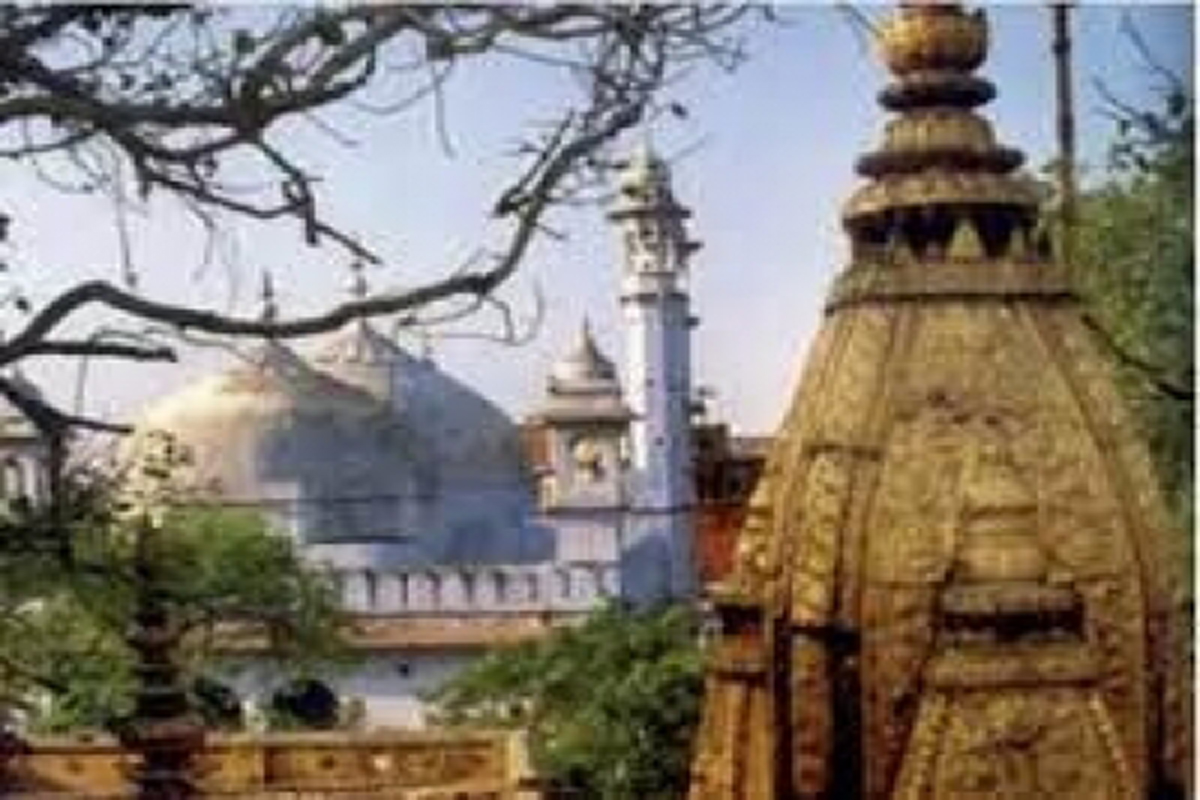
    Gyanvapi Survey: In a groundbreaking disclosure that has stirred significant attention, the Archaeological Survey of India (ASI) released an extensive report on the Gyanvapi structure, unraveling a tapestry of history that interweaves different cultures and eras. The 839-page ASI survey report, now public, has been meticulously scrutinized, revealing compelling evidence of the site’s multifaceted past.

    The Historic Interplay of Cultures at Gyanvapi

    The Gyanvapi complex, a site of considerable historical and cultural significance, has long been a subject of curiosity and debate. The recent ASI survey has brought to light a series of findings that spotlight the intricate blend of Hindu and Islamic architectural elements within the structure.

    Unearthing Evidence of a Temple

    Central to the ASI report is the claim that there are as many as 32 pieces of evidence suggesting the presence of a Hindu temple at the site. This includes indications of a temple wall on the western side of the mosque. The report suggests that the temple might have been demolished in the 17th century, with its remnants repurposed in the mosque’s construction.

    Aurangzeb’s Edict and the Temple’s Demise

    One of the most striking revelations is the discovery of a stone inscribed with an edict in Persian, believed to be issued by the Mughal Emperor Aurangzeb. This edict apparently ordered the demolition of the temple. The stone itself is damaged, with parts of its inscriptions erased, further adding to the historical complexity of the site.

    The Architectural Symbiosis

    The survey highlights the utilization of temple pillars in the mosque’s construction. This integration, albeit with modifications, suggests a complex narrative of cultural and architectural amalgamation. The findings in the basement, where Hindu temple pillars were identified, corroborate this blend of structural elements.

    Hindu Symbolism in Gyanvapi’s Architecture

    The survey uncovered numerous symbols and structures indicative of Hindu architecture. This includes the discovery of statues of Hindu deities, animal and bird figures on doorframes, and symbols like the Swastika and serpent deities. The western wall of the mosque is thought to be part of the original temple structure. Additionally, motifs such as lotus flowers and bells, typical in Hindu temples, were found.

    13 Key Findings from the ASI Report

    The ASI report meticulously documented 13 significant pieces of evidence, each serving as a potential cornerstone for understanding the Gyanvapi site’s history. These include:

    1. A well adjacent to a corridor, part of a pre-existing structure.
    2. Hindu temple pillars over which the current structure was built.
    3. A large central chamber and additional chambers in all cardinal directions, indicative of a major Hindu temple.
    4. Inscriptions in Devanagari, Telugu, and Kannada, pointing to the temple’s historical and cultural relevance.
    5. Evidence of a Mahamukti Mandap, an essential element in Hindu temple architecture.

    These findings present a compelling case for the site’s historical complexity, blending Hindu and Islamic architectural styles and cultural narratives.

  • Navigating the Complexities of Political Alliances: The Shifting Dynamics in Indian Politics

    Navigating the Complexities of Political Alliances: The Shifting Dynamics in Indian Politics

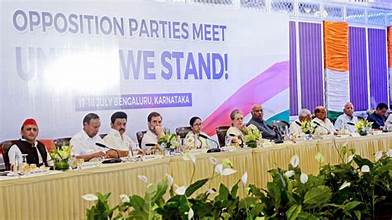
    In the intricate tapestry of Indian politics, alliances form and reform, often shaping the future of the nation’s governance. A recent development has brought to light the evolving dynamics within the political landscape, particularly concerning the Bharatiya Janata Party (BJP) and Janata Dal (United) [JD(U)]. Reports, based on sources, indicate a significant shift as Nitish Kumar, a pivotal figure in Indian politics, edges closer to formalizing his alliance with the National Democratic Alliance (NDA).

    The Seat-Sharing Agreement: A Strategic Move for the General Elections

    At the heart of this political maneuvering is the seat-sharing agreement between the BJP and JD(U) for the upcoming general elections. This agreement marks a crucial stage in their collaboration, setting the stage for a united front in the elections. The intricacies of this alliance reflect a larger pattern of strategic partnerships within Indian politics, where seat-sharing often serves as a barometer for the strength and stability of political alliances.

    The Art of Political Bargaining: A Closer Look at the Negotiation Dynamics

    The political landscape is rife with negotiations and bargaining, as evidenced by the recent statements from Union Minister Giriraj Singh. He pointed out the ongoing “6-5 game,” a metaphor for the intricate negotiations and hard bargaining tactics employed by political parties. This game of political chess is not new; it has been a consistent feature since the formation of these alliances.

    A notable instance in this complex interplay was when a minister from Nitish Kumar’s party swiftly countered a statement by the Rashtriya Janata Dal (RJD), which credited Lalu Prasad Yadav for Kumar’s position as Chief Minister. This quick exchange of statements is a classic example of the rapid strategic responses that characterize Indian political discourse.

    The Role of Symbolism and Rhetoric in Political Narratives

    In a move laden with symbolism, Nitish Kumar’s political narrative was further colored by his reference to a popular song, “मैं मायके चली जाऊंगी,” which he used to metaphorically express his position in the political scenario. This reference, highlighted by Giriraj Singh, underscores how political figures often use cultural references to resonate with the public and convey deeper political messages.

    The Influence of Family Politics and Ideological Struggles

    The dynamics between Nitish Kumar and the RJD, particularly with Lalu Prasad Yadav and his family, illustrate the ongoing interplay between individual political figures and broader ideological battles. The strategic moves, including Kumar’s criticism of family politics and his invocation of Karpoori Thakur, a respected socialist leader, highlight the ideological struggles within Indian politics. These maneuvers are not just about gaining immediate political advantage but also about aligning with or challenging deeply rooted political ideologies.

    The Future of Indian Politics: A Landscape of Unpredictable Alliances

    As Indian politics continues to evolve, the formation and reformation of alliances like that of the BJP and JD(U) indicate a landscape where predictability is a rarity. These developments not only have immediate implications for elections and governance but also signify deeper shifts in political ideologies and power structures.

  • Celebrating India’s 75th Republic Day: A Journey Through Patriotic Melodies and Traditions

    Celebrating India’s 75th Republic Day: A Journey Through Patriotic Melodies and Traditions

    Republic Day: India, a land rich in history and culture, celebrates its 75th Republic Day on January 26th with unparalleled zeal and fervor. This day marks not just a national holiday but a remembrance and celebration of India’s journey as a sovereign republic. From the grandeur of parades to the patriotic rhythms echoing in every corner, the spirit of Republic Day is infectious and heartwarming.

    The Vibrant Celebrations Across the Nation

    Republic Day in India is a spectacle of national pride and cultural heritage. Streets and alleyways are adorned with the tricolor flag, symbolizing the nation’s unity and integrity. The air is filled with patriotic songs, reminding citizens of their country’s valiant history and the sacrifices of their forefathers.

    Every year, the main event unfolds at Rajpath in New Delhi, where a grand parade showcases India’s defense capability, cultural diversity, and social heritage. This is complemented by various cultural programs and tableaux from different states, representing the rich tapestry of Indian culture.

    A Melodic Tribute to the Nation’s Heroes

    Music plays a pivotal role in celebrating Republic Day, with patriotic songs being an integral part of the festivities. These songs not only evoke a sense of national pride but also pay homage to the martyrs who have laid down their lives for the country. Let’s take a musical journey through some of the most iconic patriotic songs that resonate with every Indian’s heart.

    1. “Teri Mitti” from the movie Kesari – Released on March 21, 2019, this song has touched the hearts of millions. It brings out the emotions of love and sacrifice for the nation, making it a perfect addition to your Republic Day playlist.
    2. “Vande Mataram” – The Eternal Patriotic Hymn: This song has a special place in the hearts of Indians. Played in every nook and corner of the country on Republic Day, it serves as a reminder of India’s struggle for freedom and the ultimate sacrifice of its martyrs.
    3. “Mere Desh Ki Dharti” from Upkar (1967) – Sung by Mahendra Kapoor and penned by Gulshan Bawra, this song from the movie ‘Upkar’ has been a perennial favorite. It paints a picture of the country’s rich agricultural heritage and the hardworking spirit of its people.
    4. “Ae Mere Watan Ke Logo” – A Song That Touches the Soul: Beautifully sung by the legendary Lata Mangeshkar, this song brings tears to the eyes of its listeners. It’s a heartfelt tribute to the soldiers who have bravely defended the nation’s borders.
    5. “Ae Watan Tere Liye” from the movie Karma – Featuring Dilip Kumar and Nutan, this song from the film ‘Karma’ encapsulates the sentiment of love and devotion towards the nation. The lyrics and melody resonate deeply with those who hold their country close to their hearts.

    The Essence of Republic Day: Unity and Remembrance

    Republic Day is not just a day of celebration; it’s a day of remembrance, unity, and renewal of the pledge to take the nation forward. It’s a time to reflect on the past and to dream of a brighter future. The festivities, parades, and songs are more than just cultural displays; they are reminders of the country’s collective strength and the sacrifices made for its freedom.

    As India celebrates its 75th Republic Day, it’s a moment of pride for every Indian. It’s a day to remember the heroes who have fought for the country’s independence and to celebrate the spirit of unity and diversity that defines India. The patriotic melodies, the fluttering tricolor, and the aura of festivity capture the essence of what it means to be Indian – proud, diverse, and united in the spirit of nationalism.

  • Empowering the Future: Smart Investment Strategies for Your Daughter’s Growth

    Empowering the Future: Smart Investment Strategies for Your Daughter’s Growth

    Empowering the Future: In the dynamic world of today, parents constantly seek effective ways to secure and enhance their daughter’s future. With National Girl Child Day celebrated annually on January 24, it’s a timely reminder to focus on the financial and overall well-being of our daughters. This article delves into various investment schemes available, offering insights into making the best choices for your daughter’s prosperous future.

    Investment Avenues for Your Daughter’s Brighter Tomorrow

    Investment options today are diverse, offering multiple avenues to bolster your daughter’s future. Understanding these options is crucial for making informed decisions. Here’s a breakdown of the most promising investment schemes.

    Sukanya Samriddhi Yojana (SSY): A Safe Haven for Your Daughter’s Future

    Sukanya Samriddhi Yojana (SSY) stands out as a government-backed savings scheme, currently offering an interest rate of 8.2%. This scheme, designed specifically for the girl child, not only ensures a steady return but also comes with the reliability of government backing. The interest, which is subject to quarterly revisions, adds a layer of dynamism to this investment option. Starting with a minimal annual investment of ₹250, SSY allows deposits up to ₹1.50 lakh per financial year. Accounts can be opened any time before your daughter turns ten, providing flexibility and ease of access.

    Comparative Analysis: Sukanya Samriddhi Yojana vs. Equity Mutual Funds

    When choosing between SSY and equity mutual funds, it’s essential to understand their distinct characteristics. SSY offers fixed income and a long-term commitment, as withdrawals are only permitted after the daughter reaches 21 years of age, marking a significant lock-in period. On the other hand, equity mutual funds, linked to market performances, present an opportunity for higher returns albeit with associated risks. They offer liquidity, a feature that is particularly advantageous for those seeking flexible investment options.

    The Allure of Equity Mutual Funds: Understanding the Returns

    Recent data from the Association of Mutual Funds in India (AMFI) highlights the attractive returns of equity mutual funds. For instance, Nippon India’s Value Fund reported a return of 42.38%, Aditya Birla Sun Life Pure Value Fund at 43.02%, Axis Value Fund at 40.16%, and SBI Long Term Equity Fund at around 40%. These figures demonstrate the potential for substantial growth, making equity mutual funds a tempting choice for investors who are comfortable with market-related risks.

    Celebrating National Girl Child Day: More than a Symbolic Gesture

    The observance of National Girl Child Day in India is not just a ceremonial act. It represents a commitment to supporting the rights, education, and health of girls. This day serves as a powerful reminder of our societal responsibility to nurture and empower our daughters, ensuring they have the opportunities and resources to thrive.

  • Exploring the Upcoming Maruti Swift: A Leap Ahead in the Indian Car Market

    Exploring the Upcoming Maruti Swift: A Leap Ahead in the Indian Car Market

    Upcoming Maruti Swift: The Indian automobile landscape is witnessing an exciting phase with the upcoming launch of the new Maruti Swift, a name synonymous with reliability and style. The year 2023 saw the Swift topping the sales charts, with over 203,469 units sold, demonstrating its unwavering popularity. Now, as we anticipate the release of its facelift version, possibly by April, let’s delve into four key features that set it apart from its rivals, particularly the Hyundai Grand i10 Nios.

    A Bigger and Better Touchscreen Experience

    The current Swift model comes equipped with a 7-inch infotainment touchscreen, slightly smaller than the 8-inch unit in the Grand i10 Nios. However, the new Swift is expected to leapfrog its predecessor and even its competitor by featuring a 9-inch touchscreen, similar to those in the Baleno, Brezza, and Fronx. This upgrade is likely to be complemented with wireless smartphone connectivity, enhancing the user experience significantly.

    Advanced Electronic Parking Brake

    Taking cues from its fourth-generation counterpart already launched in Japan, the 2024 Swift is likely to incorporate an electronic parking brake, a feature not found in the Grand i10 Nios. This addition will not only enhance the car’s safety profile but also align it with more premium models, marking a significant upgrade from the traditional handbrake system.

    Blind Spot Monitor: A Step Toward Enhanced Safety

    During its testing phase in India, the 2024 Swift was spotted with an innovative feature – Blind Spot Monitor warnings on its ORVMs (Outside Rear-View Mirrors). This technology is an essential step towards heightened safety, alerting drivers to unseen vehicles in the adjacent lane and reducing the risk of side collisions.

    360-Degree Camera: A Comprehensive View

    Maruti Suzuki has been integrating 360-degree cameras in several of its models, and the new Swift is likely to follow suit. Both the current Swift and the Grand i10 Nios offer only a rearview camera. The addition of a 360-degree camera in the new Swift will significantly improve driver visibility and assistance, particularly in tight parking spots and crowded city driving conditions.