Author: admin

  • Rahul Gandhi Temple Visit Controversy: A Glimpse into India’s Political and Religious Dynamics

    Rahul Gandhi Temple Visit Controversy: A Glimpse into India’s Political and Religious Dynamics

    In a recent turn of events that has sparked widespread discussion, Congress leader Rahul Gandhi found himself at the center of a controversy involving religious practices and political implications. This incident, which occurred in the context of the Ayodhya Ram Mandir Pran Pratishtha, sheds light on the complex interplay between religion and politics in India.

    Gandhi’s Indirect Critique and the Role of Temples in Indian Politics

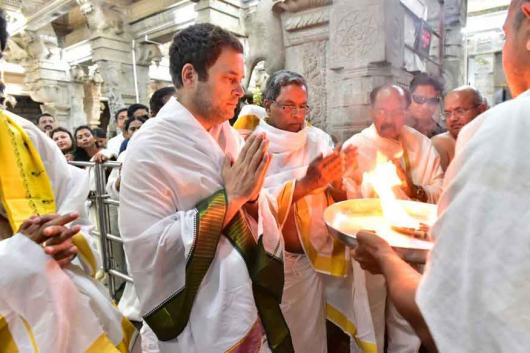
    Rahul Gandhi’s indirect remark about Prime Minister Narendra Modi during the Bharat Jodo Nyay Yatra in Assam highlighted the often intricate relationship between political figures and religious institutions in India. Gandhi’s comment, “Aaj sirf ek vyakti mandir mein ja sakta hain (Only one person can go to the temple today),” was perceived as a subtle critique of the Prime Minister and brought to the fore the issue of accessibility to religious places for political leaders.

    The Batadrava Than Incident: Timing and Restrictions

    The Than Management Committee’s decision to allow Gandhi’s entry to Batadrava Than in Assam after 3 pm on January 22, the day of the Ayodhya Ram Mandir’s Pranpratishtha, was a significant aspect of this controversy. This directive was given citing the heavy influx of devotees and the organization of various programs at the Than premises. This decision, however, was met with allegations from Congress General Secretary in-charge Communications, Jairam Ramesh, who claimed that the state government was exerting pressure, thus restricting Gandhi’s visit.

    Jairam Ramesh’s Allegations and the Political Undertone

    Jairam Ramesh’s statement that the Congress had been planning the visit since January 11 and the sudden change in the schedule points to a possible political undertone in the decision-making process. The claim that the restriction was due to state government pressure adds another layer to the controversy, highlighting the potential use of religious sites as tools in political maneuvering.

    The Exclusion of Rahul Gandhi from Sankardev Satra Temple Visit

    Adding to the complexity of the situation was the allowance for local MPs and MLAs to visit the Sankardev Satra temple in Assam’s Nagaon, while Gandhi was excluded. This led to a protest by Gandhi and other Congress leaders, bringing into question the criteria for permitting political figures to visit religious sites.

    Gandhi’s Criticism and the Question of Religious Access

    Rahul Gandhi’s criticism of being stopped from visiting the temple in Assam’s Nagaon raised important questions about the role of political leaders in religious spaces and whether such decisions should be influenced by other political figures. Gandhi’s rhetorical question about whether Prime Minister Modi would decide who visits temples encapsulated the broader debate about the intersection of religion and politics in India.
  • Truth Behind Modi’s Apology to Ram Lala

    Truth Behind Modi’s Apology to Ram Lala

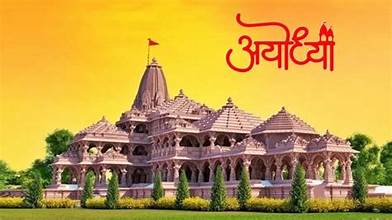
    In a momentous celebration of faith and perseverance, the long-awaited consecration of the Ram Temple in Ayodhya marks a new chapter in India’s cultural and spiritual journey. This event, eagerly anticipated by millions of Lord Ram’s devotees, signifies more than just the construction of a temple; it represents the fulfillment of centuries-old wishes and a testament to the enduring spirit of Indian tradition.

    Prime Minister Modi’s Emotional Address: A Tribute to Patience and Devotion

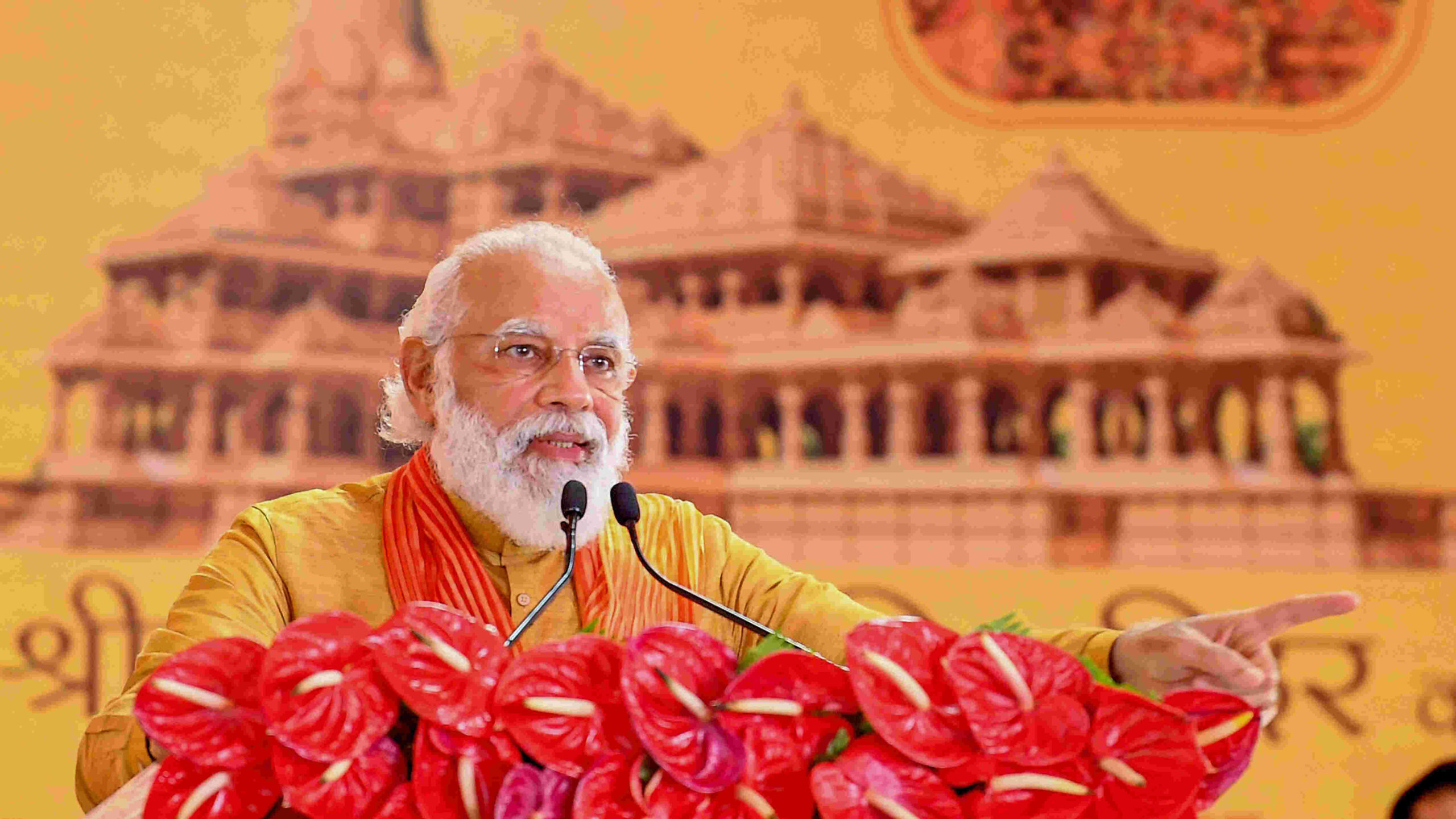
    Prime Minister Narendra Modi, in his emotionally charged address following the temple’s consecration, reflected the sentiments of countless generations. He began his speech with the reverent chant “Siyavar Ramchandra ki Jai,” setting a tone of deep reverence and devotion. In a humble gesture, PM Modi sought forgiveness from Lord Ram for the delay in building the temple. His words, “Our generations endured separation,” echoed the long and arduous journey leading to this momentous day.

    The Journey from Tent to Temple: Realizing a Long-Cherished Dream

    Emphasizing the historic significance, PM Modi remarked on the transition from Lord Ram’s idol being sheltered in a tent to its new abode in a magnificent temple. This shift is not just physical but symbolic, representing the fruition of centuries of patience and devotion. The Prime Minister expressed his firm belief that the impact of this event would resonate with devotees across India and the world, marking it as a celestial moment in history.

    Witnessing the Dawn of a New Era

    January 22, 2024, is not just another date on the calendar but the dawn of a new epoch in Indian cultural history. This day brings with it a divine radiance, a sacred moment that signifies the start of a new cycle in the cultural and spiritual life of India. The construction of the Ram Temple, following the groundbreaking Bhoomi Pujan, has been a source of increasing joy and faith across the nation, symbolizing a collective resurgence of cultural pride and unity.

    A Nation United in Celebration: The Diwali of the New Age

    As the Ram Temple stands completed, India celebrates a Diwali-like festival, marking the triumph of faith and devotion. Preparations are underway nationwide for the lighting of “Ramjyoti,” symbolizing the light of Lord Ram’s presence in every home. This celebration is not confined to the temple premises but extends to every corner of the country, uniting people in a shared sense of joy and spiritual fulfillment.

    Acknowledging the Role of Judiciary and Eminent Personalities

    In his address, Prime Minister Modi did not forget to express gratitude towards the judiciary for its pivotal role in the legal sanctioning of the temple’s construction. He acknowledged the blessings of the nation’s top saints, leaders from various fields, film stars, poets, writers, and sports personalities. This collective endorsement and support underscore the national and cultural significance of the Ram Temple, a project that has transcended legal debates to become a symbol of India’s rich spiritual heritage.

    The Temple as a Beacon of India’s Cultural Ethos

    The completion of the Ram Temple is more than a religious milestone; it’s a beacon of India’s enduring cultural and spiritual ethos. It stands as a testament to the nation’s ability to uphold its rich heritage and traditions while navigating the complexities of modern legal and social frameworks. As India steps into a new era, the Ram Temple in Ayodhya will remain a symbol of the nation’s undying faith, unity, and the timeless legacy of Lord Ram.

  • The Dawn of a New Era: How Ayodhya’s Ram Temple Redefines India’s Spiritual Landscape

    The Dawn of a New Era: How Ayodhya’s Ram Temple Redefines India’s Spiritual Landscape

    After centuries of anticipation, the sacred city of Ayodhya has witnessed a momentous event: the consecration of Lord Ram in his divine temple. This event, led by Prime Minister Narendra Modi, signifies not just the culmination of a 500-year wait but also the fulfillment of a collective vow spanning generations. The presence of Uttar Pradesh Chief Minister Yogi Adityanath underscored the historical and cultural significance of this moment.

    A Unique Testament to Faith and Perseverance

    The construction of this temple at the birthplace of Lord Ram is unparalleled in history. It represents a battle fought on numerous fronts by the majority community within their own nation, to honor their deity. The successful realization of this temple is a testament to the enduring faith and perseverance of the people.

    Ayodhya: From Turmoil to Tranquility

    In a profound shift from the tumultuous past, Chief Minister Yogi Adityanath reassured that Ayodhya’s streets will no longer echo with the sounds of conflict but will be marked by peace and festivity. This transformation symbolizes the establishment of ‘Ram Rajya’ (the rule of Lord Ram) – an era synonymous with peace, justice, and prosperity.

    Embracing the Ideals of Lord Ram

    Chief Minister Yogi Adityanath reflected on this historical moment as a return to the Treta Yuga, the age of Lord Ram. He described Ayodhya as the ‘Vaikunth on Earth’ (Heaven on Earth) and highlighted how the city, once neglected and scorned, is now a beacon of glory and spirituality. This resurgence aligns with the life and teachings of Lord Ram, who is an embodiment of discipline and righteousness, ideals that have profoundly influenced Indian society.

    Tribute to the Sacrifices for the Temple

    This event also serves as a solemn homage to the countless devotees who sacrificed their lives for the construction of the temple. The realization of this temple is seen as a tribute to their unwavering faith and dedication. The Prime Minister’s role in fulfilling this long-held dream has been met with widespread gratitude and admiration.

    A Unifying Force Across the Nation

    On this historic day, Chief Minister Yogi Adityanath extended his heartfelt congratulations to everyone, emphasizing the emotional and spiritual connection shared by the populace. The inauguration of the temple has transformed every town and village into an extension of Ayodhya, with the name of Lord Ram resonating in every heart and home.

  • Emotional Reunion in Ayodhya: The Day Uma Bharti and Sadhvi Ritambhara Shared Tears

    Emotional Reunion in Ayodhya: The Day Uma Bharti and Sadhvi Ritambhara Shared Tears

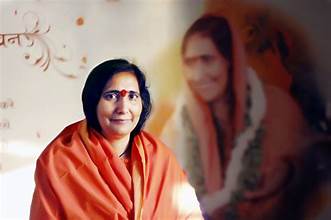
    Ayodhya: In the heart of Ayodhya, a moment of profound emotional intensity unfolded as two prominent figures of the Ram Temple movement, Uma Bharti and Sadhvi Ritambhara, encountered each other. This reunion, laden with years of struggle and devotion, brought tears to the eyes of these stalwart personalities, symbolizing a poignant chapter in India’s political and cultural tapestry.

    The Stirring Moment in Ayodhya

    As the much-anticipated Ram Temple Pran Pratishtha ceremony drew these influential leaders to Ayodhya, their meeting was not just a mere encounter but a reflection of decades-long perseverance and commitment. The absence of L.K. Advani, a key figure in the movement, due to illness, added a layer of solemnity to the occasion. The emotional embrace between Uma Bharti and Sadhvi Ritambhara was a testament to their journey, laden with hopes, dreams, and struggles for the cause they so passionately championed.

    A Viral Sensation: The Power of Social Media

    The power of social media in capturing and amplifying such emotional moments was evident as videos of their encounter went viral. These visuals, showing Uma Bharti consoling a tearful Sadhvi Ritambhara, resonated with many, evoking a collective emotional response. The sight of these two women, united in their cause and emotion, struck a chord with viewers, illustrating the deep-rooted sentiments associated with the Ram Temple movement.

    The Pivotal Role in the Ram Temple Movement

    Looking back at the history of the Ram Temple movement, the roles played by Uma Bharti and Sadhvi Ritambhara become clear. Uma Bharti, reflecting on her involvement, expressed immense joy and fulfillment at being a part of the 500-year-long struggle. Similarly, Sadhvi Ritambhara’s resolute dedication was evident in her iconic slogan, “Saugandh Ram ki khaate hain, mandir wahi banayenge” (We swear by Lord Ram, we will build the temple there). This slogan, along with her 1992 rallying cry, “Garv se kaho hum Hindu hain, Hindustan hamara hai” (Proudly say we are Hindus, India is ours), echoed in homes across the country, becoming synonymous with the movement.

  • Mamata Banerjee on Congress: कांग्रेस पर भड़कीं ममता बनर्जी

    Mamata Banerjee on Congress: कांग्रेस पर भड़कीं ममता बनर्जी

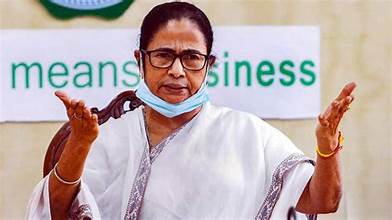
    Mamata Banerjee on Congress: विपक्षी गंठबंधन इंडिया में सींटों को लेकर खींचातानी देखने को मिल रही है। पश्चिम बंगाल की मुख्यमंत्री ममता बनर्जी ने स्पष्ट रूप से कहा- बीजेपी के खिलाफ लड़ाई का नेतृत्व क्षेत्रीय दलों की तरफ से किया जाना चाहिए। हालांकि कांग्रेस अगर चाहे तो वह 300 सीटों पर अकेले चुनाव लड़ सकती है। लेकिन उसे बाकी की सींटे क्षेत्रिय दलों के लिए छोड़ देनी चाहिए।

    उन्होंने कांग्रेस पर नाराजगी जताते हुए कहा- गठबंधन का नाम इण्डिया मैंने ही रखा था। हमारी नीति एकजुटता के साथ चुनावी मैदान में उतरना था। लेकिन मुझे जो सम्मान गठबंधन में मिलना चाहिए वह नहीं मिल सका। कांग्रेस अपनी मनमानी करने में जुटी हुई है। वाम दल ‘इंडिया’ के एजेंडे पर नियंत्रण की कोशिश कर रहे हैं। हालांकि तृणमूल की तरह पश्चिम बंगाल में कोई बीजेपी को सीधी टक्कर नहीं दे सकता है।

    उन्होंने आगे कहा- हमारे पास छमता है बीजेपी को कांटे की टक्कर देने की। अगर आप सींट को लेकर सहमत नहीं है तो कम से कम आपको उनके खाते में सींटे तो नहीं जाने देनी चाहिए। मैं बैठक में शामिल होती हूं तो देखती हूं कि वाम दल इसे नियंत्रित करने की कोशिश करते हैं। यह स्वीकार्य नहीं है। मैंने स्वयं को खड़ा करने में 35 वर्ष संघर्ष किया है।

  • Ram Mandir: आम लोग आज करेंगे राम लला के दर्शन, ऐसे प्राप्त करें पास

    Ram Mandir: आम लोग आज करेंगे राम लला के दर्शन, ऐसे प्राप्त करें पास

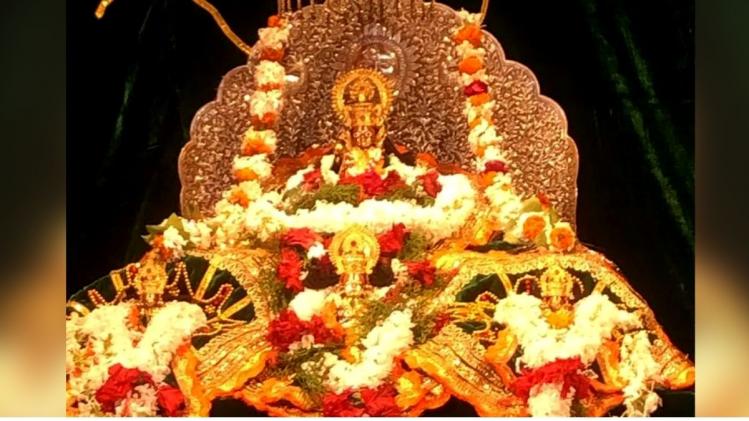
    Ram Mandir: वर्षों का इंतजार खत्म हो गया। प्रभु श्री राम अपने भव्य मंदिर में विराजमान हो गए। विधि-विधान से पूजा अर्चना के साथ राम लला की प्राण प्रतिष्ठा का कार्यक्रम सम्पन्न हुआ। बीते दिन पूरा देश भगवामय हो गया, हर तरफ सुन्दरकांण्ड, भजन-कीर्तन की गूंज सुनाई दी। वही आज से आम भक्तो के लिए राम मंदिर के द्वार खुल गए हैं। सुबह से ही भक्तों की भीड़ राम लाल के दर्शन हेतु उमड़ पड़ी है। कड़ाके की ठंडी में भक्तों का प्रेम प्रभु श्री राम के प्रति देखकर मन प्रसन्नता से झूम रहा है। अयोध्या का दृश्य ऐसा है मानों त्रेता युग का शुभारम्भ हुआ हो। वही आज हम आपको बताने जा रहे हैं राम लला का मंदिर कितने बजे से कितने बने तक खुला रहेगा –

    भक्त गढ़ आप से राम लला के दर्शन कर पाएंगे। सुबह 8 बजे से राम 10 बजे तक प्रभु श्री राम के दर्शन हेतु समय निर्धारित किया गया है। सुबह 8 से दोपहर 1 बजे से अयोध्या में राम मंदिर खुला रहेगा। वही शाम 3 बजे से रात 10 बजे भक्तगढ़ प्रभु श्री राम के दर्शन कर पाएंगे। दोपहर 12 बजे रामलला की भोग आरती होगी और 7.30 बजे संध्या आरती होती है। 8.30 बजे अंतिम आरती करके प्रभु को शयन करवाया जाता है।

    श्री राम जन्मभूमि तीर्थ क्षेत्र की वेबसाइट के अनुसार, वैलिड सरकारी आईडी दिखाकर श्री राम जन्मभूमि स्थित कैंप कार्यालय से ऑफलाइन पास हासिल किया जा सकता है। ऑनलाइन पास के लिए srjbtkshetra.org वेबसाइट पर जाना होगा।

  • Netaji Subhas Chandra Bose Jayanti 2024: जानें किसके उपासक थे नेता जी सुभाष चंद्र बोस

    Netaji Subhas Chandra Bose Jayanti 2024: जानें किसके उपासक थे नेता जी सुभाष चंद्र बोस

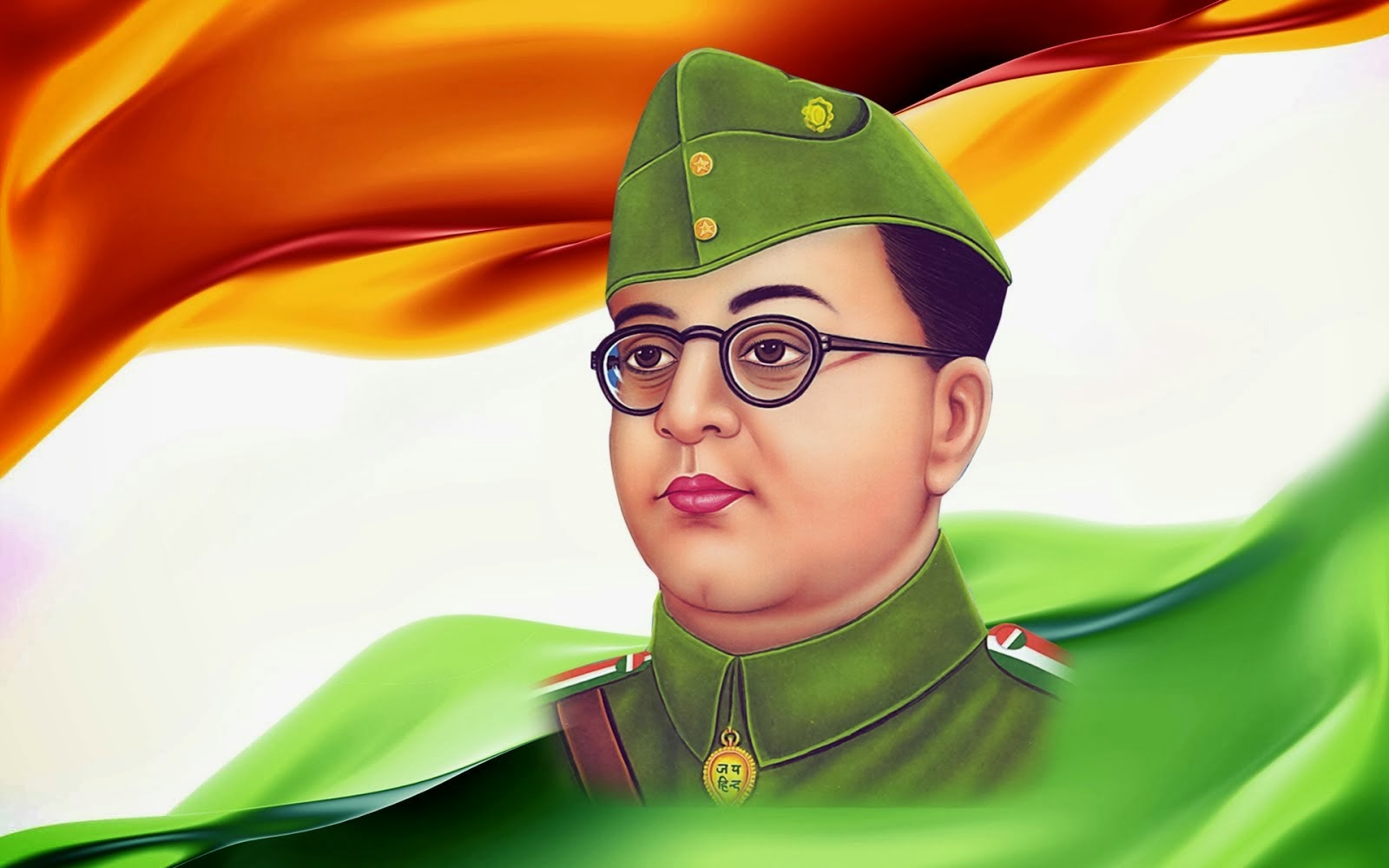
    Netaji Subhas Chandra Bose Jayanti 2024: आज महान स्वतंत्रता सेनानी, युवाओं के प्रेरणा श्रोत, नेता जी के नाम से विख्यात सुभाष चंद्र बोस की जन्म जयंती है। सुभाष चंद्र बोस की जन्म जयंती प्रत्येक वर्ष 23 जनवरी को मनाई जाती है। नेता जी की जन्म जयंती को पूरा देश पराक्रम दिवस के रूप में मनाता है। क्योंकि उन्होंने देश की जनता के मन में स्वंत्रता की आग भड़काई, हक के लिए उन्हें लड़ना सिखाया। सुभाष चंद्र बोस का जीवन स्पष्ट और सत्य का था। वह देश प्रेम में मग्न रहते थे। लोग उनको वैसे तो देश प्रेमी के रूप में जानते थे। लेकिन आज हम आपको नेता जी सुभाष चंद्र बोस के आध्यात्मिक जीवन के विषय में बताने जा रहे हैं।

    जानें नेताजी सुभाष चंद्र बोस का आध्यात्मिक जीवन:

    नेता जी सुभाष चंद्र बोस बेहद सौम्य स्वभाव के व्यक्ति थे। उनका जीवन देशप्रेम की भावना से भरा था। वह अपने साथ भगवत गीता सदैव रखते थे और उसका पाठ करते थे। नेता जी माता काली और दुर्गा के उपासक थे। सुभाष चंद्र की माता काली के प्रति बड़ी श्रद्धा थी। वह उनकी पूजा-आराधना के साथ अपने दिन का शुभारम्भ करते थे। उनको तंत्र विद्या में अटूट विश्वास था। जब नेता जी म्यांमार के मांडला जेल में बंद थे तो उन्होंने कई तंत्र विद्याओं की किताबों का अध्यन किया।

    नेता जी का मत था व्यक्ति को सभी धर्मों का सम्मान करना चाहिए। आप अपने धर्म के प्रति समर्पित रहिए। उसका सम्मान कीजिए। साथ ही अन्य धर्मों का भी सम्मान कीजिए। शायद नेता जी के इसी स्वाभाव के कारण हर धर्म के लोगों ने स्वतंत्रता आंदोलन में उनका साथ दिया। वह दुर्गा पूजा का प्रत्येक वर्ष बेसब्री से इन्तजार करते रहते थे।

    भारत मां की प्रार्थना की पंक्तियां:

    जाति धर्म या संप्रदाय का, नहीं भेद व्यवधान यहां,
    सबका स्वागत, सबका आदर, सबका सम सम्मान यहां,
    सब तीर्थों का एक तीर्थ यह, हृदय पवित्र बना लें हम,
    आओ यहां अजातशत्रु बन, सबको मित्र बना लें हम.

  • India-England Test Series 2024: A Crucial Juncture for Team India Without Virat Kohli

    India-England Test Series 2024: A Crucial Juncture for Team India Without Virat Kohli

    India-England Test Series 2024: The much-anticipated five-match Test series between India and England, commencing on January 25, 2024, has taken an unexpected turn with Virat Kohli withdrawing from the first two matches for personal reasons. This development has sparked widespread speculation about his potential replacement and the strategic adjustments Team India might undertake in his absence.

    Kohli’s Absence and its Impact on Team Strategy

    Virat Kohli, a stalwart in the Indian cricket team, has been a pivotal figure in India’s batting lineup. His decision to pull out of the initial matches has left a significant void. The Board of Control for Cricket in India (BCCI) announced a 16-member squad for the opening matches against England, and with Kohli’s exit, the focus shifts to the remaining 15 players. It’s likely that BCCI might not name a direct replacement for Kohli, considering the strength and versatility of the current squad.

    Shubman Gill and Shreyas Iyer: Stepping Up in Kohli’s Absence

    In the wake of these developments, young talents like Shubman Gill and Shreyas Iyer are expected to play more prominent roles. Shubman Gill, known for his elegant batting style and consistency, could very well move up to number three in the batting order. Shreyas Iyer, who has shown remarkable skill in the middle order, is likely to secure his position further, adding depth and stability to the team’s batting.

    The Replacement Conundrum: Who Will Step In?

    Even if a replacement for Kohli is announced, the chances of veterans like Ajinkya Rahane and Cheteshwar Pujara making a comeback seem slim. The BCCI is likely to give a chance to a younger player from the India-A squad. Among these, Rajat Patidar appears to be a strong contender, thanks to his impressive domestic performance.

    Why Rahane’s Comeback Seems Unlikely

    Ajinkya Rahane’s recent form has been a matter of concern. His performance in the latest Ranji Trophy season was underwhelming, scoring just 16 runs in three innings, which included two instances of not opening his account. Considering his lackluster form, Rahane’s immediate return to the Test squad seems improbable.

    Pujara’s Form: A Ray of Hope Yet a Dilemma

    On the other hand, Cheteshwar Pujara has been in good touch in domestic cricket. His bat spoke volumes in the Ranji Trophy, where he scored 444 runs in five innings, including a double century. However, this performance was against a relatively weaker Jharkhand team, raising questions about his readiness for high-intensity international matches.

    Pujara’s current form presents a mixed scenario. While he’s scoring runs, the selectors might opt to give him more game time before considering him for the last three matches against England. This strategy would allow Pujara to maintain his rhythm in domestic cricket without the pressure of immediate international commitments. However, if Pujara is brought in as a replacement for Kohli and fails to find a place in the playing 11, it could be a missed opportunity for him to prove his mettle.

  • The Alarming Rise of Cyber Attacks in India: A 2023 Perspective

    The Alarming Rise of Cyber Attacks in India: A 2023 Perspective

    Cyber Attacks in India: In recent years, India has witnessed a concerning escalation in cyber attacks, with criminals increasingly targeting various sectors and jeopardizing the data security of the general public. A recent report has shed light on this disturbing trend, revealing a significant increase in these incidents.

    A Comparative Analysis of Cyber Attacks: 2022 vs. 2023

    The cybersecurity firm Check Point has reported a notable rise in the frequency of cyber attacks in India. In 2023, there was an average of 15% more attacks per week compared to 2022. This surge places India second only to Taiwan in the Asia Pacific region for the highest number of cyber attacks.

    Global and Regional Cyber Threat Landscape

    Globally, each organization experienced an average of 1,158 weekly cyber attacks, a slight increase of 1% from the previous year. This statistic underscores the growing global concern over cyber threats.

    Breaking Down the Weekly Cyber Attack Statistics

    In a more detailed analysis, Check Point’s report highlighted that in 2023, each organization in India faced an average of 2,138 weekly attacks, marking a 15% increase from 2022. This rate of attack not only positions India as a prime target in the Asia Pacific region but also indicates a broader trend of rising cyber threats in the area.

    Asia Pacific at the Epicenter of Cyber Threats

    The report also pointed out that the Asia Pacific region leads in the average number of weekly attacks, with each organization facing about 1,930 incidents. This represents a 3% increase from the previous year. The region’s escalating cyber threat landscape contrasts with other areas such as Africa, where there was a 12% year-on-year increase in weekly attacks, averaging 1,900 incidents per organization.

    Sectors Most Affected by Cyber Attacks

    The data shared by Check Point revealed significant shifts in sector-specific cyber attack patterns. The education and research sector, previously a major target, saw a notable 12% decrease in attacks. However, it still remained at the top of the list for the highest volume of cyber attacks. In contrast, the retail and wholesale sector witnessed a 22% increase in attacks compared to 2022, while the healthcare sector experienced a 3% rise.

    The Growing Concern and Need for Vigilance

    These findings underscore the urgent need for enhanced cybersecurity measures across various sectors in India. The consistent increase in cyber attacks poses a serious threat to data security and calls for concerted efforts to fortify digital infrastructures. As India continues to digitalize rapidly, the importance of robust cybersecurity strategies cannot be overstated.

  • A Historic Event at Ayodhya: Prime Minister Modi’s Devotional Observance and Swami Govind Dev Giriji’s Role

    A Historic Event at Ayodhya: Prime Minister Modi’s Devotional Observance and Swami Govind Dev Giriji’s Role

    Ayodhya:  In a significant moment for Ayodhya’s Ram Temple, a historic event unfolded on Monday, January 22. The Prime Minister of India, Narendra Modi, meticulously performed all the rituals associated with the installation of the deity, Ram Lalla. This event marks a milestone in Ayodhya’s spiritual and cultural journey, resonating deeply with devotees nationwide.

    The Revered Swami Govind Dev Giriji Maharaj: A Pillar of Ayodhya’s Ram Temple

    Swami Govind Dev Giriji Maharaj has emerged as a pivotal figure in the religious and cultural landscape of Ayodhya. As a member of the Shri Ram Janmabhoomi Teerth Kshetra Trust, Swami Govind Dev Giriji Maharaj holds a significant position as the Treasurer. Born in 1950 in Ahmednagar, Maharashtra, he is renowned for his discourses on sacred texts like the Ramayana and the Bhagavad Gita, both in India and abroad. His guidance has been a guiding light in the Trust, which includes other esteemed members like Jagadguru Shankaracharya, Swami Vasudevanand, and Mahant Dhirendra Das.

    Swami Govind Dev Giriji Maharaj’s journey to his current stature is a tale of devotion and commitment. Following the Supreme Court’s verdict in 2019 regarding the Ayodhya land dispute, the Trust was established for the temple’s construction and maintenance. His selection as a member was a testament to his lifelong dedication to the teachings and worship of Lord Ram.

    PM Modi’s Devotional Practices: Inspired by Swami Govind Dev Giriji Maharaj

    In a recent address, Swami Govind Dev Giriji Maharaj lauded Prime Minister Modi’s commitment and devotion, drawing parallels with the revered King Shivaji. He highlighted Modi’s rigorous observance of a spiritual fast – initially a three-day commitment that extended to 11 days under strict adherence to religious practices. The Prime Minister’s abstention from grains, consuming only fruits, and sleeping on the ground instead of a bed, were part of this devotional practice. Swami Govind Dev Giriji Maharaj’s influence and guidance in these observances are a testament to his spiritual leadership and the respect he commands.

    The Significance of Ram Lalla’s Prana Pratishtha Ceremony

    The Prana Pratishtha ceremony for Ram Lalla, conducted by Prime Minister Modi, was a profound spiritual undertaking. It involved a series of rituals and observances that are deeply rooted in Hindu tradition. This ceremony not only symbolizes the divine presence of Lord Ram in the temple but also reinforces the cultural and religious ethos of Ayodhya. The meticulous observance of these rituals by the Prime Minister, under the guidance of Swami Govind Dev Giriji Maharaj, further cements the spiritual significance of the event.